


Explore the latest books of this year!
Bookbot

Douglas Parmée

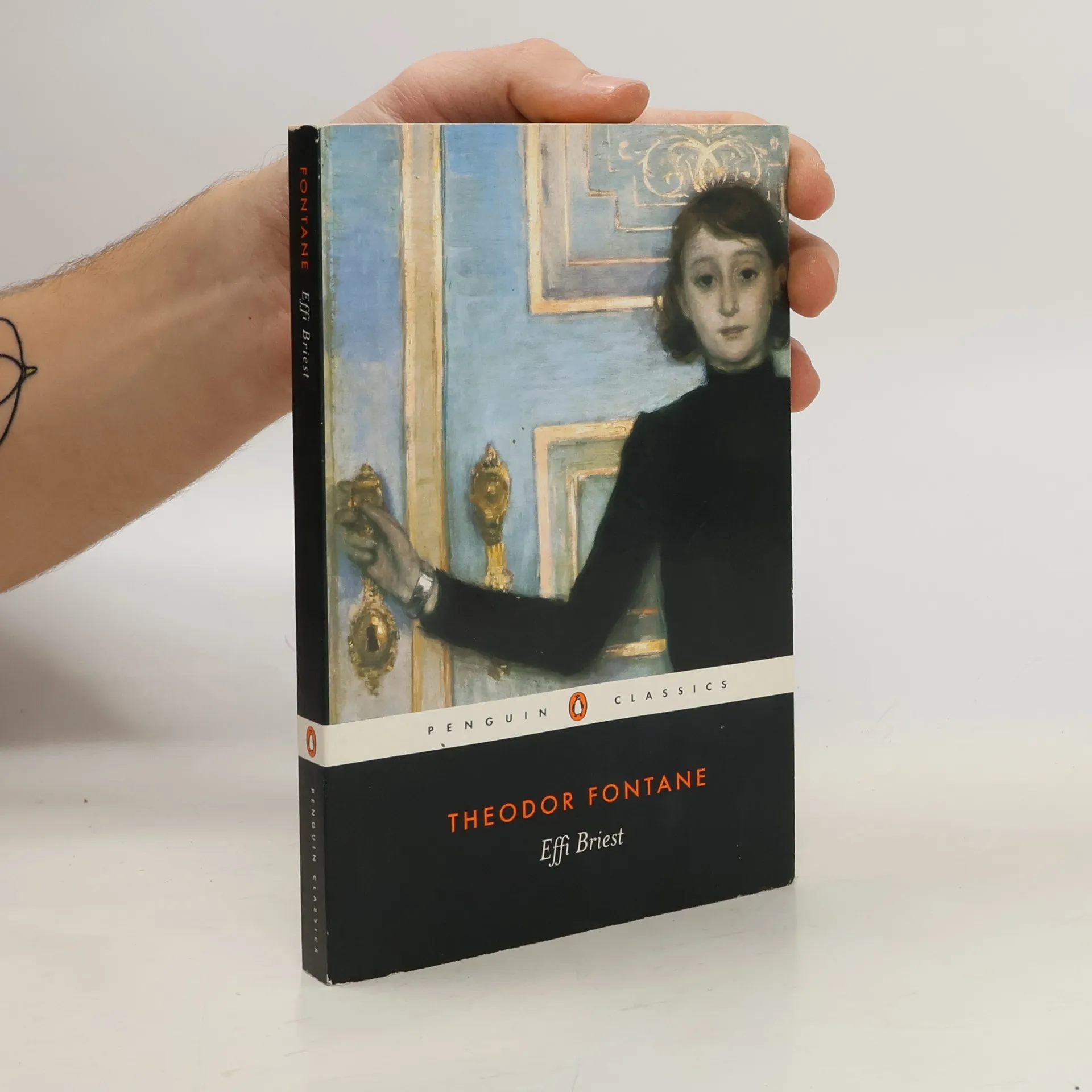
    Effi Briest
    Nana
    Oxford World's Classics: A Sentimental Education
    • Oxford World's Classics: A Sentimental Education

      The Story of a Young Man

      • 560 pages
      • 20 hours of reading

      "I want to write the moral history of the men of my generation—or, more accurately, the history of their feelings," declared Gustave Flaubert, who envisioned "a book about love, about passion; but passion such as can exist nowadays—that is to say, inactive." First published in 1869, this novel fulfills Flaubert's conception with a realistic, ironic portrait of bourgeois lives played out against France's tumultuous revolution of 1848 and the founding of its Second Empire. Frédéric Moreau, a law student in Paris, dreams of achieving success in art, business, journalism, and politics. His aspirations take a romantic turn upon a chance encounter with a married woman, who inspires a lifelong obsession. Frédéric befriends his idol's husband, an influential art dealer, and quickly finds himself seduced by society life—and bedeviled by financial problems, ideological conflicts, and betrayals of trust. Blending romance, historical authenticity, and satire, Flaubert's Sentimental Education ranks among the nineteenth century's great novels.

      Oxford World's Classics: A Sentimental Education
      3.7
    • Nana

      • 468 pages
      • 17 hours of reading

      Nana opens in 1867, the year of the World Fair, when Paris, thronged by a cosmopolitan elite, was a perfect target for Zola's scathing denunciation of hypocrisy and fin-de-siècle moral corruption. In this new translation, the fate of Nana--the Helen of Troy of the second Empire, and daughter of the laundress in L'Assommoir--is now rendered in racy, stylish English.

      Nana
      3.9
    • Effi Briest

      • 272 pages
      • 10 hours of reading

      Telling the tragic tale of a socially advantageous but emotionally ruinous match, Theodor Fontane's novel, translated by Hugh Rorrison with an introduction by Helen Chambers, explores the life of young Effi Briest. Married to the austere and ambitious Baron von Innstetten, who is twice her age, Effi feels isolated and bored. Seeking comfort, she engages in a brief affair with the married Major Crampas, whose dangerous reputation intrigues her. Years later, as Effi has nearly forgotten her indiscretion, the secret resurfaces, leading to devastating consequences. Fontane's taut, ironic prose reveals a world where the joys of life and sexuality are suppressed by societal pretenses and obligations. This humane, unsentimental portrayal captures a young woman's struggle between her roles as a wife and mother and her own desires. Rorrison's modern translation is complemented by Chambers' introduction, which draws parallels between Effi and other literary heroines like Emma Bovary and Anna Karenina. Fontane (1819-98) is also known for his critique of middle-class hypocrisy in works such as Frau Jenny Treibel. Readers who appreciate this novel may also find resonance in Tolstoy's Anna Karenina. Hermione Lee from the Sunday Times reflects on the haunting quality of the narrative, suggesting its emotional depth.

      Effi Briest
      3.1