Explore the latest books of this year!
Bookbot

Adriano Carugo

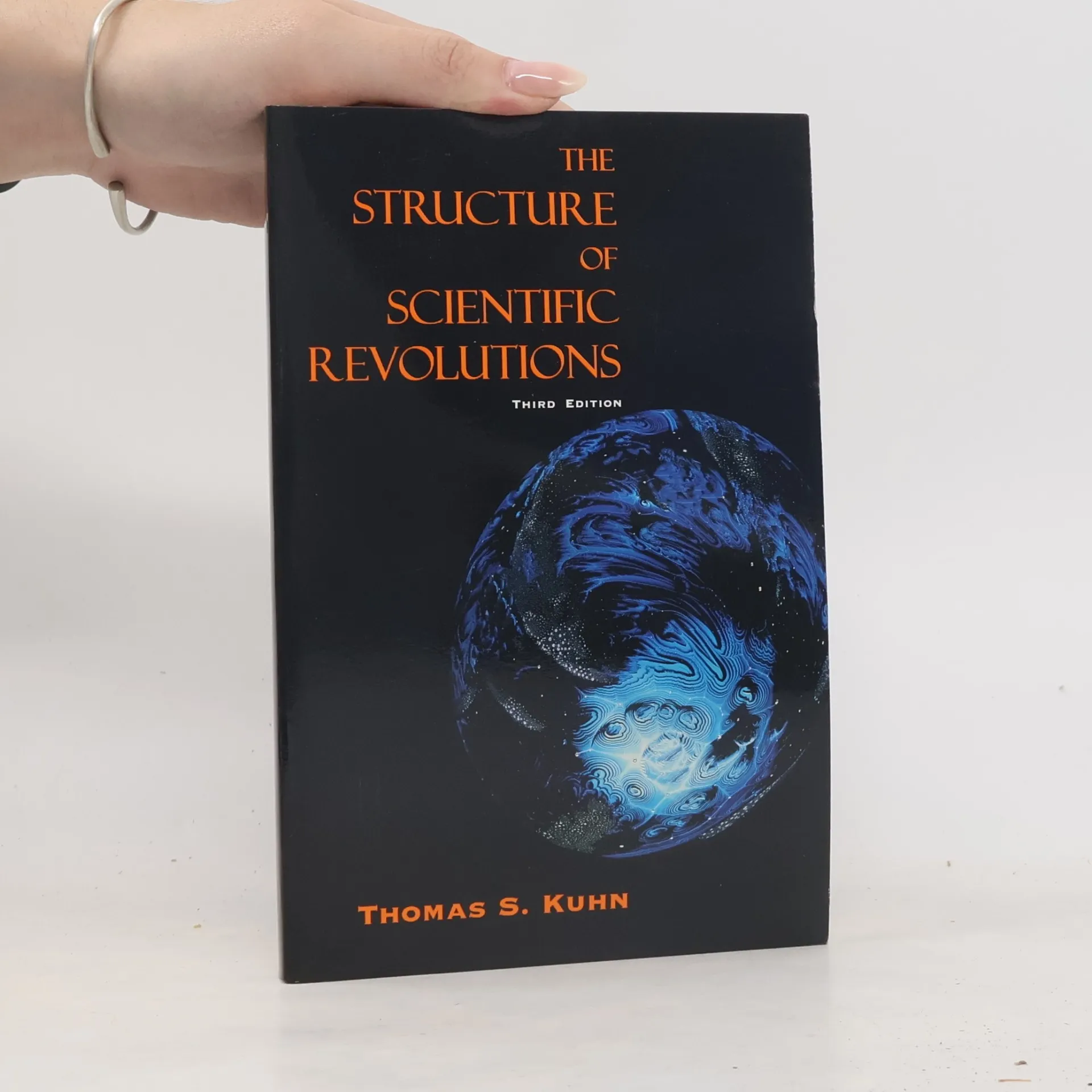
    The structure of scientific revolutions
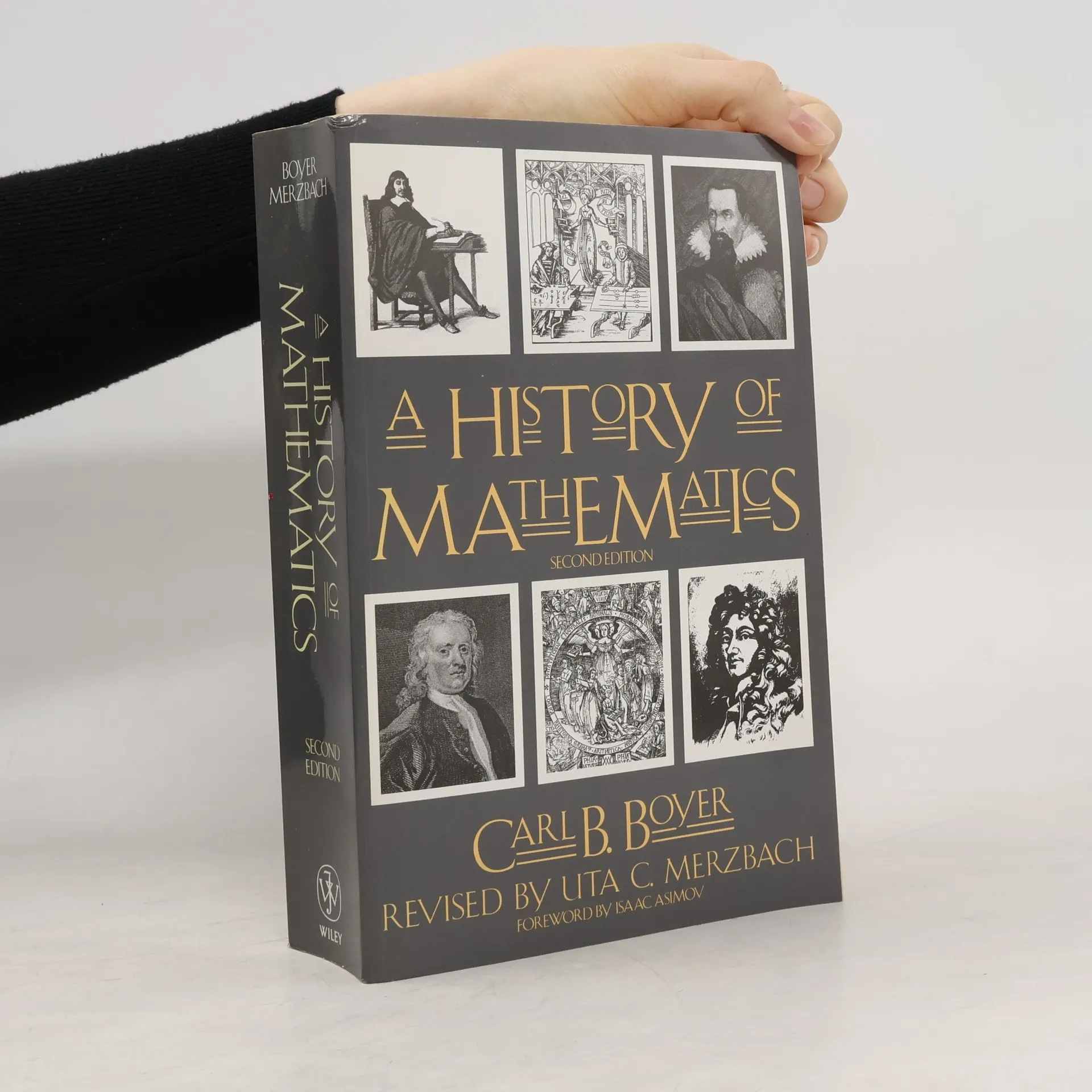
    A history of mathematics
    • A good book can change our worldview, but a great book becomes part of our consciousness, influencing our thoughts to the point where we forget its original provocations. The Structure of Scientific Revolutions exemplifies this. Since its 1962 publication, it has remained a pivotal work in the history and philosophy of science, offering enduring lessons. Kuhn challenged traditional linear views of scientific progress, asserting that transformative ideas emerge not from gradual experimentation but from revolutionary moments that disrupt established thinking. He termed this process "normal science." Despite being written in an era dominated by physics, Kuhn's insights on how scientific revolutions address accumulating anomalies in research remain relevant today, especially in the biotech field. This new edition features an insightful introduction by Ian Hacking, which clarifies key concepts like paradigm and incommensurability, applying Kuhn’s ideas to contemporary science. Hacking’s introduction, aligned with the book's sections, provides essential background and context. With a fresh design and an expanded index, this edition is poised to engage a new generation of readers eager to explore the evolution of scientific perspectives.

      The structure of scientific revolutions2009
      4.0
    • Boyer and Merzbach distill thousands of years of mathematics into a captivating chronicle, showcasing brilliant mathematics and a distinguished cast of characters. They trace the development of European mathematics while also acknowledging the significant contributions from Chinese, Indian, and Arabic civilizations. This work stands as a classic one-volume history of mathematics and the mathematicians behind it. The authors present a mounting structure of knowledge, with a solid foundation dating back to Thales' early geometrical theorems nearly 26 centuries ago. It is regarded as one of the most useful and comprehensive general introductions to the subject. Both readable and scholarly, it serves as an excellent introduction and reference source. Revised for accessibility, the text vividly illustrates humankind's relationship with numbers and includes broadened coverage of twentieth-century advances in probability and computing. Additionally, it features an appendix with an extensive chronological table of mathematical and historical developments, appealing to a wide range of readers.

      A history of mathematics1990
      4.1