

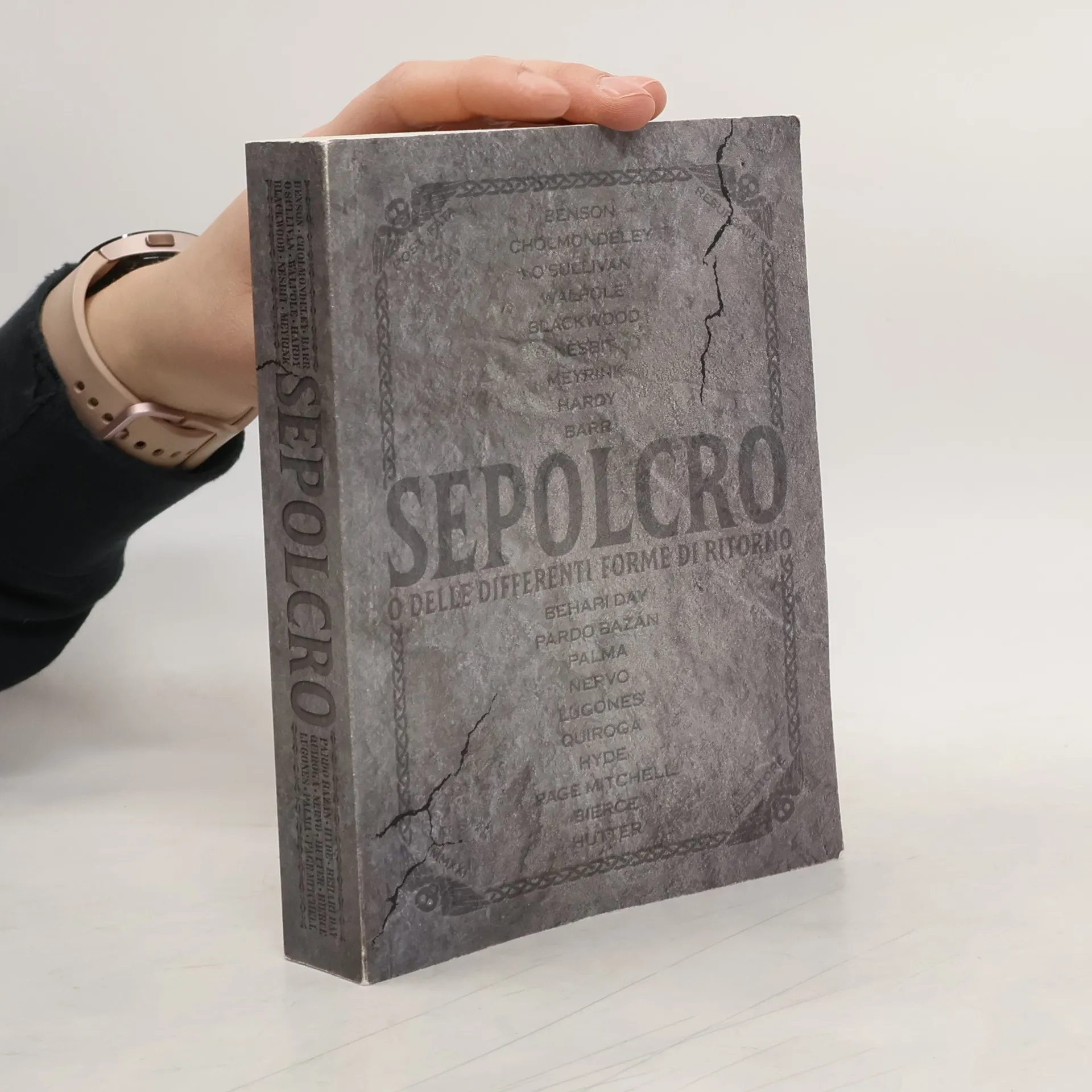
Sepolcro o delle differenti forme di ritorno
- 416 pages
- 15 hours of reading
Come spesso accade, gli incontri più interessanti e sorprendenti avvengono tra mondi lontani, o che addirittura il sentimento comune vorrebbe rimanessero del tutto separati. Quantomai appropriato, in questo contesto, appare l’incontro di universi antipodici quali la Vita e la Morte. Ma non sempre questi confini sono stati rigidi tanto quanto ci appaiono ora; prima che la spinta illuminista uniformasse il concetto di mortalità basandosi su principi di razionalità scientifica a discapito di una più oscura superstizione, era opinione relativamente comune che la Morte non fosse necessariamente la fine degli affari mondani.Dall’inizio del XIX secolo una delle poche certezze della Vita era che la Morte non poteva che essere considerata definitiva; la letteratura non poteva certo rimanere indifferente all'influenza di questa prospettiva, reagendo quindi attraverso la narrativa fantastica, che diventa dunque occasione per sfuggire alla nettezza di questi confini, guidata forse subconsciamente dall’atavica attrazione per ciò che risiede oltre ogni confine, anche quello apparentemente più invalicabile.Insomma, questo è un percorso che inizia dalla Fine, il cui viaggio non è l’andata ma il Ritorno, e che quasi sempre abbatte quella che è considerata una delle più solide certezze della ragione, ovvero il confine - quantomai fosco - tra la Vita e la Morte.