
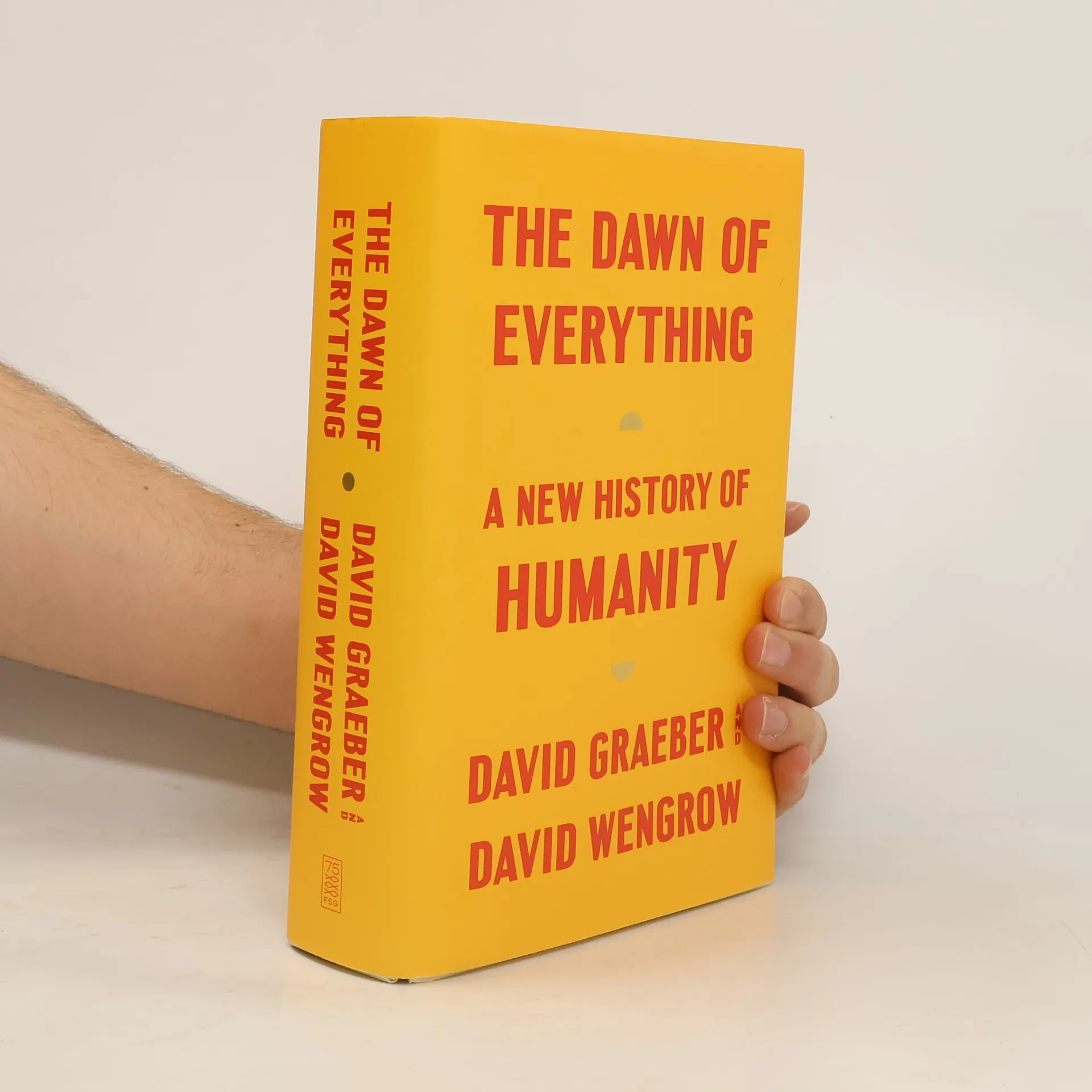
For generations, our ancestors have been portrayed as either primitive and childlike or as free and equal, leading to the belief that civilization could only be achieved through sacrificing original freedoms or taming our instincts. The authors reveal how these theories emerged in the eighteenth century as responses to indigenous critiques of European society and argue against their validity. They challenge conventional views of human history, including the origins of farming, property, cities, democracy, slavery, and civilization itself. Utilizing groundbreaking research in archaeology and anthropology, they illustrate how history becomes more intriguing when we recognize what truly exists. If humans did not spend 95 percent of their evolutionary past as hunter-gatherers, what were they engaged in? If agriculture and cities did not lead to hierarchy and domination, what social and economic structures did they foster? The answers are often surprising, suggesting that history is less predetermined and more filled with possibilities than commonly believed. This work fundamentally reshapes our understanding of the human past and encourages the imagination of new forms of freedom and societal organization. It is a monumental exploration driven by curiosity, moral vision, and a belief in the power of direct action.
Bart Gravendaal Books


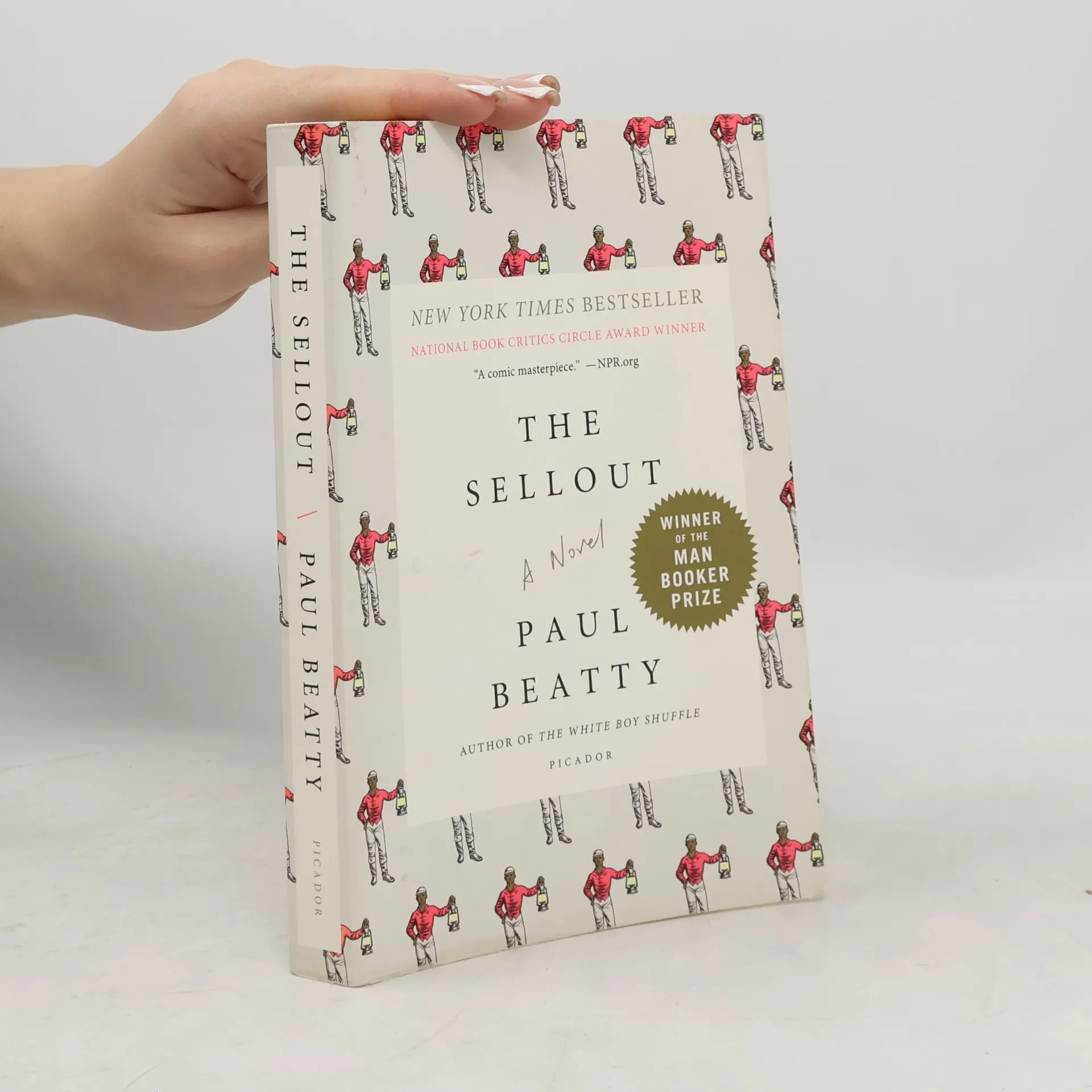
Raised in the "agrarian ghetto" of Dickens, on the southern outskirts of Los Angeles, the narrator of The Sellout resigned himself to the fate of lower-middle-class Californians: "I'd die in the same bedroom I'd grown up in, looking up at the cracks in the stucco ceiling that've been there since the '68 quake." Raised by a single father, a controversial sociologist, he spent his childhood as the subject in racially charged psychological studies. He is led to believe that his father's pioneering work will result in a memoir that will solve his family's financial woes. But when his father is killed in a police shoot-out, he realizes there never was a memoir. All that's left is the bill for a drive-thru funeral. Fuelled by this deceit and the general disrepair of his hometown, the narrator sets out to right another wrong: Dickens has literally been removed from the map to save California further embarrassment. Enlisting the help of the town's most famous resident--the last surviving Little Rascal, Hominy Jenkins, he initiates the most extreme action conceivable: reinstating slavery and segregating the local high school, which lands him in front of the Supreme Court.