A direct and fundamentally optimistic indictment of the short-sightedness and intellectual arrogance that has characterized much of urban planning in this century, The Death and Life of Great American Cities has, since its first publication in 1961, become the standard against which all endeavors in that field are measured. In prose of outstanding immediacy, Jane Jacobs writes about what makes streets safe or unsafe; about what constitutes a neighborhood, and what function it serves within the larger organism of the city; about why some neighborhoods remain impoverished while others regenerate themselves. She writes about the salutary role of funeral parlors and tenement windows, the dangers of too much development money and too little diversity. Compassionate, bracingly indignant, and always keenly detailed, Jane Jacobs's monumental work provides an essential framework for assessing the vitality of all cities.
Maarten Polman Books
Why Be Happy When You Could Be Normal?
- 230 pages
- 9 hours of reading
In 1985 Jeanette Winterson's first novel, Oranges Are Not the Only Fruit, was published. It was Jeanette's version of the story of a terraced house in Accrington, an adopted child, and the thwarted giantess Mrs Winterson. It was a cover story, a painful past written over and repainted. It was a story of survival. This book is that story's the silent twin. It is full of hurt and humour and a fierce love of life. It is about the pursuit of happiness, about lessons in love, the search for a mother and a journey into madness and out again. It is generous, honest and true.
Lower River
- 323 pages
- 12 hours of reading
Ellis Hock never believed that he would return to Africa. He runs an old-fashioned menswear store in a small town in Massachusetts but still dreams of his Eden, the four years he spent in Malawi with the Peace Corps, cut short when he had to return to take over the family business. When his wife leaves him, and he is on his own, he realizes that there is one place for him to go: back to his village in Malawi, on the remote Lower River, where he can be happy again. Arriving at the dusty village, he finds it transformed: the school he built is a ruin, the church and clinic are gone, and poverty and apathy have set in among the people. They remember him--the White Man with no fear of snakes--and welcome him. But is his new life, his journey back, an escape or a trap? Interweaving memory and desire, hope and despair, salvation and damnation, this is a hypnotic, compelling, and brilliant return to a terrain about which no one has ever written better than Theroux.
In this, her first collection of short stories, Winterson reveals all the facets of her extraordinary imagination. In prose that is full of imagery and word-play, she creates physical and psychological worlds that are at once familiar and yet shockingly s
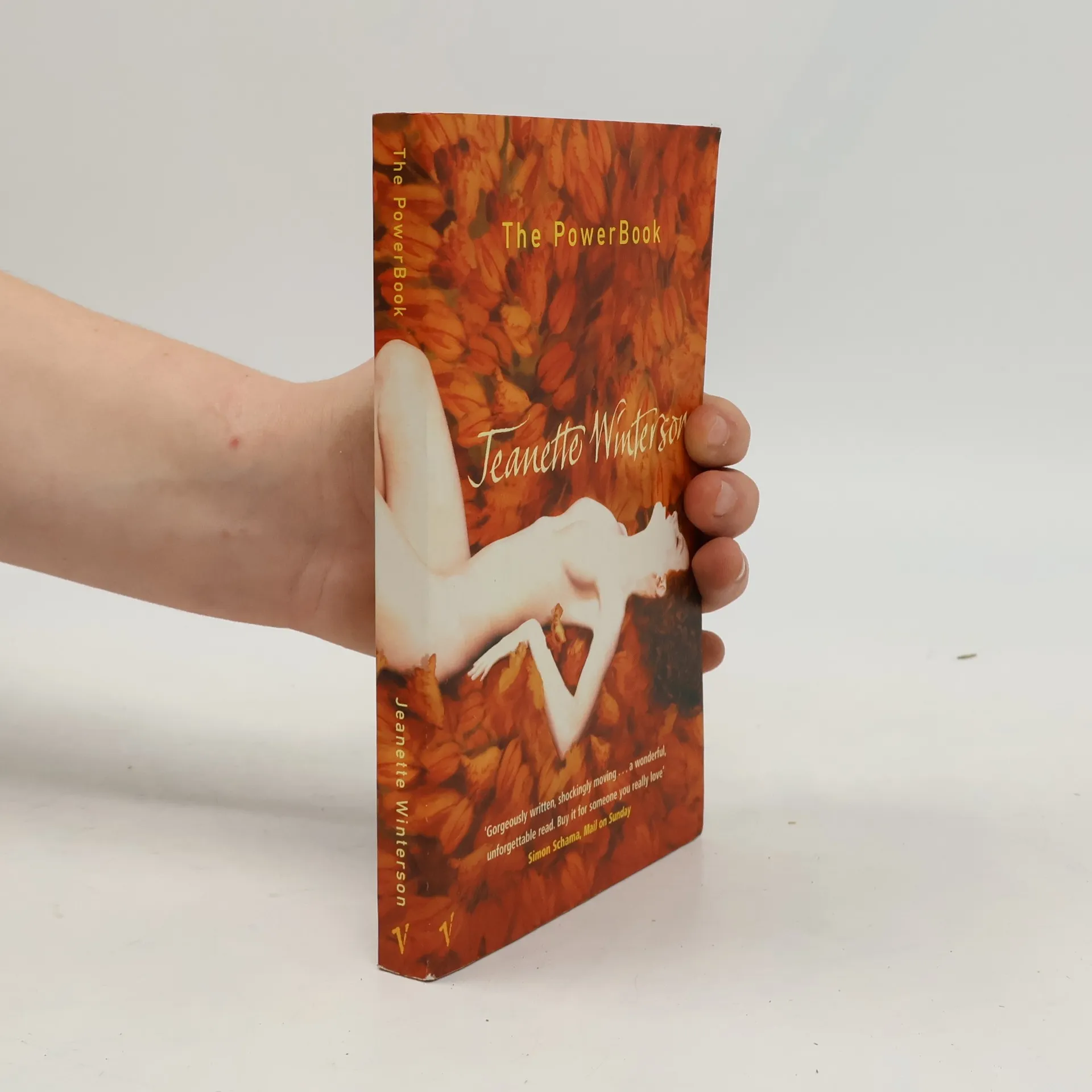
To avoid discovery I stay on the run. To discover things for myself, I stay on the run. "The PowerBook" is twenty-first century fiction that uses past, present and future as shifting dimensions of a multiple reality. The story is simple. An e-writer called Ali or Alix will write to order anything you like, provided that you are prepared to enter the story as yourself and take the risk of leaving it as someone else. You can be the hero of your own life. You can have freedom just for one night. But there is a price. Ali discovers that she too will have to pay it. Death can take the body but not the heart. Set in London, Paris, Capri and Cyberspace, this is a book that reinvents itself as it travels. Using cover-versions, fairy tales, contemporary myths and popular culture, "The PowerBook" works at the intersection between the real and the imagined. Its territory is you.
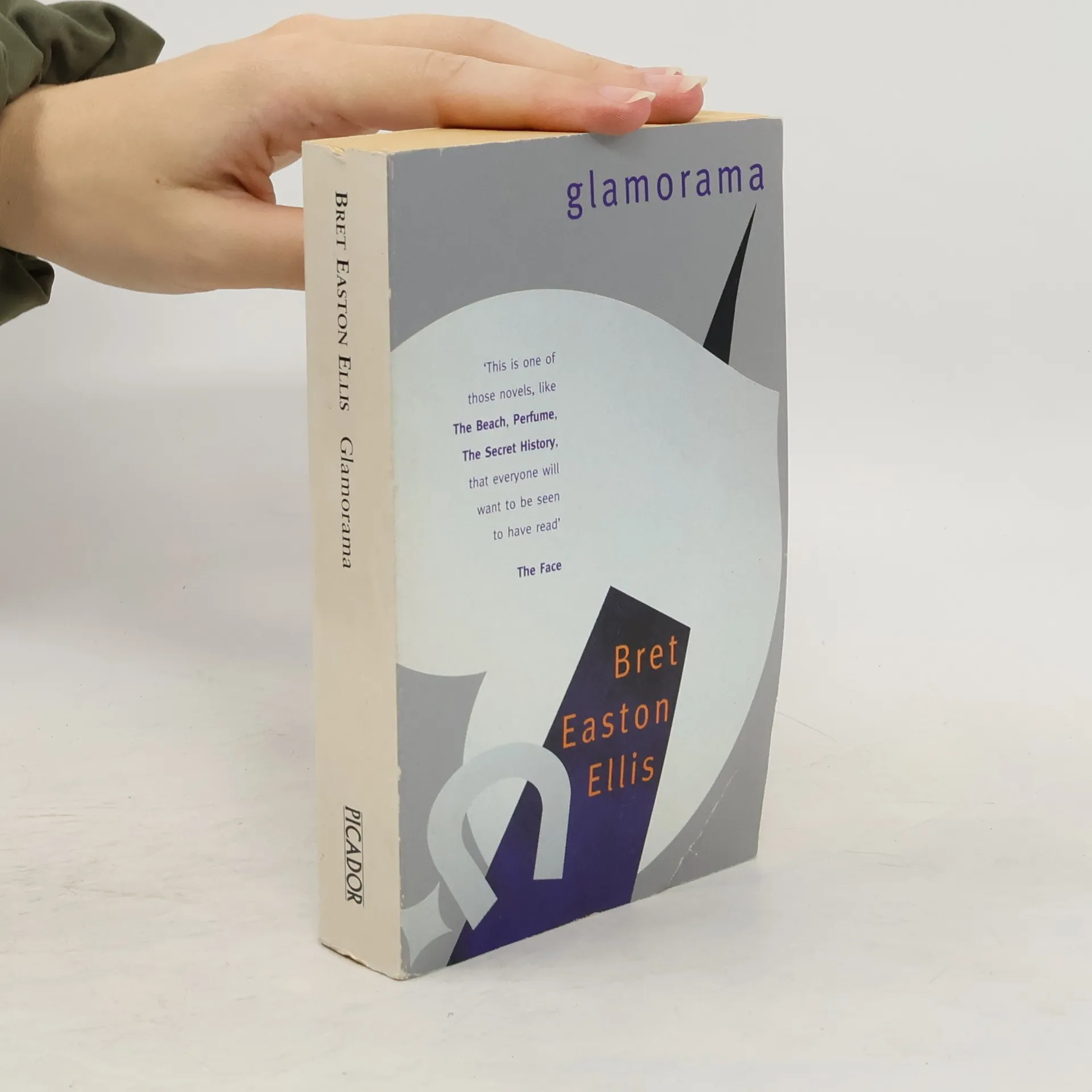
The author of American Psycho and Less Than Zero continues to shock and haunt us with his incisive and brilliant dissection of the modern world.In his most ambitious and gripping book yet, Bret Easton Ellis takes our celebrity obsessed culture and increases the volume exponentially. Set in 90s Manhattan, Victor Ward, a model with perfect abs and all the right friends, is seen and photographed everywhere, even in places he hasn't been and with people he doesn't know. He's living with one beautiful model and having an affair with another onthe eve of opening the trendiest nightclub in New York City history.And now it's time to move to the next stage. But the future he gets is not the one he had in mind. With the same deft satire and savage wit he has brought to his other fiction, Bret Ellis gets beyond the facade and introduces us, unsparingly, to what we always feared was behind it. Glamorama shows us a shadowy looking-glass reality, the juncture where fame and fashion and terror and mayhem meet and then begin to resemble the familiar surface of our lives."
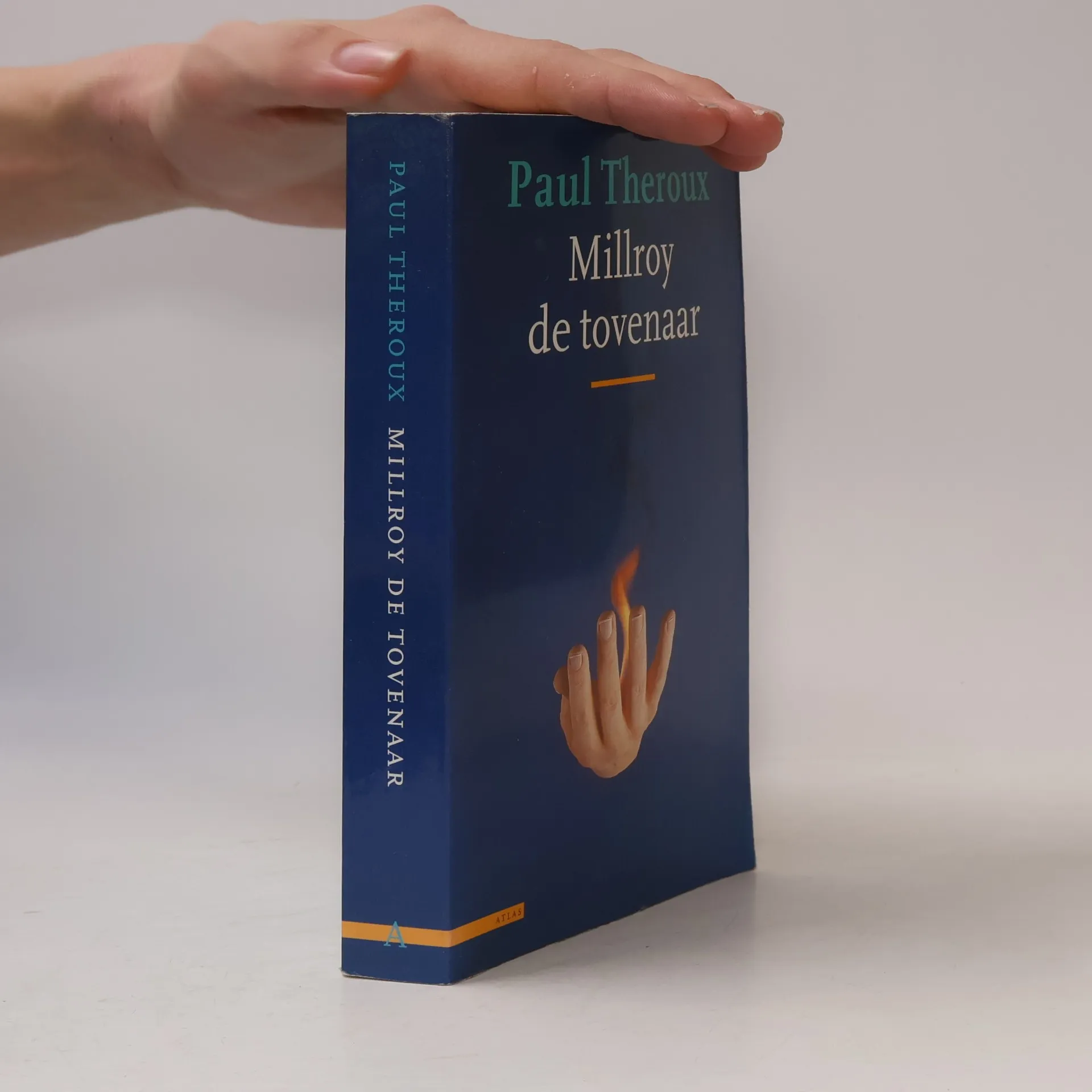
Milroy de tovenaar
- 487 pages
- 18 hours of reading
Geïnspireerd door een jong meisje ontwikkelt een goochelaar zich tot tovenaar en wonderdoener, wiens leer is gebaseerd op de bijbel en vegetarisch voedsel.
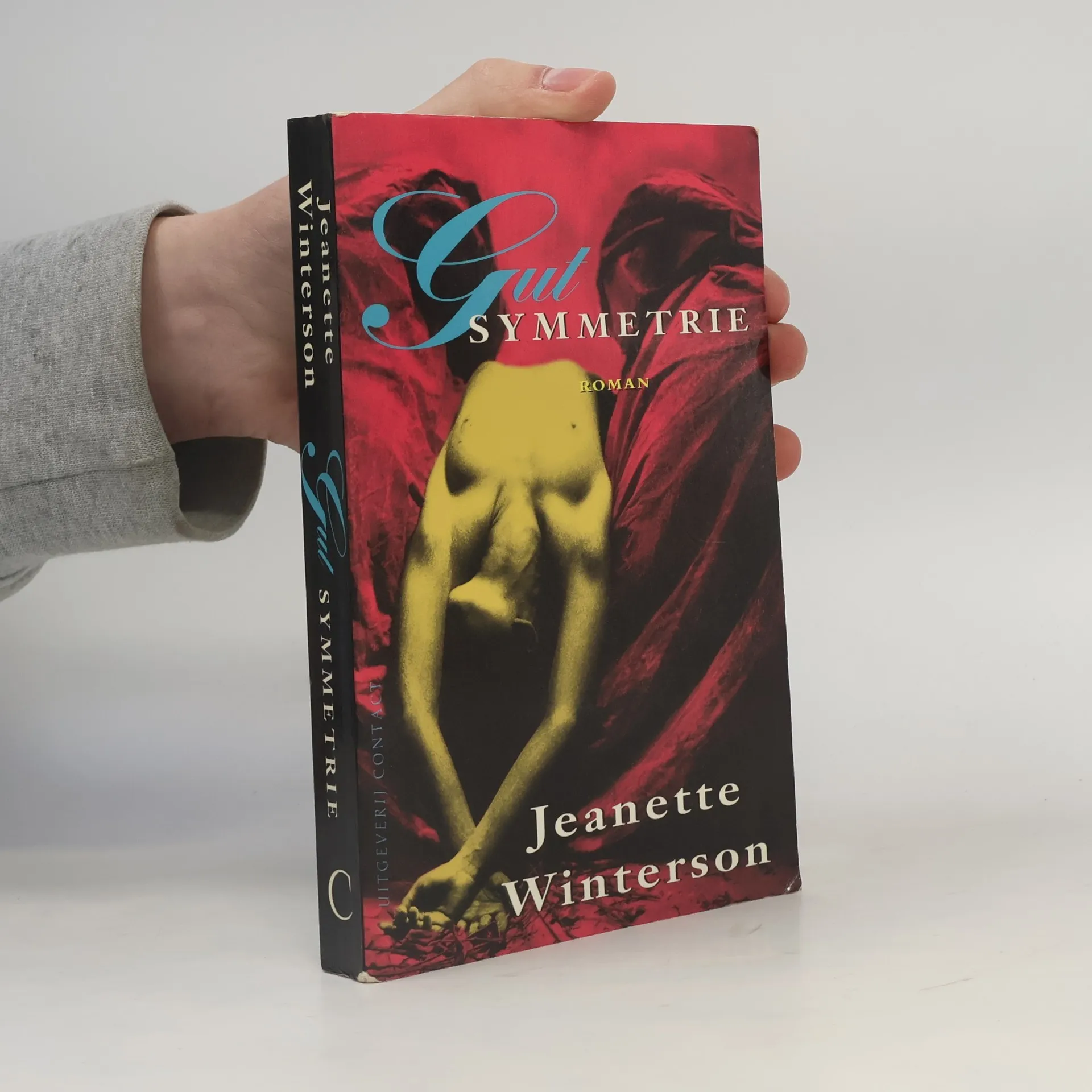
De levens van en de driehoeksverhouding tussen een Engelse vrouwelijke natuurkundige en een Amerikaanse natuurkundige en zijn vrouw worden verbonden met theorieën en ideeën over ruimte, tijd en materie.