Explore the latest books of this year!
Bookbot

Shirah Lachmann

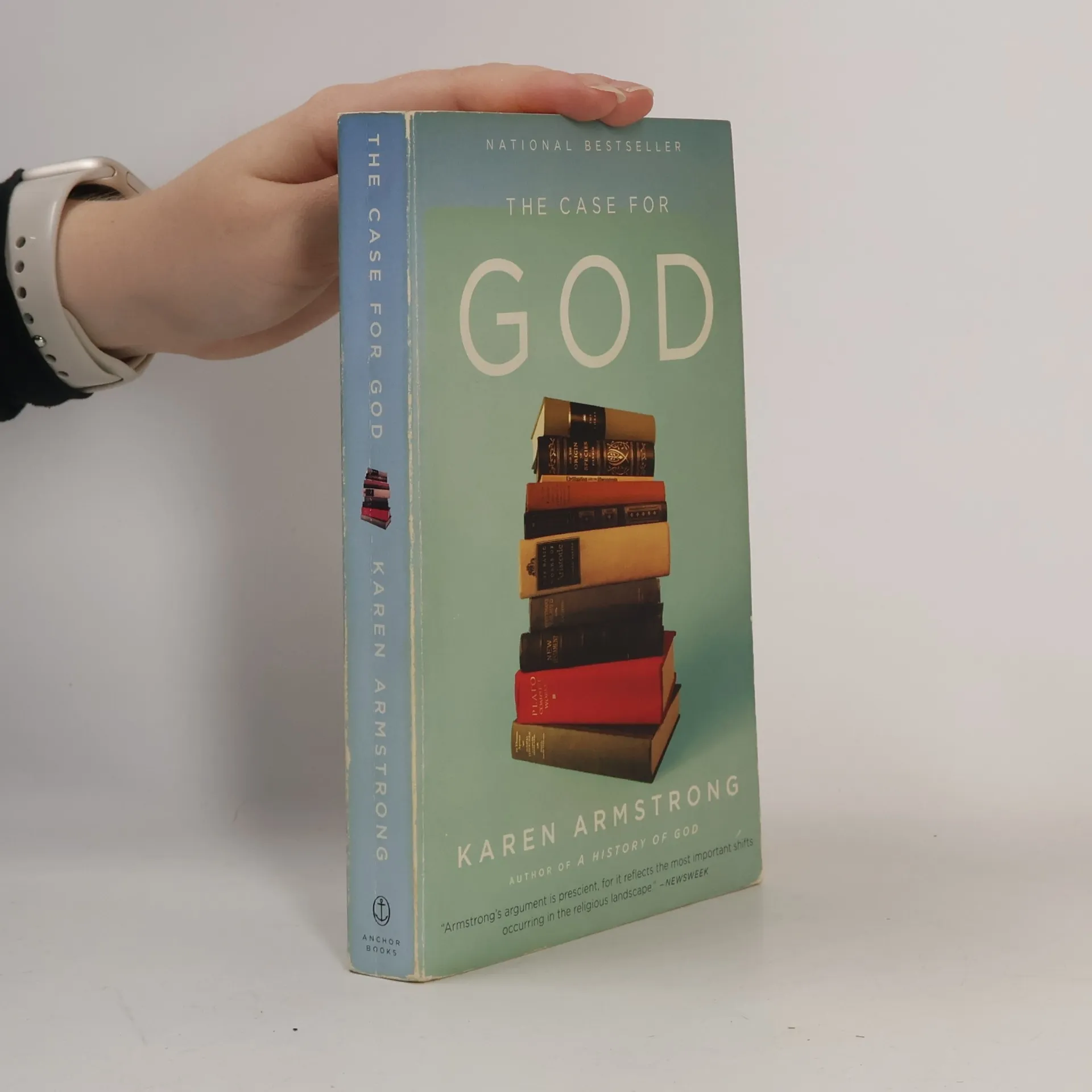
    The Case for God
    Islam
    • Islam

      A Short History

      One of the world's foremost commentators on religious affairs on the history (and destiny) of the world's most misunderstood religion. In the public mind, Islam is a religion of extremes: it is the world's fastest growing faith; more than three-quarters of the world's refugees are Islamic; it has produced government by authoritarian monarchies in Saudi Arabia and ultra-republicans in Iran. Whether we are reading about civil war in Algeria or Afghanistan, the struggle for the soul of Turkey, or political turmoil in Pakistan or Malaysia, the Islamic context permeates all these situations. Karen Armstrong's elegant and concise book traces how Islam grew from the other religions of the book, Judaism and Christianity; introduces us to the character of Muhammed; and demonstrates that for much of its history, the religion has been a force for enlightenment that promoted liberties for women and allowed the arts and sciences to flourish. ISLAM shows how this progressive legacy is today often set aside as the faith struggles to come to terms with the economic and political weakness of most of its believers and with the forces of modernity itself.

      Islam
      4.1
    • The Case for God

      • 432 pages
      • 16 hours of reading

      This work offers a nuanced exploration of the role of religion in human life, drawing on historical insights to address the needs of our polarized age. From the Paleolithic era to the present, the author details humanity's quest for a sacred reality, referred to by various names such as God, Brahman, Nirvana, Allah, or Dao. While focusing primarily on Christianity, the discussion encompasses Judaism, Islam, Buddhism, Hinduism, and Chinese spiritualities, examining the declining impulse toward religion today, where many either reject God or question faith's relevance. The text poses critical questions about why God has become unbelievable and how contemporary views on divinity differ from those of our ancestors. With depth and insight, the author illustrates how the changing world has altered the significance of religion for individuals and society. She emphasizes that religion is not meant to provide answers that human reason can address; that is the role of logos. Instead, religion's purpose is to help us navigate complex realities creatively and peacefully. Furthermore, it is presented as a practical discipline, requiring dedicated intellectual effort and a compassionate lifestyle to transcend self-centeredness.

      The Case for God
      3.9