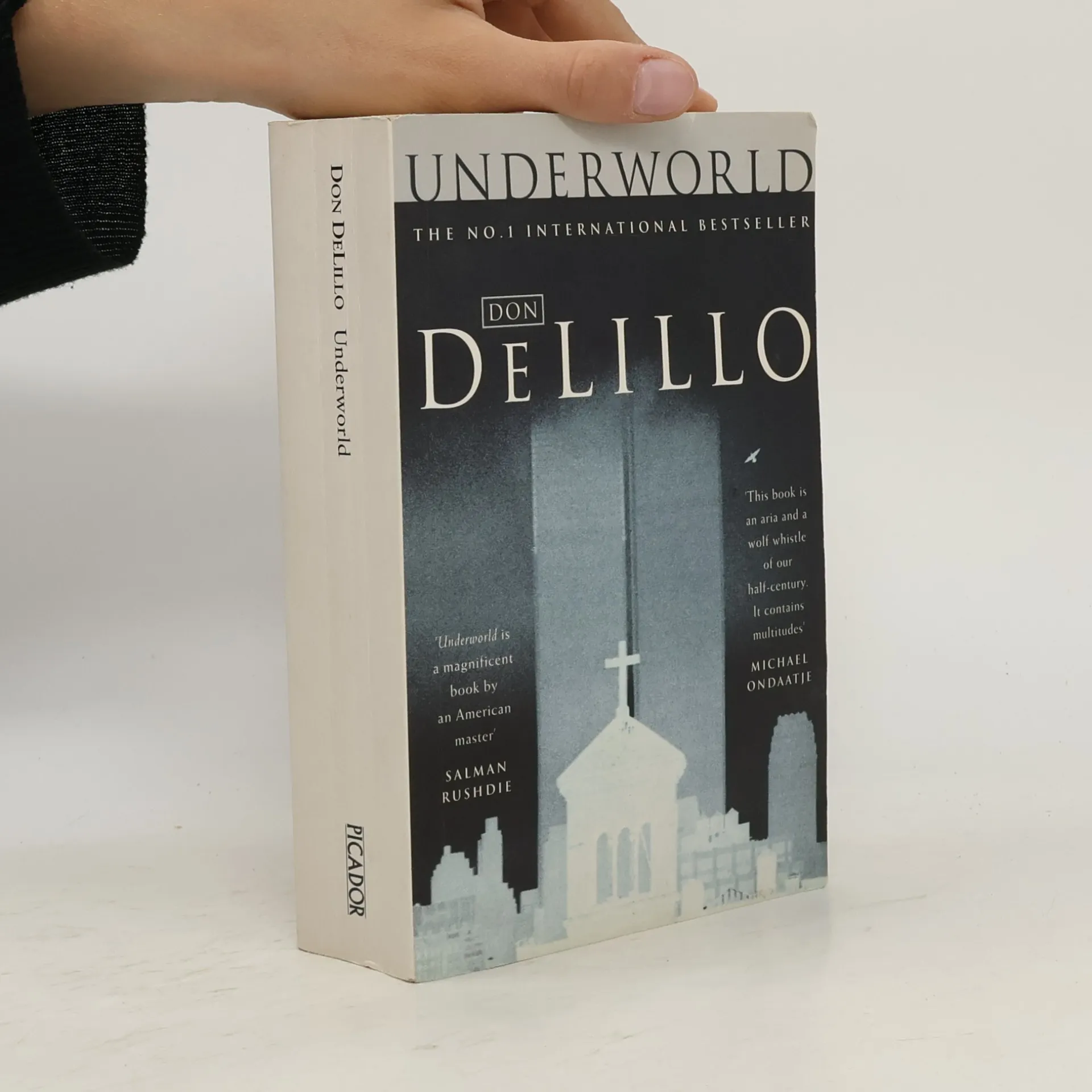
Opens at the Shea Stadium at the World Series Game of 1951, where the ball is caught by a young, black man in the crowd, and continues to change hands throughout the book. The various recipients of the ball tell the story of post-war US history giving a panorama of America from the 50s to the 90s.
Harry Pallemans Books
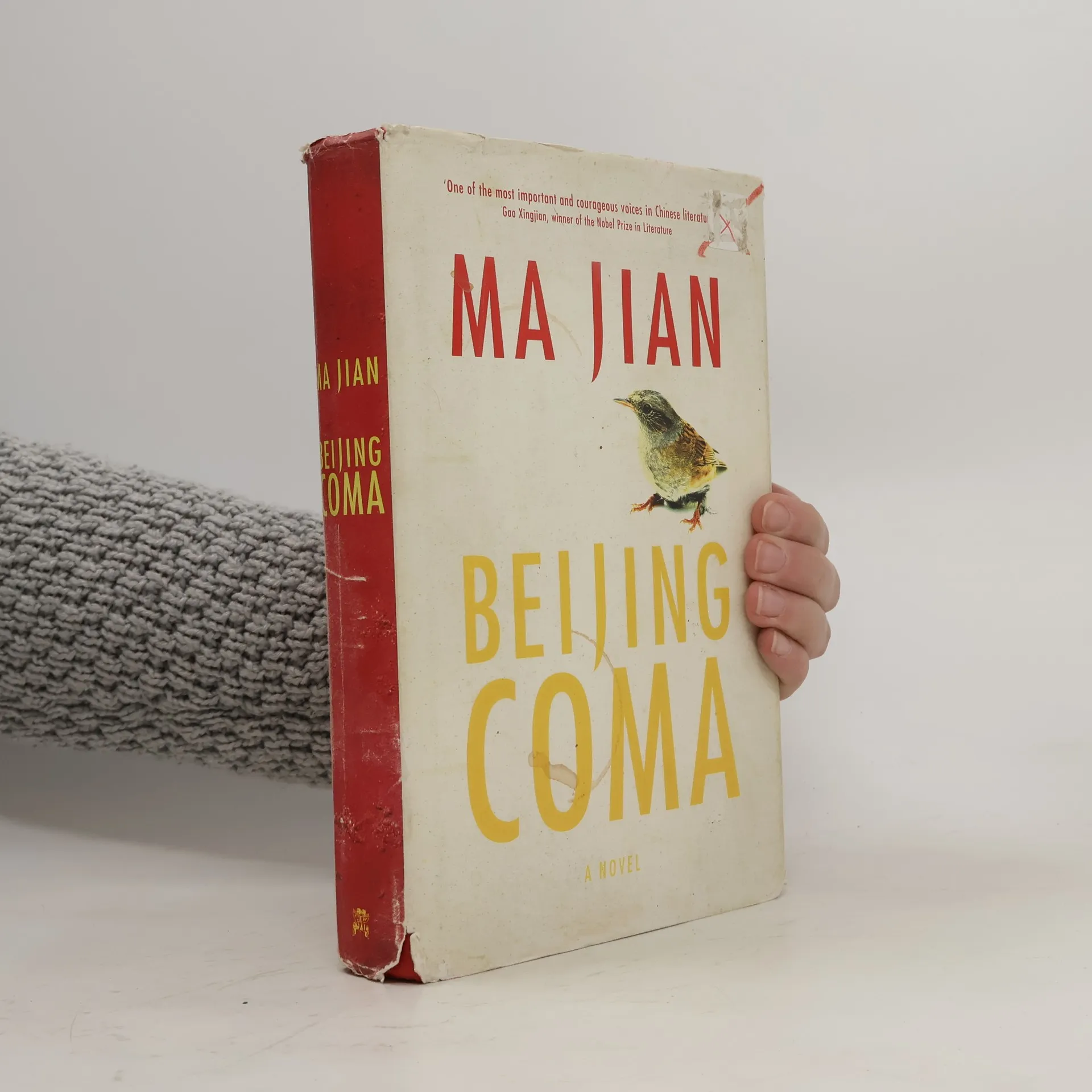
Beijing Coma
- 586 pages
- 21 hours of reading
Awakening after a decade of unconsciousness, former Tiananmen Square protester Dai Wei learns that his mother had sold one of his kidneys to finance his care, and that the China he knew has undergone radical change.
The Curious Incident of the Dog in the Night-time
- 260 pages
- 10 hours of reading
Despite his overwhelming fear of interacting with people, Christopher, a mathematically-gifted, autistic fifteen-year-old boy, decides to investigate the murder of a neighbor's dog and uncovers secret information about his mother.
Night Film
- 624 pages
- 22 hours of reading
Contemporary fiction. Cult horror director Stanislas Cordova hasn't been seen in public since 1971. To his fans he is an enigma. To journalist Scott McGrath he is the enemy. To Ashley he was a father. On a damp October night the young, beautiful Ashley Cordova is found dead in an abandoned warehouse in lower Manhattan.
The names
- 339 pages
- 12 hours of reading
Set against the backdrop of a lush and exotic Greece, The Names is considered the book which began to drive "sharply upward the size of his readership" (Los Angeles Times Book Review). Among the cast of DeLillo's bizarre yet fully realized characters in The Names are Kathryn, the narrator's estranged wife; their son, the six-year-old novelist; Owen, the scientist; and the neurotic narrator obsessed with his own neuroses. A thriller, a mystery, and still a moving examination of family, loss, and the amorphous and magical potential of language itself, The Names stands with any of DeLillo's more recent and highly acclaimed works. "The Names not only accurately reflects a portion of our contemporary world but, more importantly, an original world of its own is created."--Chicago Sun-Times"DeLillo sifts experience through simultaneous grids of science and poetry, analysis and clear sight, to make a high-wire prose that is voluptuously stark."--Village Voice Literary Supplement"DeLillo verbally examines every state of consciousness from eroticism to tourism, from the idea of America as conceived by the rest of the world, to the idea of the rest of the world as conceived by America, from mysticism to fanaticism."--New York Times
At fifty-seven, George is settling down to a comfortable retirement, building a shed in his garden, reading historical novels, listening to a bit of light jazz. Then Katie, his tempestuous daughter, announces that she is getting remarried, to Ray. Her family is not pleased - as her brother Jamie observes, Ray has 'strangler's hands'. Katie can't decide if she loves Ray, or loves the way he cares for her son Jacob, and her mother Jean is a bit put out by the way the wedding planning gets in the way of her affair with one of her husband's former colleagues. And the tidy and pleasant life Jamie has created crumbles when he fails to invite his lover, Tony, to the dreaded nuptials. Unnoticed in the uproar, George discovers a sinister lesion on his hip, and quietly begins to lose his mind.
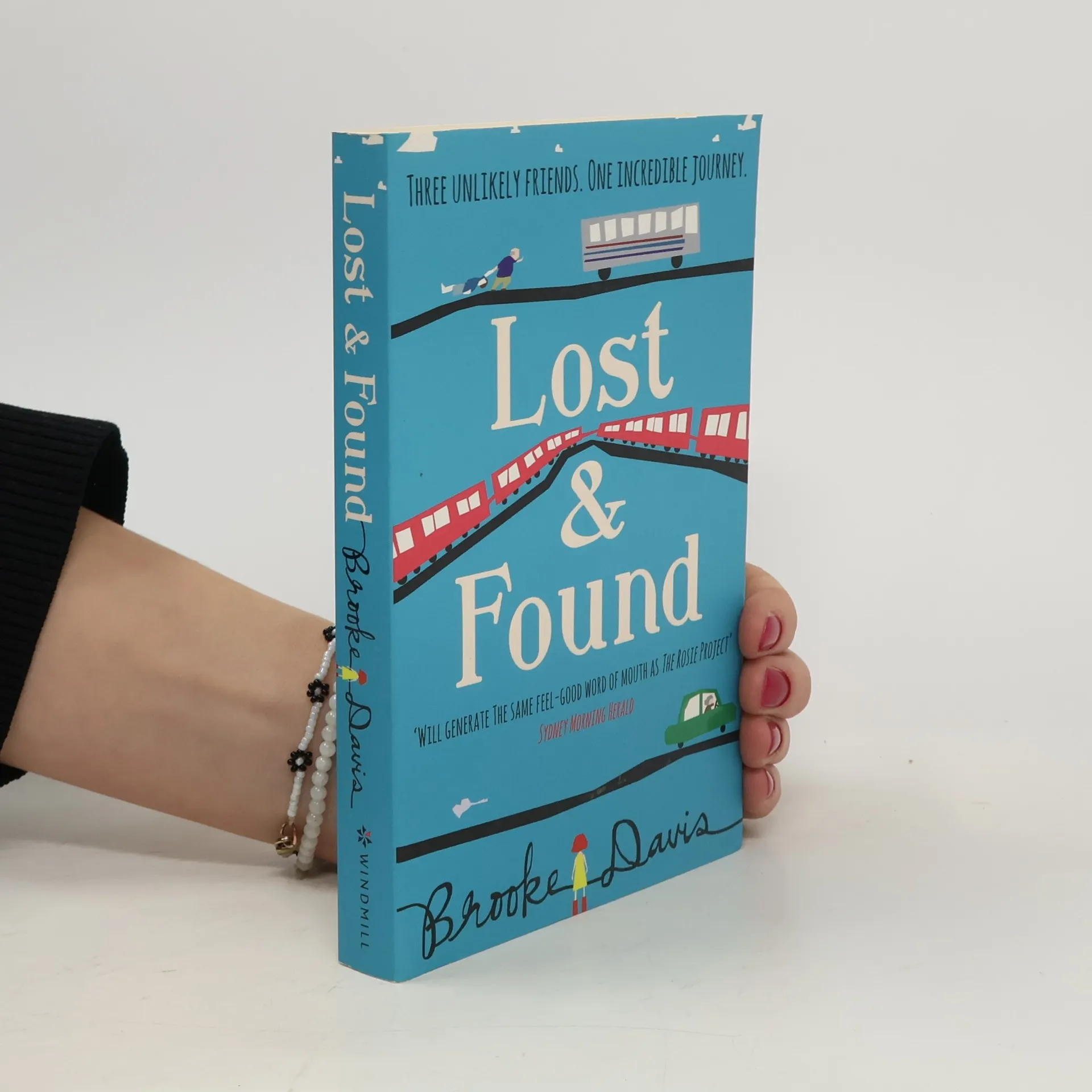
‘If you liked Rachel Joyce's The Unlikely Pilgrimage of Harold Fry, you'll like this’ Metro‘Will generate the same feel-good word of mouth as last year’s bestseller, The Rosie Project’ Sydney Morning HeraldMillie Bird is seven-years-old. On a shopping trip with her mum, Millie is left alone beneath the Ginormous Women’s underwear rack in a department store. Her mum never returns.Agatha Pantha is eighty-two and hasn’t left home since her husband died. Instead, she fills the silence by yelling at passers-by, watching loud static on TV, and maintaining a strict daily schedule. Until the day Agatha spies a little girl across the street.Karl the Touch Typist is eighty-seven and in a nursing home. He remembers how he once typed love letters with his fingers on to his wife’s skin. Now widowed, he knows that somehow he must find a way for life to begin again. In a moment of clarity, he escapes.Together, Millie, Agatha and Karl set out to find Millie’s mum. And along the way, they will discover that the young can be wise, that old age is not the same as death, and that breaking the rules once in a while might just be the key to a happy life.
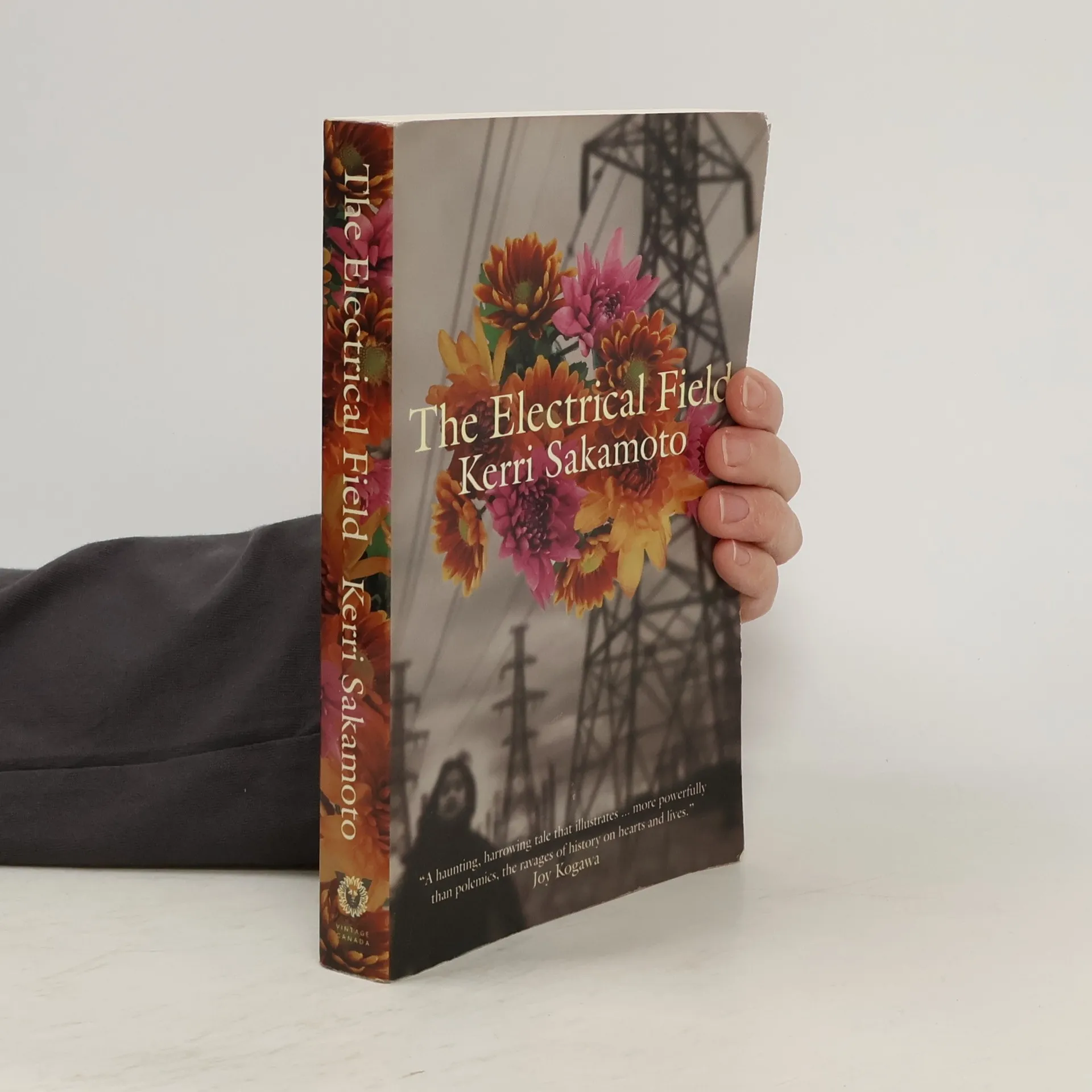
The Electrical Field
- 320 pages
- 12 hours of reading
When the beautiful Chisako and her lover are found murdered in a park, members of the small Ontario community must finally acknowledge certain inescapable truths. Set in the 1970s, The Electrical Field reaches deep into the past to explore the dire legacy of the internment of Japanese-Canadians during the war.
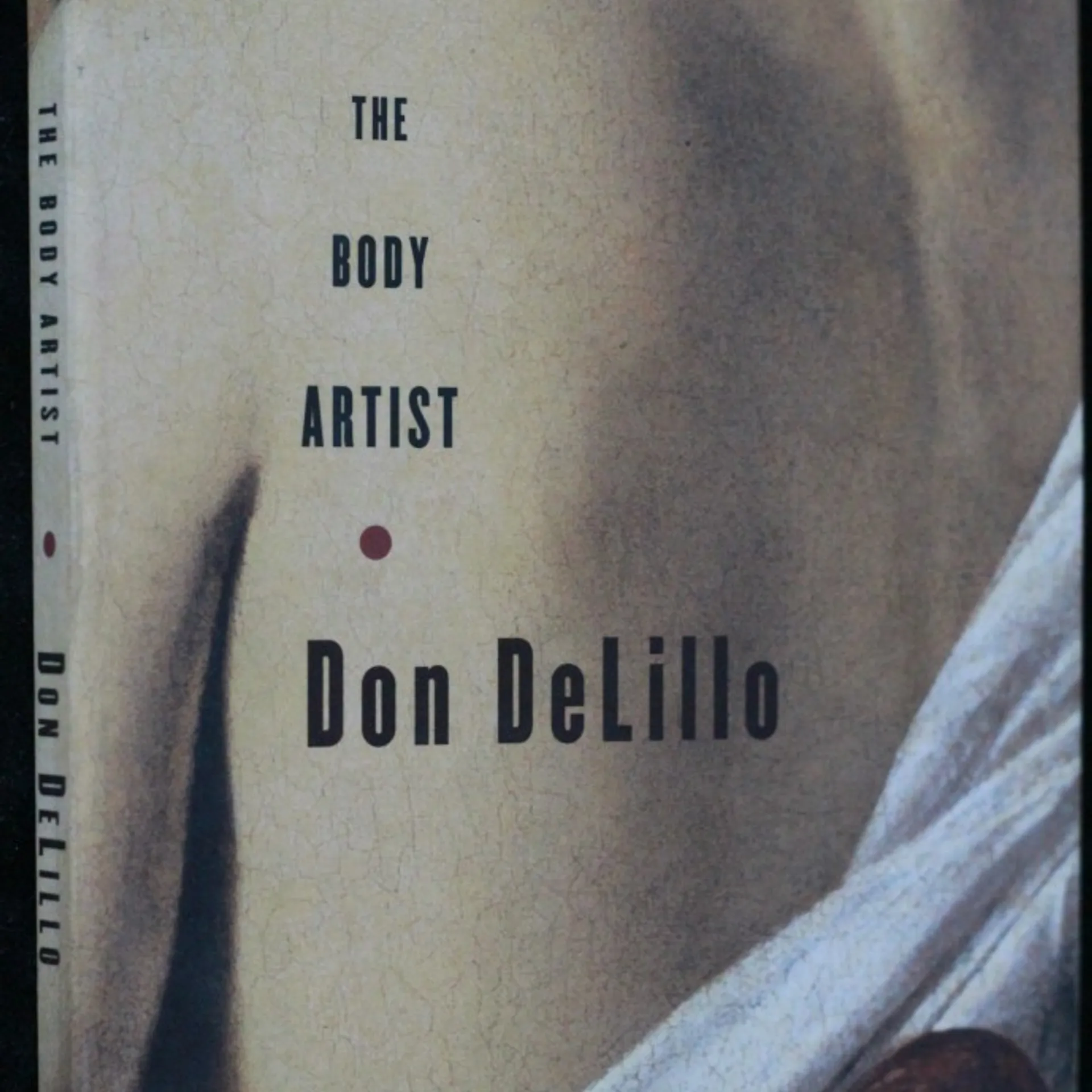
The Body Artist begins with normality: breakfast between a married couple, Lauren and Rey, in their ramshackle rented house on the New England coast. Recording their delicate, intimate, half-complete thoughts and words, Don DeLillo proves himself a stunningly unsentimental observer of our idiosyncratic relationships. But after breakfast, Rey makes a decision that leaves Lauren utterly alone, or seems to.As Lauren, the body artist of the title, becomes strangely detached from herself and the temporal world, the novel becomes an exploration of a highly abnormal grieving process; a fascinating exposé of 'who we are when we are not rehearsing who we are'; and a rarefied study of trauma and creativity, absence and presence, isolation and communion.
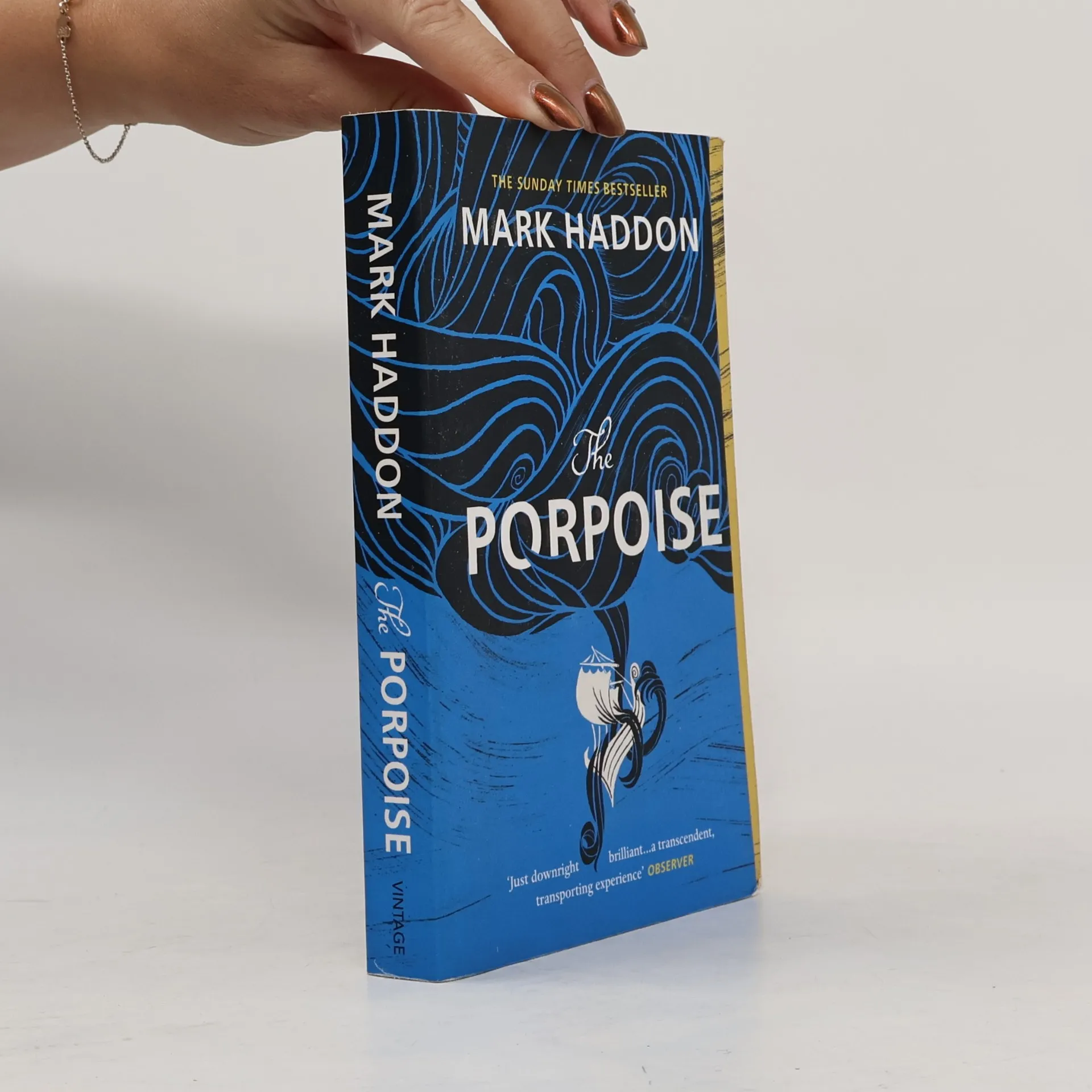
The Porpoise
- 336 pages
- 12 hours of reading
Her favourite tales are those that conjure ancient worlds - of angry gods and heroic mortals, one of whom will some day come to her rescue.Soon, she will forget where the page ends and her mind begins. 'A full-throttle blast of storytelling mastery' Max Porter
Mr Stone en het riddergenootschap
- 141 pages
- 5 hours of reading
Een onopvallende Engelsman besluit wat meer allure aan zijn leven te geven door de oprichting van een riddergenootschap.