Mirjam de Veth Book order (chronological)
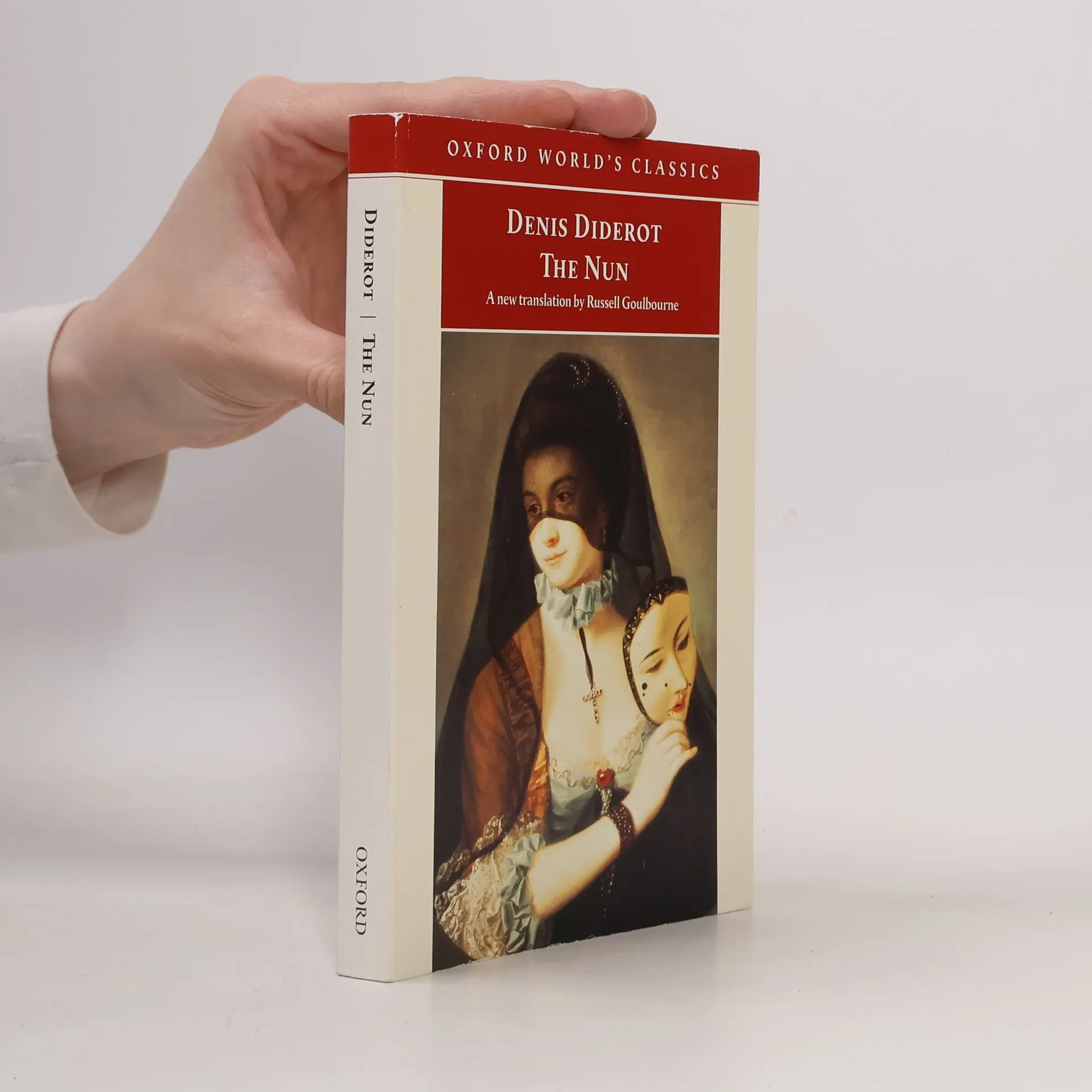
The Nun
- 234 pages
- 9 hours of reading
Diderot's The Nun (La Religieuse) is the seemingly true story of a young girl forced by her parents to enter a convent and take holy orders. A novel mingling mysticism, madness, sadistic cruelty and nascent sexuality, it gives a scathing insight into the effects of forced vocations and the unnatural life of the convent. A succès de scandale at the end of the eighteenth century, it has attracted and unsettled readers ever since. For Diderot's novel is not simply a story of a young girl with a bad habit; it is also a powerfully emblematic fable about oppression and intolerance.This new translation includes Diderot's all-important prefatory material, which he placed, disconcertingly, at the end of the novel, and which turns what otherwise seems like an exercise in realism into what is now regarded as a masterpiece of proto-modernist fiction.
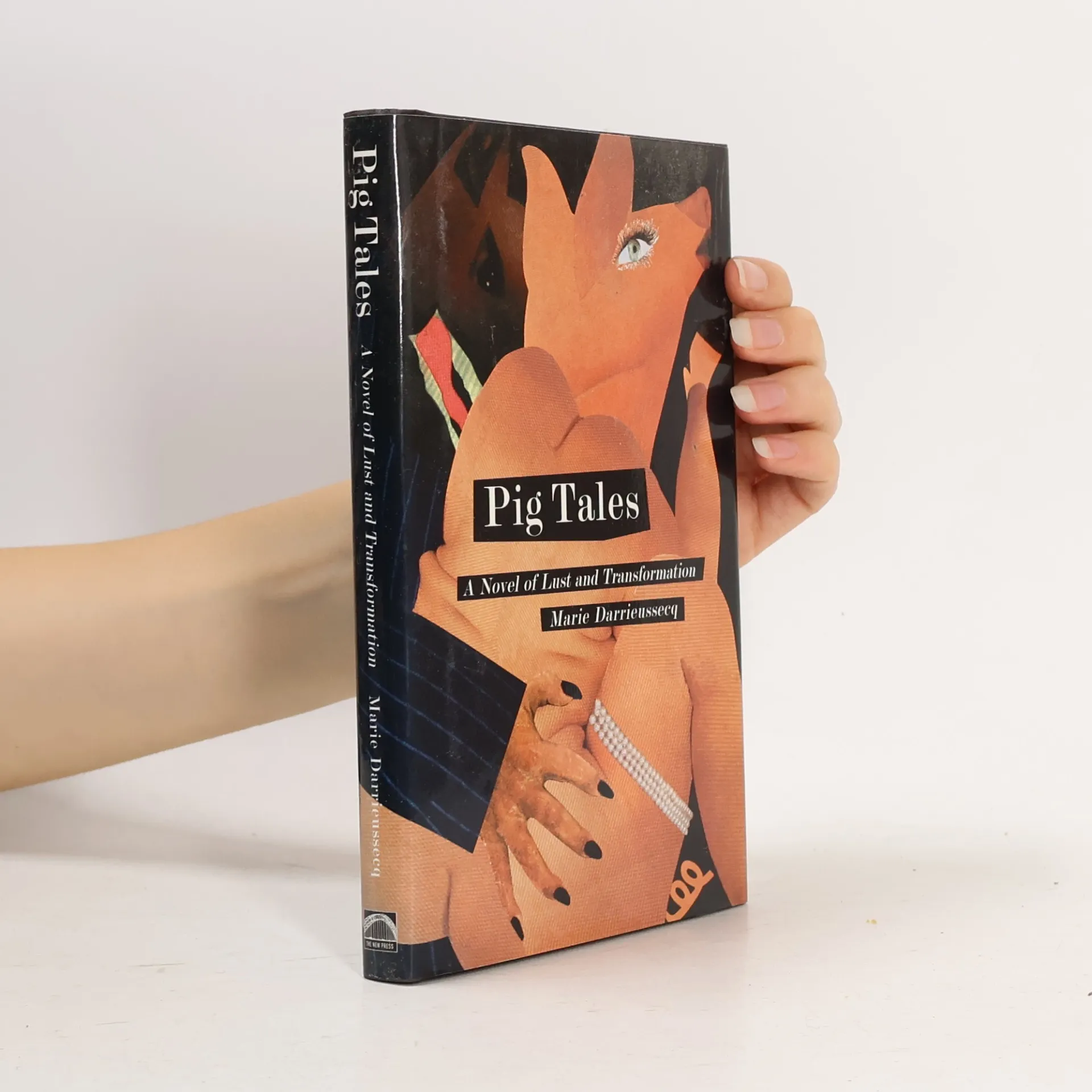
Pig Tales is the story of a young woman who lands a position at Perfumes Plus, a beauty boutique/“massage” parlor. She enjoys great success until she slowly metamorphoses into . . . a pig. What happens to her then overturns all our ideas about relationships between man, woman, and beast in a stunning feminist fable of political and sexual corruption.
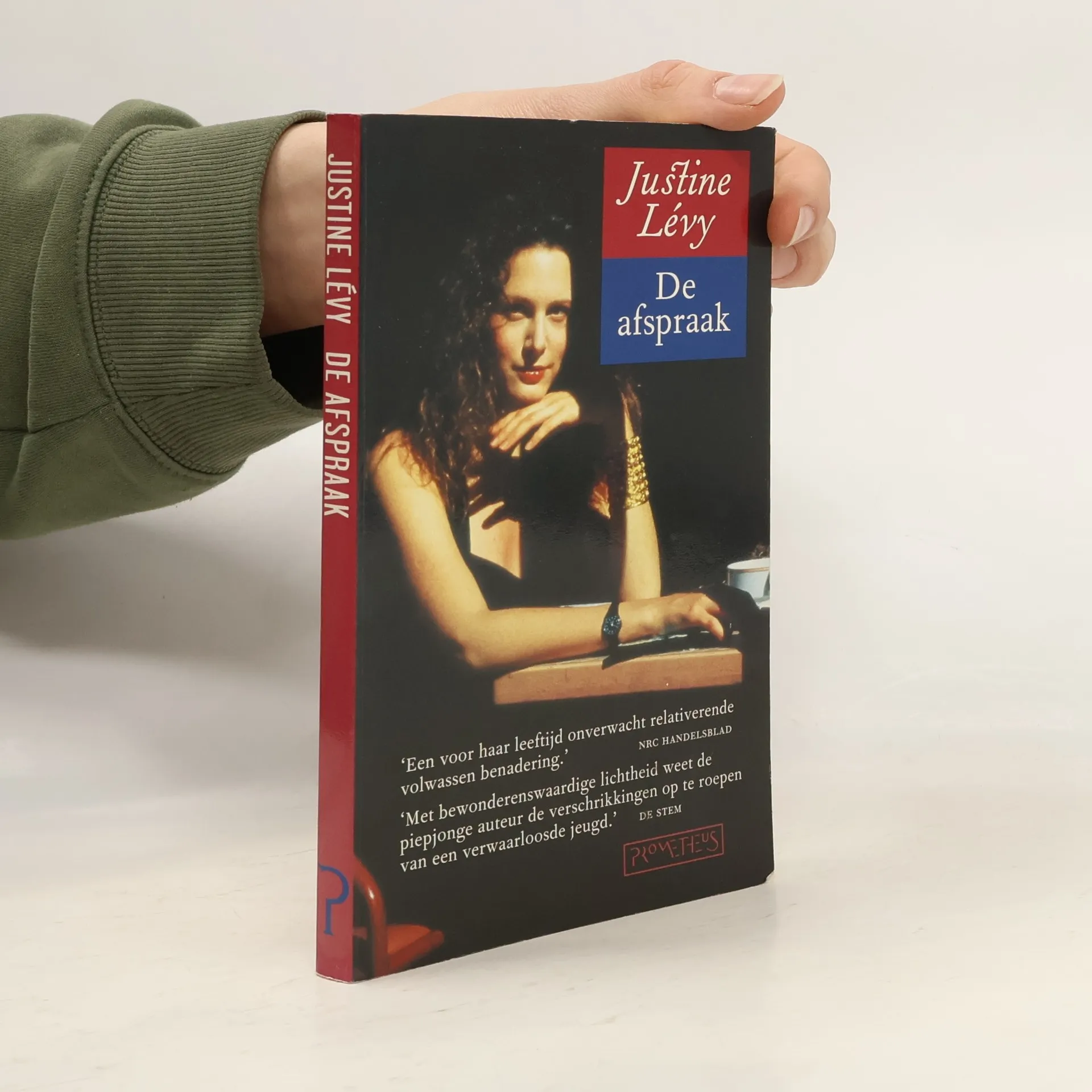
De afspraak
- 141 pages
- 5 hours of reading
Wanneer haar moeder niet komt opdagen op een afspraakje in een café in Parijs, komt de dochter tot een frappante conclusie.
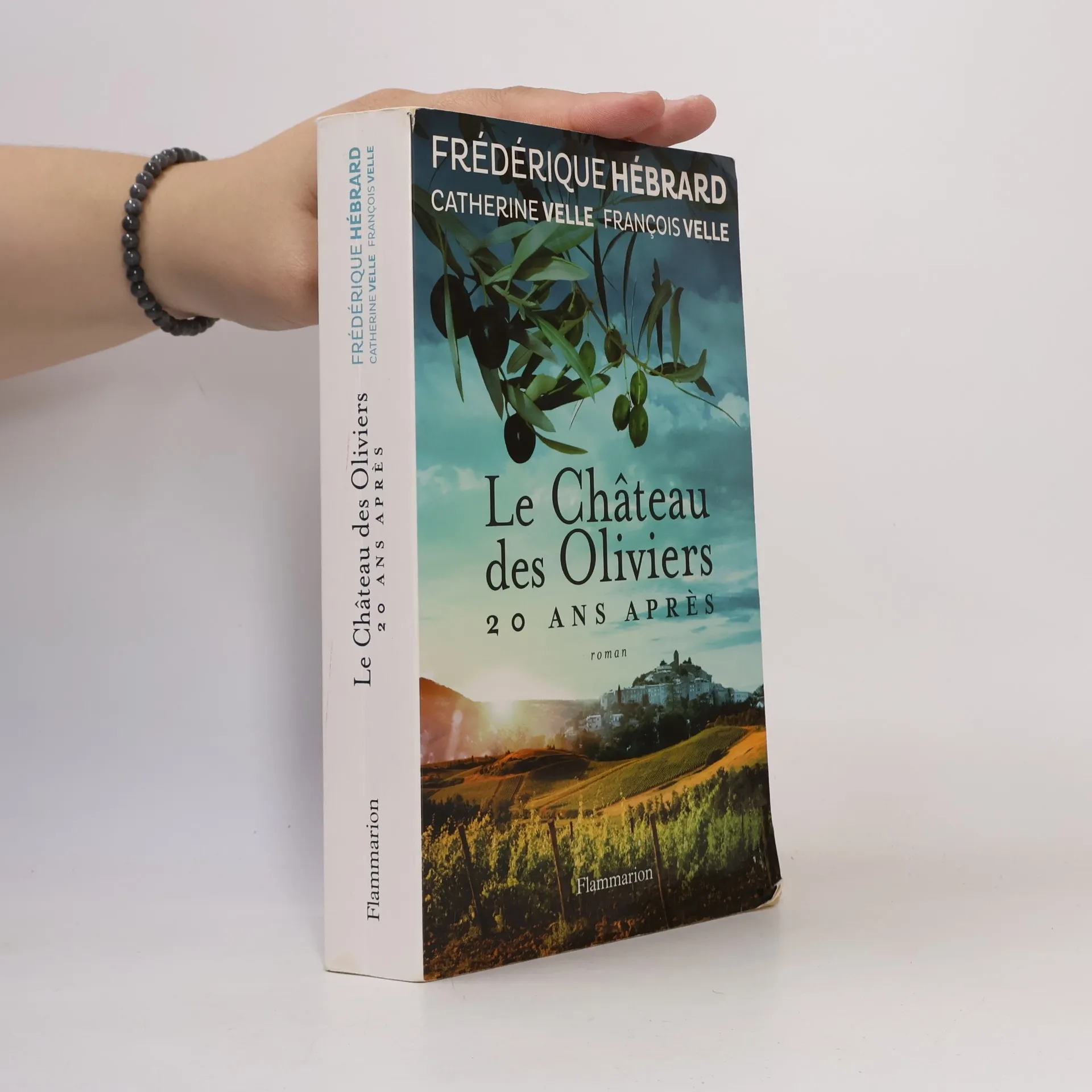
Le Château des oliviers 20 ans après
- 540 pages
- 19 hours of reading
Vous pensiez que tout était réglé au Château des Oliviers ? Détrompez-vous. Enfouis dans l'ombre de l'oubli, de lourds secrets cherchent la lumière, bientôt ils vont tout bouleverser autour d'eux. Pour le moment, Estelle Laborie est heureuse. Dans deux jours, toute la famille se réunit pour fêter les 20 ans de Bianca, l'aînée de ses petits-enfants, et pour assister à l'ouverture au public de la Villa Romaine que les dernières fouilles ont exhumée sur le domaine. Tout s'annonce donc pour le mieux. Mais les Dieux en ont décidé autrement. Confrontée au choc des générations, victime d'ennemis insoupçonnables, Estelle ignore encore qu'elle devra aussi faire face à ses plus anciens fantômes, car il faut d'abord rejoindre le Passé pour comprendre le Présent... 20 ans après son triomphe au petit écran et en librairie, Le Château des Oliviers, la saga culte de Frédérique Hébrard, est de retour, avec une suite inédite des aventures d'Estelle Laborie. Saveur supplémentaire, La Belle Romaine, coécrite avec deux de ses enfants, Catherine Velle, romancière, et François Velle, scénariste, confirme ses liens avec la Provence, sa tradition, ses mystères et ses sortilèges.
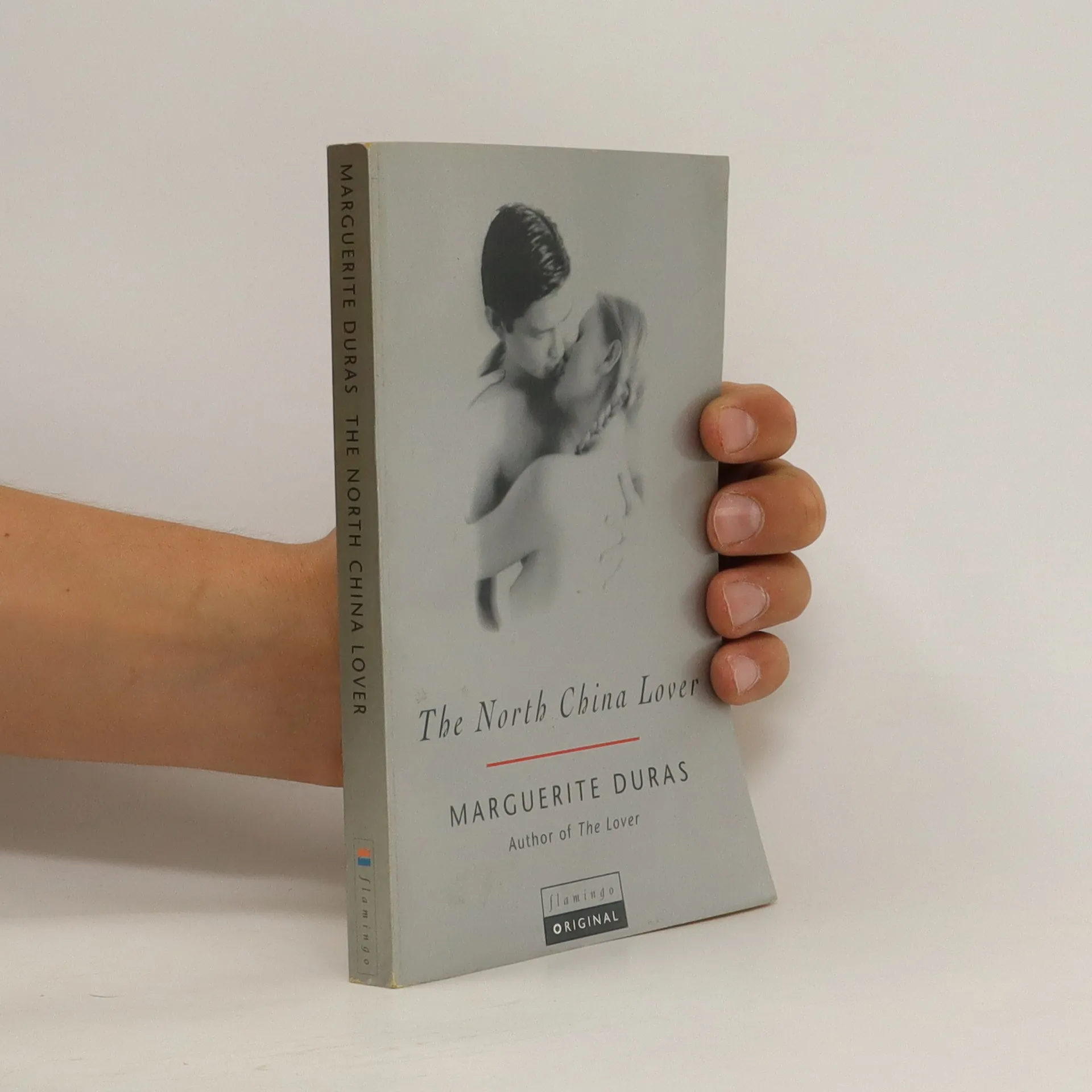
This novel is a retelling of the dramatic experiences of the author's adolescence that have shaped her life and work. It emphasizes the harsh realities of her youth in Indochina, revealing much that her earlier works concealed, from the humiliations of poverty to the sexual turmoil of adolescence.
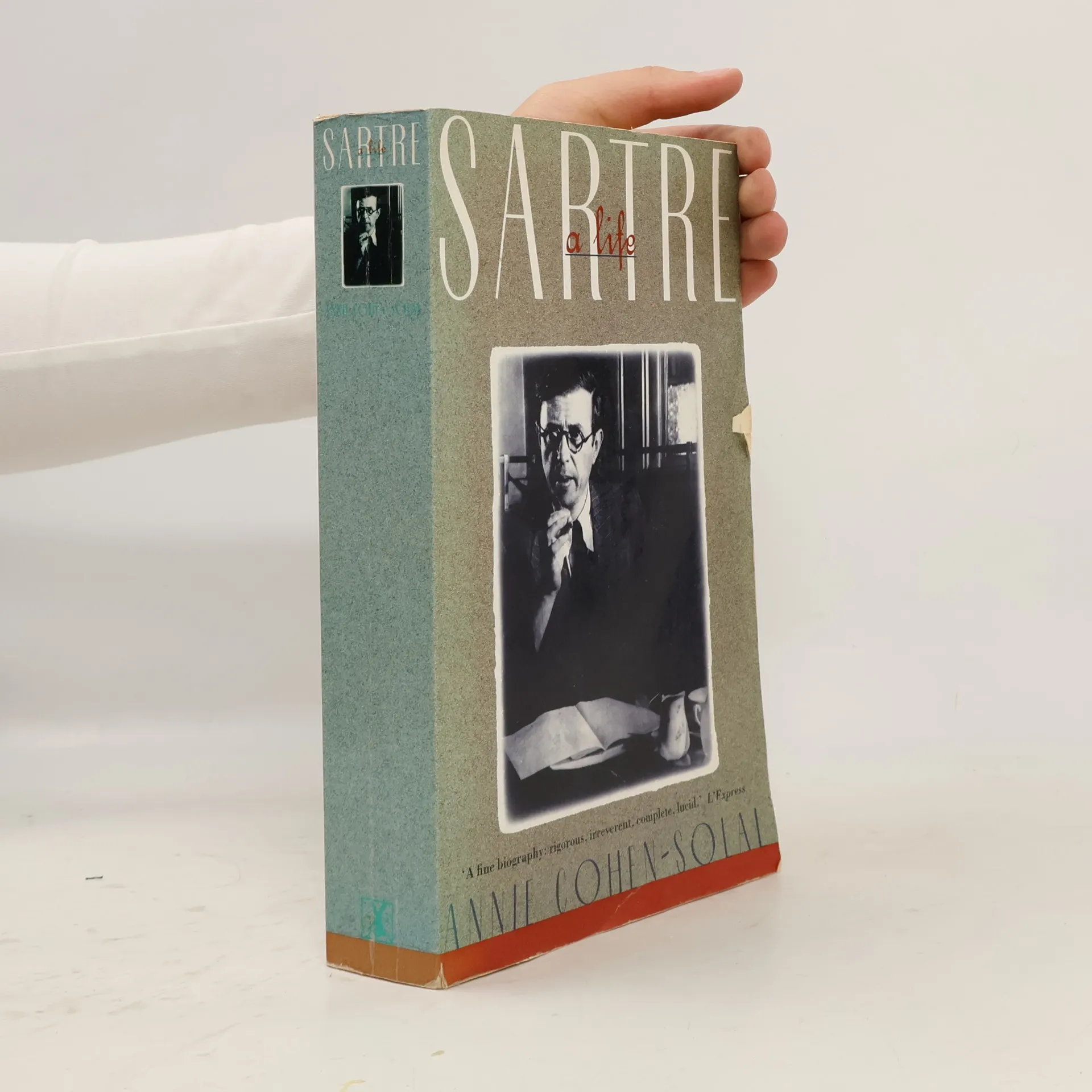
One of the major accomplishments of Cohen-Solal's book is not only to place Sartre in the context of history, but to reopen the question of his role and to reassess the full import of his literary and political accomplishments. Discovering untold aspects of Sartre's private and political life, Cohen-Solal weaves together all the elements of an exceptional career. From the description of his previously unknown father to the painful last moments of Sartre's own declining years, this is biography on the grandest scale.