The War of the End of the World
- 568 pages
- 20 hours of reading
An apocalyptic prophet in the Brazilian backlands creates the state of Canudos. In it there is no money, property, marriage, income tax, decimal system, or census.



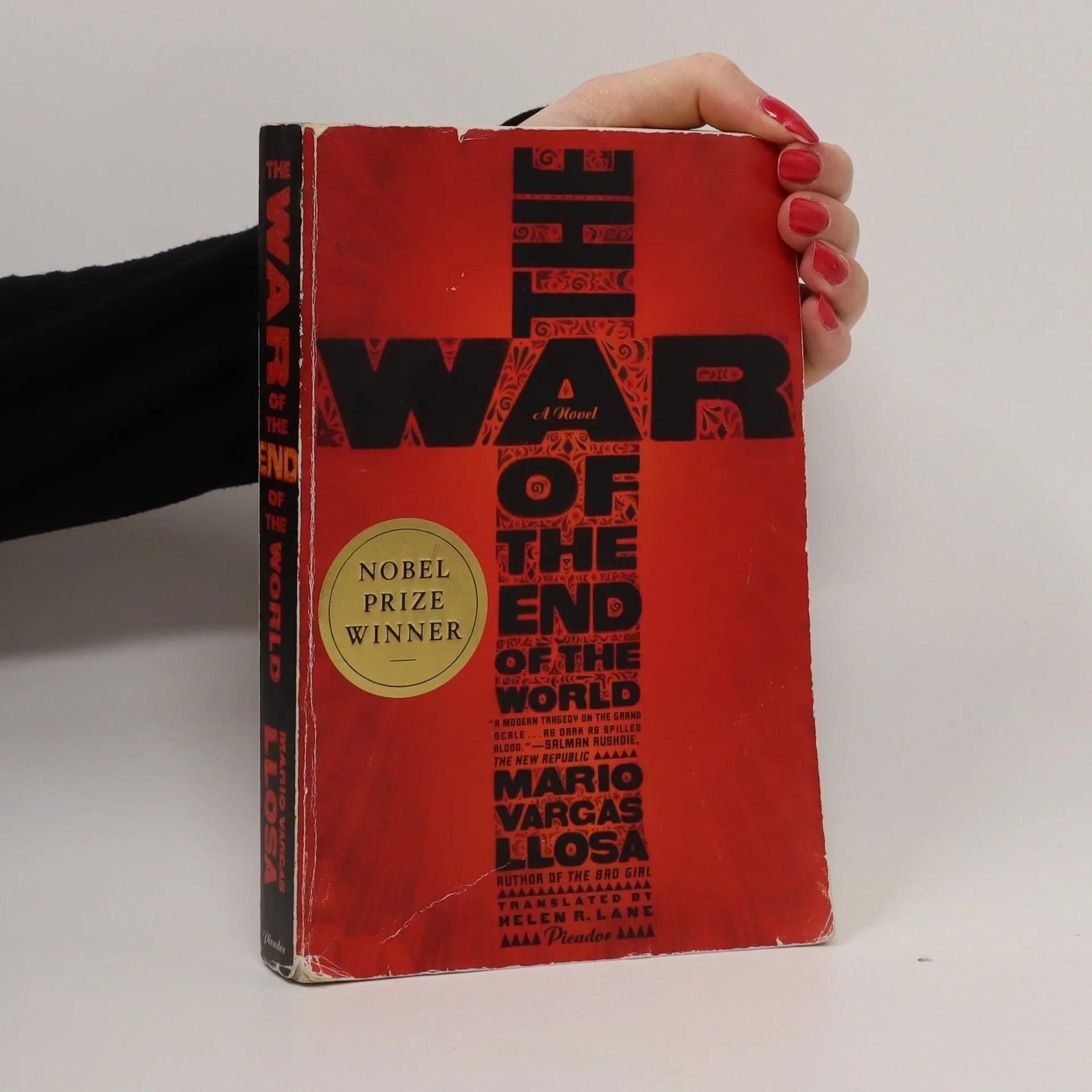
An apocalyptic prophet in the Brazilian backlands creates the state of Canudos. In it there is no money, property, marriage, income tax, decimal system, or census.
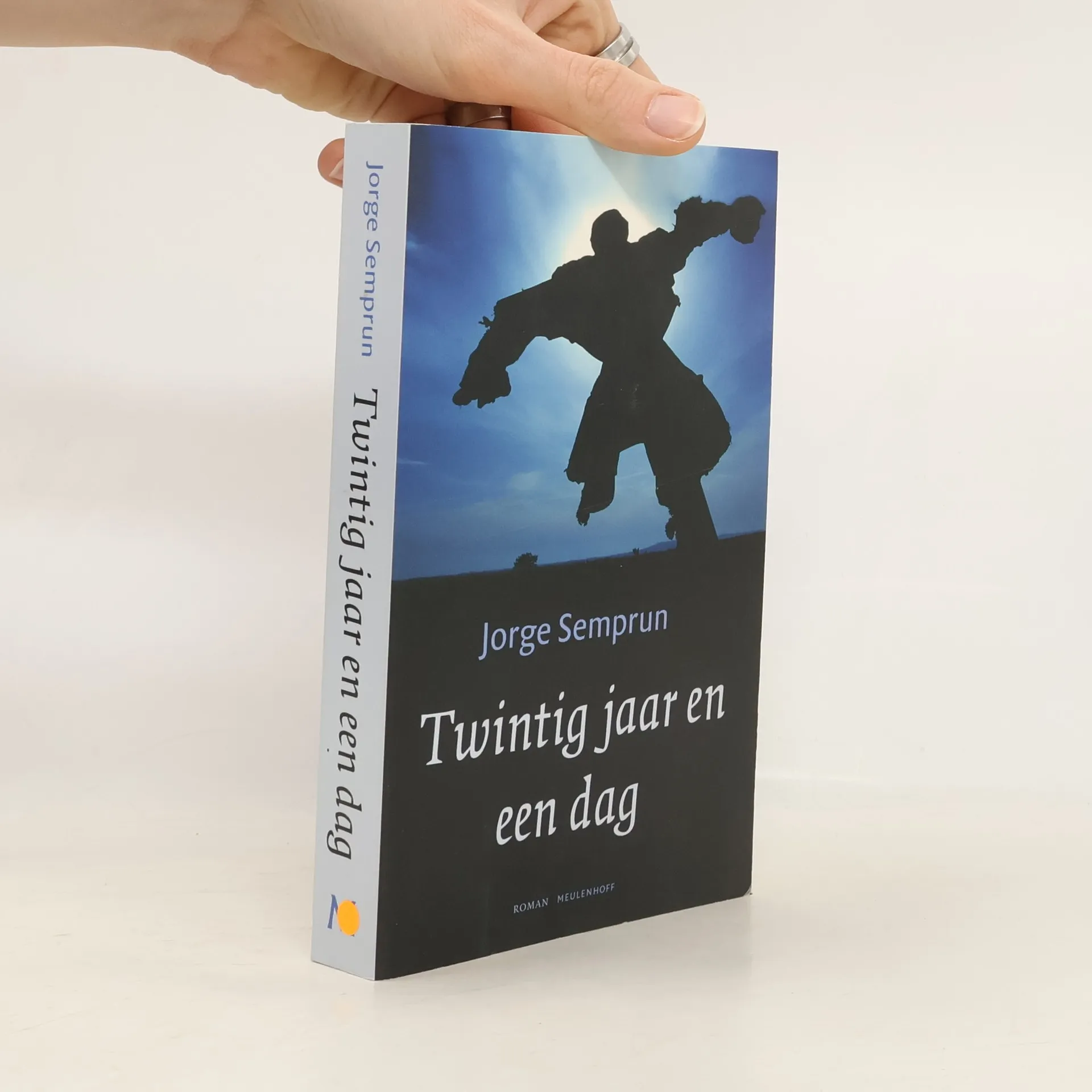
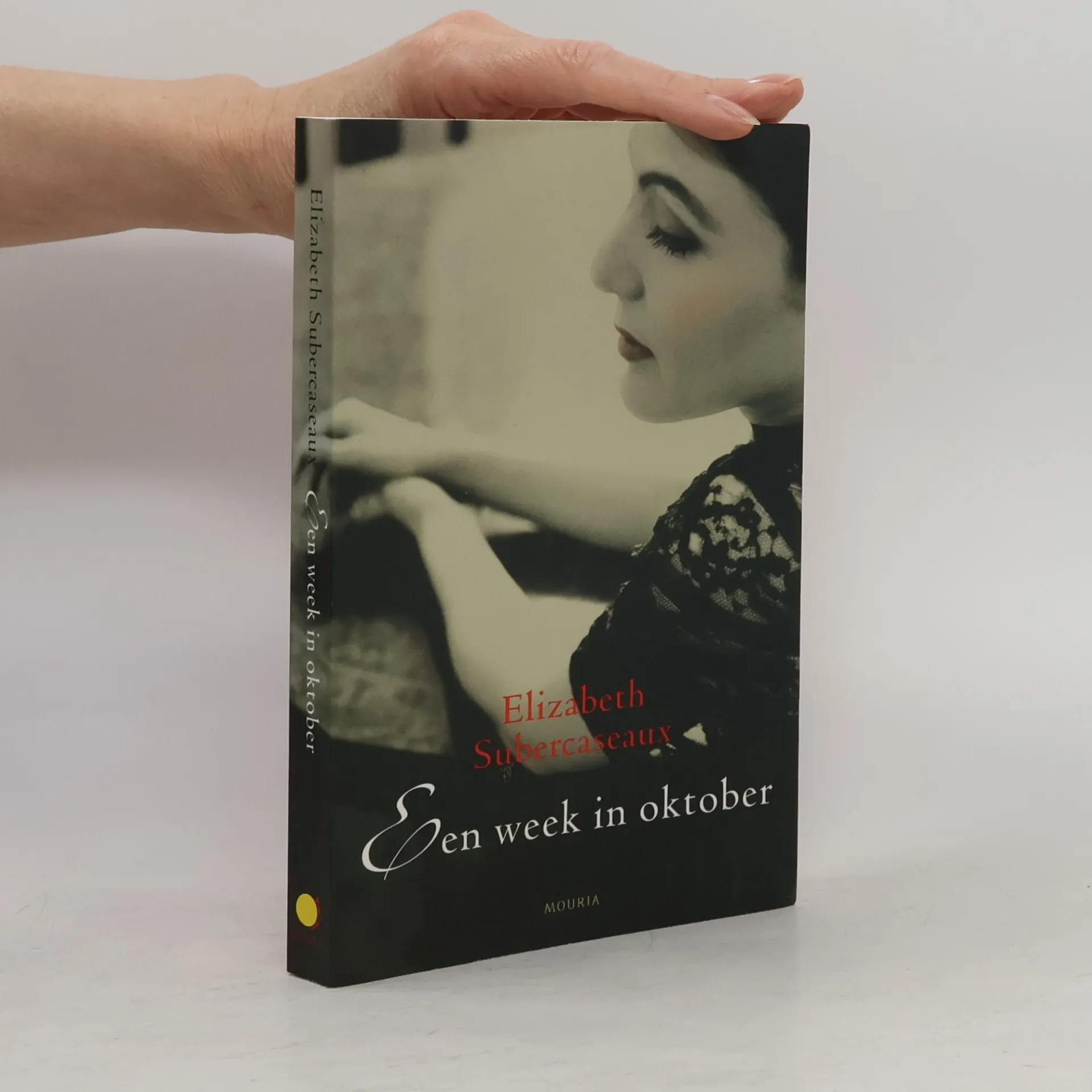
Clara, de mooie vrouw van een Chileense architect, heeft onbehandelbare kanker. Ze begint een soort journaal te schrijven over haar leven, een roman die dicht bij de waarheid ligt. Haar man ontdekt haar werk en begint te lezen: is hij werkelijk zo saai? Hoe weet ze van zijn buitenechtelijke relatie? En heeft Clara echt een relatie gehad met een collega van hem? Een week in oktober is een schitterende roman over het huwelijk, over wat echtgenoten van elkaar weten en wat beter geheim kan blijven, over passie die verloren gaat, leugens en liefde. Herkenbaar, aangrijpend en mooi.
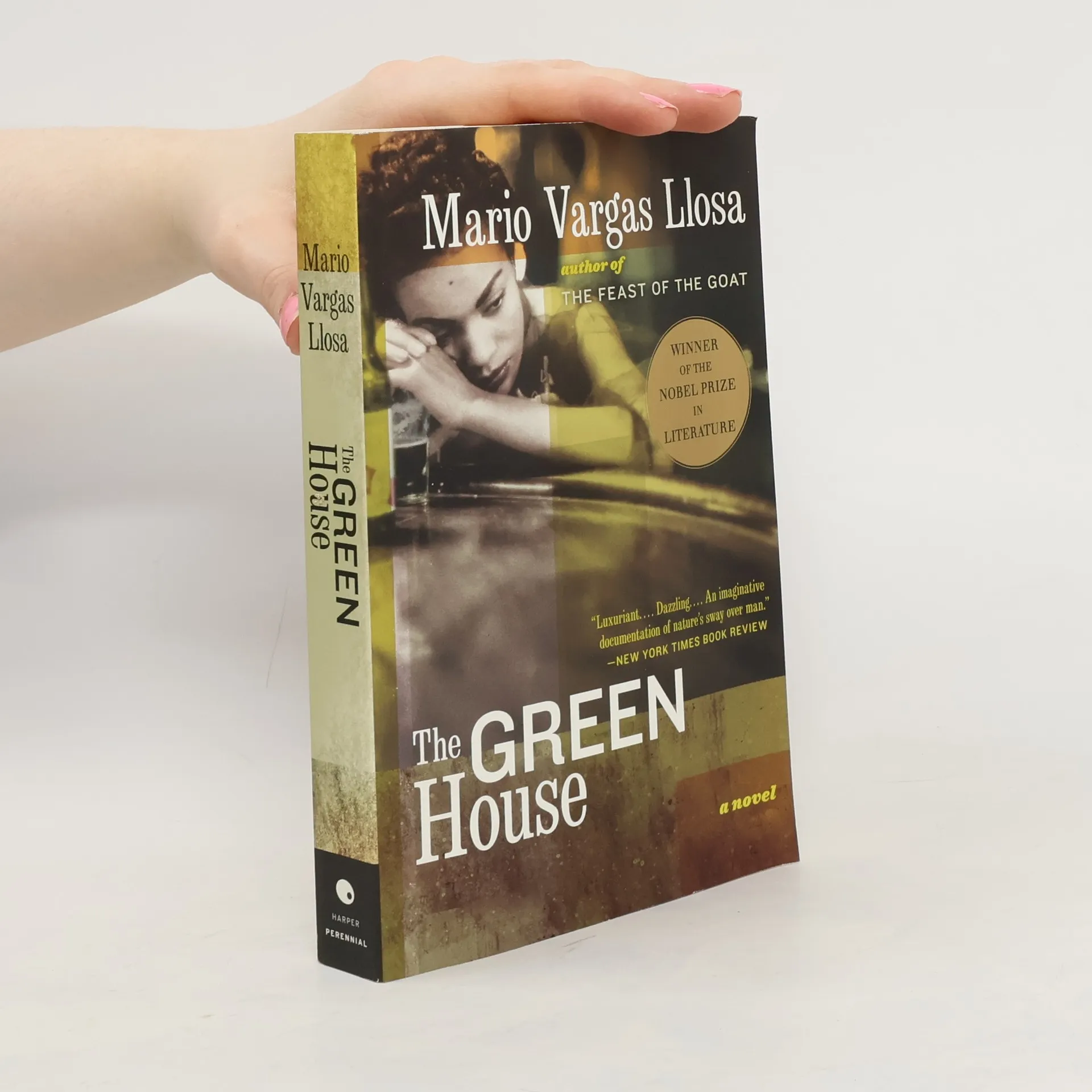
Mario Vargas Llosa's classic early novel takes place in a Peruvian town, situated between desert and jungle, which is torn by boredom and lust. Don Anselmo, a stranger in a black coat, builds a brothel on the outskirts of the town while he charms its innocent people, setting in motion a chain reaction with extraordinary consequences. This brothel, called the Green House, brings together the innocent and the corrupt: Bonificia, a young Indian girl saved by the nuns only to become a prostitute; Father Garcia, struggling for the church; and four best friends drawn to both excitement and escape. The conflicting forces that haunt the Green House evoke a world balanced between savagery and civilization -- and one that is cursed by not being able to discern between the two.
In 1946, young American physicist Francis P. Bacon is tasked with uncovering the identity of Klingsor, the codename of the scientist who led the nuclear research of the Third Reich. Bacon begins to reconstruct the map of scientific research in Europe before and during the war, interviewing mathematicians and physicists who were key figures in that extraordinary era of discoveries. He finds everyone, from Heisenberg to Schrödinger to Bohr, suspect of having played that role. The ground Bacon treads is treacherous; nothing is as it seems at first glance, and reality appears just as those scientists described it: ambiguous and perpetually open to reinterpretation, immersed in a universe dominated by uncertainty. In Search of Klingsor is an unusual and engaging novel that illustrates the science of the 20th century while captivating the reader with the thrilling pace of a masterful spy story.
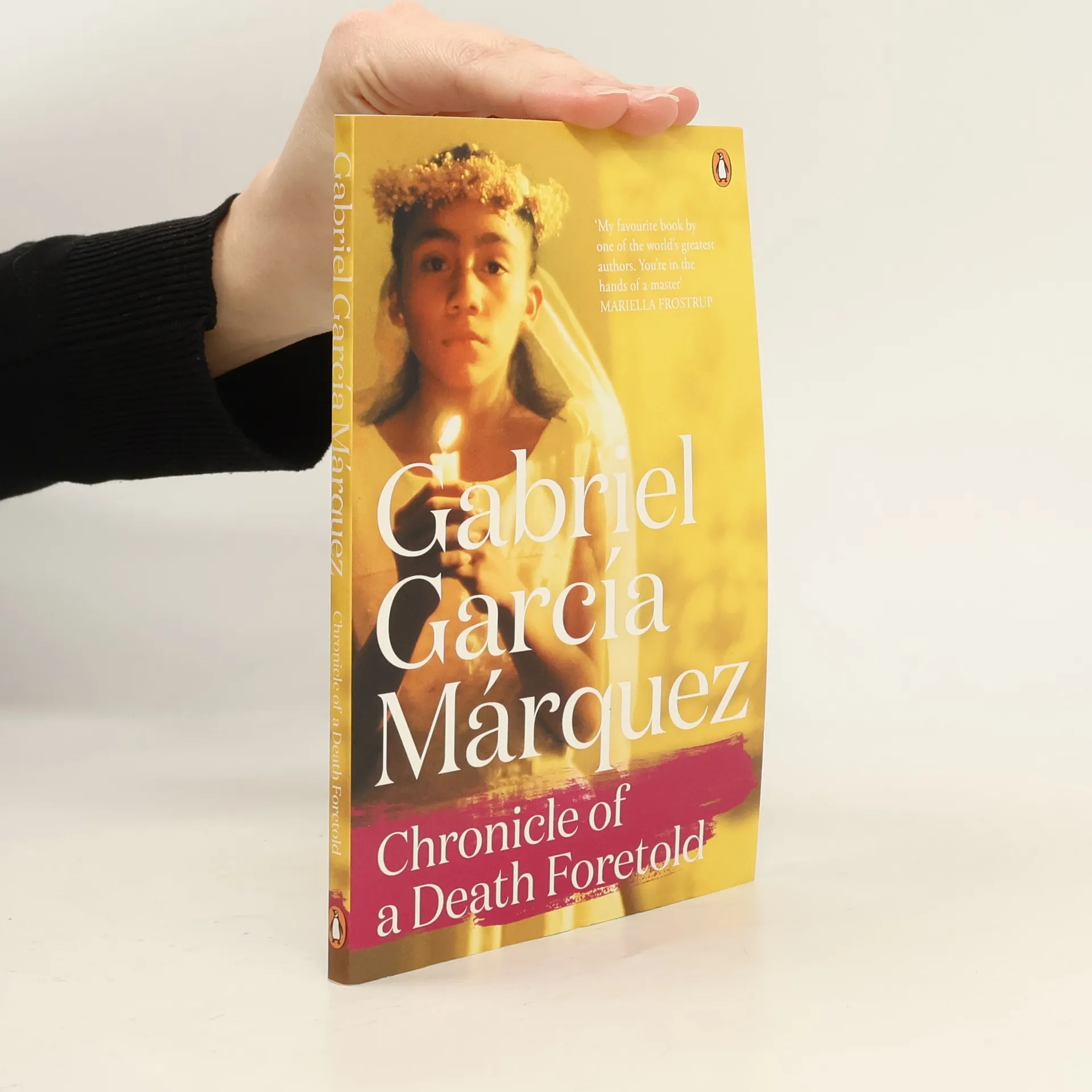
Angela Vicario's new husband is furious when he discovers she's not a virgin, and he returns her to her family home. Angela's mother beats her and her brothers set out to find the man who violated her. Waking to the thoughts of the previous night's revelry, Santiago Nasar is unaware that there are people who want to kill him.
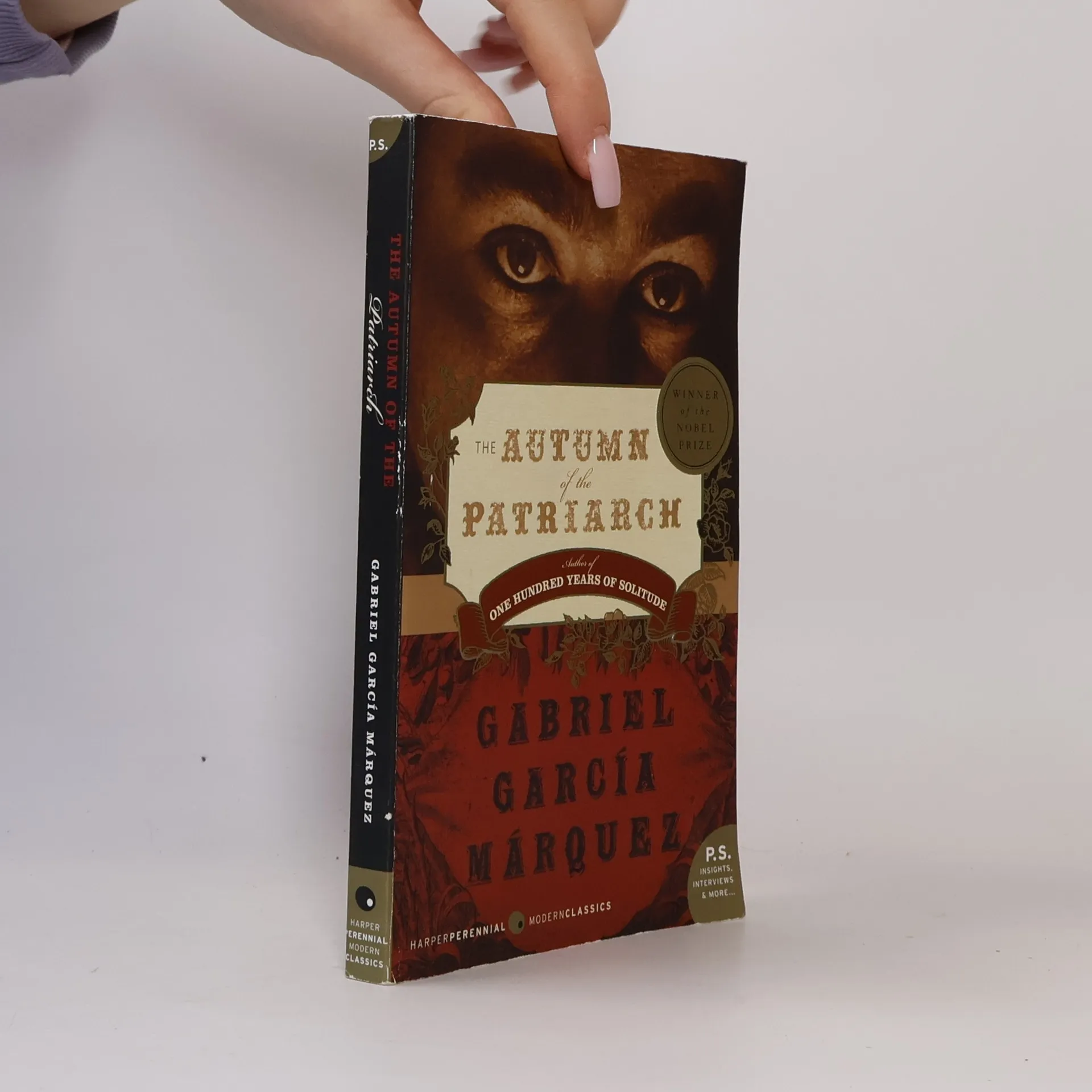
One of Gabriel Garcia Marquez's most intricate and ambitious works, The Autumn of the Patriarch is a brilliant tale of a Caribbean tyrant and the corruption of power. From charity to deceit, benevolence to violence, fear of God to extreme cruelty, the dictator of The Autumn of the Patriarch embodies the best but also the worst of human nature. Gabriel Garcia Marquez, the renowned master of magical realism, vividly portrays the dying tyrant caught in the prison of his own dictatorship. Employing an innovative, dreamlike style, and overflowing with symbolic descriptions, the novel transports the reader to a world that is at once fanciful and vividly real.
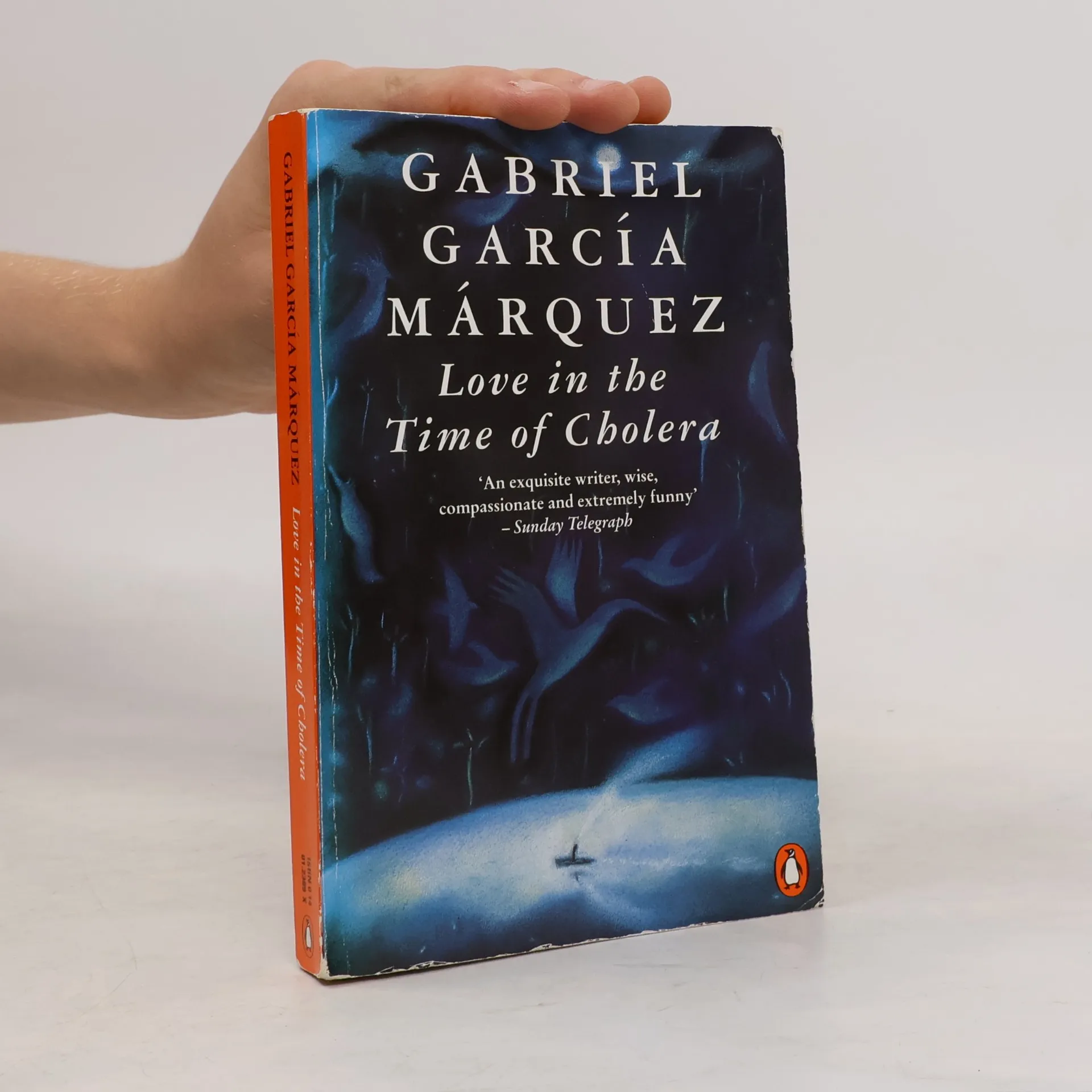
Florentino Ariza has never forgotten his first love. He has waited nearly a lifetime in silence, since his beloved Fermina married another man. No woman can replace her in his heart. But now her husband is dead. Finally - after fifty-one years, nine months and four days - Florentino has another chance to declare his eternal passion and win her back. Will love that has survived half a century remain unrequited?
Quismondo, Toledo, 18 de julio de 1956. En su finca La Maestranza, veinte años después del estallido de la guerra civil, los Avendaño han decidido celebrar por última vez la ceremonia expiatoria en la que, ritualmente, en cada aniversario, reproducen la ejecución del hermano menor a manos de los campesinos. Entre los invitados, un hispanista norteamericano intrigado por tan extraña costumbre, y un comisario de la Brigada Político Social empeñado en dar con un tal Federico Sánchez, agente comunista. Por diferentes motivos, ambos comparten el mismo interés en indagar en la historia reciente de la familia, sobre todo en las relaciones secretas de la bellísima y enigmática viuda, Mercedes Pombo. En la fragmentada sucesión de encuentros y tiempos, se superponen y complementan las versiones, que van reconstruyendo los hechos fatídicos que dieron origen a la ceremonia, pero también surgen aciagas revelaciones de ocultas relaciones eróticas en el ambiente espeso y violento de la posguerra.
Remo Erdosain's Buenos Aires is a dim, seething, paranoid hive of hustlers and whores, scoundrels and madmen, and Erdosain feels his soul is as polluted as anything in this dingy city. Possessed by the directionlessness of the society around him, trapped between spiritual anguish and madness, he clings to anything that can give his life meaning: small-time defrauding of his employers, hatred of his wife's cousin Gregorio Barsut, a part in the Astrologer's plans for a new world order... but is that enough? Or is the only appropriate response to reality - insanity?Written in 1929, The Seven Madmen depicts an Argentina on the edge of the precipice. This teeming world of dreamers, revolutionaries and scheming generals was Arlt's uncanny prophesy of the cycle of conflict which would scar his country's passage through the twentieth century, and even today it retains its power as one of the great apocalyptic works of modern literature.
THE INTERNATIONAL BESTSELLER'A masterclass in suspense' PAULA HAWKINS'A spellbinding nightmare' FERNANDA MELCHOR'A book of intense power' PHILIPPE SANDS
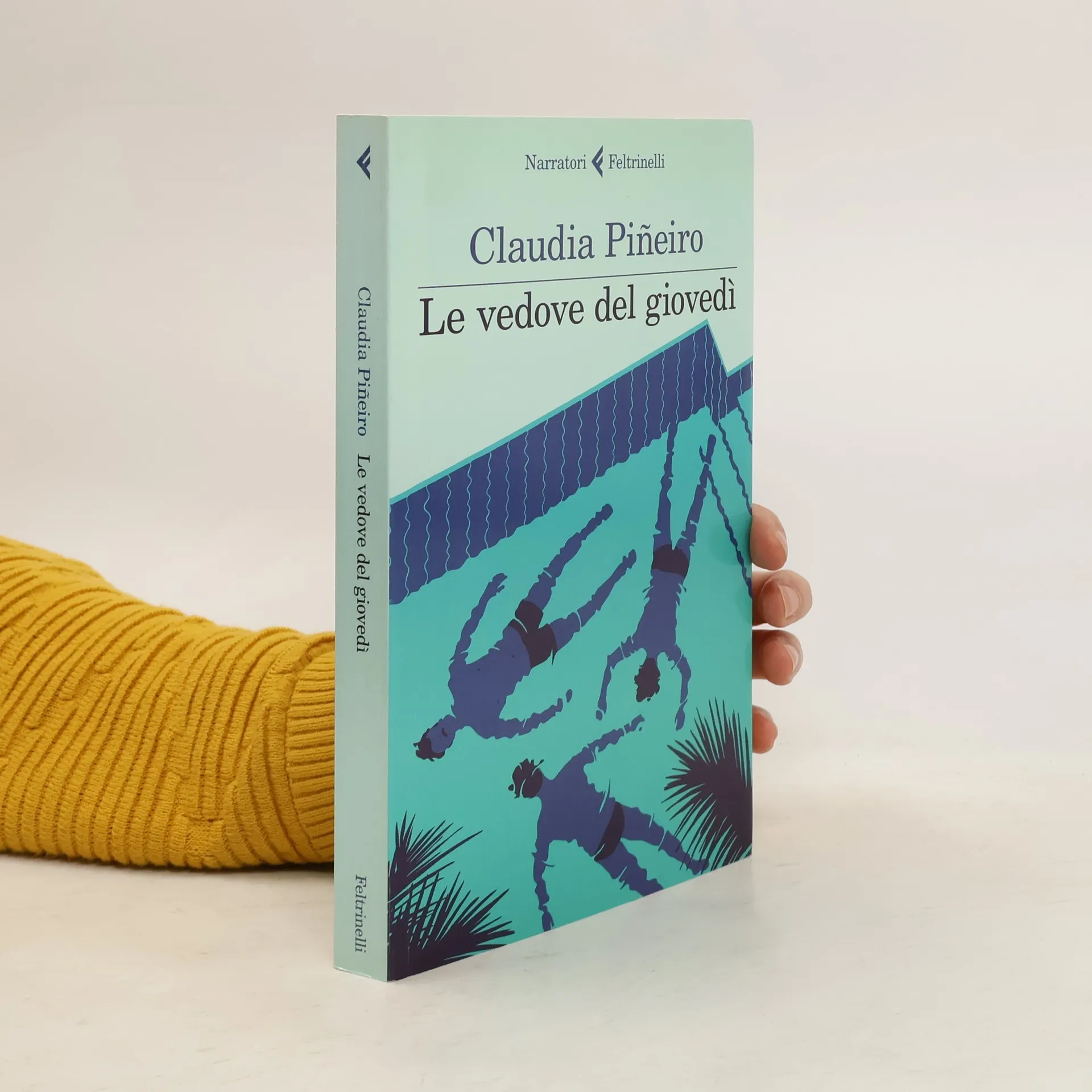
Alla periferia di Buenos Aires, dietro alti muri perimetrali, al di là di cancelli rinforzati e affiancati dalle garitte della vigilanza, si trova il complesso residenziale di lusso Altos de la Cascada. Fuori, la strada, la baraccopoli di Santa Maria de los Tigrecitos, l’autostrada, la città, il resto del mondo. Ad Altos de la Cascada vivono famiglie facoltose che hanno lo stesso stile di vita e che vogliono mantenerlo, costi quel che costi. In quest’oasi dorata di pace e tranquillità, un gruppo di amici si riunisce una volta alla settimana lontano dalla vista dei figli, delle donne di servizio e soprattutto delle mogli che, escluse da questi incontri virili, si autonominano, ironicamente, “le vedove del giovedì”. Ma una notte la routine si spezza rivelando il lato oscuro di una vita “perfetta”. Un complesso residenziale di lusso pervaso da un dolciastro odore di gelsomino e tre cadaveri in una piscina. “Un romanzo agile, un’analisi feroce di un microcosmo sociale in un accelerato processo di decadenza.” José Saramago
De verhalen biedt een onmisbaar en volledig overzicht van het werk van een van de grootste Spaanstalige schrijvers uit de literatuurgeschiedenis. De verzameling omvat onder meer zijn debuut Wereldschandkronieken, evenals de klassieke bundels Fantastische verhalen, De Aleph en Het verslag van Brodie.