Caleb Carr is a novelist and military historian whose work delves into the complexities of the human mind and the shadows of history. Drawing from a deep understanding of military and political affairs, his narratives are meticulously researched and intricately plotted. Carr's writing style is characterized by its atmospheric depth and psychological intensity, offering readers a compelling exploration of dark themes and historical settings. His unique perspective, informed by his background, brings a distinct and thought-provoking dimension to contemporary fiction.
In "Masha and Her Daddy," Caleb Carr shares his lifelong bond with cats, particularly highlighting his relationship with Masha, a Siberian Forest cat he rescued. Their extraordinary connection blossomed over seventeen years, showcasing the deep companionship and love that can exist between humans and their feline friends.
Some years ago, a remarkable manuscript long rumoured to exist was discovered: The Legend of Broken. It tells of a prosperous fortress city, Broken, where order reigns at the point of a sword - even as scheming factions secretly vie for control of the surrounding kingdom. Meanwhile, outside the city's granite walls, an industrious tribe of exiles known as the Bane forages for sustenance in the wilds of Davon Wood. At every turn, the lives of Broken's defenders and its would-be destroyers intertwine until secretly, and under pressure from their people, four leaders unite. Together, they hope to exact a ruinous revenge on Broken, ushering in a day of reckoning when the mighty walls will be breached forever in a triumph of science over superstition. Breathtakingly profound and compulsively readable, Caleb Carr's long-awaited new book is an action-packed and enthralling masterpiece.
At the invitation of the Conan Doyle Estate, Caleb Carr has created a new adventure for Holmes and Watson, set in the grandeur of Holyrood Palace in the twilight of Queen Victoria's reign.
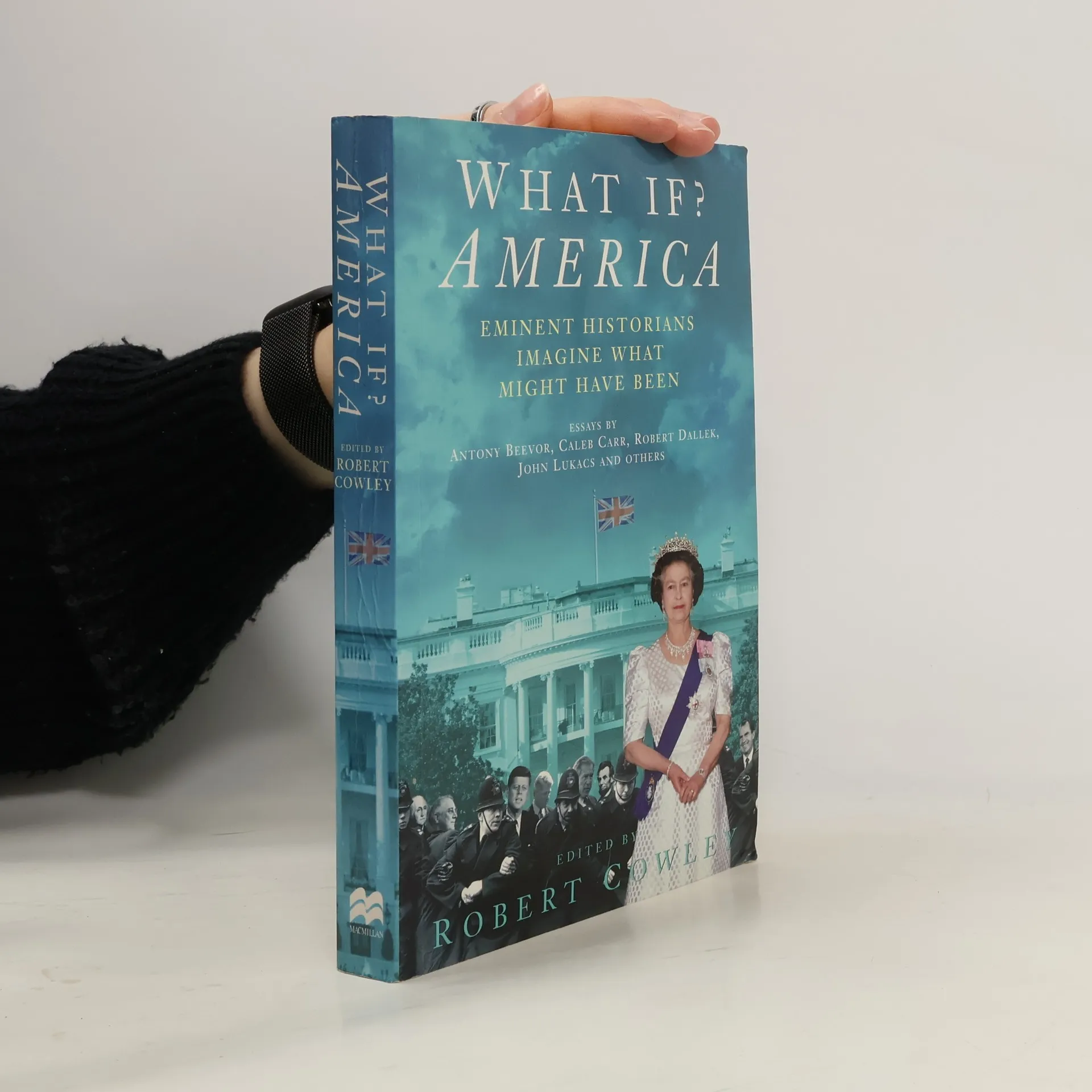
In this new collection of essays, some of the world's most important historians speculate about some of America's most intriguing crossroads. Spanning the years from independence to Watergate, What If? America poses some irresistible questions and provides some brilliant answers. Among these, Antony Beevor entertains the possibility of Eisenhower's capture of Berlin before the Soviets' arrival in 1945; Caleb Carr asks what if there had been no American Revolution; and Robert Dallek explores one of the most agonizing American 'what if's' of all: what would have happened if JFK hadn't been assassinated. Engaging, thought-provoking, and convincingly argued, these essays shed new light on the most powerful nation in the world and are indispensable for anyone remotely interested in how the world became what it is today.
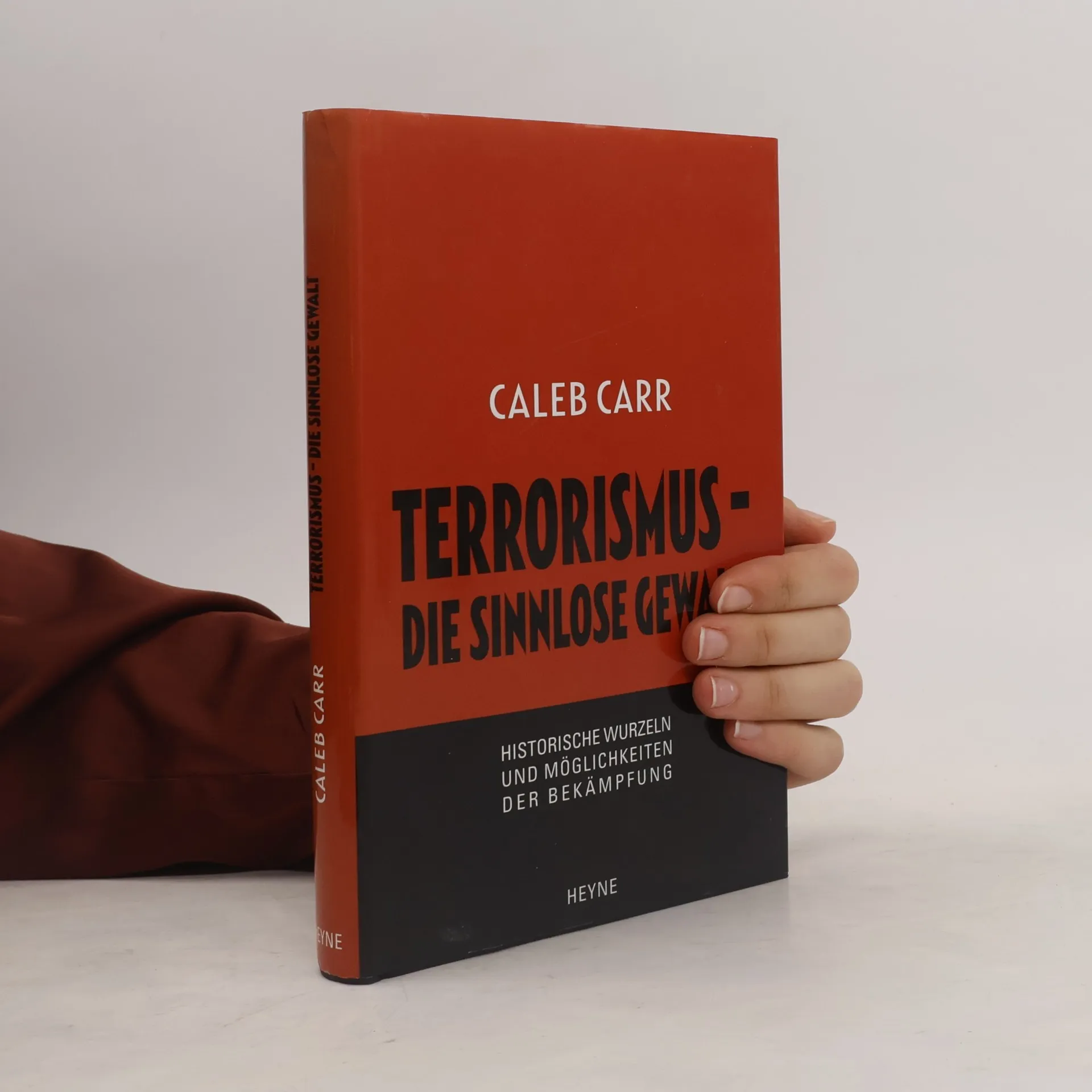
s/t: Historische Wurzeln und Möglichkeiten der Bekämpfung Military historian Caleb Carr’s groundbreaking work anticipated America’s current debates on preemptive military action against terrorist sponsor states, reorganization of the American intelligence system, and the treatment of terrorists as soldiers in supranational armies rather than as criminals. Carr’s authoritative exploration demonstrates that the practice of terrorism, employed by national armies as well as extremists since the days of ancient Rome, is ultimately self-defeating. Far from prompting submission, it stiffens enemy resolve and never leads to long-lasting success. Controversial on its initial publication in 2002, The Lessons of Terror has been repeatedly validated by subsequent events. Carr’s analysis of individual terrorist acts, and particularly of the history of the Middle East conflict, is fundamental to a deep understanding of the roots of terrorism as well as the steps and reforms that must be taken if the continuing threat of terrorist behavior is to be met effectively today and, finally, eradicated tomorrow.
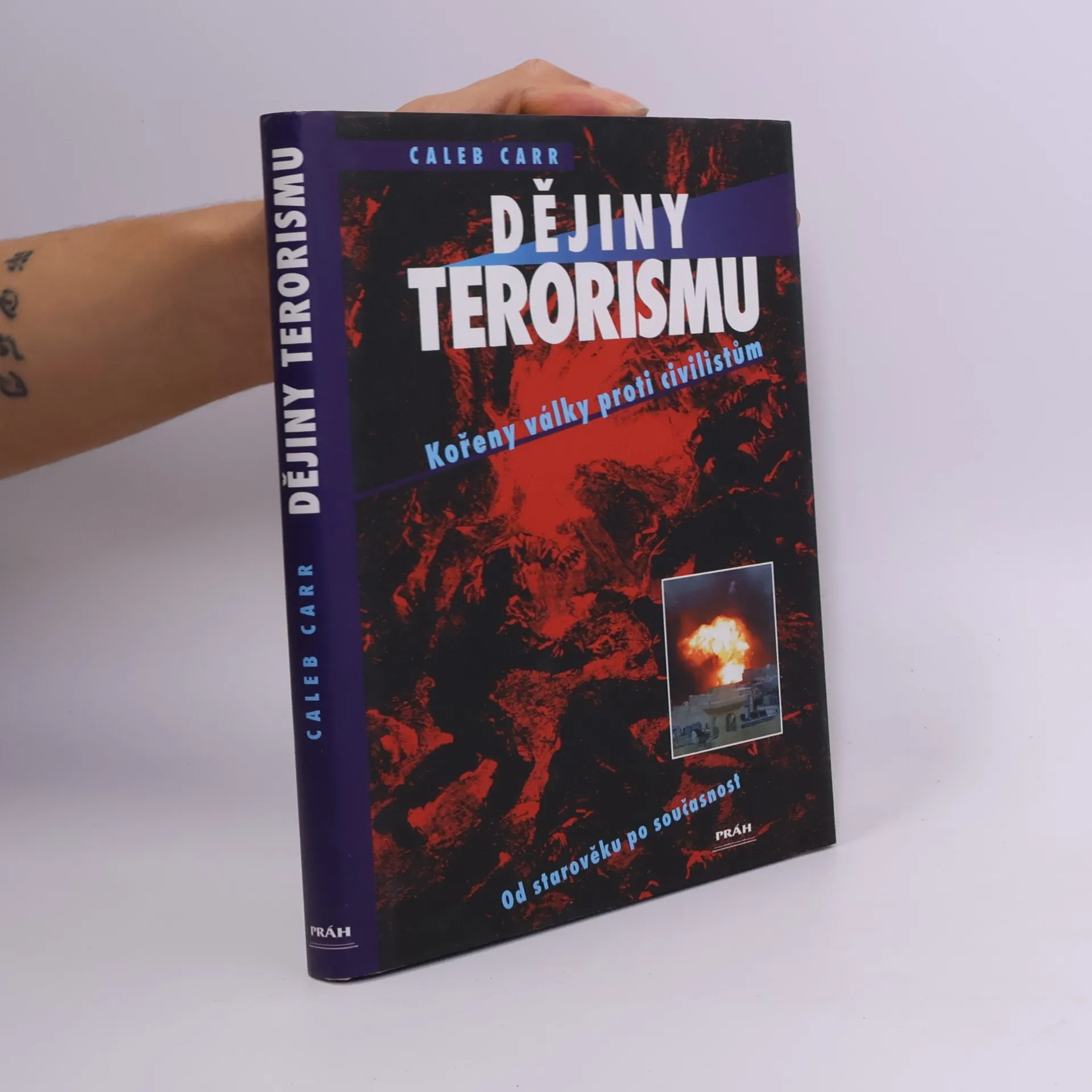
Dějiny války proti civilistům
Historické kořeny současného mezinárodního terorismu z hlediska vojenských dějin.
Obecná charakteristika terorismu (typ války vedené proti civilnímu obyvatelstvu, metoda násilného ovlivňování politiky). Optimální formy odporu proti teroru odvozené z dějin válečných konfliktů. Stručný historický přehled od antiky po současnost. Aktuální strategie boje proti násilí a teroru. USA v čele války proti terorismu.
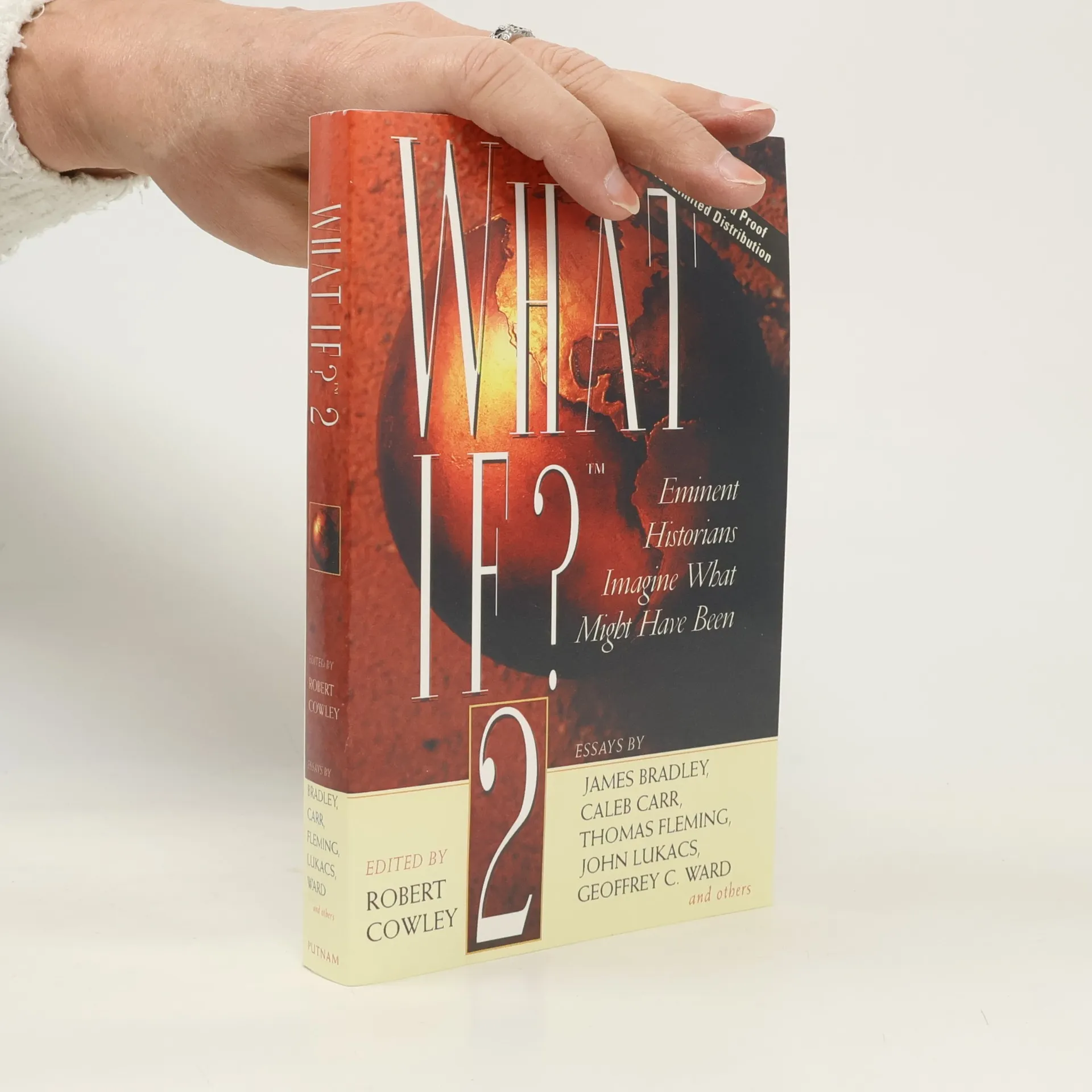
A second collection of essays on the vital turning points in world history, written by our most respected historians and presented by the editor of What If? TM
Information flows freely in 2023, but is all--or "any"--of it accurate? Criminal profiler Dr. Gideon Wolfe investigates the murder of a friend in New York City when he is suddenly caught up in the company of a beautiful woman, her ingenious brother, and a band of techno-terrorists at war with the world itself.
En 1860, la longue agonie de la dynastie mandchoue, qui règne sur la Chine depuis des siècles, semble s'accélérer quand les troupes rebelles des Taiping marchent sur Shanghai. Dirigées par des officiers incapables et corrompus, les armées impériales ne peuvent faire face à la menace. Les hommes politiques chinois prennent conscience qu'il leur faut trouver de l'aide ailleurs. Or un étranger vient lui-même la leur proposer. Frederick Townsend Ward, jeune aventurier américain, débarque en Chine en 1859. Il a vingt-huit ans, pas un sou en poche. Lorsqu'il meurt au combat, trois ans plus tard, il est devenu sujet chinois et général de l'Armée-Toujours-Victorieuse. Comment expliquer ce destin fabuleux ? Ward a réussi à forger ce que ni la Chine ni le monde n'avaient encore vu : une armée hautement disciplinée, commandée par des officiers occidentaux, formée aux tactiques et aux armements modernes. Surnommés les " soldats du diable ", les hommes de Ward ont joué un rôle décisif dans l'issue de la guerre civile chinoise. Les très nombreux documents utilisés par Caleb Carr pour dresser le portrait du Diable blanc éclairent cette silhouette méconnue. Afin de cerner ce personnage hors du commun, l'auteur allie à son talent de romancier une érudition impressionnante.
A year after the events narrated in the bestselling THE ALIENIST, the cast of characters from that novel are again brought together to investigate a crime committed in the heady days of New York in the 1890s, but this time narrated by the orphan Stevie Taggert. A young child, the daughter of Spanish diplomats, disappears. It seems she has been abducted but no ransom note is received and the detectives Isaacson quickly discover that a nurse, Elspeth Hunter, is probably the kidnapper. They also discover that Hunter has been a little too closely connected with the death of three other infants. But what are her motives? She married a fortune, and although she is connected to some fairly rough villains this crime does not fit their modus operandi. Is it something as 'simple' as psychological disturbance due to her own inability to bear children, or something more sinister unguessed at?
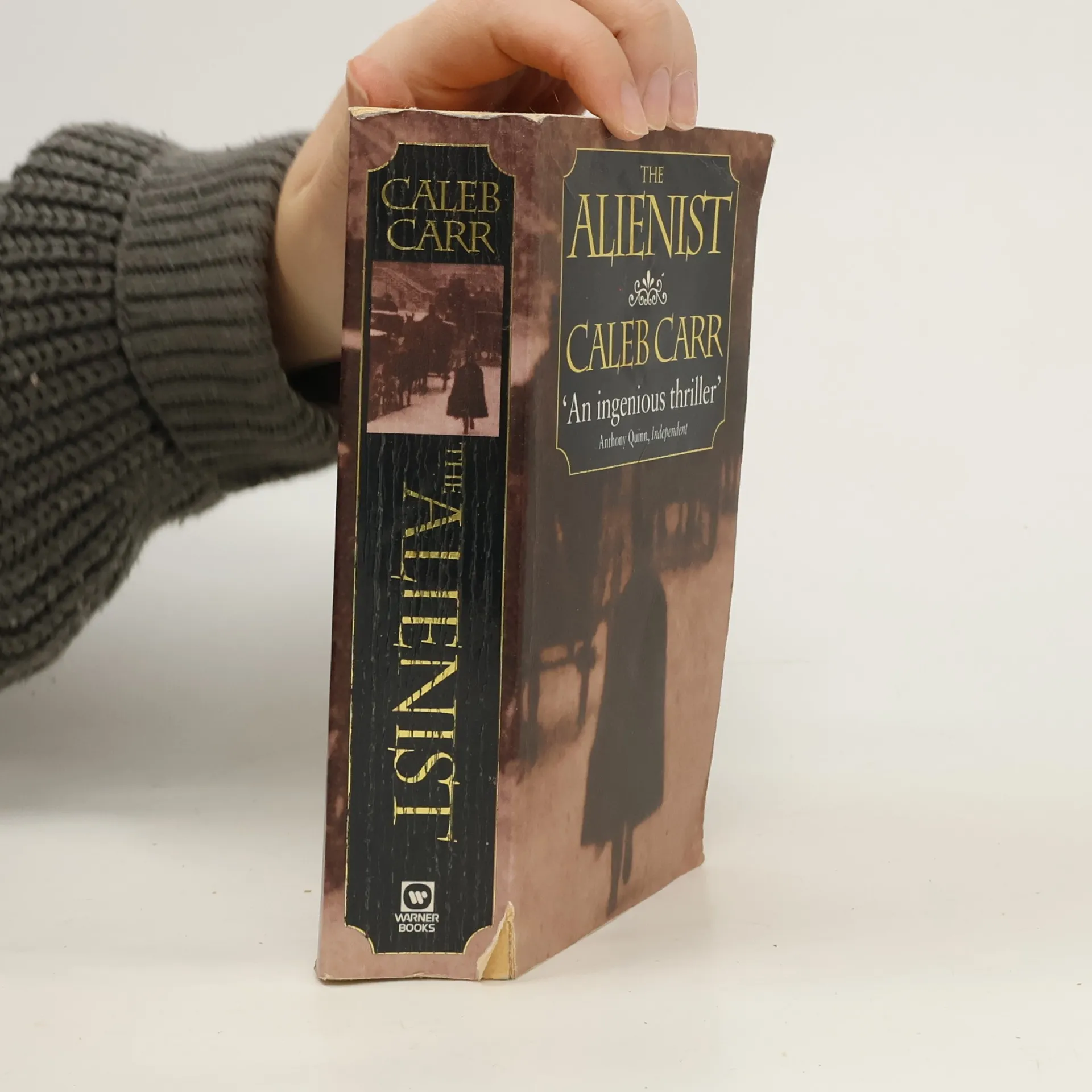
Some things never change. New York City, 1896. Hypocrisy in high places is rife, police corruption commonplace, and a brutal killer is terrorising young male prostitutes. Unfortunately for Police Commissioner Theodore Roosevelt, the psychological profiling of murderers is a practice still in its infancy, struggling to make headway against the prejudices of those who prefer the mentally ill - and the 'alienists' who treat them - to be out of sight as well as out of mind. But as the body count rises, Roosevelt swallows his doubts and turns to the eminent alienist Dr Laszlo Kreizler to put a stop to the bloody murders - giving Kreizler a chance to take him further into the dark heart of criminality, and one step closer to death.