
Bookbot

Leonard Susskind

    January 1, 1940

    Leonard Susskind is a distinguished theoretical physicist whose work delves into the profound questions of the universe. His research spans areas such as string theory, quantum mechanics, and cosmology. Susskind focuses on uncovering the fundamental principles of reality through innovative thinking. His contributions to theoretical physics shape our understanding of the cosmos at its most basic level.

    Leonard Susskind
    Classical Mechanics
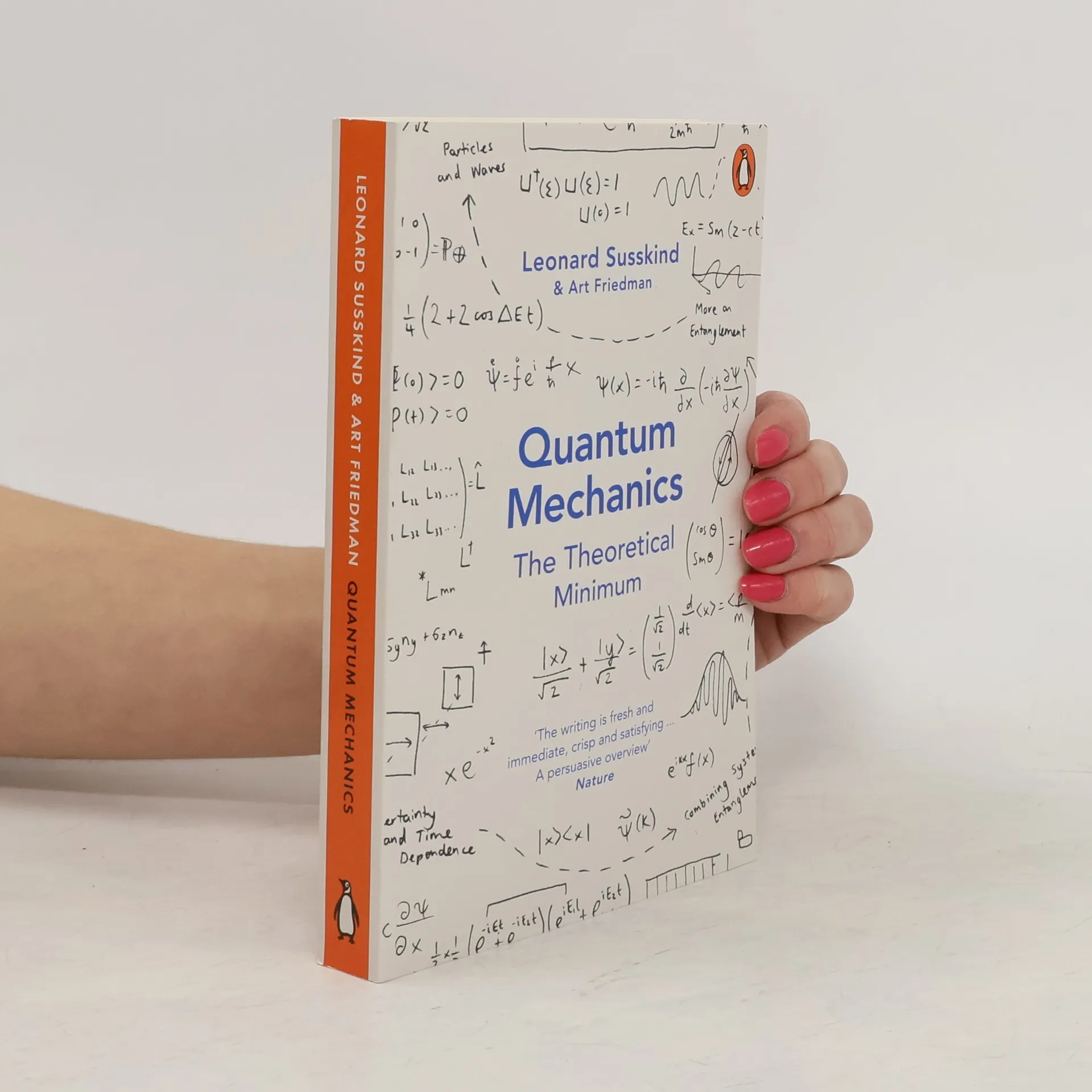
    Quantum Mechanics : The Theoretical Minimum
    The Theoretical Minimum
    Quantum Mechanics
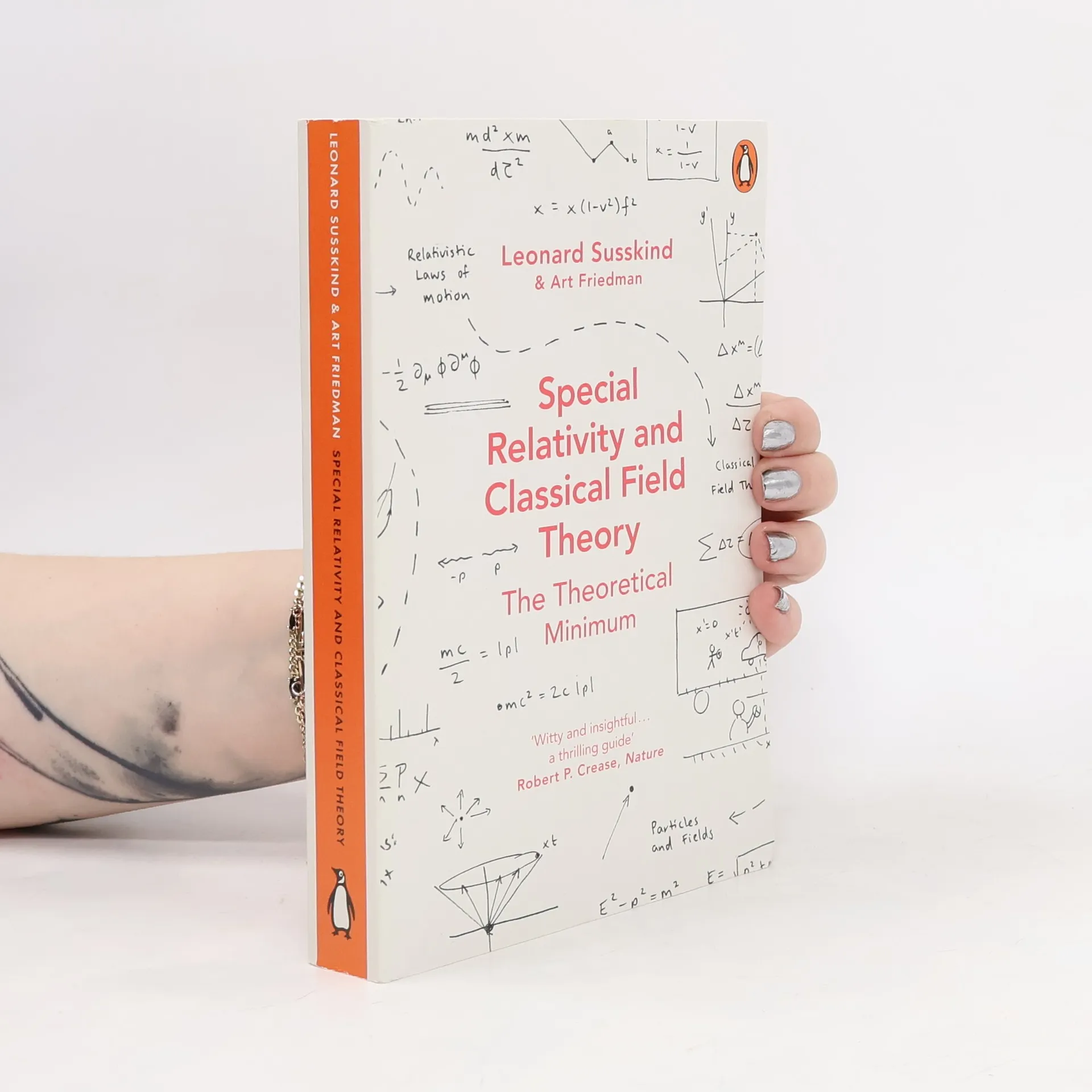
    Special Relativity and Classical Field Theory
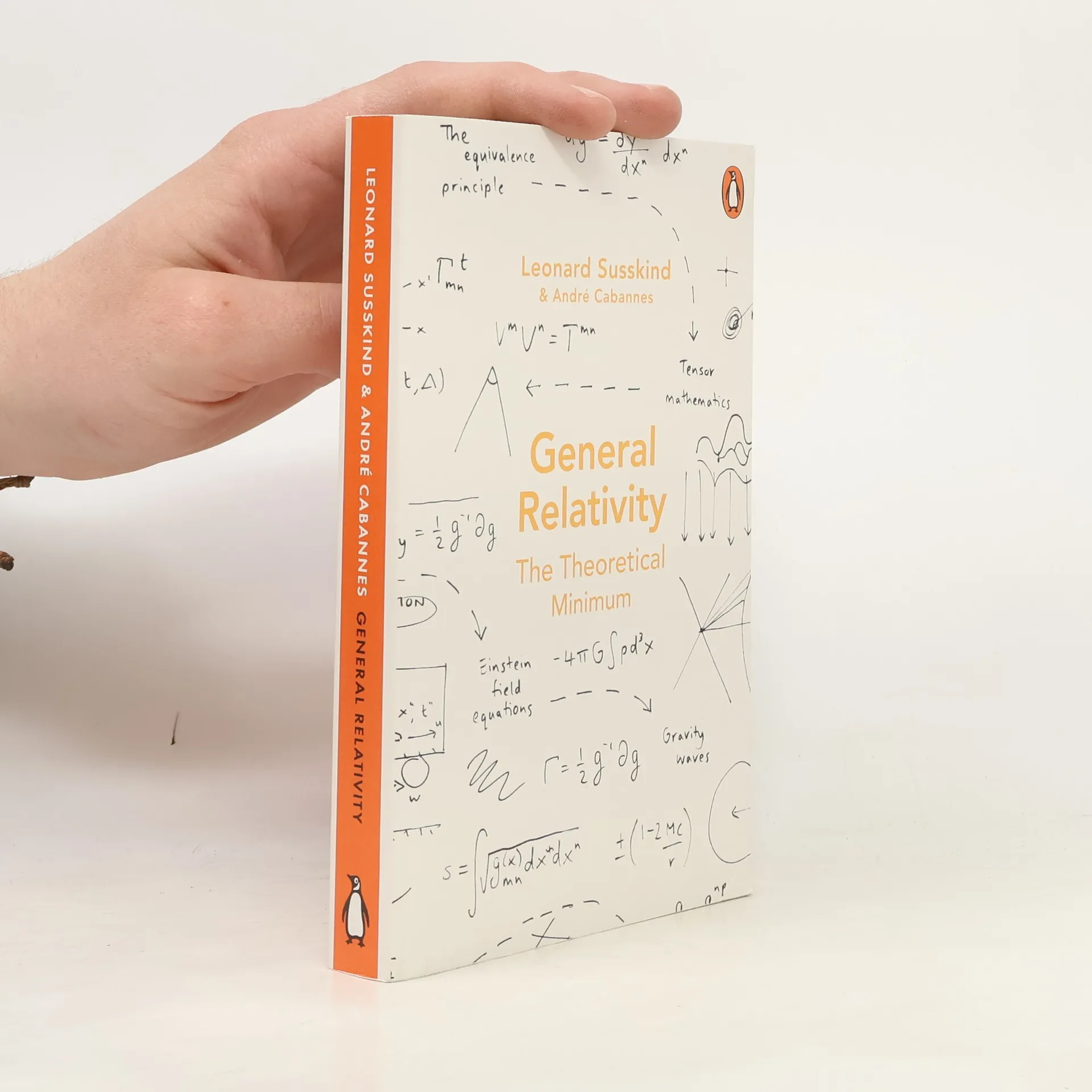
    General Relativity
    • General Relativity

      • 400 pages
      • 14 hours of reading

      The latest volume in The New York Times bestselling physics series explains Einstein's masterpiece: the general theory of relativity He taught us classical mechanics, quantum mechanics and special relativity. Now, physicist Leonard Susskind, assisted by a new collaborator, André Cabannes, returns to tackle Einstein's general theory of relativity. Starting from the equivalence principle and covering the necessary mathematics of Riemannian spaces and tensor calculus, Susskind and Cabannes explain the link between gravity and geometry. They delve into black holes, establish Einstein field equations and solve them to describe gravity waves. The authors provide vivid explanations that, to borrow a phrase from Einstein himself, are as simple as possible (but no simpler). An approachable yet rigorous introduction to one of the most important topics in physics, General Relativity is a must-read for anyone who wants a deeper knowledge of the universe's real structure.
      General Relativity
      4.6
    • This is a brilliant first course in classical and quantum mechanics, offering readers not an oversimplified introduction, but the real thing - everything you need to start doing physics, and nothing more. Now, thankfully, Susskind and his former student Art Friedman are back, this time to introduce readers to special relativity and classical field theory. At last, waves, forces and particles will be demystified. Using their typical brand of relatively simple maths, enlightening sketches and the same fictional counterparts, Art and Lenny, 'Special Relativity and Classical Field Theory' takes us on an enlightening journey through a world now governed by the laws of special relativity. Starting in their new watering hole, Hermann's Hideaway, with a lesson on relativity, Art and Lenny walk us through the complexities of Einstein's famous theory.

      Special Relativity and Classical Field Theory
      4.5
    • Quantum Mechanics

      • 384 pages
      • 14 hours of reading

      If you're ever banished to a desert island and allowed to take just one book, here it is. Given enough time, with no distractions, you could use it to eventually master quantum mechanics.-Science News

      Quantum Mechanics
      4.3
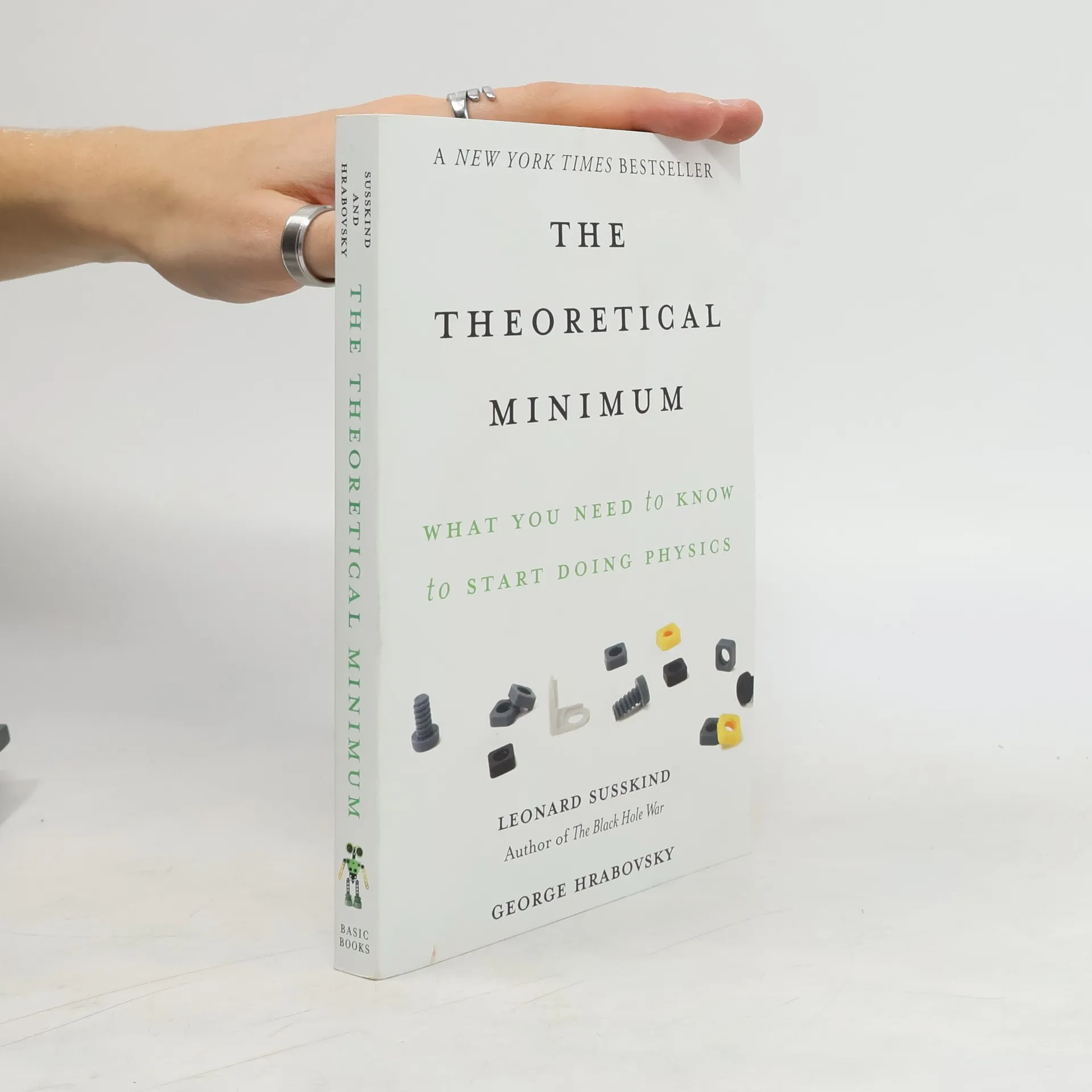
    • A master teacher presents the ultimate introduction to classical mechanics for people who are serious about learning physics"Beautifully clear explanations of famously 'difficult' things," -- Wall Street JournalIf you ever regretted not taking physics in college -- or simply want to know how to think like a physicist -- this is the book for you. In this bestselling introduction to classical mechanics, physicist Leonard Susskind and hacker-scientist George Hrabovsky offer a first course in physics and associated math for the ardent amateur. Challenging, lucid, and concise, The Theoretical Minimum provides a tool kit for amateur scientists to learn physics at their own pace.

      The Theoretical Minimum
      4.2
    • Explains the theory and associated mathematics of quantum mechanics, discussing topics ranging from uncertainty and time dependence to particle and wave states.

      Quantum Mechanics : The Theoretical Minimum
      4.2
    • Classical Mechanics

      • 256 pages
      • 9 hours of reading

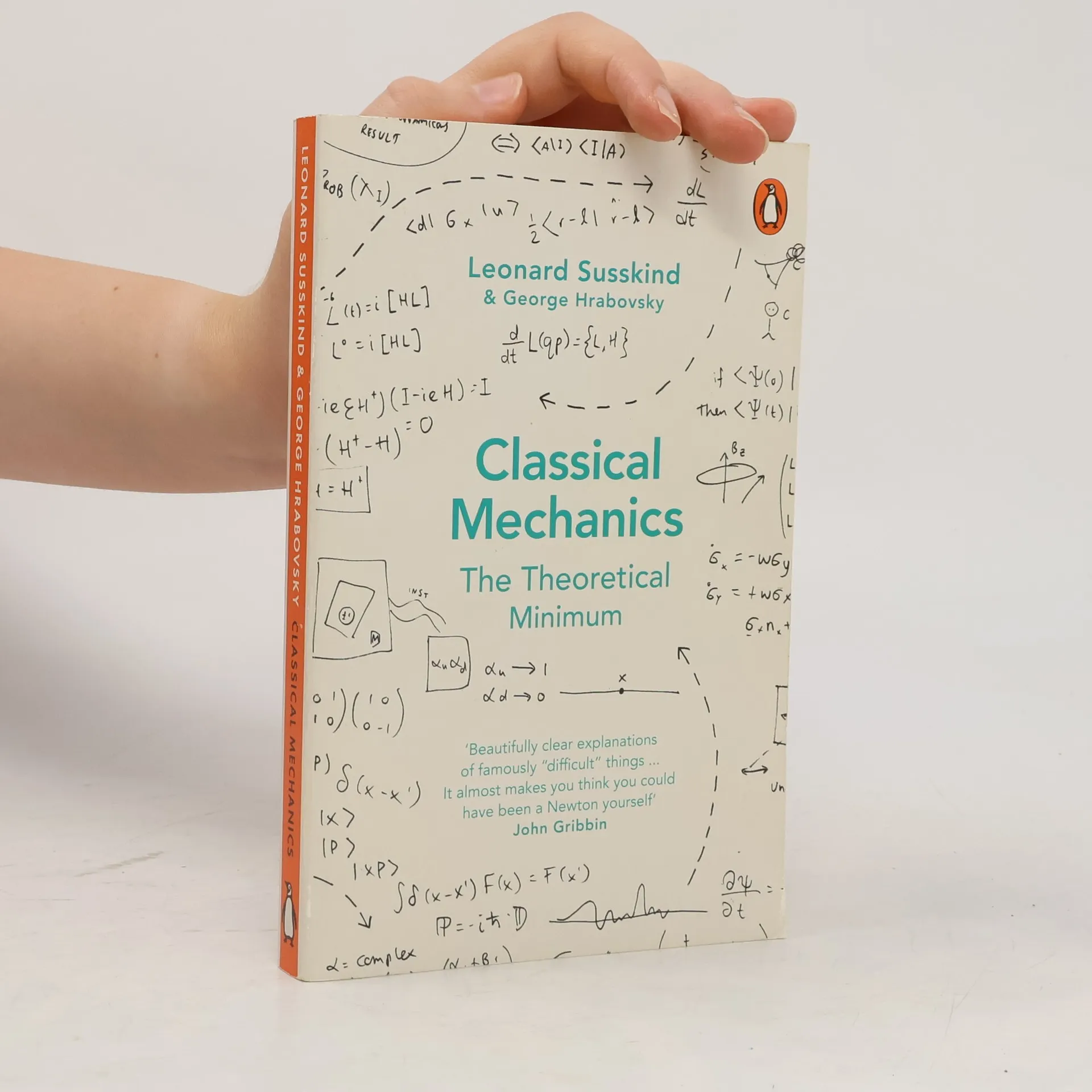
      This is the ultimate master class in modern physics. World-class physicist and father of string theory Leonard Susskind and citizen-scientist George Hrabovsky combine forces in a primer that teaches the skills you need to do physics yourself. Combining crystal-clear explanations of the laws of the universe with basic exercises (including essential equations and maths), the authors cover the minimum that readers should master. They introduce the key concepts of modern physics, from classical mechanics to general relativity to quantum theory, and provide a practical toolkit that you won't find in any other popular science book.

      Classical Mechanics
      4.2
    • A string theorist and a citizen scientist instruct lay readers on elementary principles of physics and associated math that amateur enthusiasts should know in order to study more advanced topics, in a reference that covers such topics as classical mechanics, electromagnetic fields and chaos theory. "A first course in physics and associated math for the ardent amateur ... beginning with classical mechanics"--Dust jacket flap.

      The theoretical minimum. What you need to know to start doing physics
      4.2
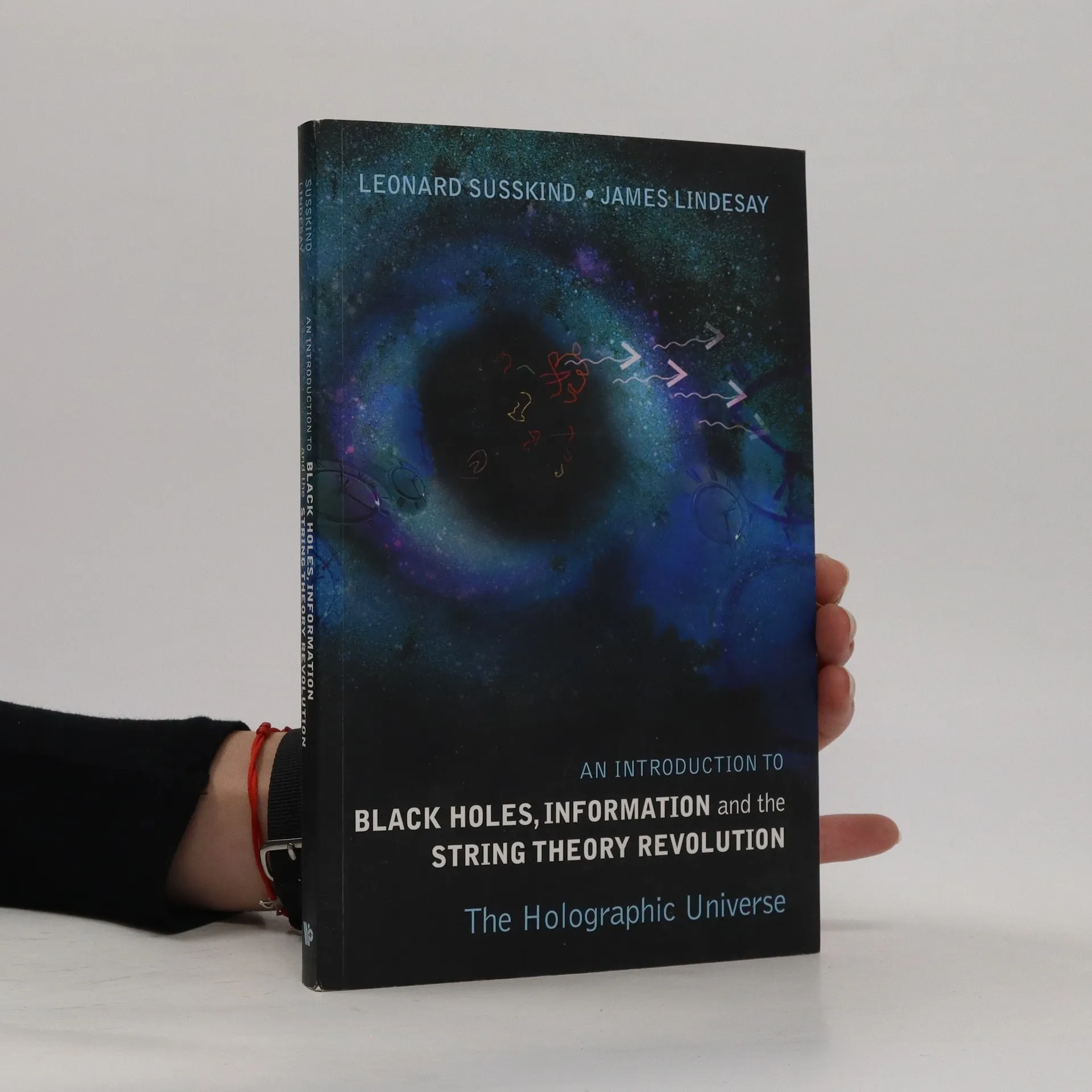
    • - A unique exposition of the foundations of the quantum theory of black holes including the impact of string theory, the idea of black hole complementarily and the holographic principle bull; Aims to educate the physicist or student of physics who is not an expert on string theory, on the revolution that has grown out of black hole physics and string theory

      An Introduction to Black Holes, Information and the String Theory Revolution
      4.1
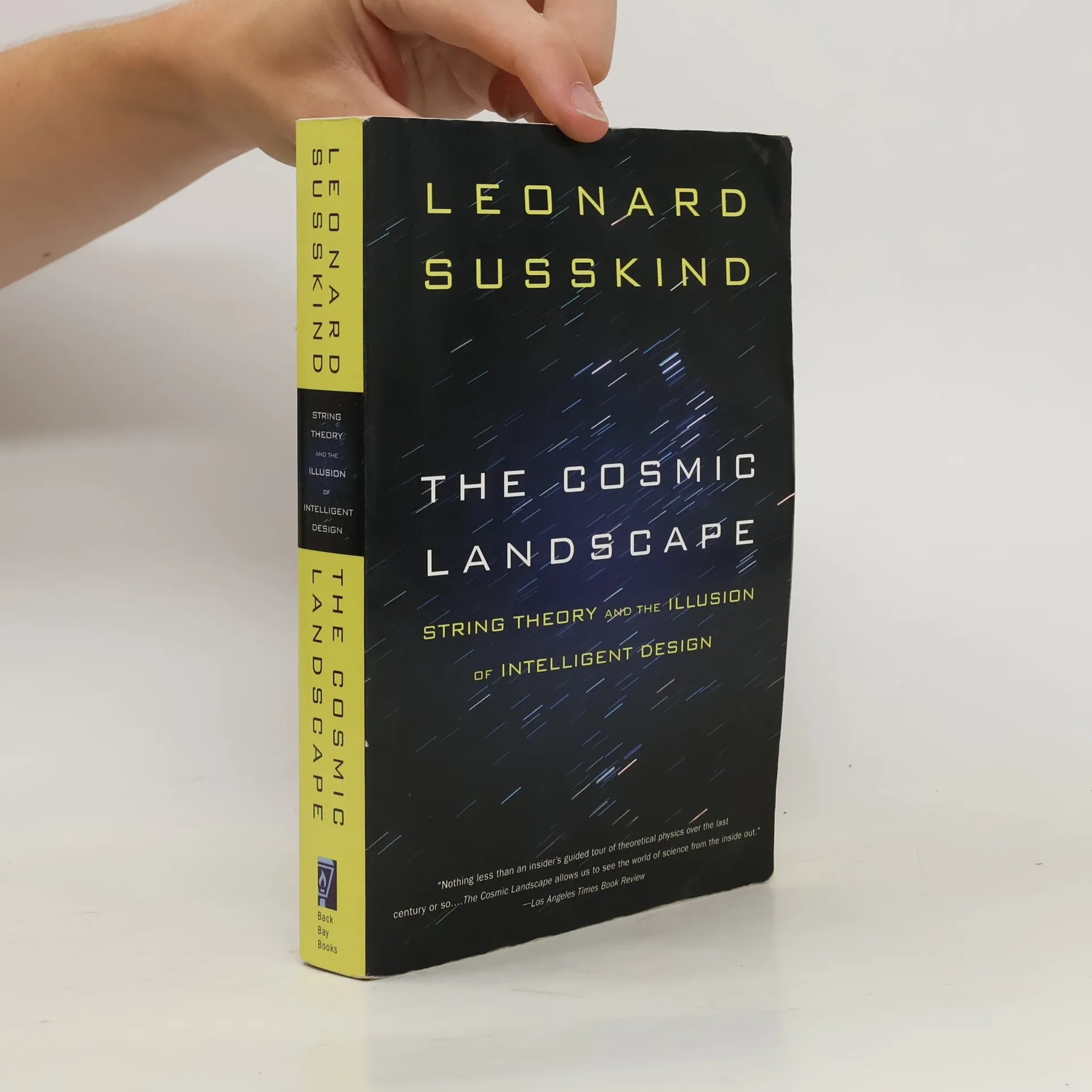
    • The Cosmic Landscape

      • 416 pages
      • 15 hours of reading

      In his first book ever, the father of string theory reinvents the world's concept of the known universe and man's unique place within it. Line drawings.

      The Cosmic Landscape
      4.1
    • The Black Hole War

      • 480 pages
      • 17 hours of reading

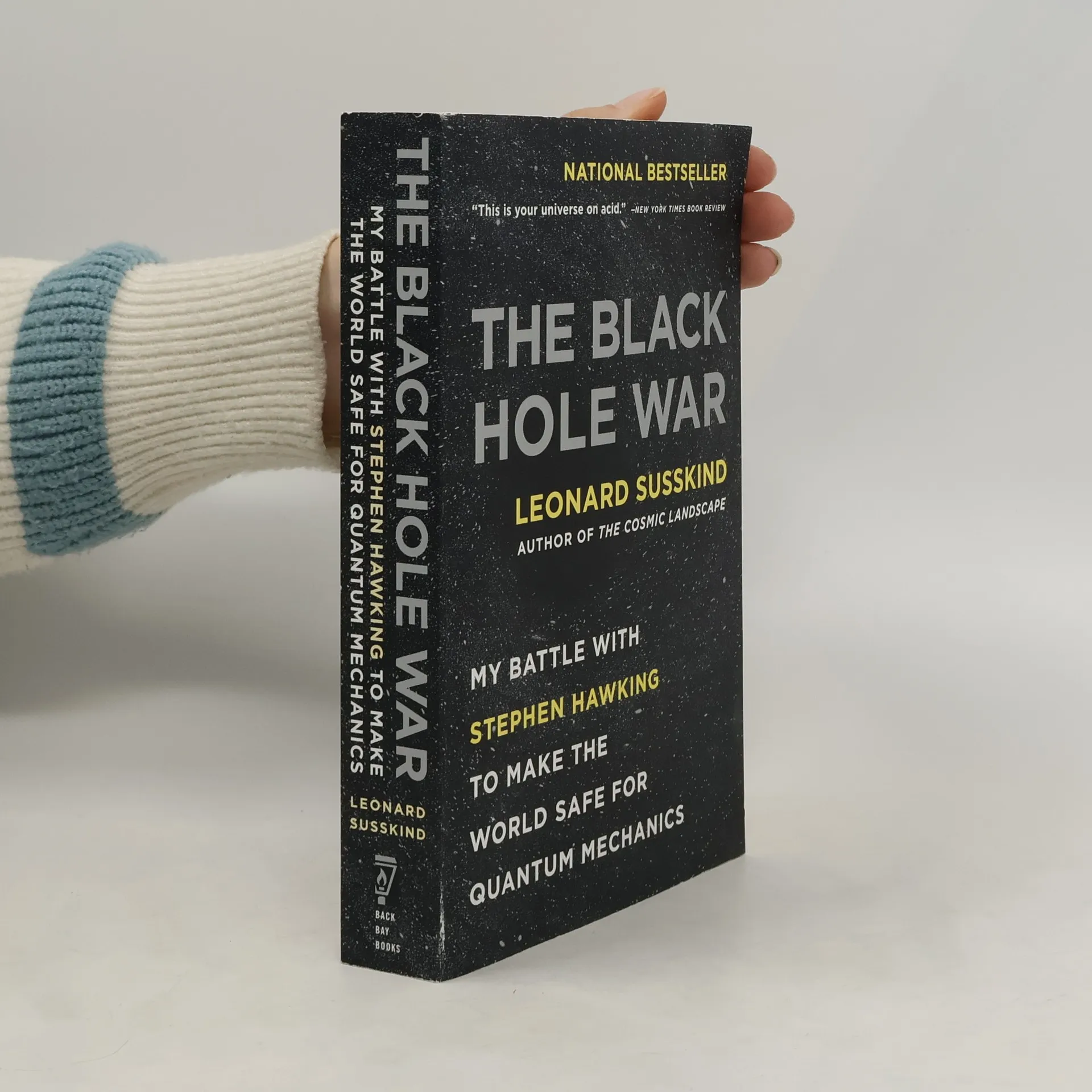
      At the beginning of the 21st century, physics is being driven to very unfamiliar territory--the domain of the incredibly small and the incredibly heavy. The new world is a world in which both quantum mechanics and gravity are equally important. But mysteries remain. One of the biggest involved black holes. Famed physicist Stephen Hawking claimed that anything sucked in a black hole was lost forever. For three decades, Leonard Susskind and Hawking clashed over the answer to this problem. Finally, in 2004, Hawking conceded. THE BLACK HOLE WAR will explain the mind-blowing science that finally won out, and the emergence of a new paradigm that argues the world--this catalog, your home, your breakfast, you--is actually a hologram projected from the edges of space.

      The Black Hole War
      4.0
    • Exploring the intersection of quantum complexity and black holes, this series of lectures delves into the relationship between complexity and the second law of thermodynamics. The first lecture introduces quantum complexity and its parallels with entropy, while the second examines how this complexity relates to black hole interiors and firewalls. The final lecture discusses the thermodynamics of complexity, highlighting "uncomplexity" as a valuable resource for computation and emphasizing the significance of "one clean qubit" in both computational and space-time contexts.

      Three Lectures on Complexity and Black Holes
    • «Теоретический минимум» — книга для тех, кто пропускал уроки физики в школе и институте, но уже жалеет об этом. Хотите разобраться в основах естественных наук и научиться думать и рассуждать так, как это делают современные физики? В оригинальной и нестандартной форме известные американские ученые Леонард Сасскинд и Джордж Грабовски предлагают вводный курс по математике и физике для пытливых умов. В отличие от прочих научно-популярных книг, пытающихся доступно объяснить законы физики, ловко уклоняясь от уравнений и формул, авторы учат читателя классическим основам естественных наук. Книга предлагает собственную оригинальную методику обучения, дополненную видеолекциями, публикуемыми на сайте theoreticalminimum.com. Книга включена в библиотеку фонда «Династия».

      все, что нужно знать о современной физике. Vse, chto nuzhno znat' o sovremennoy fizike
      4.5
    • Der Krieg um das Schwarze Loch

      • 540 pages
      • 19 hours of reading

      Wenn etwas in einem Schwarzen Loch verschwindet, geht es dann für immer verloren? Stephen Hawking, der berühmte britische Physiker, und Leonard Susskind, Physiker und Theoretiker aus den USA, gerieten über diese Frage in Streit. Hawking vertrat die These, dass alles, was je von einem Schwarzen Loch verschluckt worden sei, nicht wiederkehren könne. Wäre dem wirklich so, würde das unser ganzes Verständnis des Universums von Grund auf erschüttern, hielten Leonard Susskind und der niederländische Physiker Gerald t’Hoofd dagegen. Mehr als drei Jahrzehnte dauerte der Streit der Wissenschaftler über das Phänomen der Schwarzen Löcher. Leonard Susskinds Buch Der Krieg ums Schwarze Loch ist eine anschauliche, dramatische Expedition durch die Welt der modernen Physik und die galaktischen Weiten. Der weltweit angesehene Forscher erläutert darin, wie aus einer der spannendsten Auseinandersetzungen in der Quantenmechanik ein neues Paradigma, der genauso merkwürdig und revolutionär wie Heisenbergs Unschärferelation ist. „Leuchtend und unterhaltsam.“ The Los Angeles Times

      Der Krieg um das Schwarze Loch
      4.5
    • Quantenmechanik: Das Theoretische Minimum

      Alles, was Sie brauchen, um Physik zu treiben

      • 259 pages
      • 10 hours of reading

      Was sind die Prinzipien der Quantenmechanik? Wie funktioniert Verschränkung? Was besagt das Bellsche Theorem? Mit diesem Buch gehen Leonard Susskind und Art Friedman eine Herausforderung an, die jeder Physik-Fan bewältigen will: die Quantenmechanik. Begeisterte Physik-Amateure bekommen die notwendige Mathematik und die Formeln an die Hand, die sie für ein wirkliches Verständnis benötigen. Mit glasklaren Erklärungen, witzigen und hilfreichen Dialogen und grundlegenden Übungen erklären die Autoren nicht alles, was es über Quantenmechanik zu wissen gibt – sondern alles Wichtige.

      Quantenmechanik: Das Theoretische Minimum
      4.5
    • Elektrodynamik und Relativität: Das theoretische Minimum

      Alles, was Sie brauchen, um Physik zu treiben

      • 323 pages
      • 12 hours of reading

      Wie entsteht die Lorentz-Kraft? Was haben Felder mit Teilchen zu tun? Wieso ist Eichinvarianz anders? Leonard Susskind und Art Friedman erklären nicht alles, was es über Spezielle Relativitätstheorie und Elektrodynamik zu wissen gibt – sondern alles Wichtige. Mit diesem Buch bekommen begeisterte Physik-Amateure die notwendige Mathematik und Formeln an die Hand, die sie für ein wirkliches Verständnis benötigen. Die Autoren erklären mit witzigen und hilfreichen Dialogen, grundlegenden Übungen und glasklaren Erläuterungen die Spezielle Relativitätstheorie und Elektrodynamik so einfach wie möglich, aber nicht einfacher.

      Elektrodynamik und Relativität: Das theoretische Minimum
      4.4
    • Książka, dzięki kt�rej poznasz smak prawdziwej fizyki . ?Teoretyczne minimum' to książka dla każdego, komu zdarzyło się żałować, że nie jest fizykiem, każdego, kto chciałby się przekonać i doświadczyć, w jaki spos�b fizycy myślą i pracują. W przeciwieństwie do książek popularnonaukowych, kt�re dają czytelnikowi przedsmak fizyki, ?Teoretyczne minimum' Leonarda Susskinda uczy umiejętności niezbędnych, by naprawdę zająć się fizyką i m�c o własnych siłach poszerzać wiedzę i poznawać bardziej skomplikowane tematy. Książka Susskinda to zestaw narzędzi, kt�ry umożliwia podjęcie tej wspaniałej intelektualnej wędr�wki.

      Teoretyczne minimum
      4.2
    • Mechanika kwantowa. Teoretyczne minimum

      • 336 pages
      • 12 hours of reading

      Drugi tom serii autorstwa Leonarda Susskinda. Pierwszy, ?Teoretyczne minimum?, dotyczył mechaniki klasycznej. ?Mechanika kwantowa. Teoretyczne minimum? to książka dla wszystkich, kt�rzy kiedykolwiek zastanawiali się nad tym, jak bardzo niezrozumiała jest mechanika kwantowa. Autor dostarcza narzędzi, kt�re nie tylko umożliwiają zapoznanie się ze sposobem myślenia fizyk�w o mechanice kwantowej, lecz także dają praktyczną podstawę, by o własnych siłach pogłębiać wiedzę i poszerzać umiejętności. A wszystko to z charakterystyczną dla Leonarda Susskinda lekkością, błyskotliwością i poczuciem humoru!

      Mechanika kwantowa. Teoretyczne minimum
      4.2
    • Klassische Mechanik: Das Theoretische Minimum

      Alles, was Sie brauchen, um Physik zu treiben

      • 181 pages
      • 7 hours of reading

      Wie bewegt sich ein Körper? Was ist das Prinzip der kleinsten Wirkung? Sind Symmetrien grundlegend? Leonard Susskind und George Hrabovsky erklären nicht alles, was es über die Klassische Mechanik zu wissen gibt – sondern alles Wichtige. Begeisterte Physik-Amateure bekommen die notwendige Mathematik und die Formeln an die Hand, die sie für ein wirkliches Verständnis benötigen. Mit glasklaren Erklärungen, witzigen und hilfreichen Dialogen und grundlegenden Übungen erklären die Autoren die Klassische Mechanik so einfach wie möglich, aber nicht einfacher.

      Klassische Mechanik: Das Theoretische Minimum
      2.5
    • Kolejny tom serii „Teoretyczne minimum” poświęcony jest ogólnej teorii względności, będącej największym osiągnięciem Alberta Einsteina. Autorzy, Leonard Susskind i André Cabannes, rozwijają zagadnienia z poprzednich tomów, które obejmowały mechanikę klasyczną, mechanikę kwantową oraz szczególną teorię względności. Rozpoczynają od zasady równoważności, a następnie przedstawiają kluczowe aspekty matematyczne, takie jak geometria Riemanna i rachunek tensorowy, aby wyjaśnić związek między geometrią a grawitacją. Dalsza część książki zagłębia się w czarne dziury, równania pola Einsteina oraz fale grawitacyjne. Autorzy oferują jasne wyjaśnienia, które są zgodne z zasadą Einsteina, że należy dążyć do prostoty, ale nie upraszczać zbytnio. Publikacja stanowi przystępne i rygorystyczne wprowadzenie do jednej z kluczowych teorii fizyki, będąc lekturą obowiązkową dla tych, którzy pragną zgłębić strukturę Wszechświata. Susskind jest profesorem fizyki na Uniwersytecie Stanforda i współtwórcą teorii strun, natomiast Cabannes, po obronie pracy doktorskiej ze statystyki, zajmował się matematyką oraz doradztwem biznesowym.

      Ogólna teoria względności
    • Příběh začíná v roce 1981, kdy se vedla debata o osudu informací v černé díře. Stephen Hawking tvrdil, že informace jsou navždy ztraceny, zatímco Leonard Susskind zastával názor, že takový zánik odporuje základním fyzikálním zákonům. Tato konfrontace ilustruje dva vědecké přístupy: jeden se zaměřuje na relativitu, druhý na kvantovou mechaniku. Spor vedl k rozpracování holografického principu, podle něhož by vesmír mohl být dvourozměrnou informační strukturou na kosmologickém horizontu. Susskind se v knize zabývá holografickým principem a teorií strun, přičemž uznává, že porozumění kvantovému vesmíru vyžaduje abstraktní matematiku, ale snaží se to přiblížit čtenářům. Hawking, jakožto jeden z nejznámějších fyziků, se stal symbolem "války o černé díry". Jeho tvrzení o ztrátě informací má dalekosáhlé důsledky pro fyziku a náš svět. Dvouleté úsilí obou vědců, které nakonec vedlo k Hawkingovu ustoupení, přineslo důležité teoretické poznatky a hypotézu, že náš svět může být holografickou iluzí, projekcí z dimenze, kterou si dosud nedokážeme plně představit.

      Válka o černé díry: souboj se Stephenem Hawkingem o záchranu principů kvantové mechaniky
      4.7