


Prehistoric, Ancient Near Eastern & Aegean Textiles and Dress
An Interdisciplinary Anthology
- 224 pages
- 8 hours of reading
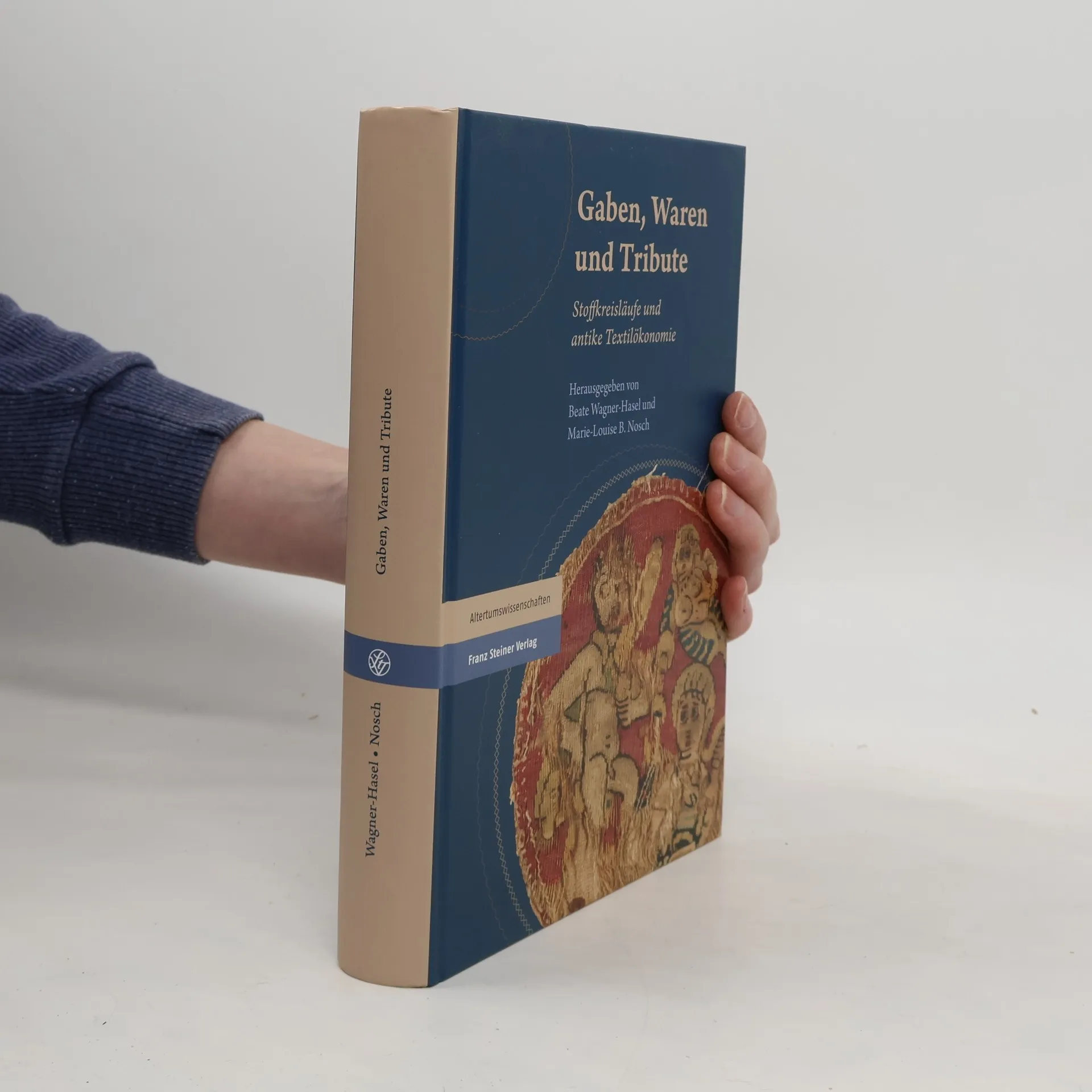
Textile and dress production, from raw materials to finished items, has significantly influenced society throughout history. This volume presents essays that provide fresh insights into the interdisciplinary research field of textile and dress studies, utilizing archaeological, iconographical, and textual evidence across various geographical and chronological contexts. The thirteen chapters examine topics including the analysis of textile tools like spindle whorls and imprints to reconstruct production in diverse settings such as Neolithic Transylvania and the Early Iron Age Eastern Mediterranean. The significance of cuneiform clay tablets is highlighted for illustrating the administration of textile industries and addressing gender issues, particularly the construction of masculinity in ancient Sumer. Additionally, royal and priestly costumes in Mesopotamia and Mycenaean culture are discussed. The volume also explores the exchange of textile terms between Semitic and Indo-European languages, the production and consumption of textiles in 2nd millennium Hittite Anatolia, and a systematic study of golden dress decorations from Assyria. Finally, it delves into the economy of linen and the symbolic value of fiber types in 1st millennium Babylonia and the Southern Levant. This work is part of a pair with another anthology edited by Mary Harlow and Marie-Louise Nosch.