

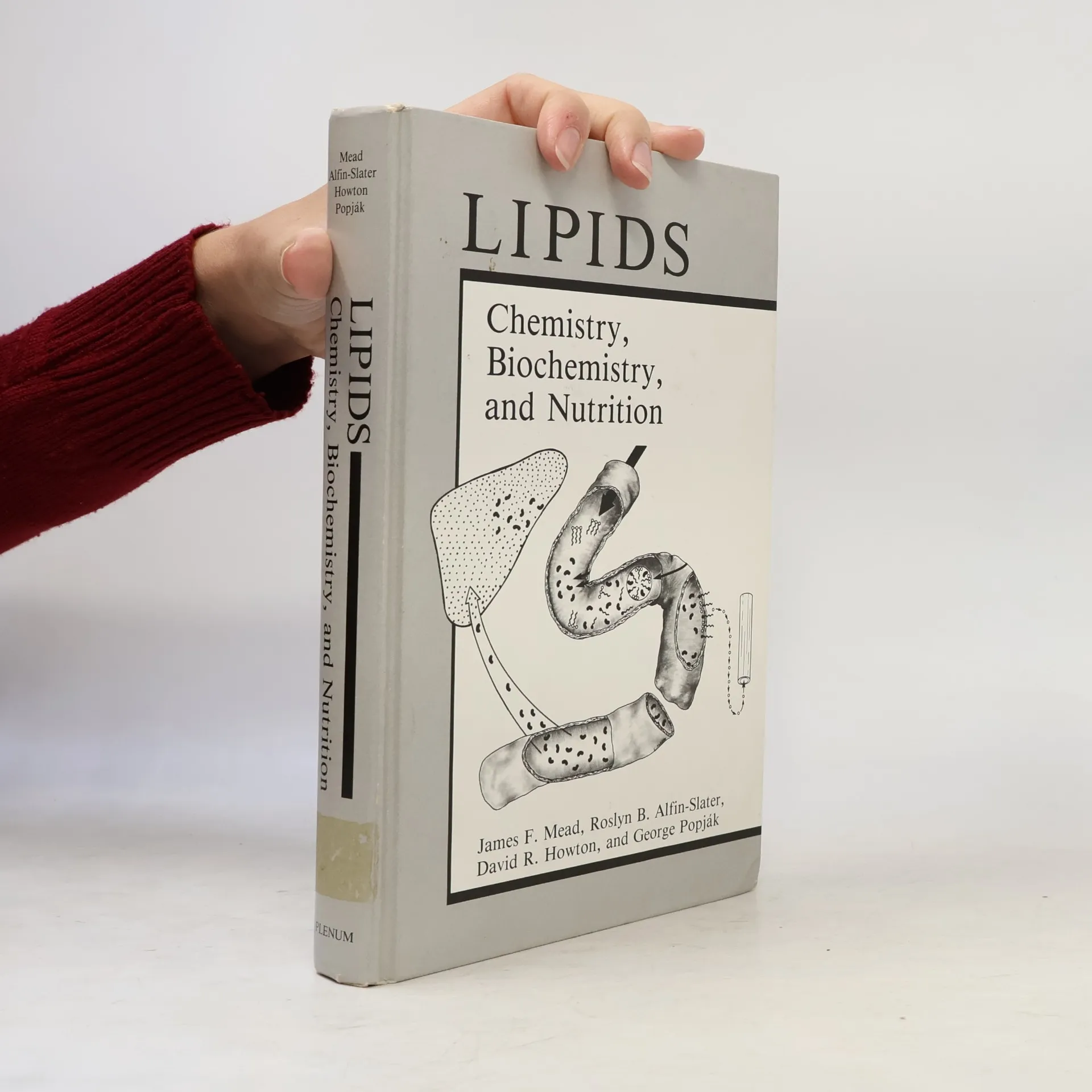
For several years, we have taught a course on the chemical, metabolic, and nutritional aspects of lipids to graduate and postdoctoral students in health sciences at UCLA. The course was conducted in an "open-ended" format, allowing discussions to continue as needed to thoroughly explore each topic. It became clear that no adequate text was available to supplement our lectures. This book aims to fill that gap by extensively covering most aspects of lipids, including their physical and chemical properties, biochemistry, metabolic pathways, and nutritional roles. It is designed for those with a basic understanding of biochemistry who wish to deepen their knowledge of lipids, including graduate students, researchers entering the field, and clinicians. While the book provides adequate references, it is not intended as a complete reference source. The cited publications are considered significant by the authors of each chapter and serve as a gateway for further reading. Naturally, more references are included for rapidly advancing topics compared to those that are more stable.
Roslyn B. Alfin-Slater Books

Human Nutrition: A Comprehensive Treatise - 7: Cancer and Nutrition
- 508 pages
- 18 hours of reading
The role of nutrition in neoplasia has been of longstanding concern. The subject was addressed by investigators in the first decade of this century, but was dropped. Vigorous attention was paid to this area of oncology in the 1940s, primarily due to the efforts of Dr. A. Tannenbaum at the Michael Reese Hospital in Chicago and the group at the University of Wisconsin in Madison. However, interest waned again until the 1970s when the question of diet and cancer was addressed and it has since been at the forefront of cancer research. The present volume (7) of Human A Comprehensive Treatise summarizes current knowledge in the area of nutrition and cancer. The first chapter is an overview written by John Higginson, whose contribution to understanding of cancer and nutrition spans several decades. The next essays cover epidemiology and physiology. The ensuing chapters address, in tum, those dietary factors relating to nutrition and cancer, namely, carbohydrates, protein, fat, cholesterol, calories, lipotropics, fiber, fruits and vegetables, vitamins, and alcohol. In a field moving as rapidly as this one is now, we can expect to miss a few late-breaking developments, but generally, the literature has been well covered through some time in 1988. Work relating to the effects of diet on oncogenes is in its very early development and has not been addressed as an entity per se.