Les Liaisons dangereuses
- 384 pages
- 14 hours of reading
An epistolary novel chronicles the cruel seduction of a young girl by two ruthless, 18th-century aristocrats.


An author who aimed to leave a lasting impression, he is celebrated for a masterpiece of 18th-century literature. His epistolary novel delves into the intricate amorous intrigues of the aristocracy, exposing the illusory nature of human relations. Despite his military background and lack of illusions about human nature, he crafted a work that courted scandal and inspired numerous adaptations, fulfilling his ambition for lasting impact.



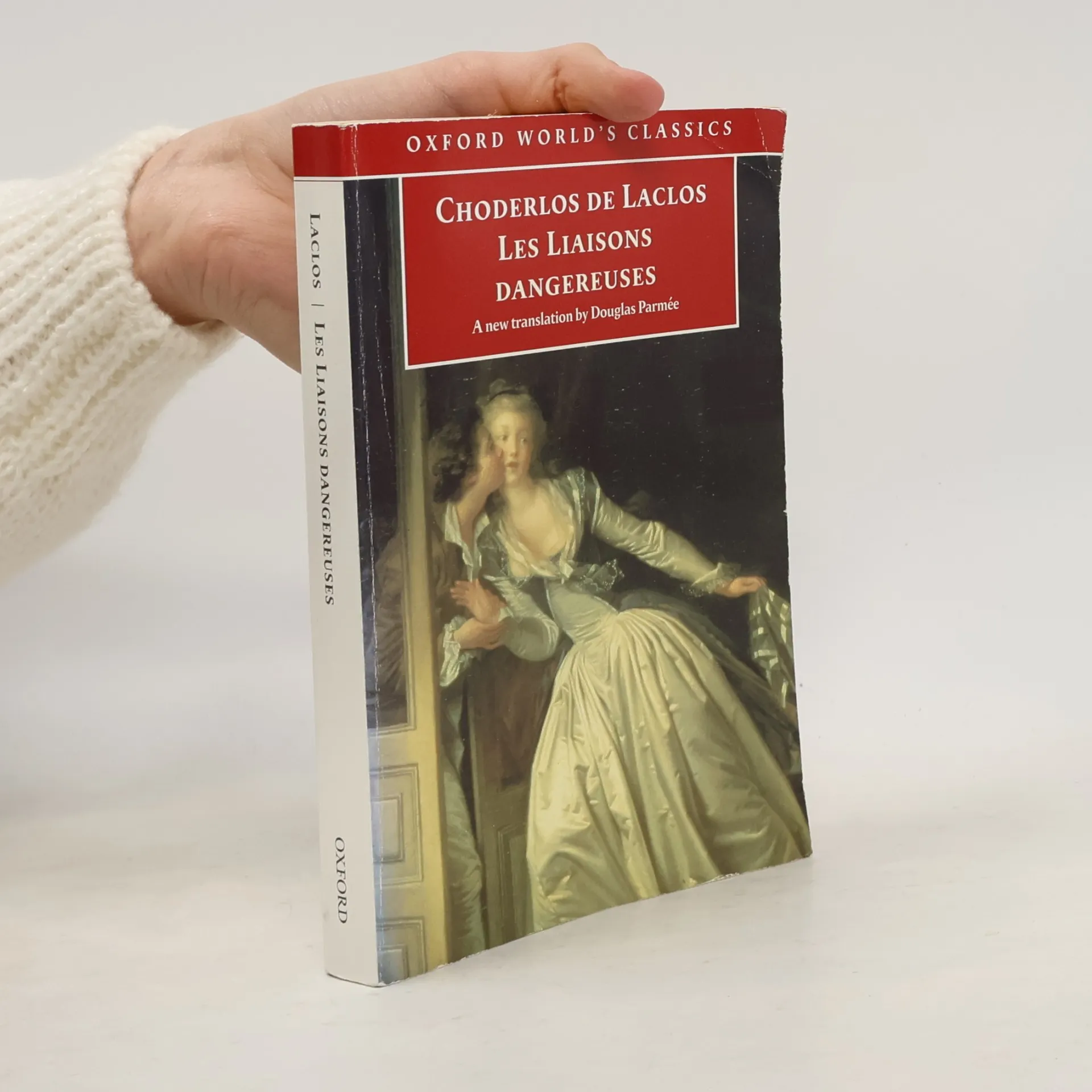
An epistolary novel chronicles the cruel seduction of a young girl by two ruthless, 18th-century aristocrats.
The complex moral ambiguities of seduction and revenge make Les Liaisons dangereuses (1782) one of the most scandalous and controversial novels in European literature. The subject of major film and stage adaptations, the novel's prime movers, the Vicomte de Valmont and the Marquise de Merteuil, form an unholy alliance and turn seduction into a game - a game which they must win. This new translation gives Laclos a modern voice, and readers will be able a judge whether the novel is as "diabolical" and "infamous" as its critics have claimed, or whether it has much to tell us about the kind of world we ourselves live in. David Coward's introduction explodes myths about Laclos's own life and puts the book in its literary and cultural context.
Die Erzählung thematisiert die manipulative und gefährliche Natur von Liebe und Intrigen im französischen Hochadel des 18. Jahrhunderts. Die Protagonisten, zwei skrupellose Adelige, nutzen ihre Macht und ihren Charme, um andere in ein Netz aus Leidenschaft und Verrat zu ziehen. Der Neusatz in lesefreundlichem Großdruck und die sorgfältige Bearbeitung von Theodor Borken machen diese Ausgabe zugänglich und ansprechend. Die historische und literarische Bedeutung des Originals von 1782 wird durch die Übersetzung von Franz Blei und die ansprechende Gestaltung unterstrichen.
Pour vous autres hommes, les défaites ne sont que des succès de moins ; vous pouvez resserrer ou rompre les liens de l'amour à votre guise ; votre seul malheur est de ne point gagner. Dans cette partie inégale, notre fortune, à nous femmes, est de ne pas perdre et, sans cesse, nous devons faire preuve de talent, de perspicacité, de ruse pour y arriver et surmonter bien des obstacles.


Část první