


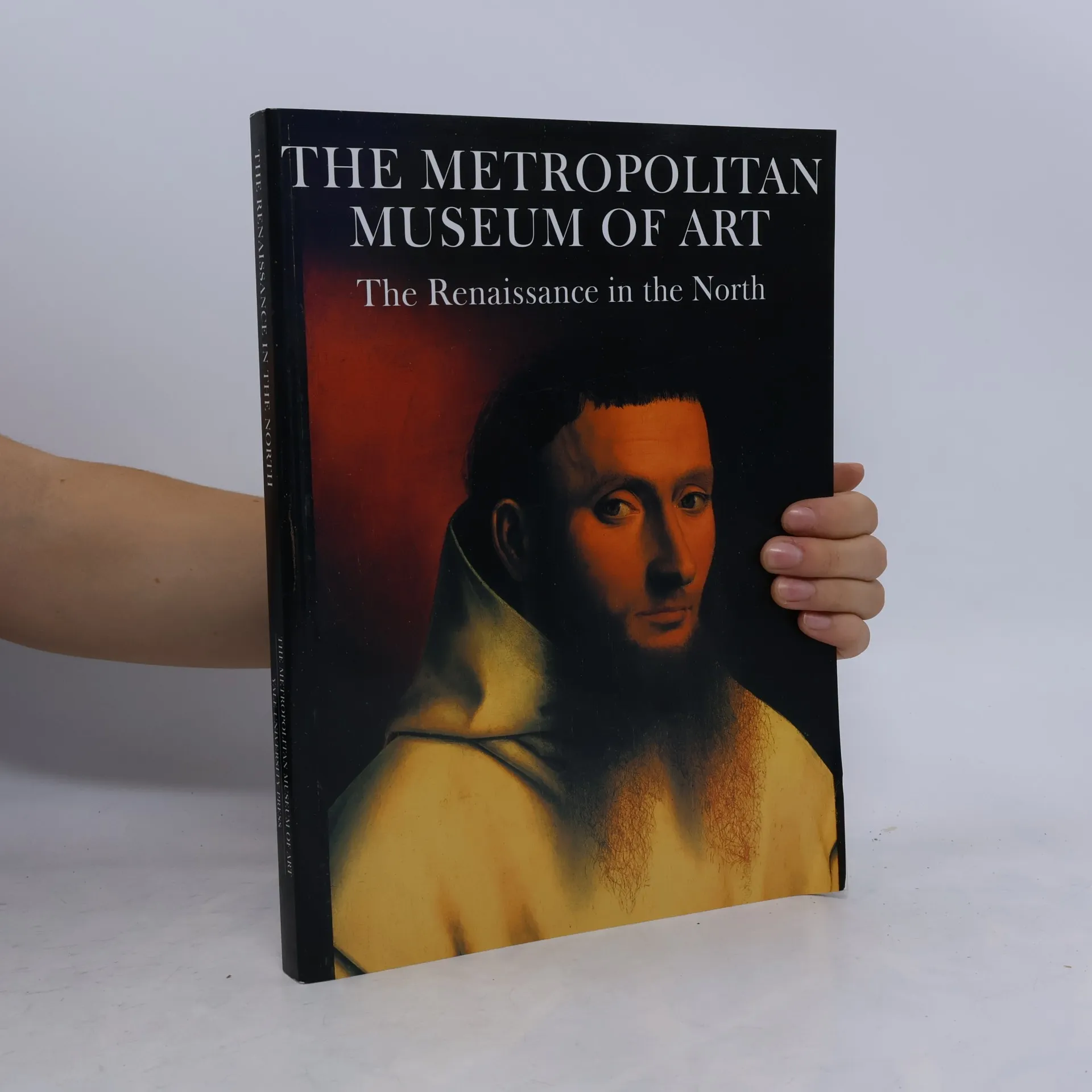
The Renaissance in the North
- 160 pages
- 6 hours of reading
During the fourteenth and fifteenth centuries, Northern European art experienced a vibrant evolution, distinct from the Italian Renaissance. Artists in the Netherlands, Germany, France, and England focused on meticulous detail in landscapes and domestic interiors, alongside an emotive portrayal of religious themes, particularly the Passion of Christ. Notable works like Jan van Eyck's Crucifixion and Last Judgment and Petrus Christus's Lamentation exemplify this dramatic and realistic approach. By the late fifteenth century, awareness of each other's work grew, leading to a shared Renaissance spirit across Europe in the sixteenth century. Artists such as Dürer, Cranach, Holbein, and Massys embraced the revival of classical learning that had previously characterized Italian art. This volume showcases over one hundred reproductions of works by German, Dutch, Flemish, French, and English masters from the fifteenth and sixteenth centuries, including renowned pieces like Van Eyck's Crucifixion, Memling's Tommaso Portinari, and Dürer's woodcut The Four Horsemen of the Apocalypse. It also features lesser-known works, decorative arts, and armor from The Metropolitan Museum of Art, such as stained-glass panels, a Flemish tapestry, and intricately designed musical instruments. An introduction by James Snyder, a professor of art history, provides insights into the Northern Renaissance's unique characteristics and its interplay with South