
Explore the latest books of this year!
Bookbot

Pierre-Emmanuel Dauzat Book order (chronological)

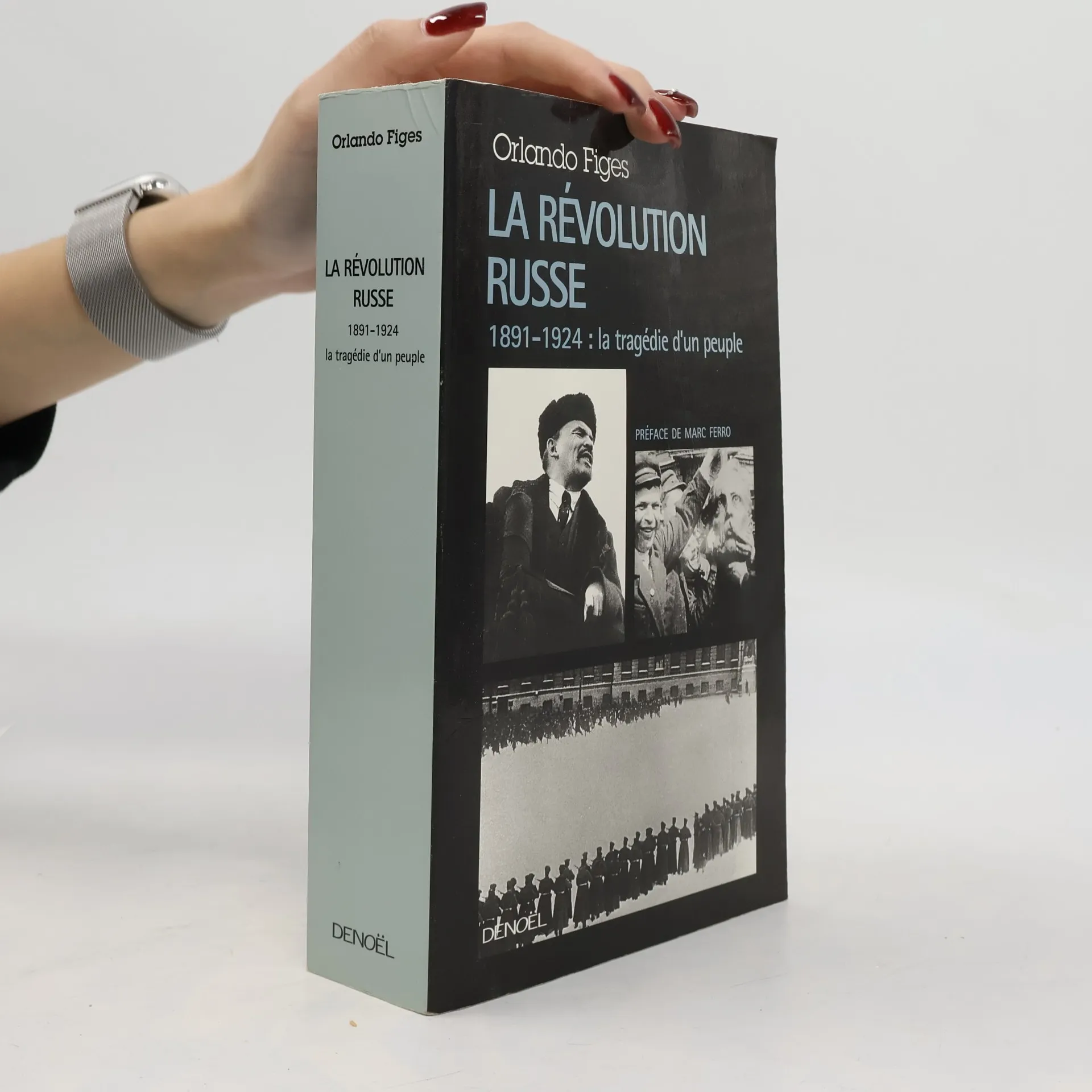
    La Révolution russe
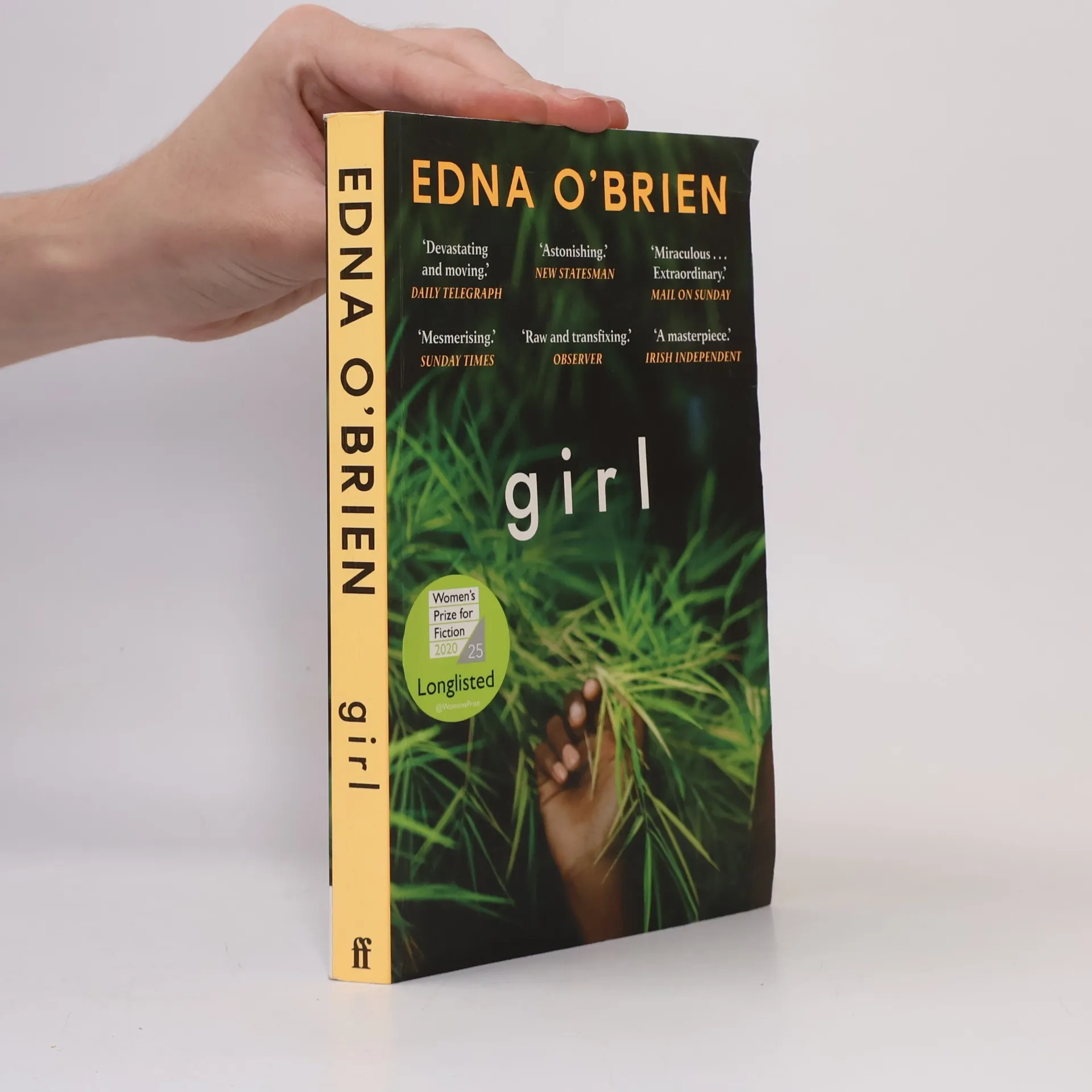
    Girl
    God: A Biography
    L'Art du XVe siècle des Parler à Dürer
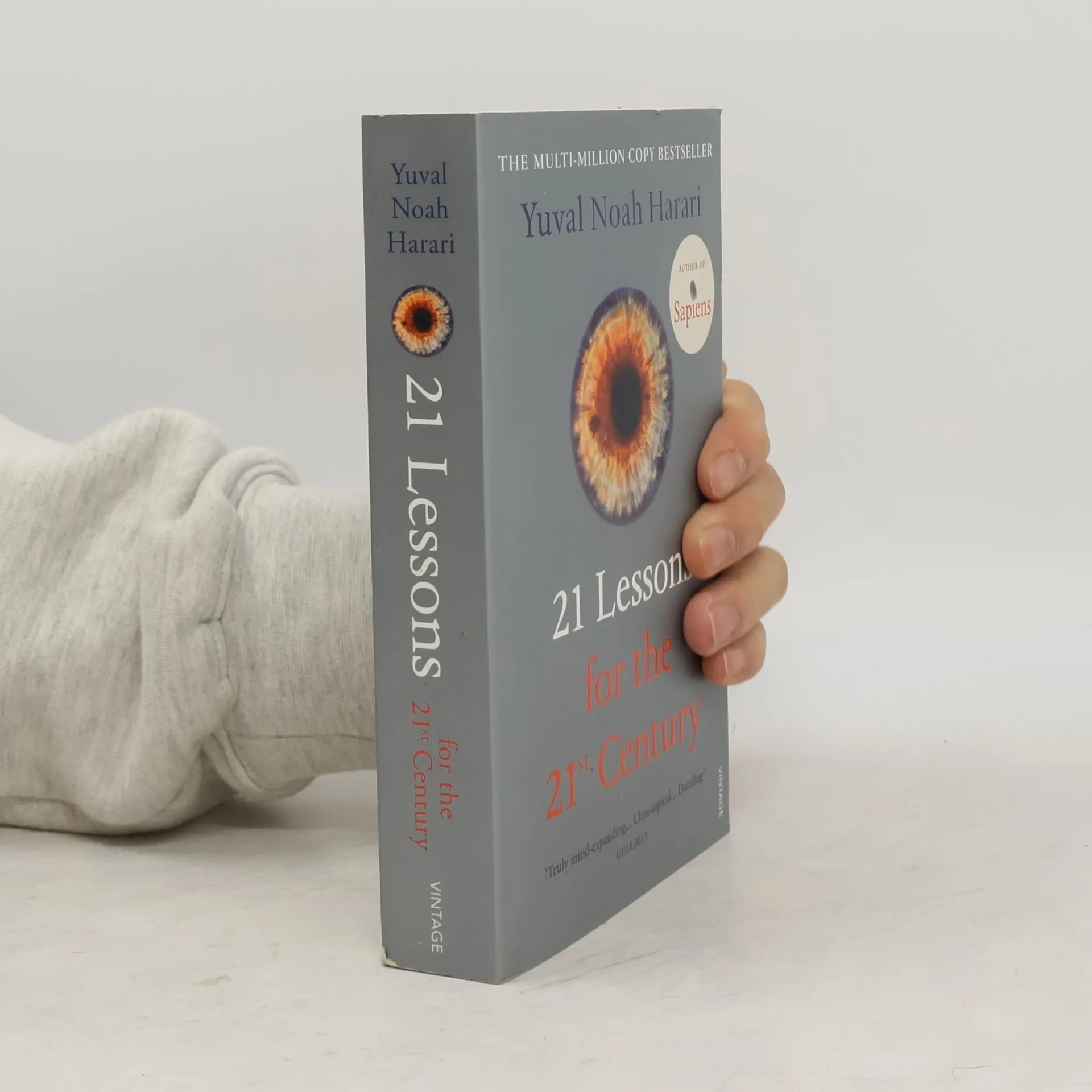
    21 Lessons for the 21st Century
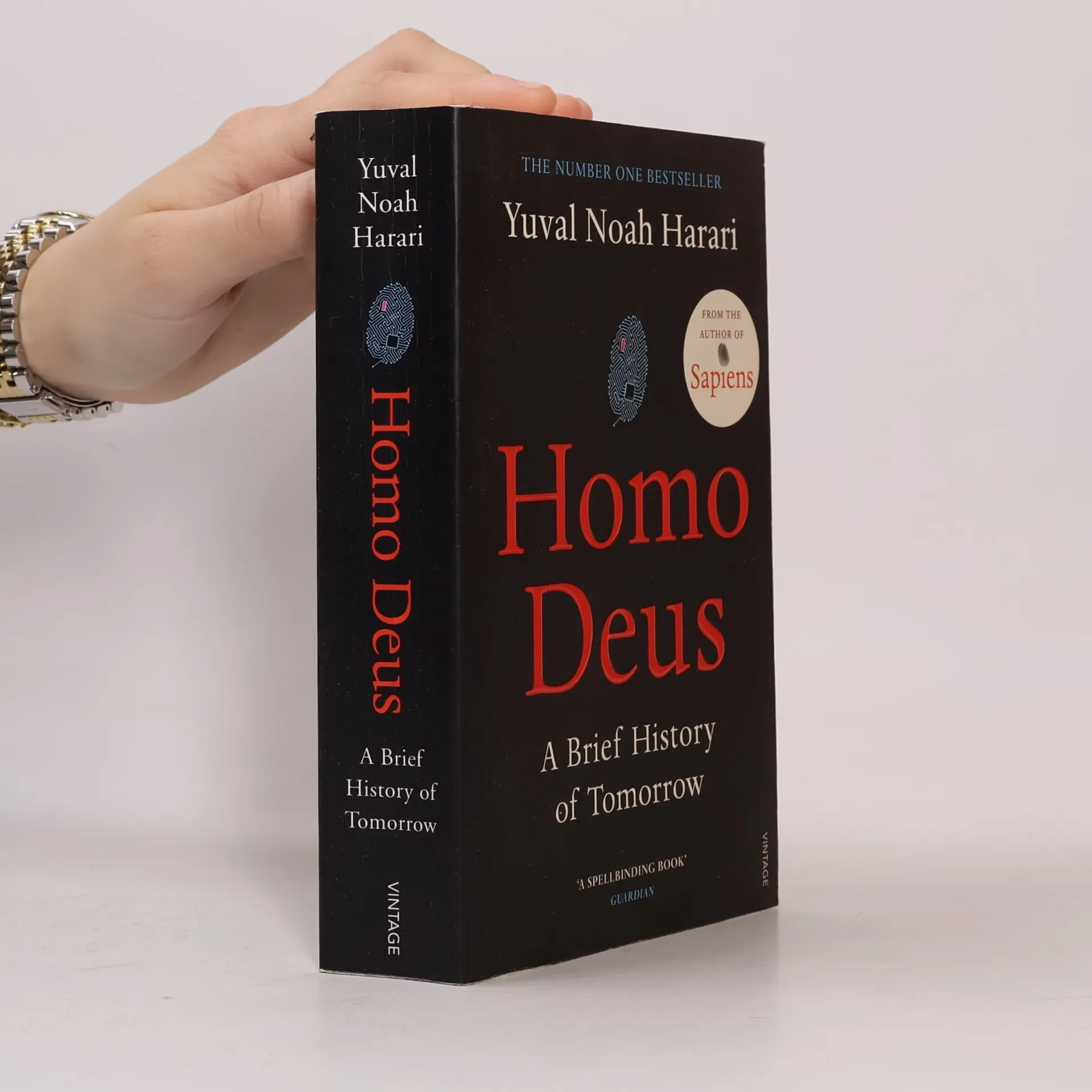
    Homo Deus. A Brief History of Tomorrow
    • Girl

      • 240 pages
      • 9 hours of reading

      Longlisted for the 2020 Women's Prize for Fiction Longlisted for the 2020 Orwell Prize for Political Fiction A Times, Evening Standard and Financial Times Book of the Year I was a girl once, but not any more . . . A young woman, barely more than a girl herself, must learn to survive with a child of her own, in a world which seems entirely consumed by madness. As she navigates a landscape of terrors and trials, can she find a place of safety within a society blinkered by mistrust and denial? 'Astonishing.' New Statesman 'Raw and transfixing.' Observer 'Miraculous . . . Extraordinary.' Mail on Sunday 'A masterpiece.' Irish Independent 'Mesmerising.' Sunday Times 'Devastating and moving.' Daily Telegraph
      Girl2019
      3.5
    • **THE NUMBER ONE BESTSELLER** In twenty-one bite-sized lessons, Yuval Noah Harari explores what it means to be human in an age of bewilderment. '21 Lessons is, simply put, a crucial book' Adam Kay How can we protect ourselves from nuclear war, ecological cataclysms and technological disruptions? What can we do about the epidemic of fake news or the threat of terrorism? What should we teach our children? Yuval Noah Harari takes us on a thrilling journey through today's most urgent issues. The golden thread running through his exhilarating new book is the challenge of maintaining our collective and individual focus in the face of constant and disorienting change. Are we still capable of understanding the world we have created? 'Fascinating... compelling... Harari has teed up a crucial global conversation about how to take on the problems of the 21st century' Bill Gates, New York Times 'Truly mind-expanding... Ultra-topical' Guardian

      21 Lessons for the 21st Century2018
      4.2
    • Homo Deus. A Brief History of Tomorrow

      • 528 pages
      • 19 hours of reading

      THE MILLION COPY BESTSELLERSapiensshows us where we came from. Homo Deusshows us where we?re going.Yuval Noah Hararienvisions a near future in which we face a new set of challenges. Homo Deusexplores the projects, dreams and nightmares that will shape the twenty-first century and beyond - from overcoming death to creating artificial life.It asks the fundamental questions- how can we protect this fragile world from our own destructive power? And what does our future hold?'Homo Deuswill shock you. It will entertain you. It will make you think in ways you had not thought before? Daniel Kahneman

      Homo Deus. A Brief History of Tomorrow2017
      4.2
    • La Révolution russe

      1891-1924. La tragédie d'un peuple

      • 1120 pages
      • 40 hours of reading

      <div> <p>It is history on an epic yet human scale. Vast in scope, exhaustive in original research, written with passion, narrative skill, and human sympathy, <b>A People's Tragedy</b> is a profound account of the Russian Revolution for a new generation. Many consider the Russian Revolution to be the most significant event of the twentieth century. Distinguished scholar Orlando Figes presents a panorama of Russian society on the eve of that revolution, and then narrates the story of how these social forces were violently erased. Within the broad stokes of war and revolution are miniature histories of individuals, in which Figes follows the main players' fortunes as they saw their hopes die and their world crash into ruins. Unlike previous accounts that trace the origins of the revolution to overreaching political forces and ideals, Figes argues that the failure of democracy in 1917 was deeply rooted in Russian culture and social history and that what had started as a people's revolution contained the seeds of its degeneration into violence and dictatorship. <b>A People's Tragedy</b> is a masterful and original synthesis by a mature scholar, presented in a compelling and accessibly human narrative.</p> </div>

      La Révolution russe2007
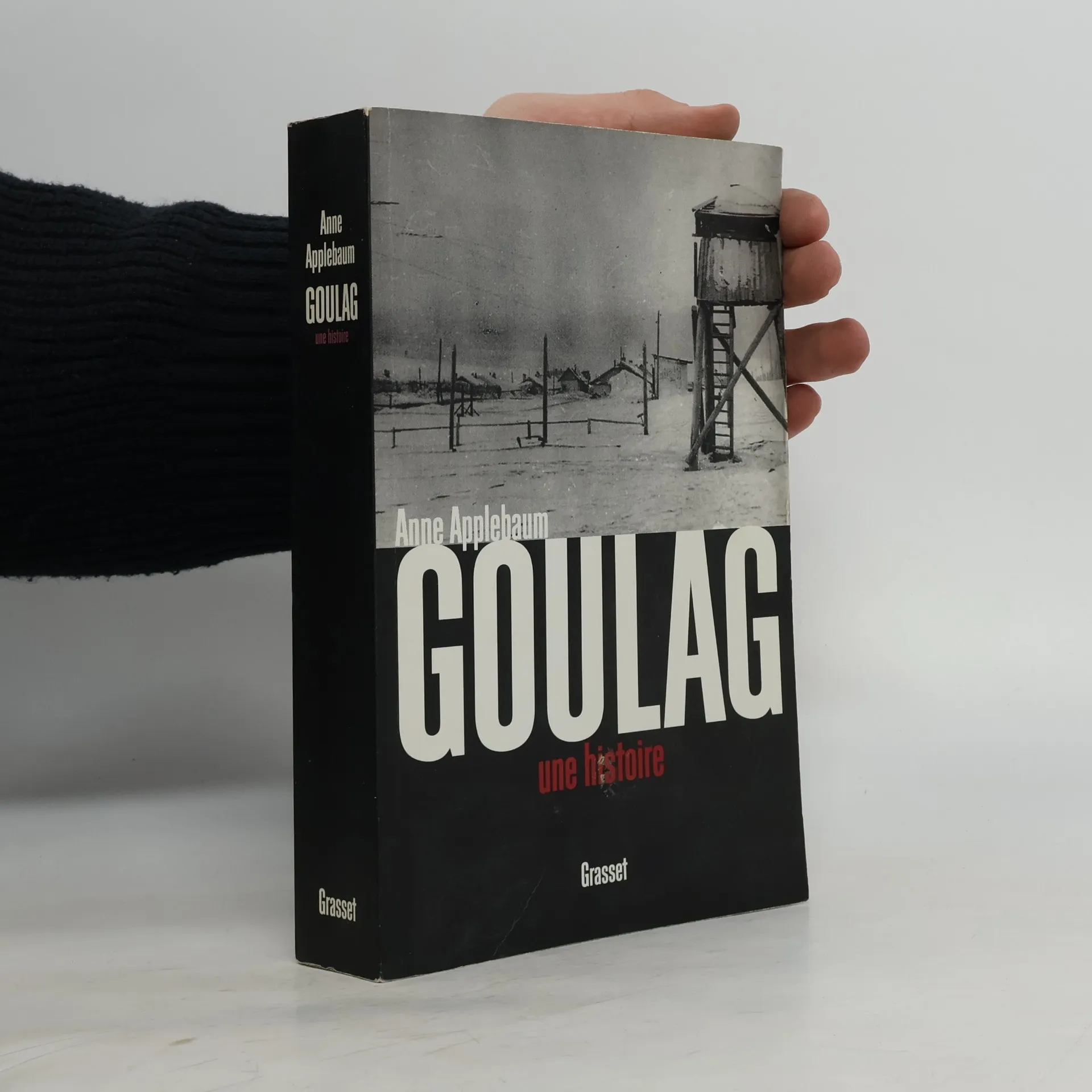
    • Goulag

      • 716 pages
      • 26 hours of reading

      Contrairement aux camps nazis, le gigantesque univers concentrationnaire propre au régime soviétique demeure largement méconnu. Les Kontslaguer apparurent en Russie dès 1918, comme instrument de répression politique et bientôt comme réservoir de main-d'oeuvre forcée pour l'industrialisation soviétique. De la Révolution à la Glasnost, 18 millions d'individus en furent les victimes ; 4,5 millions n'en revinrent jamais. Si Soljenitsyne, avec son Archipel du Goulag, en a donné un inoubliable témoignage littéraire, aucun historien n'en avait encore entrepris la relation globale. Anne Applebaum, puisant dans une masse encore à peine explorée d'archives, de témoignages et interviews de survivants, nous propose ici une étude sociologique minutieuse de la vie quotidienne des millions de zeks : l'absurdité des arrestations, la cadence infernale des travaux, la terreur, les violences inouïes et la mort omniprésente, les effroyables conditions d'hygiène mais aussi les stratégies de survie, les tentatives d'évasion, l'espoir et la solidarité qui, en dépit de tout, subsistent. Les camps devinrent rapidement une nation à l'intérieur de la nation, presque une civilisation à part entière, avec ses propres lois, sa diversité sociologique, sa littérature, son folklore, son argot, ses coutumes : c'est au coeur ténébreux de ce monde clos que nous convie l'auteur.

      Goulag2005
    • God: A Biography

      • 464 pages
      • 17 hours of reading

      WINNER OF THE PULITZER PRIZE What sort of "person" is God? What is his "life story"? Is it possible to approach him not as an object of religious reverence, but as the protagonist of the world's greatest book—as a character who possesses all the depths, contradictions, and abiguities of a Hamlet? This is the task that Jack Miles—a former Jesuit trained in religious studies and Near Eastern languages—accomplishes with such brilliance and originality in God: A Biography. Using the Hebrew Bible as his text, Miles shows us a God who evolves through his relationship with man, the image who in time becomes his rival. Here is the Creator who nearly destroys his chief creation; the bloodthirsty warrior and the protector of the downtrodden; the lawless law-giver; the scourge and the penitent. Profoundly learned, stylishly written, the resulting work illuminates God and man alike and returns us to the Bible with a sense of discovery and wonder.

      God: A Biography1996
      3.9
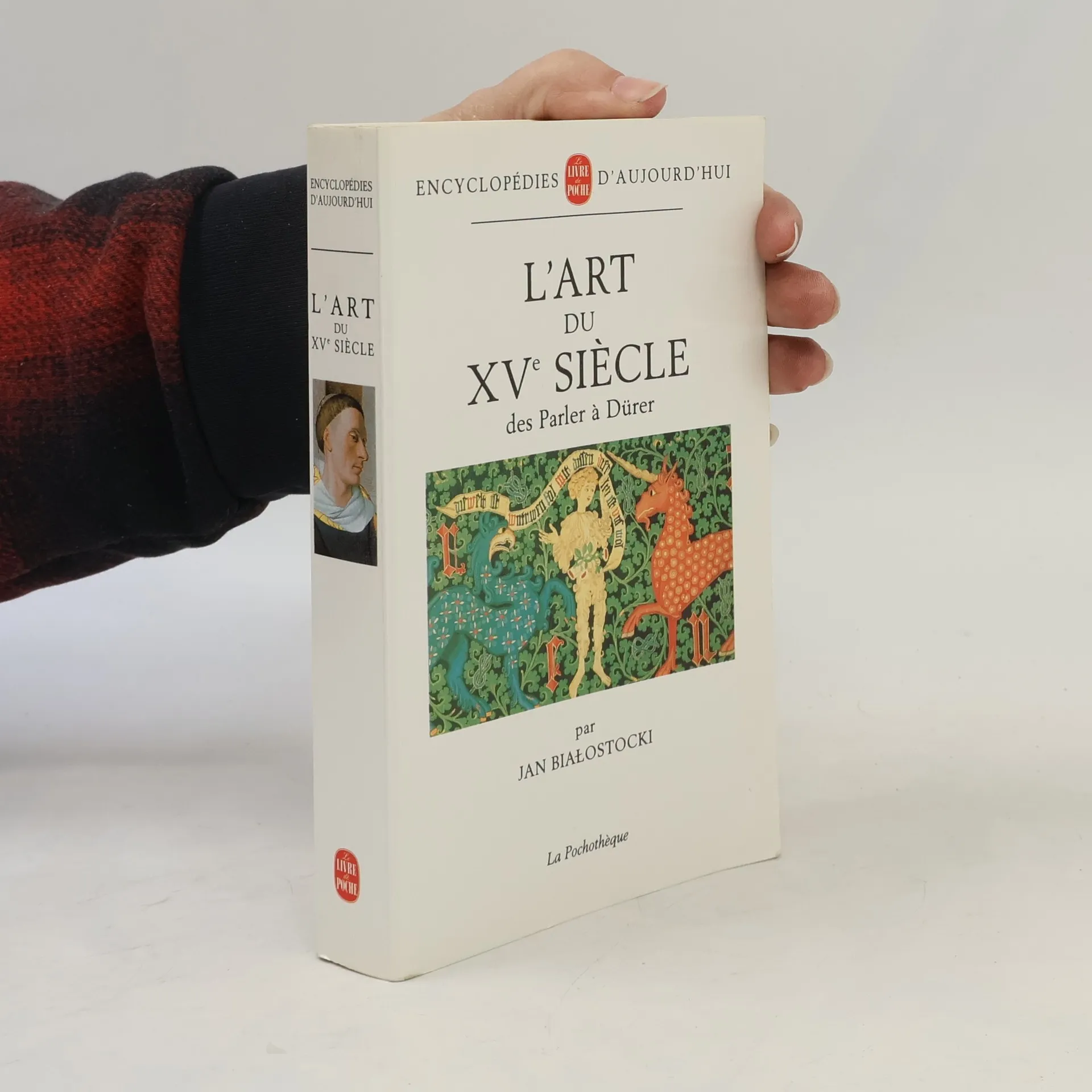
    • L'Art du XVe siècle des Parler à Dürer

      • 526 pages
      • 19 hours of reading

      Les triomphes de la Renaissance italienne sont si éclatants qu'ils ont eu tendance à reléguer dans l'ombre des pans entiers de l'art européen au XVe siècle. Dans cette synthèse sans équivalent, Jan Bialostocki, historien de l'art de renommée mondiale, corrige cette perspective et présente un tableau de toute l'activité artistique dans l'ensemble de l'Europe, de l'Espagne à la Russie, de l'Angleterre à la Bohême. Sans jamais diluer dans de vagues généralisations la personnalité de génies tels que Sluter, Fouquet, Van Eyck ou Schongauer, il caractérise les styles et les nouveaux types iconographiques en les reliant constamment aux bouleversements politiques et religieux de ce siècle qu'on a pu surnommer « l'automne du Moyen Âge ».

      L'Art du XVe siècle des Parler à Dürer1993
      3.7