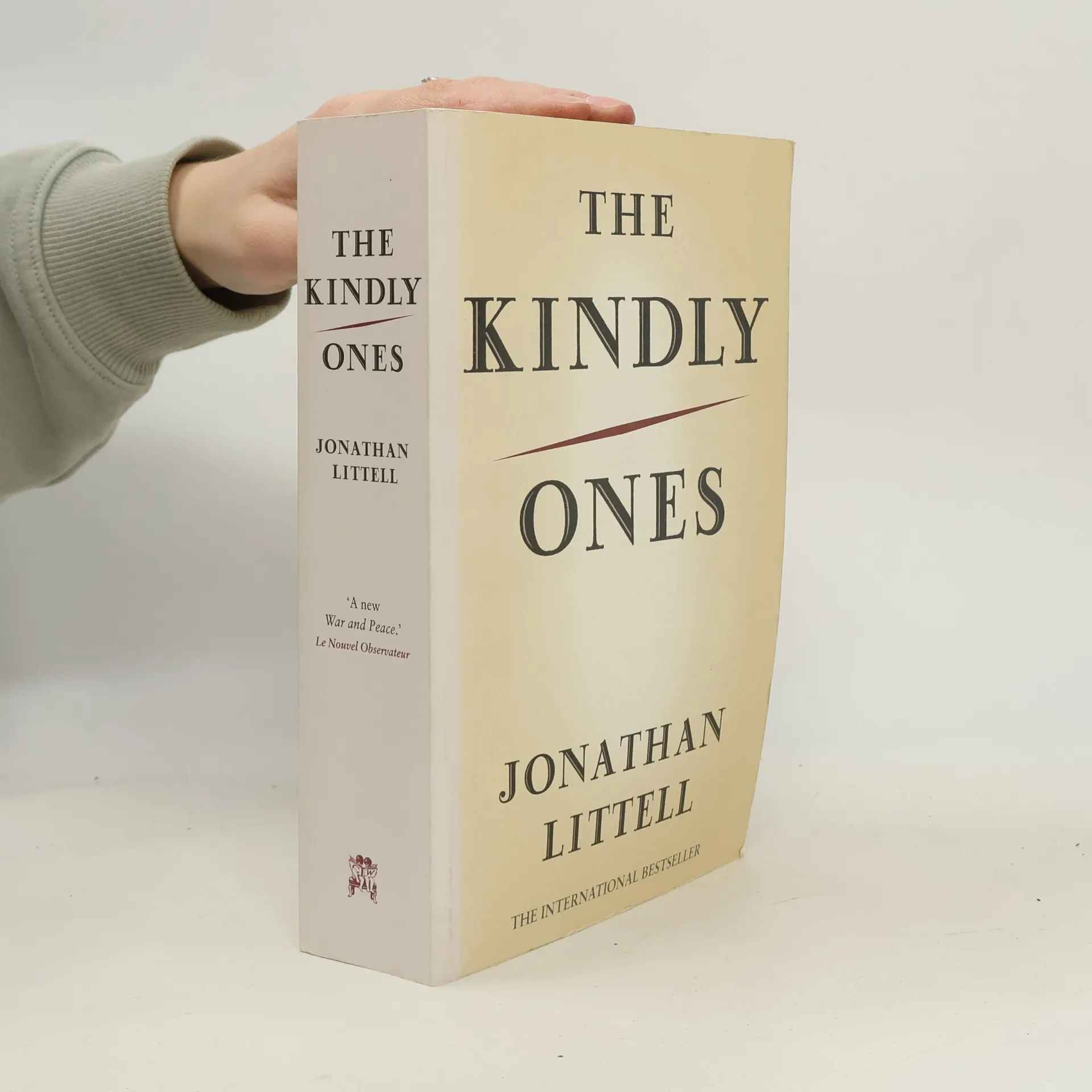
This Faustian tale unfolds as the fictional memoir of Dr. Max Aue, a former SS intelligence officer who has reinvented himself as a family man and lace factory owner in post-war France. An intellectual immersed in philosophy, literature, and classical music, Max is also a cold-blooded assassin and a meticulous bureaucrat. He recounts his life with chilling clarity, reflecting on his disrupted childhood, pivotal student experiences, and his involvement in Nazi atrocities across the Eastern Front, from Poland to the Caucasus. Present during the siege of Stalingrad and the death camps, he ultimately witnesses the chaotic downfall of the Nazis and Berlin. While Max is a fictional character, he interacts with historical figures like Eichmann, Himmler, and Hitler. This expansive, intense narrative is both hallucinatory and compelling, earning it the designation of a 'monument of contemporary literature' by Le Figaro. It has drawn comparisons to literary classics such as War and Peace. This profound exploration of the seductive nature of evil, the horror of war, and human malevolence is essential reading for anyone who contemplates the depths of human experience.
Magdalena Kamińska-Maurugeon Books


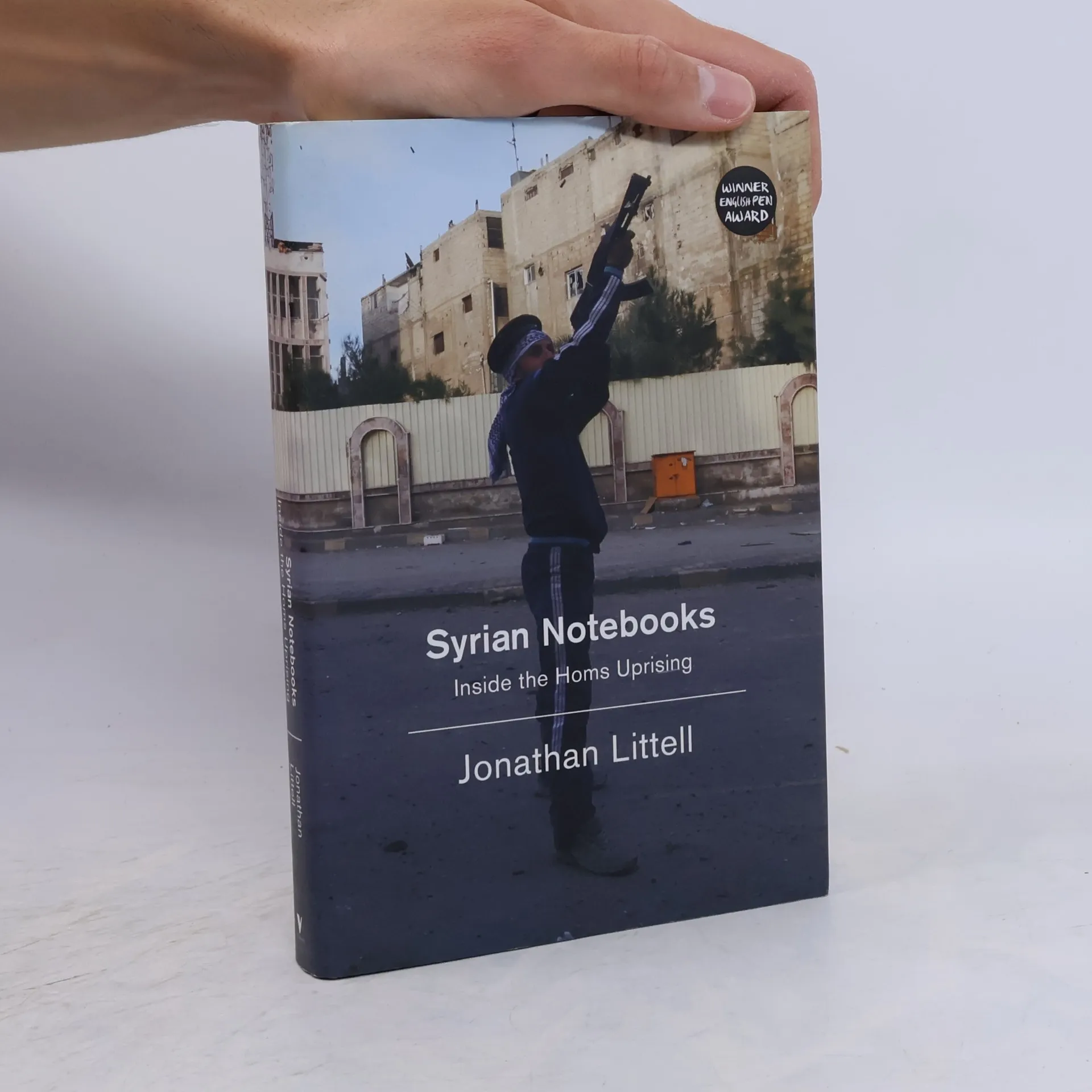
Syrian Notebooks
- 246 pages
- 9 hours of reading
A blistering firsthand account of the conflict in Homs by the internationally acclaimed author of The Kindly Ones “We fight for our religion, for our women, for our land, and lastly to save our skin. As for them, they’re only fighting to save their skin.” In 2012, Jonathan Littell traveled to the heart of the Syrian uprising, smuggled in by the Free Syrian Army to the historic city of Homs. For three weeks, he watched as neighborhoods were bombed and innocent civilians murdered. His notes on what he saw on the ground speak directly of horrors that continue today in the ongoing civil war. Amid the chaos, Littell bears witness to the lives and the hopes of freedom fighters, of families caught within the conflict, as well as of the doctors who attempt to save both innocents and combatants who come under fire. As government forces encircle the city, Littell charts the first stirrings of the fundamentalist movement that would soon hijack the revolution. Littell’s notebooks were originally the raw material for the articles he wrote upon his return for the French daily Le Monde. Published nearly immediately afterward in France, Syrian Notebooks has come to form an incomparable close-up account of a war that still grips the Middle East—a classic of war reportage.