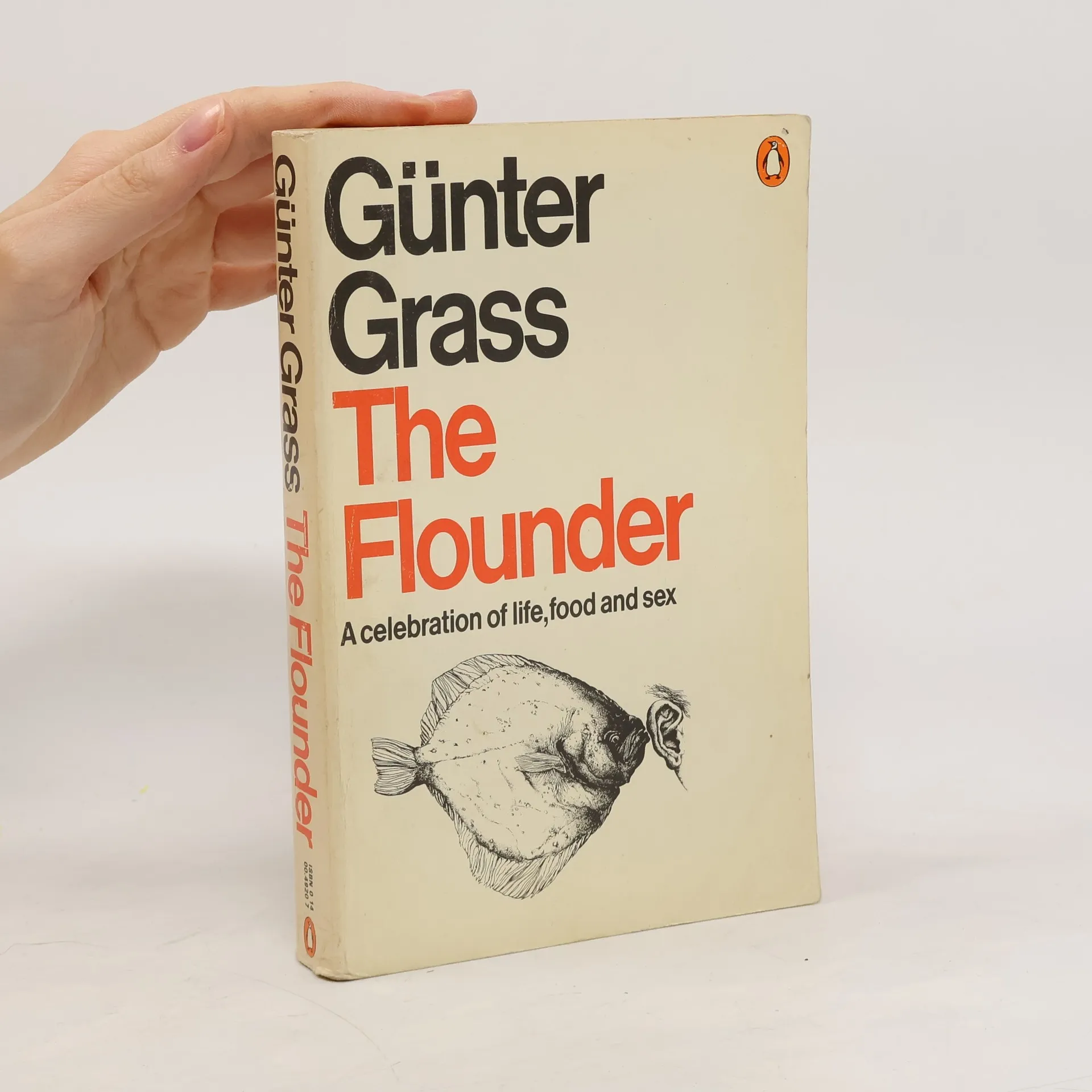
@lt;DIV@gt;It all begins in the Stone Age, when a talking fish is caught by a fisherman at the very spot where millennia later Grass's home town, Danzig, will arise. Like the fish, the fisherman is immortal, and down through the ages they move together. As Grass blends his ingredients into a powerful brew, he shows himself at the peak of his linguistic inventiveness. Translated by Ralph Manheim. A Helen and Kurt Wolff Book@lt;br@gt;@lt;/div@gt;
THE BOOK: 'Funny, macabre, disgusting, blasphemous, pathetic, horrifying, erotic, it is an endless delirium, an outrageous phantasmagoria in which dustfrom Goethe, Hans Andersen, Swift, Rabelais, Joyce, Aristophanes and Rochester dances on the point of a needle in the flame of a candle that was not worth the game.
One evening, when Marianne and her husband, Bruno, are dining out together to celebrate his return from a business trip, Marianne listens to him speak and realizes suddenly yet finally that Bruno will leave her. Whether at that moment, or in years to come, she will be deserted. And instinctively Marianne knows she must fend for herself and her young son now, before that time comes. She sends Bruno away and settles down to a life alone, at first experiencing moments of panic, restlessly wandering in rooms grown stifling. The stillness of the house wears her down, and she starts taking long walks, or visiting with her close friend, Franziska. Gradually, what began as a selfish escape from the prospects of the future becomes in fact liberation. The environment she'd always hated - a no man's land of identical houses, with all curtains drawn - recedes; her relationships with those dear to her become less threatening, less necessary; and Marianne finds a new pattern for her life and the strength to go on alone.