

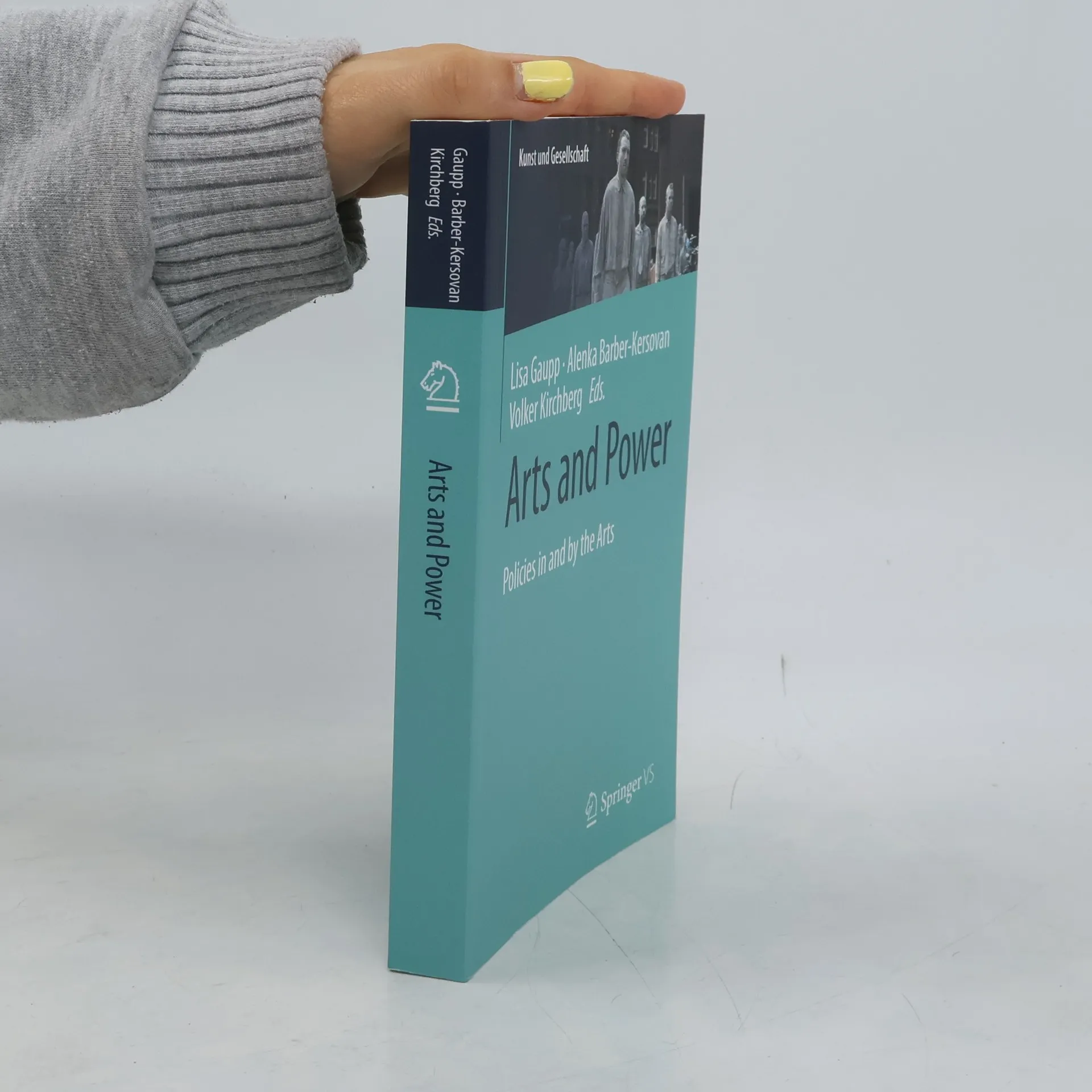
The exploration of power and domination within societal structures has been central to sociology since its inception. Max Weber’s definition of power as “imposing one’s will on others” remains pertinent in understanding processes in the arts, including production, communication, and consumption. Domination in the arts is enforced by both internal and external authorities through institutional frameworks and prevailing beliefs about legitimacy, which shape art tastes. The intricate relationship between the arts and power stems from the policies governing artistic production, distribution, and consumption, which can either facilitate or obstruct an aesthetic object's access to its audience. Curators, critics, and collectors utilize various forms of cultural communication to reflect and influence existing social, economic, and political conditions. This volume brings together diverse perspectives that examine the societal roles of art within contexts of domination and power, addressing both oppressive and progressive uses of art. The contributions serve as exploratory steps toward a more systematic and theoretically grounded sociological discourse on the intersection of arts and power, inviting further inquiry and discussion.
Lisa Gaupp Book order (chronological)
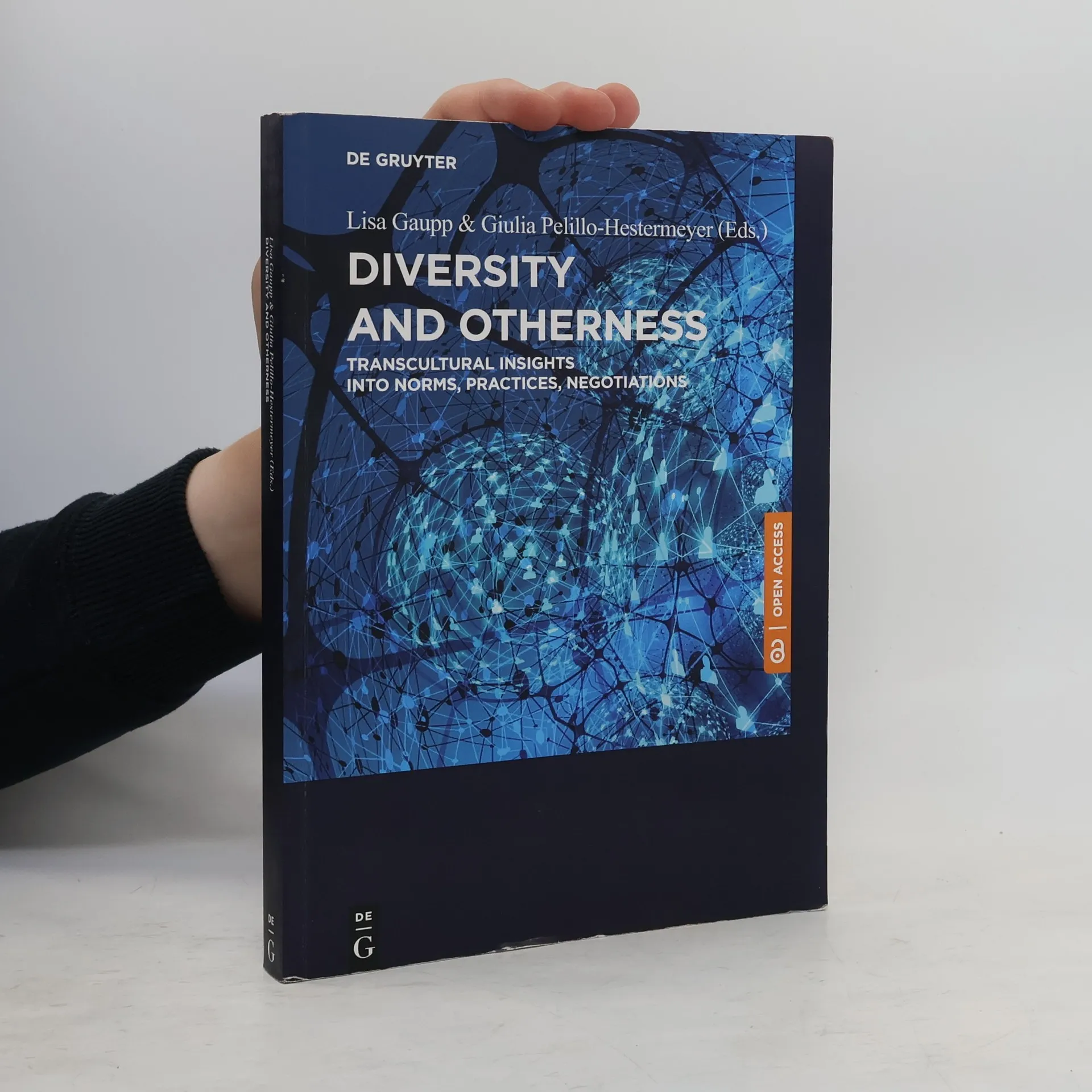
Diversity and Otherness
Transcultural Insights into Norms, Practices, Negotiations
- 377 pages
- 14 hours of reading
This volume critically examines the representation and management of cultural diversity across various contexts, including artistic, scientific, political, theatrical, media, fashion, and everyday life, both historically and in contemporary settings. It highlights how specific socio-cultural features create asymmetries and hierarchies among individuals, groups, and cultural resources. The text questions the processes of regulation, standardization, and homogenization of diversity while addressing the contradictory dynamics of inclusion and exclusion that arise in the construction of differences between the Self and the Other. Emphasizing the fluidity of cultural entanglements, it adopts a transcultural perspective that unifies diverse topics and contexts, showcasing their inter- and transdisciplinary nature. As globalization, decolonization, migration, and mediatization bring diversity to the forefront of scholarly and public discourse, the book encourages a re-examination of norms, practices, and negotiations surrounding diversity and otherness. By contrasting emancipatory and standardizing approaches, it invites readers to "transculturalize" the study and politics of culture, fostering a deeper understanding of these complex dynamics.