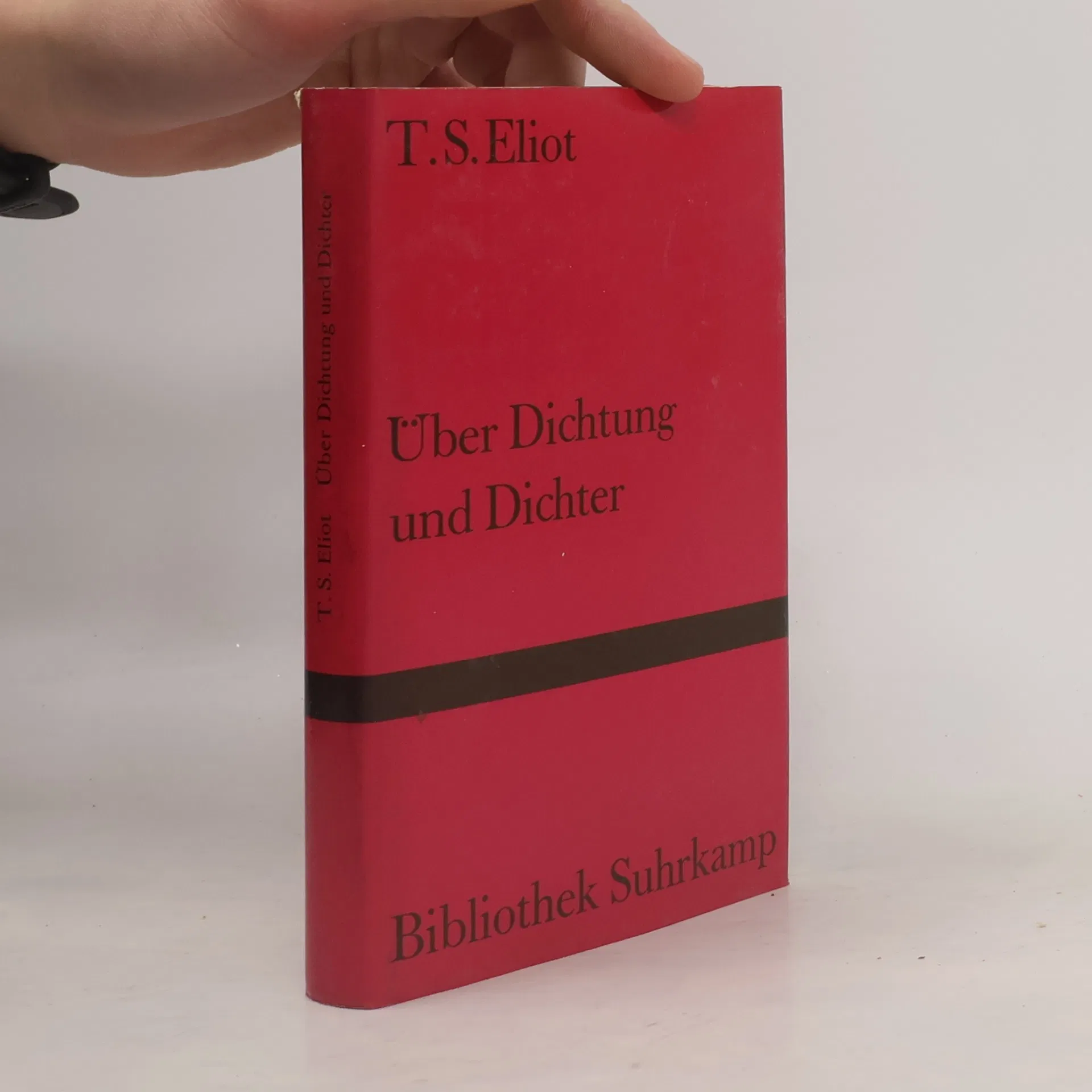
'Literary criticism is a distinctive activity of the civilised mind.' With
Eliot's dictum in mind, Professor Kermode has selected from the whole range of
his critical writings, some of them dating back to before 1918.
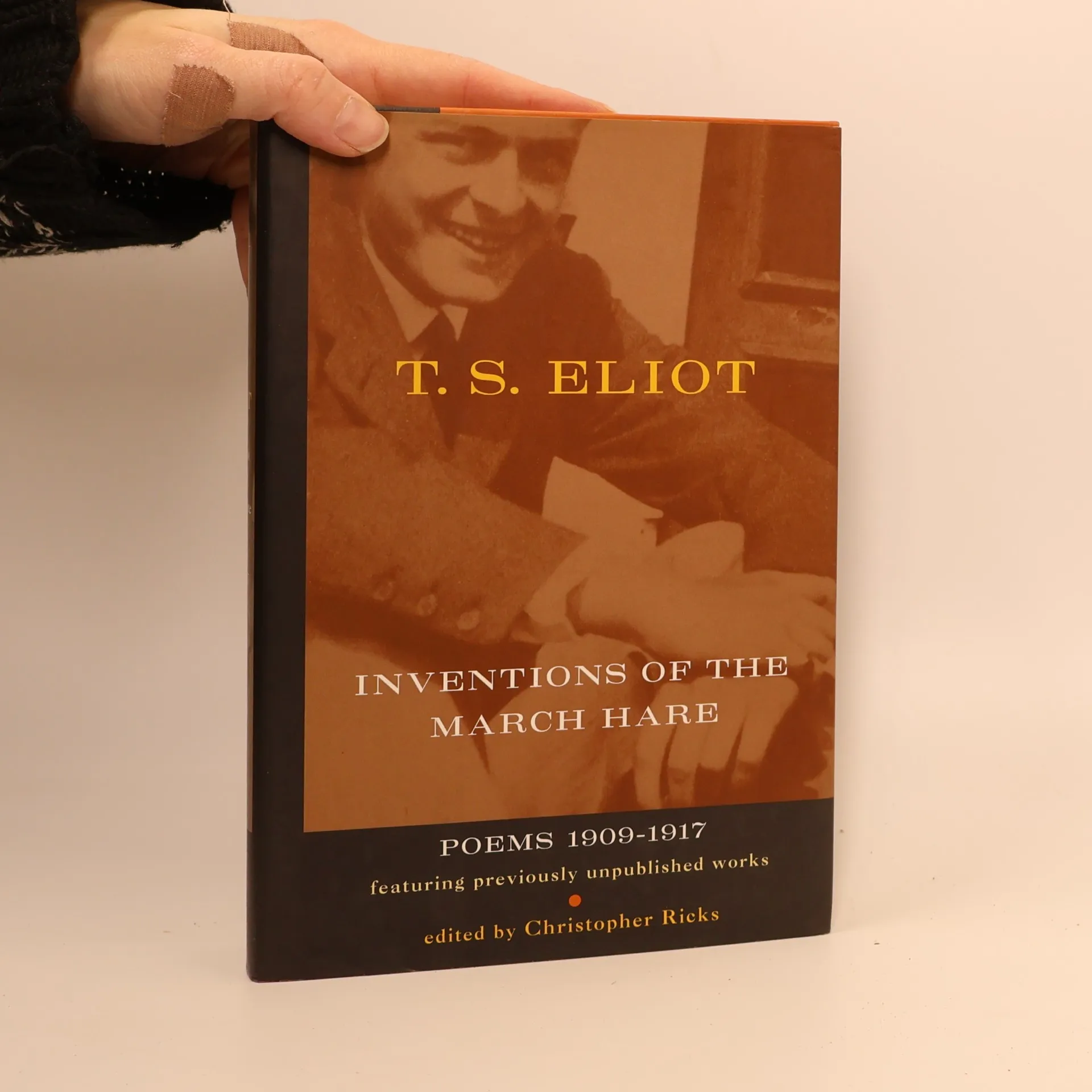
Poems 1909-1917 Featuring Previously Unpublished Works
472 pages
17 hours of reading
A few months before The Waste Land was published in 1922, T. S. Eliot gave the manuscript to his benefactor in New York, John Quinn. At the same time, he sold to Quinn a notebook containing about fifty poems that he had written during his twenties. It was not until 1968, three years after the poet's death, that the double cache was unveiled within the Berg Collection of the New York Public Library. The early poems, from the notebook and the accompanying leaves, are now at last published, all but a few of them for the first time. Of great interest, both technical and human, they reveal the young Eliot in the process of creating himself and his art: ruminating on the blind alleys and vacant lots of the city, exploring the perplexities of the modern age (doubt, ennui, indifference, dismay, affectation), and experimenting with a variety of poetic forms (urban pastoral, lyric, satire, the prose poem). Complementing the new poems, which include several bawdy verses, are "richly informative drafts" (The Observer, London) of many of Eliot's best-known poems, among them "The Love Song of J. Alfred Prufrock" (with a previously unpublished fragment), "Portrait of a Lady" (signally and subtly different from the published text), many versions of "Whispers of Immortality," and "Ode" (not reprinted since 1920).
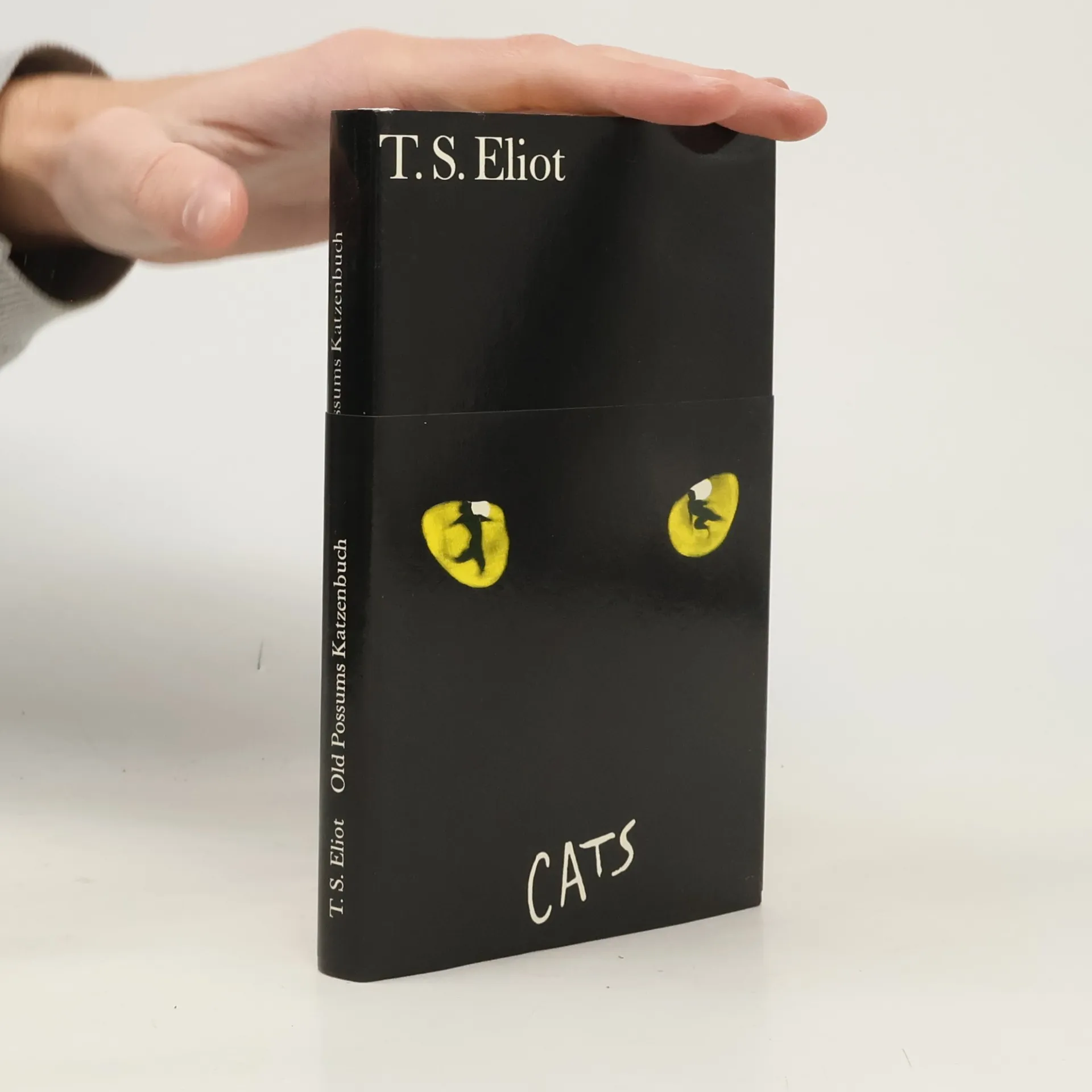
"Old Possum's Book of Practical Cats" is the renowned collection of cat poems for children and lovers of the whimsical, in which T. S. Eliot brings cats to life as they dance, purr, and chatter delightfully. Eliot originally wrote these cat poems for his godchildren. First published in England in 1939, the collection also inspired "Cats," the most famous musical of all time. A devoted cat lover himself, Eliot reflects on the nature of cats in general and the essence of each individual cat in particular, gathering them all here: the Grim Tiger, the Rum Tum Tugger, Old Deuteronomy, the Cat that Walks by Himself, Rumpus Cat and Ratter, the magical Mr. Mistoffelees, and Puss in Boots, once famously known as the arch-villain Firefurzfickel and the sweet-talking Schmeckerjan.
T. S. Eliot, geboren 1888 in St. Louis, gilt als einer der bedeutendsten Dichter des 20. Jahrhunderts. Wolfgang Held, 1933 in Freiburg geboren, war Schriftsteller, Übersetzer und Pianist. Er promovierte 1961 über Georg Trakl und arbeitete von 1961 bis 1973 als Lektor für den Deutschen Akademischen Austauschdienst an Universitäten in Madras, Ljubljana und Edinburgh. Anschließend wurde er Senior Lecturer an der Greenwich University in London, wo er bis zu seinem Tod 2016 lebte. Sein literarisches Werk umfasst Romane, Essays sowie Prosa- und Gedichtübersetzungen, beginnend mit „Die im Glashaus“ (1965) bis hin zu „Schattenfabel“ (2014). Zu seinen weiteren Romanen zählen „Die schöne Gärtnerin“ (1979), „Rabenkind“ (1985) und „Traum vom Hungerturm“ (2007). Held wurde für seine Arbeiten mehrfach ausgezeichnet, unter anderem mit dem Literaturpreis des Kulturkreises im Bundesverband der Deutschen Industrie (1983). Durch seine Übersetzungen für Suhrkamp machte er bedeutende englische und irische Autoren einem breiteren deutschen Publikum zugänglich. Seine Bewunderung für E. T. A. Hoffmann führte zu seinem Theaterstück „Hoffmanns Verbrennung“, das 2015 uraufgeführt wurde. Musik und Kunst spielten eine zentrale Rolle in seinem Leben; als Pianist trat er in verschiedenen Städten auf und produzierte Sendungen für SWF und NDR.