
Explore the latest books of this year!
Bookbot

Rolf Strootman

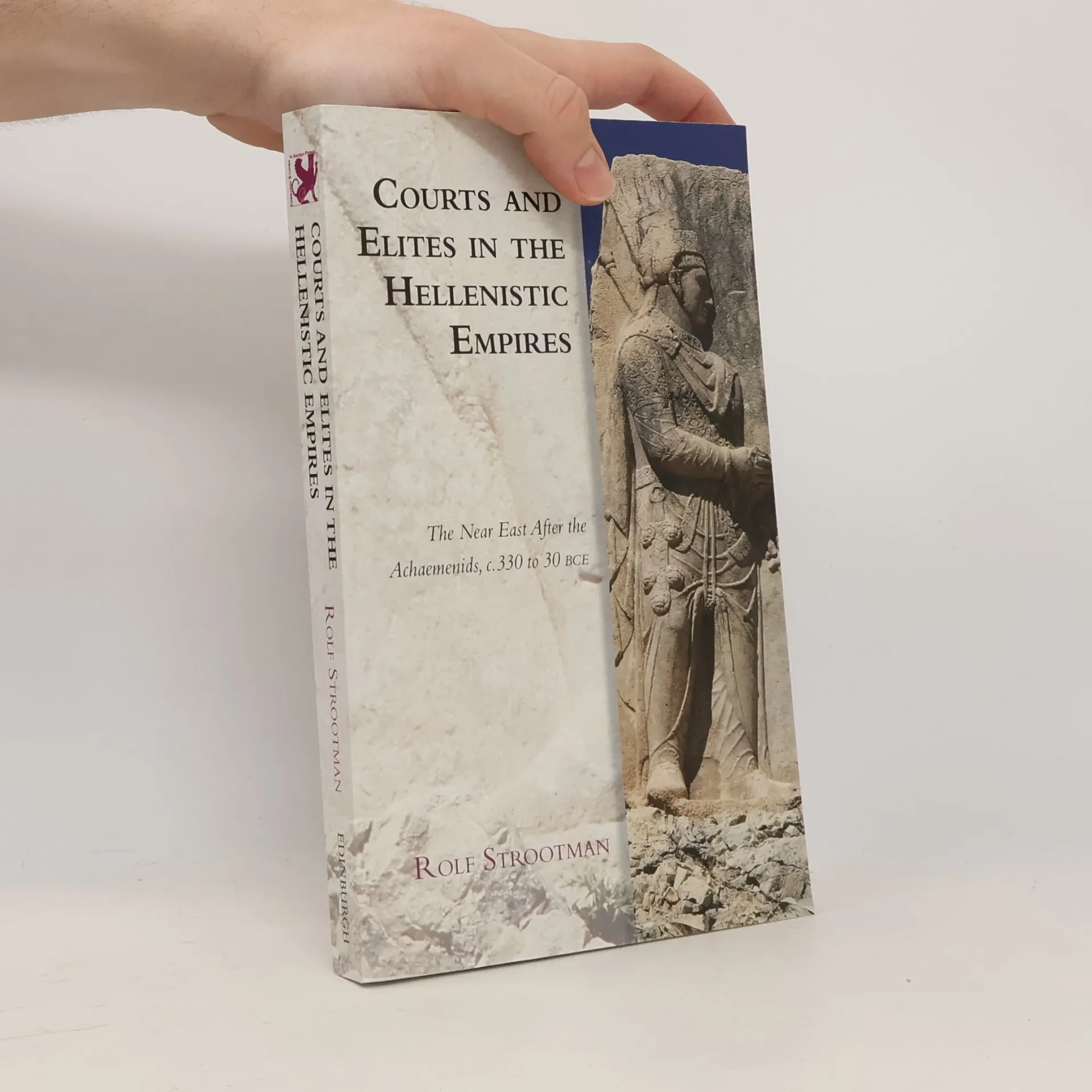
    Courts and Elites in the Hellenistic Empires
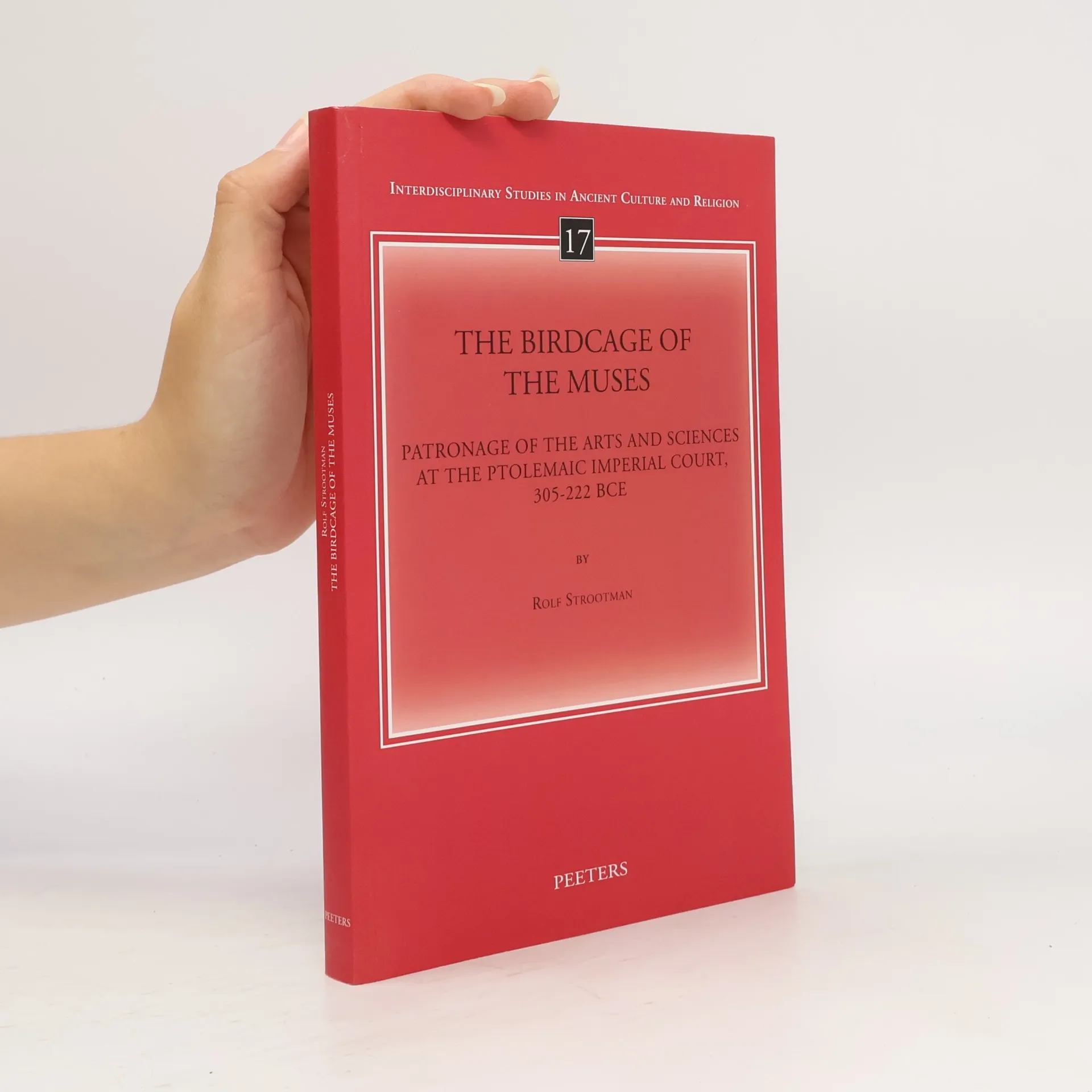
    Interdisciplinary Studies in Ancient Culture and Religion - 17: The Birdcage of the Muses
    • Courts and Elites in the Hellenistic Empires

      The Near East After the Achaemenids, C. 330 to 30 BCE

      • 344 pages
      • 13 hours of reading

      The first complete study of royal courts in the post-Achaemenid Near EastRolf Strootman brings together various aspects of court culture in the Macedonian empires of the post-Achaemenid Near East. During the Hellenistic Period (c. 330-30 BCE), Alexander the Great and his successors reshaped their Persian and Greco-Macedonian legacies to create a new kind of rulership that was neither 'western' nor 'eastern' and would profoundly influence the later development of court culture and monarchy in both the Roman West and Iranian East. Drawing on the socio-political models of Norbert Elias and Charles Tilly, After the Achaemenids shows how the Hellenistic dynastic courts were instrumental in the integration of local elites in the empires, and the (re)distribution of power, wealth, and status. It analyses the competition among courtiers for royal favour and the, not always successful, attempts of the Hellenistic rulers to use these struggles to their own advantage. Key featuresDemonstrates the interrelationships of the three competing 'Hellenistic' empires of the Seleukids, Antigonids and Ptolemies Casts new light on the phenomenon of Hellenistic Kingship by approaching it from the angle of the court Covers topics such as palace architecture, royal women, court ceremonial, and coronation ritual

      Courts and Elites in the Hellenistic Empires2020
    • Interdisciplinary Studies in Ancient Culture and Religion - 17: The Birdcage of the Muses

      Patronage of the Arts and Sciences at the Ptolemaic Imperial Court, 305-222 BCE

      • 197 pages
      • 7 hours of reading

      In the third century BCE, the Ptolemaic imperial court at Alexandria emerged as the epicenter of culture and learning in the Hellenistic world. Supported by the wealth and prestige of the Ptolemies, Alexandria became a vital hub within an expansive imperial network stretching from the Indian Ocean to the Black Sea. This attracted poets, philosophers, inventors, and geographers, who thrived under the Ptolemaic patronage. The Birdcage of the Muses offers a comprehensive historical study of this golden age of cultural and scientific support. Rolf Strootman employs new perspectives on premodern imperialism to reevaluate the role of Hellenistic court poetry within contemporary empire studies and the sociological analysis of the court. He argues that artistic, scholarly, and scientific endeavors were integral to elite integration in the diverse imperial system governed by the Ptolemies. By challenging the notion that poets and scholars operated independently from court society, Strootman illustrates how their professional conduct was influenced by the same dynamics of gift exchange, etiquette, and competition that shaped the court. The Hellenistic Age marked a period of heightened globalization, with the royal court facilitating access to elite networks across the Mediterranean. Literary figures played a crucial role in fostering interconnectivity, contributing to a shared 'Hellenistic' culture and language, and promoting the vision

      Interdisciplinary Studies in Ancient Culture and Religion - 17: The Birdcage of the Muses2017