
Explore the latest books of this year!
Bookbot

Eivind Heldaas Seland

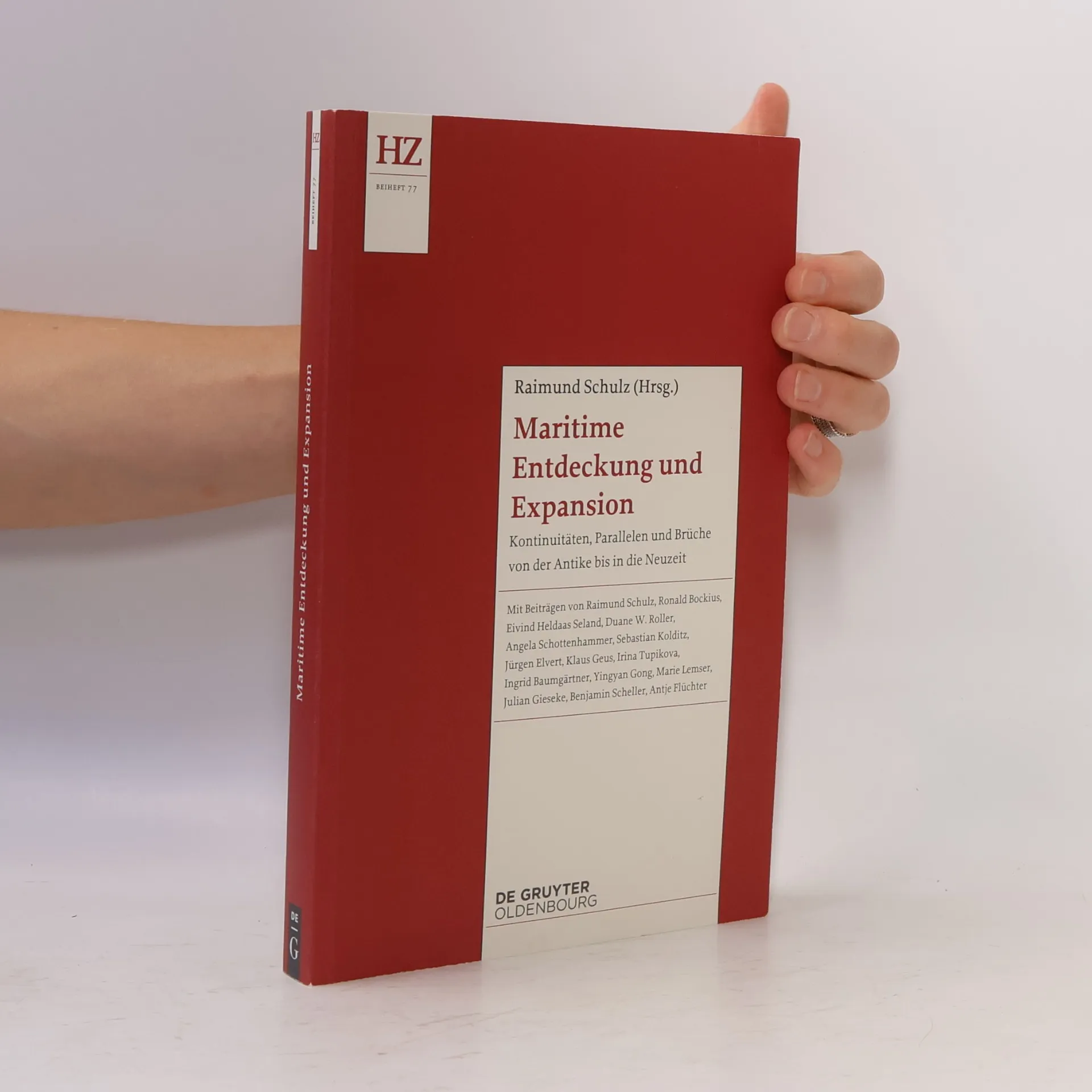
    Historische Zeitschrift / Beihefte - 77: Maritime Entdeckung und Expansion
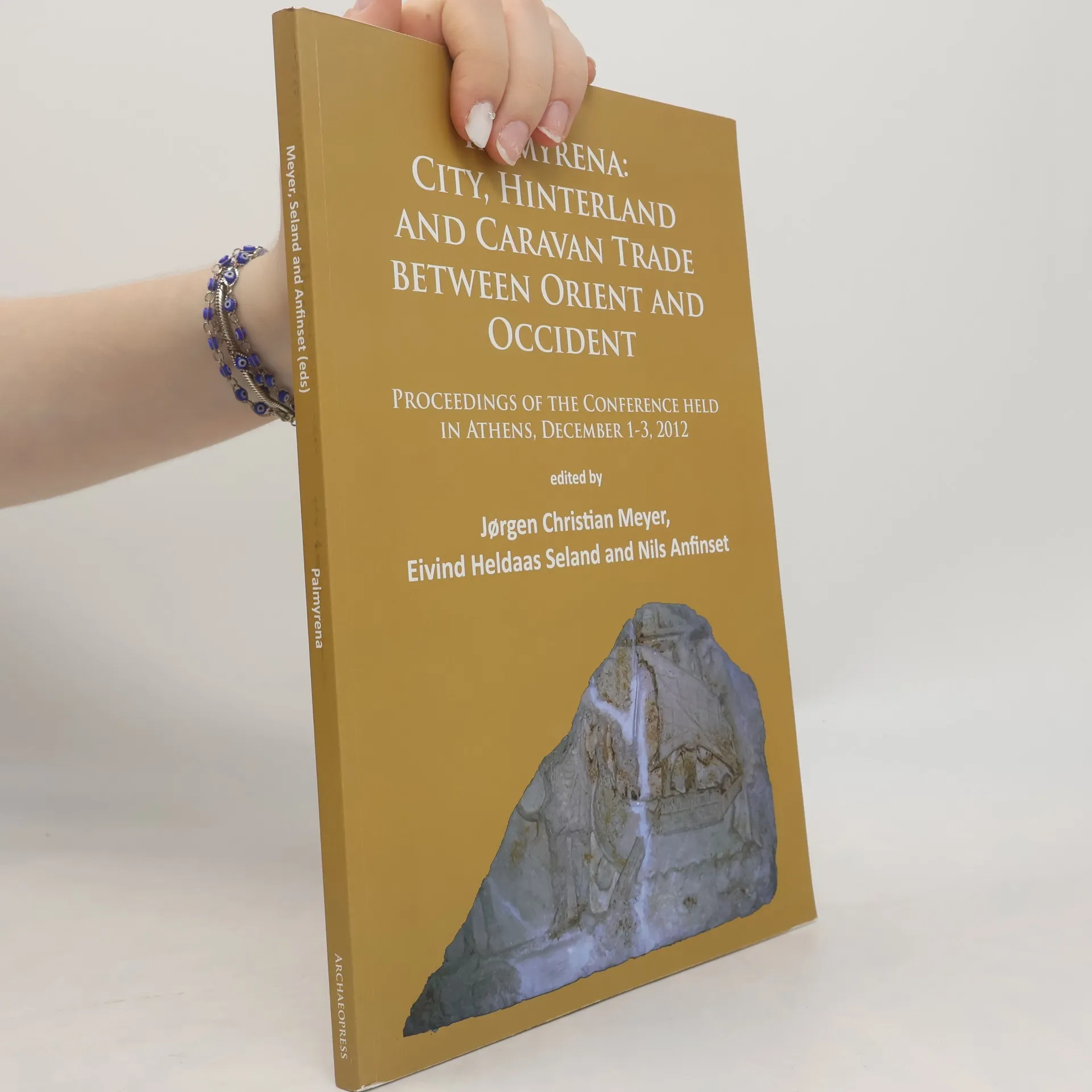
    Palmyrena
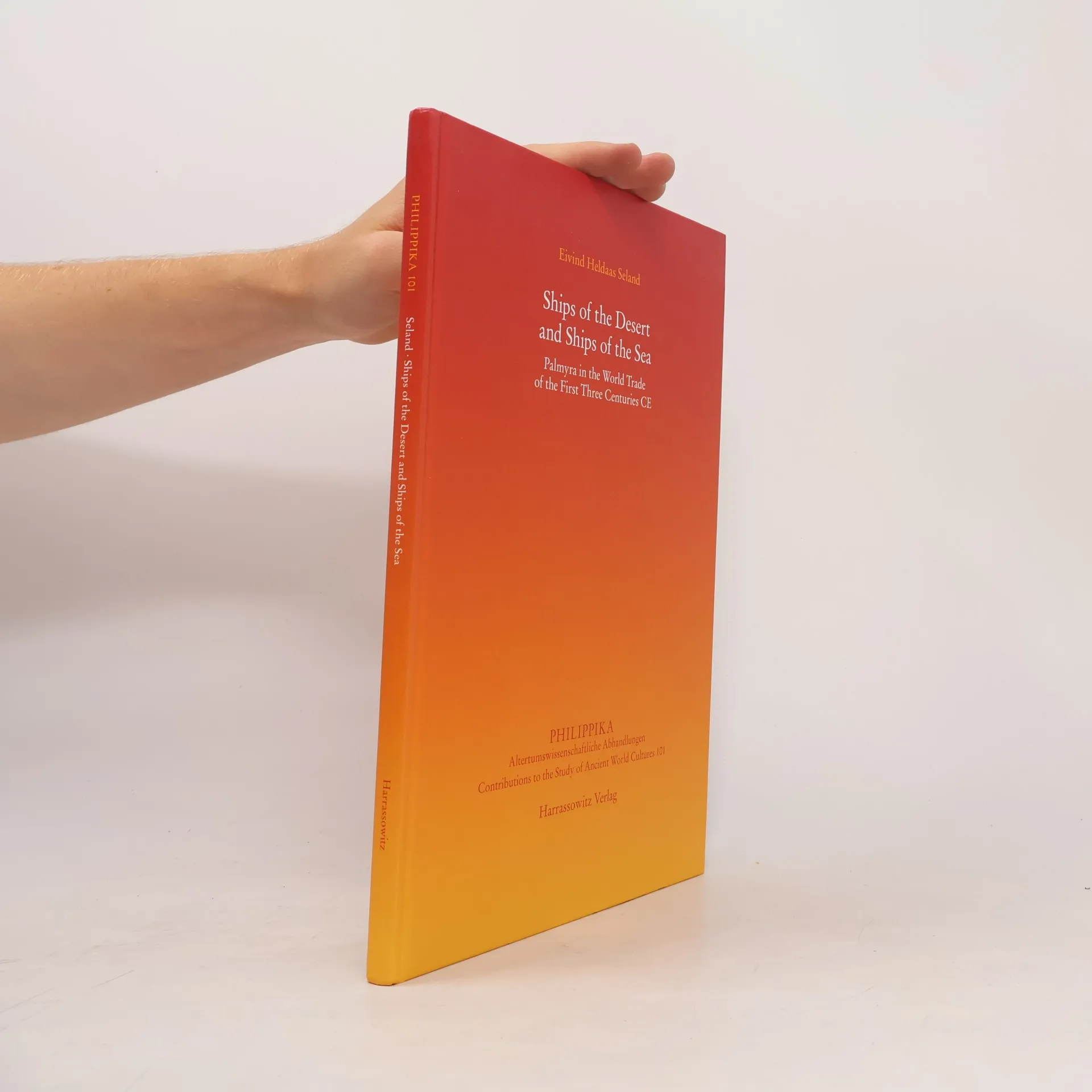
    Philippika - 101: Ships of the Desert and Ships of the Sea
    • Historische Zeitschrift / Beihefte - 77: Maritime Entdeckung und Expansion

      Kontinuitäten, Parallelen und Brüche von der Antike bis in die Neuzeit

      • 404 pages
      • 15 hours of reading

      Maritime Exploration und Expansion haben die eurasische Geschichte seit der Antike nachhaltig geprägt. Kapitäne, Händler und Eroberer verbanden lange vor Kolumbus den Atlantik, das Mittelmeer und den Indischen Ozean zu einem pulsierenden Netzwerk, das die Grundlagen bildete für die neuzeitliche Erschließung aller Meere des Globus. Der Band führt Experten verschiedener Epochen und Disziplinen zusammen. Sie erklären vergleichend und epochenübergreifend die Voraussetzungen, Verläufe und Folgen, die der Aufbruch über die Meere auf die Politik, Wirtschaft und kulturelle Entwicklung hatte. Dabei wird nicht nur die europäische, sondern auch die indische und chinesische Perspektive berücksichtigt. Während der erste Teil sich der Erschließung des Indischen Ozeans und des Atlantik widmet, zeigen die Beiträge des zweiten Teils, wie maritime Entdeckungen das geographische Weltbild veränderten und Nachrichten von fernen Kulturen Ethnographie und Reiseliteratur befruchteten. Die maritime Expansionsgeschichte ist dabei nicht nicht nur durch Brüche, sondern auch durch erstaunliche Kontinuitäten und Parallelen gekennzeichnet. Es eröffnen sich Perspektiven, die moderne Entwicklungen wie das Projekt der „Neuen Chinesischen Seidenstraße“ gar nicht mehr so neu erscheinen lassen.

      Historische Zeitschrift / Beihefte - 77: Maritime Entdeckung und Expansion2019
    • Philippika - 101: Ships of the Desert and Ships of the Sea

      Palmyra in the World Trade of the First Three Centuries CE

      • 112 pages
      • 4 hours of reading

      In the Roman period the world from the Atlantic Ocean to the East China Sea was tied together by ships and caravans carrying textiles, minerals, aromatics, and other valuable commodities across vast distances. In the span of three short centuries the Syrian city of Palmyra rose from unremarkable origins to assume a key role in this exchange – a position that eventually enabled her to, albeit unsuccessfully, take on the might of Rome herself. This first book-length survey of Palmyrene trade in almost four decades asks how this was possible for the people of a city that was neither on the shortest, nor on the easiest route between east and west. The study draws on the wealth of epigraphic, literary, and archaeological data handed down from the ancient city as well as the extensive scholarly tradition. This material is juxtaposed with information about the natural and geopolitical environment, ethnographic records, and network analysis, in order to explain the remarkable success of the cosmopolitan desert nomads of Palmyra.

      Philippika - 101: Ships of the Desert and Ships of the Sea2016
    • Palmyrena

      City, Hinterland and Caravan Trade Between Orient and Occident

      • 192 pages
      • 7 hours of reading

      This volume explores the archaeology and history of the ancient Syrian city of Palmyra, featuring contributions from a conference held in Athens in December 2012, part of the Syrian-Norwegian research project on the city and its trade dynamics. It encapsulates international research and fieldwork conducted prior to the Syrian civil war. The collection includes an introduction and a variety of papers addressing topics such as the interaction between pastoral nomads and city-state kings in the semi-arid landscape, the significance of Palmyra in trade, and its connections to the Chinese Silk Trade. It also examines the Palmyrene Temple in Rome, the historical trade routes from Palmyra to Damascus, and the role of colonnaded streets in communication within the Eastern Roman Empire. Geophysical prospection methods applied to Palmyra, the cultural influences reflected in pottery, and insights from excavations of tombs and residential structures are also discussed. Additionally, studies on human skeletal remains and agricultural practices in Byzantine Palmyra provide a comprehensive view of the city's historical significance and its inhabitants' lifestyles. This volume serves as a vital resource for understanding Palmyra's role in ancient trade and cultural exchange.

      Palmyrena2016