Integration of an East African Commercial Empire into the World Economy, 1770-1873
320 pages
12 hours of reading
The rise of Zanzibar was based on two major economic transformations: firstly, slaves became used for the production of cloves and grain for export, instead of the slaves themselves being exported; secondly there was an increaseddemand for luxuries such as ivory and Zanzibar took advantage of its strategic position to trade as far as the Great Lakes. Yet this economic success increasingly subordinated Zanzibar to Britain, with its anti-slavery crusade andits control over the Indian merchant class. North America: Ohio U Press; Kenya: EAEP
The architecture of Zanzibar is a unique synthesis between the east African coast and the lands across the Indian Ocean, reflecting social and culture interaction between the regions over more than 2000 years. Four major streams have merged here to give birth to a fascinating amalgam: the Swahili buildings tradition developed along the coast over more than a millennium; the elegant simplicity of the massive Omani square houses introduced form the late eighteenth century, the extrovert Indian embellishment added during the nineteenth, and the colonial intervention during the twentieth century which made itself more palatable by orientalising itself. These traditions are expressed most sharply in the religious institutions associated with them, the mosques, the temples and the churches, and in the Zanzibar door, but they are much more integrated in domestic architecture.
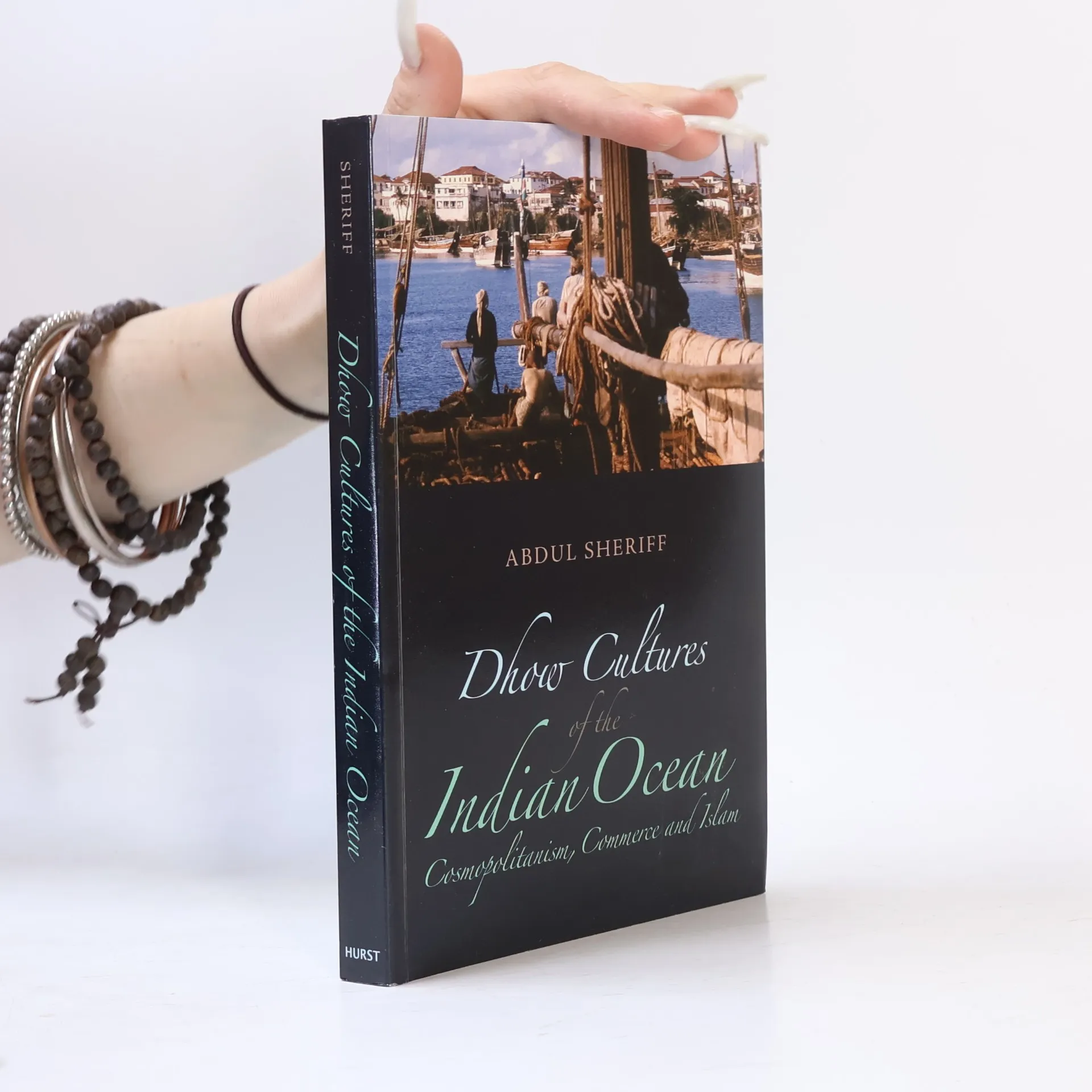
For centuries the dhow, a traditional Arab sailing vessel, operated according to the principles of free trade, carrying sailors, traders, passengers, and cargo to ports within Africa, India, and the Persian Gulf. The dhow was a vibrant means of social interaction, and the goods it carried embodied a great deal of social and cultural meaning. One could say the dhow gave birth to a number of cosmopolitan peoples and cultures, establishing and maintaining a genuine dialogue between civilizations. By the fifteenth century, the global world of the Indian Ocean had matured, and Islam became the dominant religion. It spread not by sword but by peaceful commerce, and the heroes of this world were not continental empires but a string of small port city-states stretching from Kilwa to Melaka. Their influence penetrated deep into the economies, societies, and cultures of the continental hinterlands, yet two major incursions turned this world upside down: the Chinese expeditions launched at the beginning of the fifteenth century and the Portuguese explorations conducted at its close. The contrast could not have been starker between the dhow's long-standing tradition of free trade and Vasco da Gama's epoch of armed trading, which ultimately led to colonial domination. Abdul Sheriff unravels this rich and populous history, recasting the roots of Islam as they grew within the region, along with the thrilling story of the dhow.