

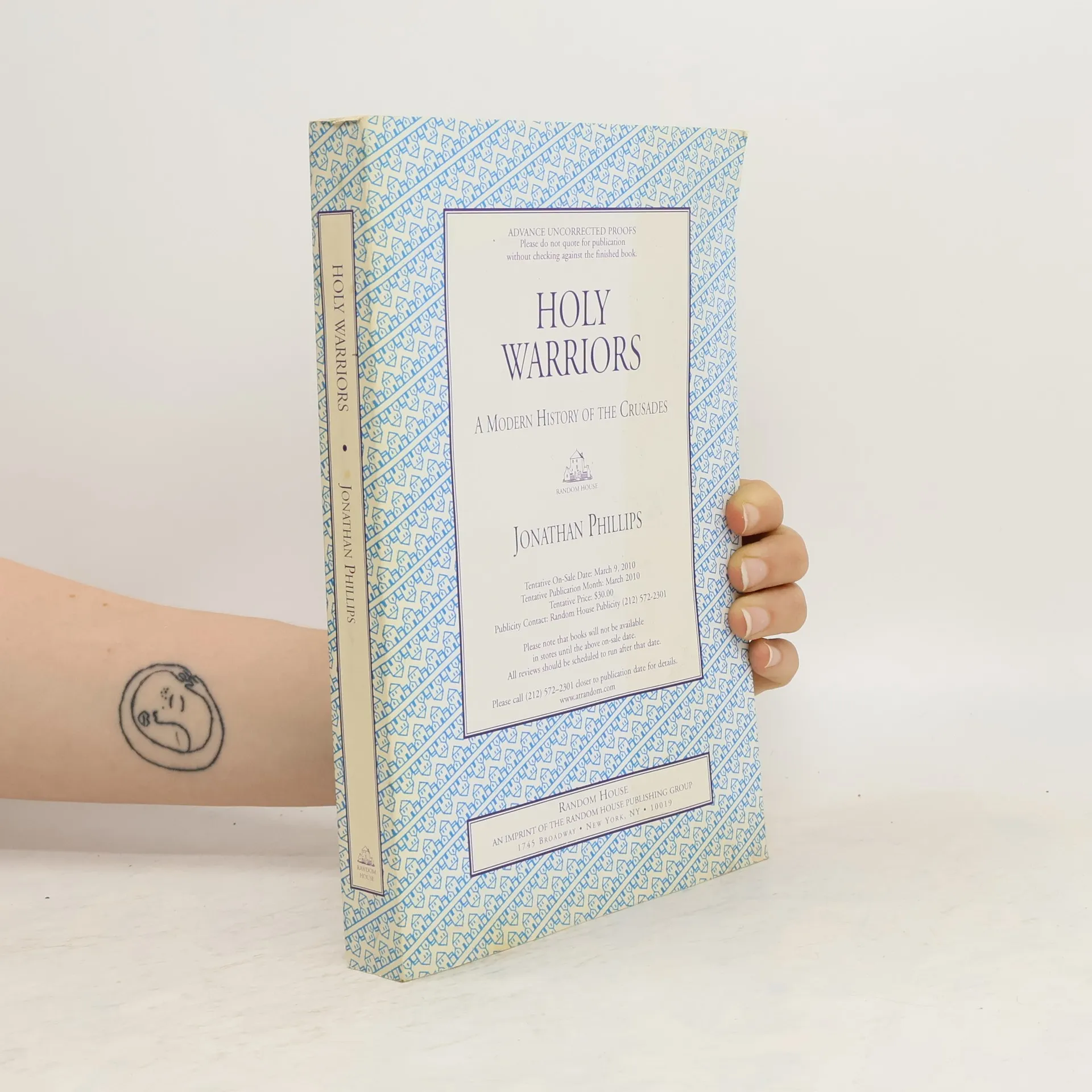
The history of the Crusades from the Middle Ages to the present is a phenomenon rich in legends and widely recognized. Jonathan Phillips explores how the idea of holy war extended beyond the mere recapture of Jerusalem, serving as a political tool against rebellious Christians and other opponents of the papacy. Through a wealth of contemporary sources, he brings to life the central figures of this era, recounting the stories of devout warriors who often clashed in bloody confrontations. Occasionally, negotiations and peaceful exchanges enriched both cultures, Muslim and Christian alike. Phillips also draws parallels to the present, highlighting how the concept of the Crusade has regained significant relevance in the wake of the September 11, 2001 attacks.
Marianne Tieleman Books
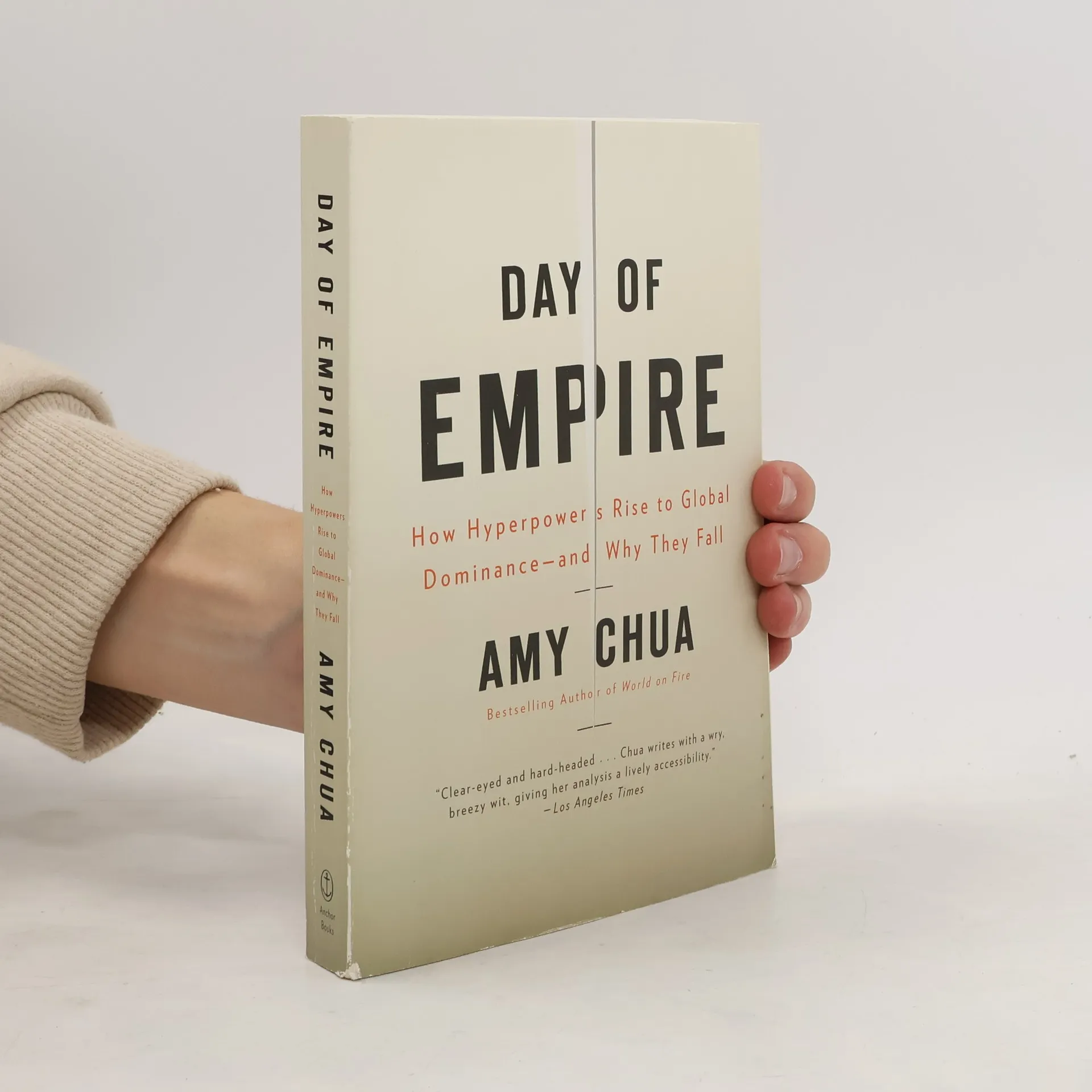
In this sweeping history, bestselling author Amy Chua explains how globally dominant empires—or hyperpowers—rise and why they fall. In a series of brilliant chapter-length studies, she examines the most powerful cultures in history—from the ancient empires of Persia and China to the recent global empires of England and the United States—and reveals the reasons behind their success, as well as the roots of their ultimate demise. Chua's analysis uncovers a fascinating historical pattern: while policies of tolerance and assimilation toward conquered peoples are essential for an empire to succeed, the multicultural society that results introduces new tensions and instabilities, threatening to pull the empire apart from within. What this means for the United States' uncertain future is the subject of Chua's provocative and surprising conclusion.