
Explore the latest books of this year!
Bookbot

Alberto Manguel

    March 13, 1948

    Alberto Manguel centers on the vital importance of the book within literate societies, arguing that the intellectual act has lost prestige. He advocates for libraries as essential symbols of collective memory, suggesting they should be valued over financial institutions. Manguel posits that humans can be defined as reading animals, driven to decipher the world and themselves. His work explores the profound connection between readers, texts, and the human experience.

    Alberto Manguel
    A History of Reading
    The Gates of Paradise
    The Library at Night
    Black Water
    The Overdiscriminating Lover
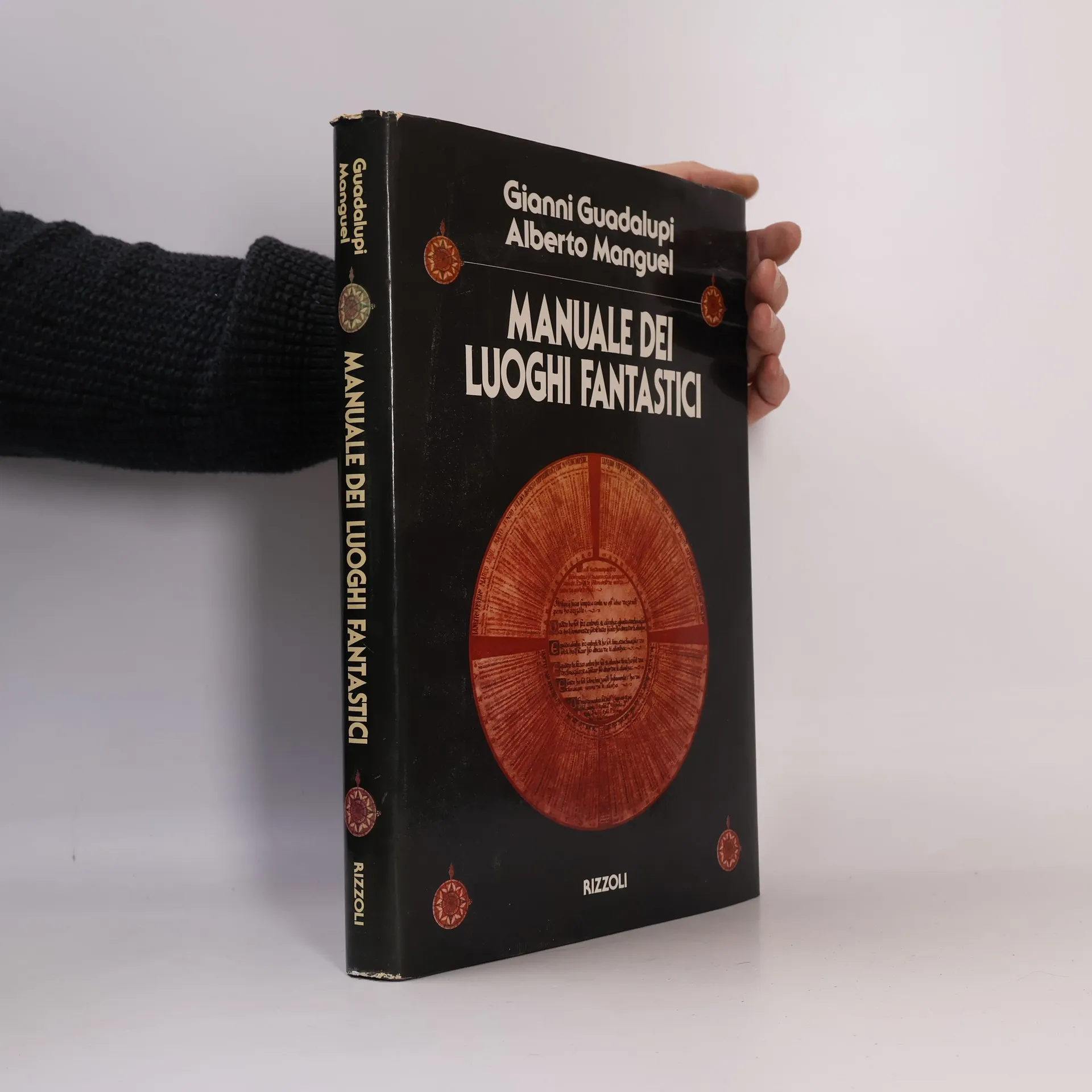
    The Dictionary of Imaginary Places
    • The Dictionary of Imaginary Places

      • 776 pages
      • 28 hours of reading

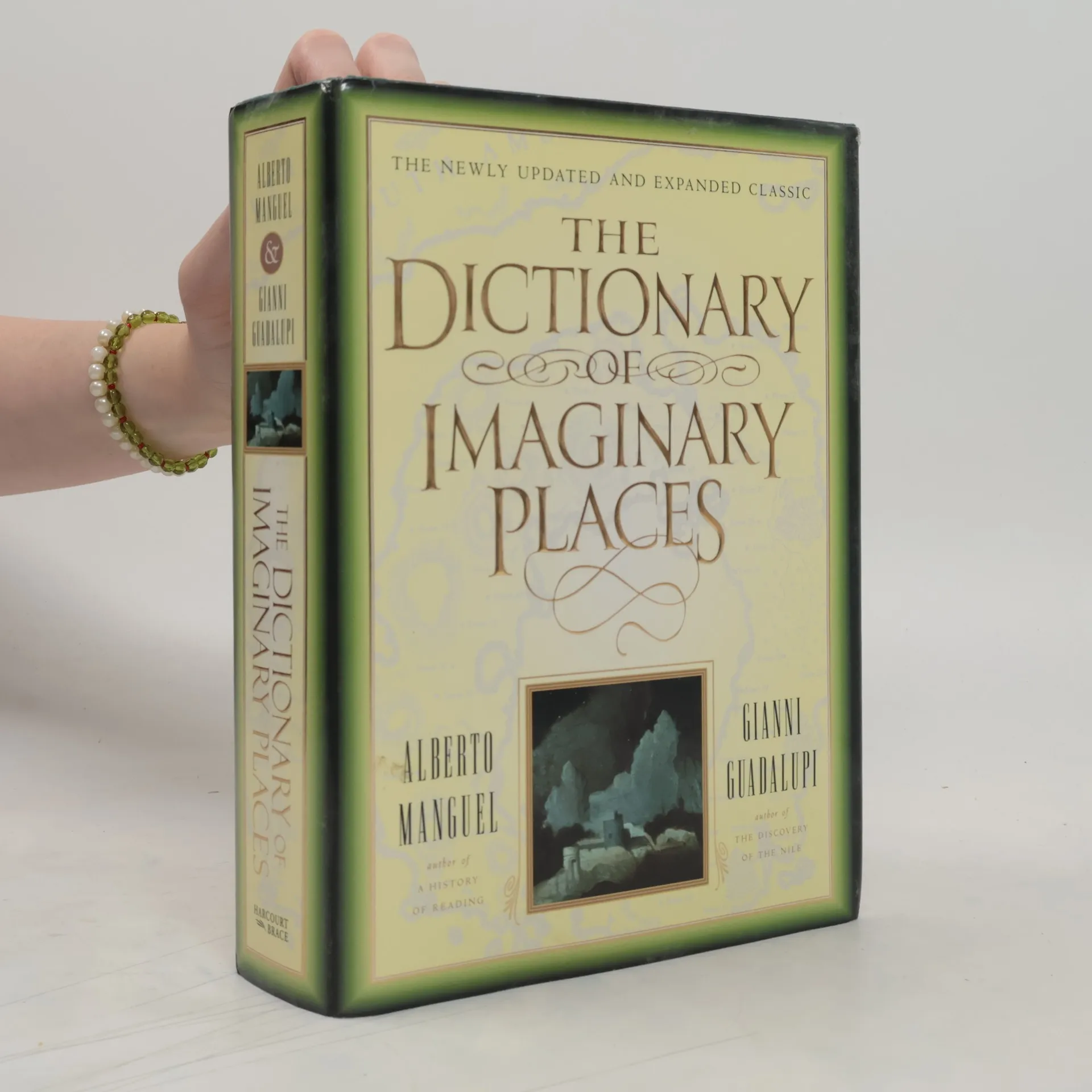
      "From Atlantis to Xanadu, this Baedeker of make-believe takes readers on a tour of more than 1,200 realms invented by storytellers from Homer's day to our own." "Most every fanciful world from books and film is included: Shangri-La and El Dorado are here, as is Utopia, Tolkien's Middle-earth, and Carroll's Wonderland, as well as the Beatles' Pepperland, the Marx Brothers' Freedonia, and a strange little town called Stepford. The history and behavior of the inhabitants of these lands are described in detail and supplemented by more than 220 maps and illustrations that depict the lay of the land in a host of elsewheres." "Now brought up-to-date with dozens of new entries for such places as Jurassic Park, Salman Rushdie's Sea of Stories, and Neil Gaiman's Neverwhere, this volume is even more comprehensive and entertaining."--Jacket
      The Dictionary of Imaginary Places
      4.4
    • The Overdiscriminating Lover

      • 100 pages
      • 4 hours of reading

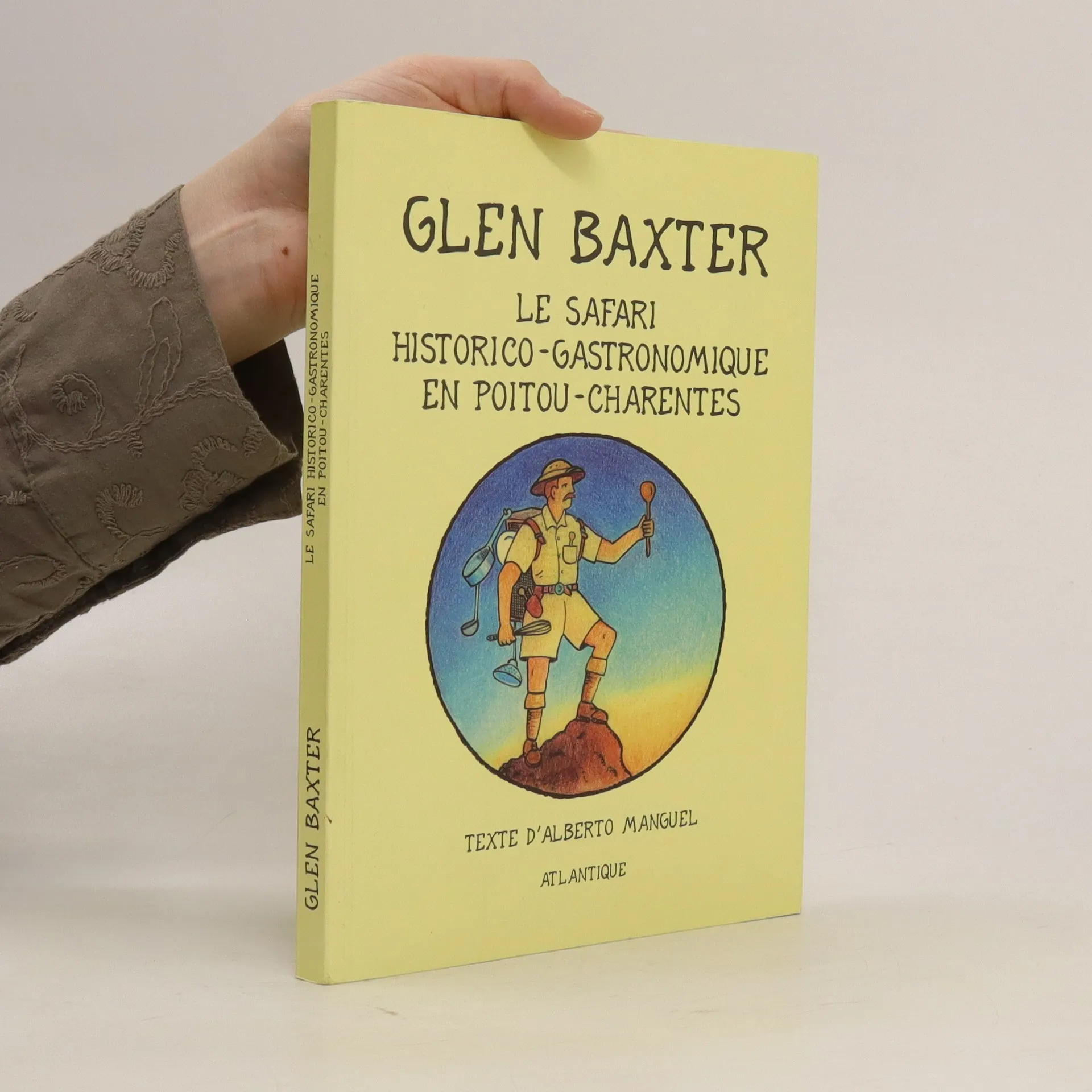
      Anatole Vasanpeine, an imaginary figure from early 20th century Poitiers, is celebrated for his unique appreciation of erotic minimalism. Rather than focusing on grand narratives, he finds beauty in the small, often overlooked details of life. His passionate love for the intimate and tragic aspects of existence reveals a profound connection to the world around him, inviting readers to explore the depth of everyday moments and the hidden stories they tell.

      The Overdiscriminating Lover
      5.0
    • Black Water

      • 992 pages
      • 35 hours of reading

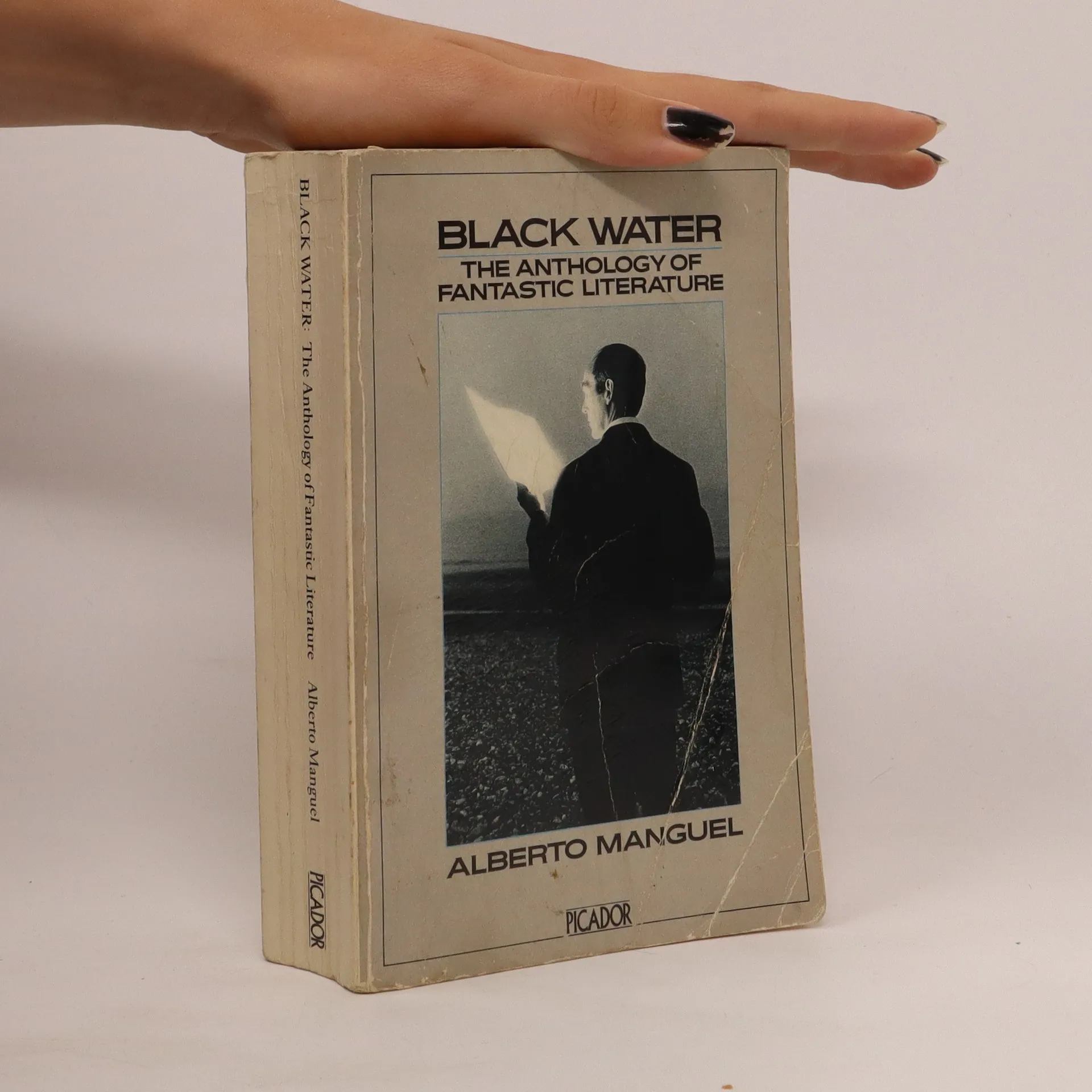
      Manguel explains in his introduction that "fantastic literature" makes use of the everyday world as a facade through which the undefinable appears, hinting at the half-forgotten dreams of the imagination. This collection includes material from Kafka, Henry James, E.M. Forster and Herman Hesse.

      Black Water
      4.3
    • The Library at Night

      • 381 pages
      • 14 hours of reading

      Offers a captivating meditation on the meaning of libraries. This title conducts a library tour that extends from the author's childhood bookshelves to the 'complete' libraries of the Internet, from Ancient Egypt and Greece to the Arab world, from China and Rome to Google.

      The Library at Night
      4.1
    • The Gates of Paradise

      The Anthology of Erotic Short Fiction

      • 689 pages
      • 25 hours of reading

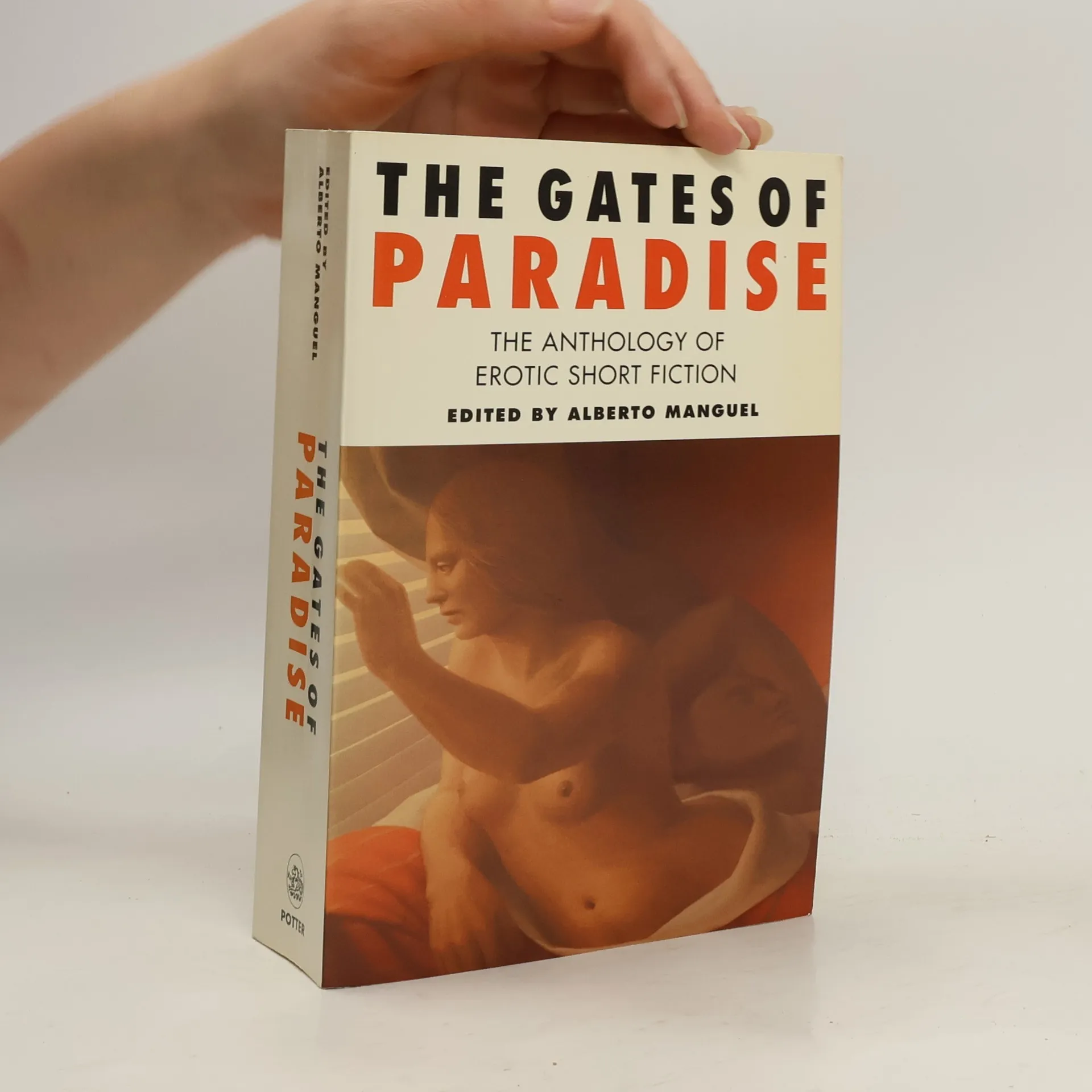
      A collection of 35 stories by critically acclaimed writers that illuminates the infinite variety of erotic experience. Among the classic and contemporary tales are "Desire and the Black Masseur" by Tennessee Williams, "The Slut of the Normandy Coast" by Marguerite Duras, and "Wicked Girl" by Isabel Allende.

      The Gates of Paradise
      3.0
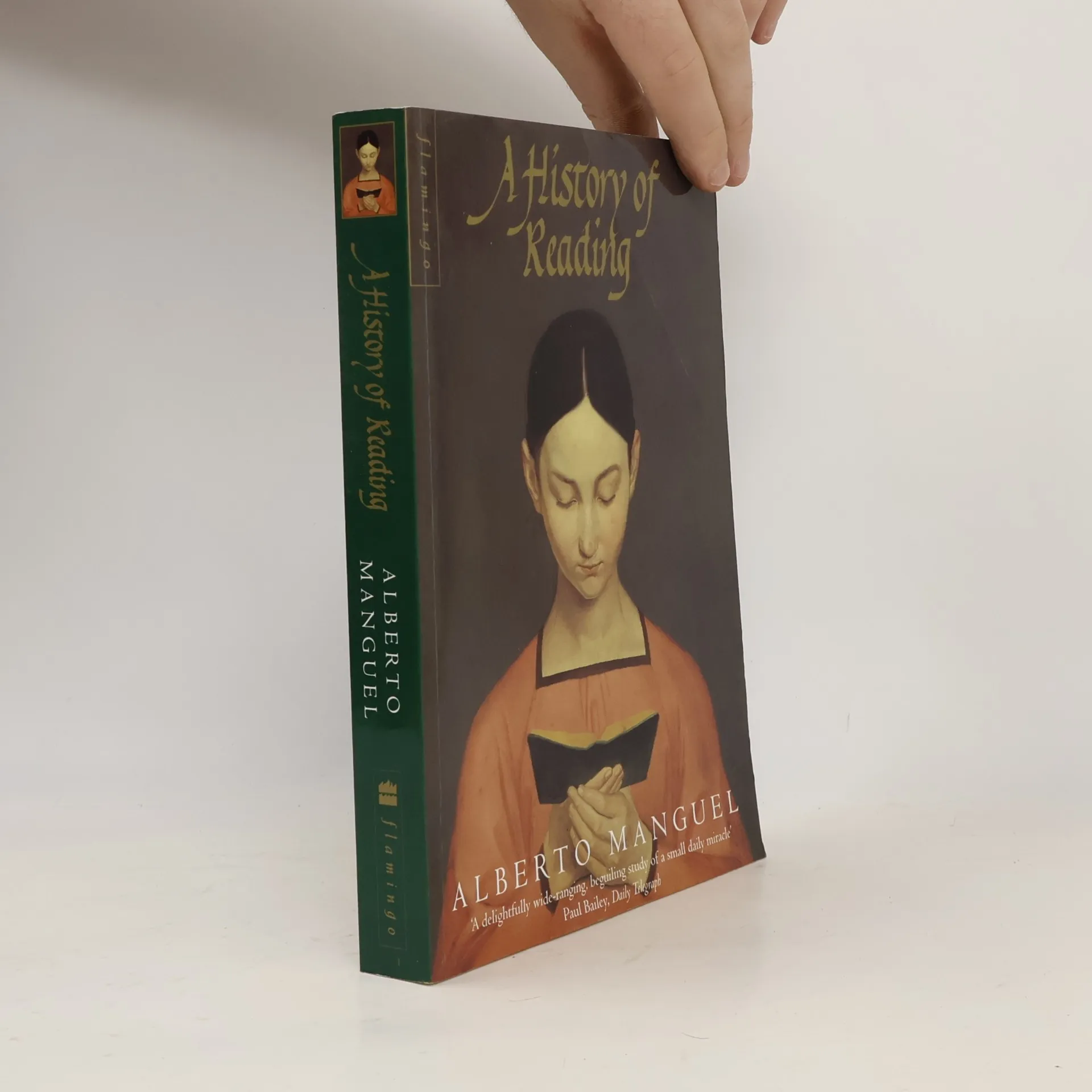
    • A History of Reading

      • 372 pages
      • 14 hours of reading

      This book contains some of the best writing about reading, encompassing the 6,000-year recorded history of this oldest of media--books. I should note that its dust-jacket surpasses mere decoration: Remove it, flip it open, and there is a lovely timeline of the history of reading to post next to your reading chair. An absolutely delightful book and, not surprisingly, Very Highly Recommended.

      A History of Reading
      4.1
    • This profoundly illuminating, entertaining book could well change the way we "read" the visual world around us, and certainly help open our eyes and minds to its astonishing riches. The language in which we speak about art has become steadily more abstruse, a jargon that only art critics and con-artists can understand, though for thousands of years this was not the case. Today, we live in a kaleidoscopic new world of images: Is there a vocabulary we can learn in order to read these images? Is there something we can do so as not to remain passive when we flip through an illustrated book, or download images on a screen? Are there ways in which we can "read" the stories within paintings, monuments, buildings and sculptures? We say "every picture tells a story" - but does it? Taking a handful of extraordinary images - photographed, painted, built, sculpted - Alberto Manguel explores how each one attempts to tell a story that we, the viewer, must decipher or invent. A History of Love and Hate is not about art history or theory - it is about the astonishing pleasures and surprises of stories.

      Reading Pictures : What We Think about When We Look at Art
      4.0
    • Reading Pictures

      • 352 pages
      • 13 hours of reading

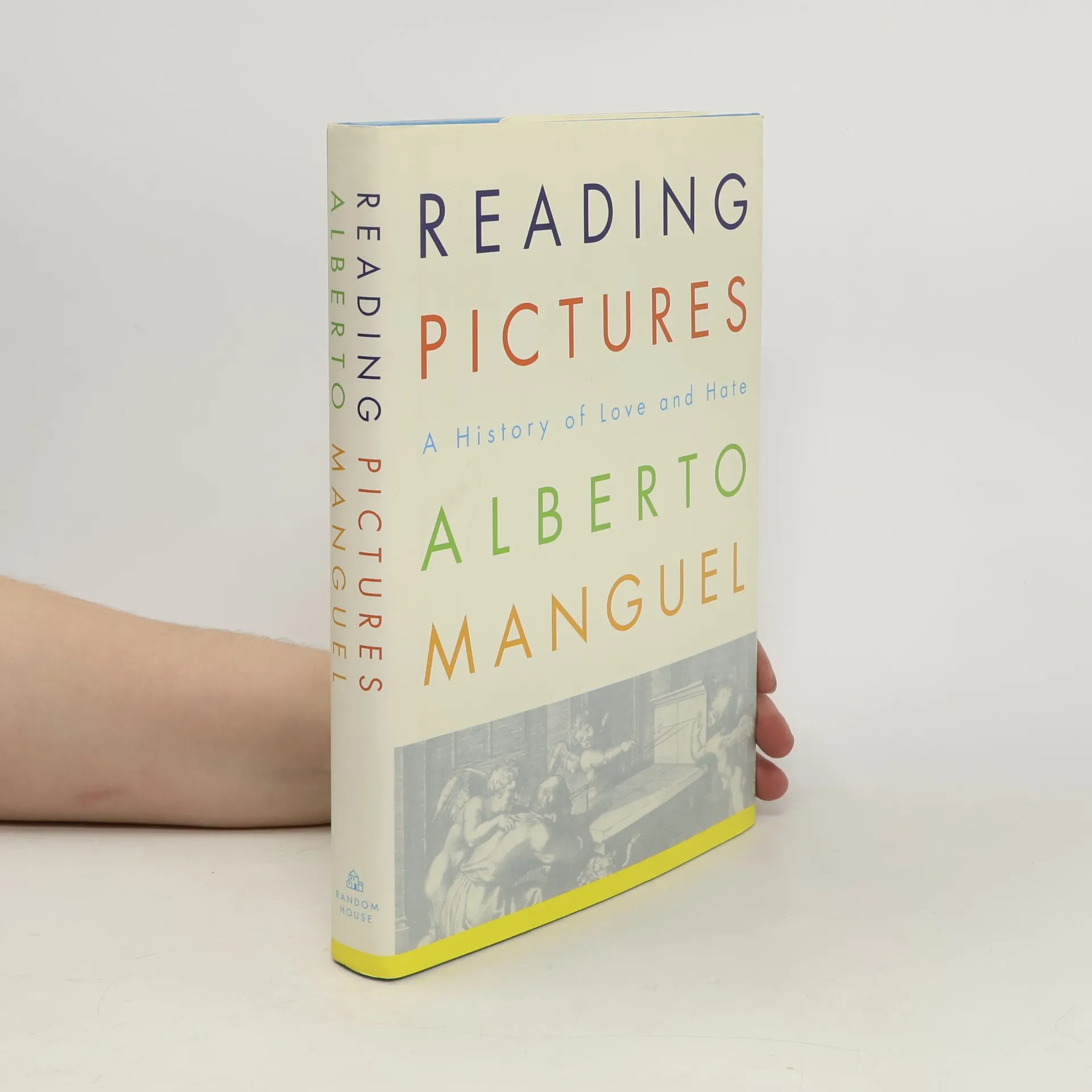
      This profoundly illuminating, entertaining book could well change the way we "read" the visual world around us, and certainly help open our eyes and minds to its astonishing riches. The language in which we speak about art has become steadily more abstruse, a jargon that only art critics and con-artists can understand, though for thousands of years this was not the case. Today, we live in a kaleidoscopic new world of images: Is there a vocabulary we can learn in order to read these images? Is there something we can do so as not to remain passive when we flip through an illustrated book, or download images on a screen? Are there ways in which we can "read" the stories within paintings, monuments, buildings and sculptures? We say "every picture tells a story" - but does it?Taking a handful of extraordinary images - photographed, painted, built, sculpted - Alberto Manguel explores how each one attempts to tell a story that we, the viewer, must decipher or invent. A History of Love and Hate is not about art history or theory - it is about the astonishing pleasures and surprises of stories.

      Reading Pictures
      4.0
    • Packing My Library

      • 160 pages
      • 6 hours of reading

      A best-selling author and world-renowned bibliophile meditates on his vast personal library and champions the vital role of all libraries. "The author brings a fresh hopefulness to the enterprise of books and reading. Vintage Manguel--a pleasure for his many readers and admirers."--Kirkus Reviews In June 2015 Alberto Manguel prepared to leave his centuries-old village home in France's Loire Valley and reestablish himself in a one-bedroom apartment on Manhattan's Upper West Side. Packing up his enormous, 35,000-volume personal library, choosing which books to keep, store, or cast out, Manguel found himself in deep reverie on the nature of relationships between books and readers, books and collectors, order and disorder, memory and reading. In this poignant and personal reevaluation of his life as a reader, the author illuminates the highly personal art of reading and affirms the vital role of public libraries. Manguel's musings range widely, from delightful reflections on the idiosyncrasies of book lovers to deeper analyses of historic and catastrophic book events, including the burning of ancient Alexandria's library and contemporary library lootings at the hands of ISIS. With insight and passion, the author underscores the universal centrality of books and their unique importance to a democratic, civilized, and engaged society.

      Packing My Library
      3.9
    • An exploration of Maimonides, the medieval philosopher, physician, and religious thinker, author of The Guide of the Perplexed, from one of the world's foremost bibliophiles

      Maimonides
      3.7
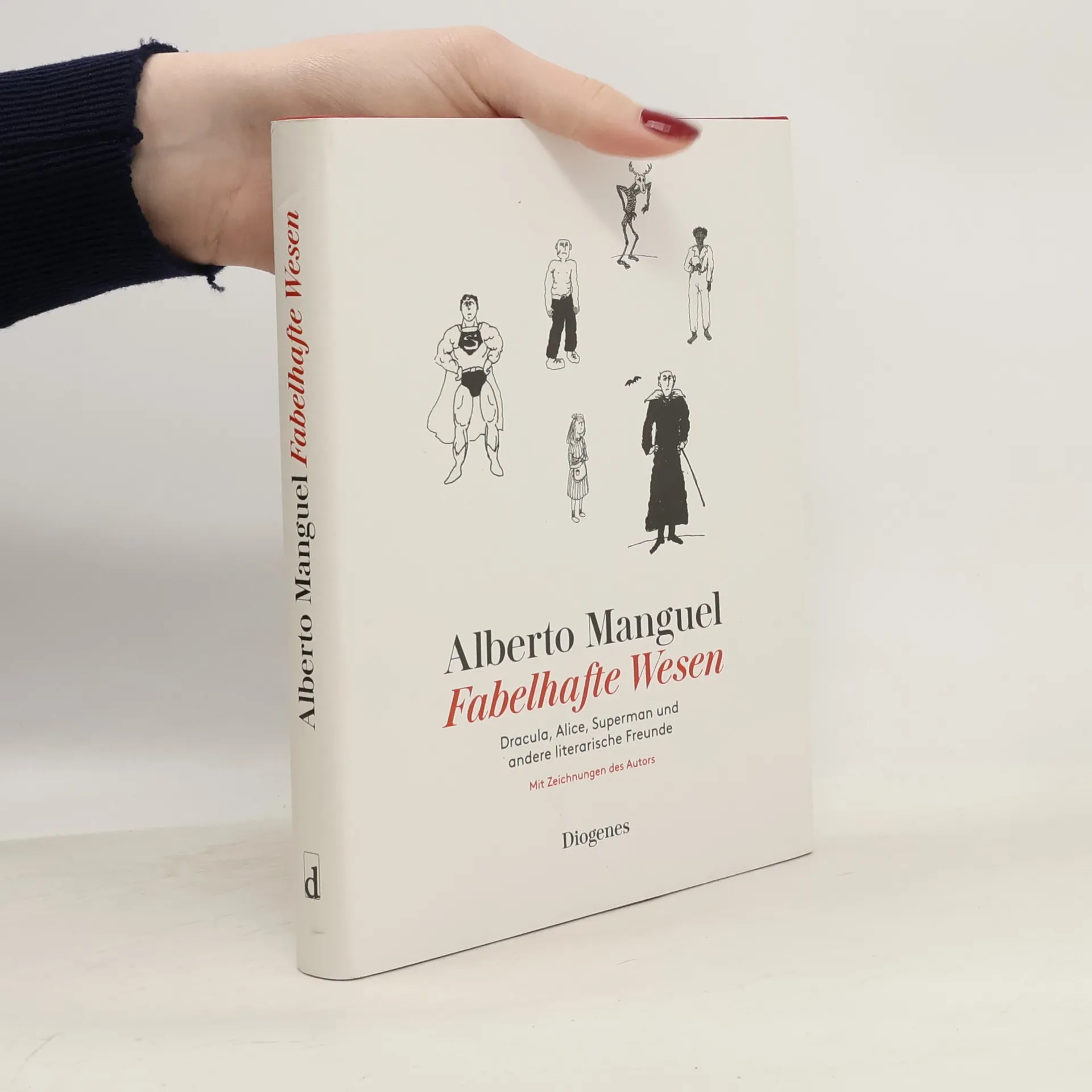
    • Fabulous Monsters

      • 256 pages
      • 9 hours of reading

      This book examines how characters we think we know suddenly shift from behind their conventional stories and, far from accepting the roles assigned to them, our fictional heroes demand enough wiggle-room to teach us about the complexities of love, loss, and life.

      Fabulous Monsters
      3.6
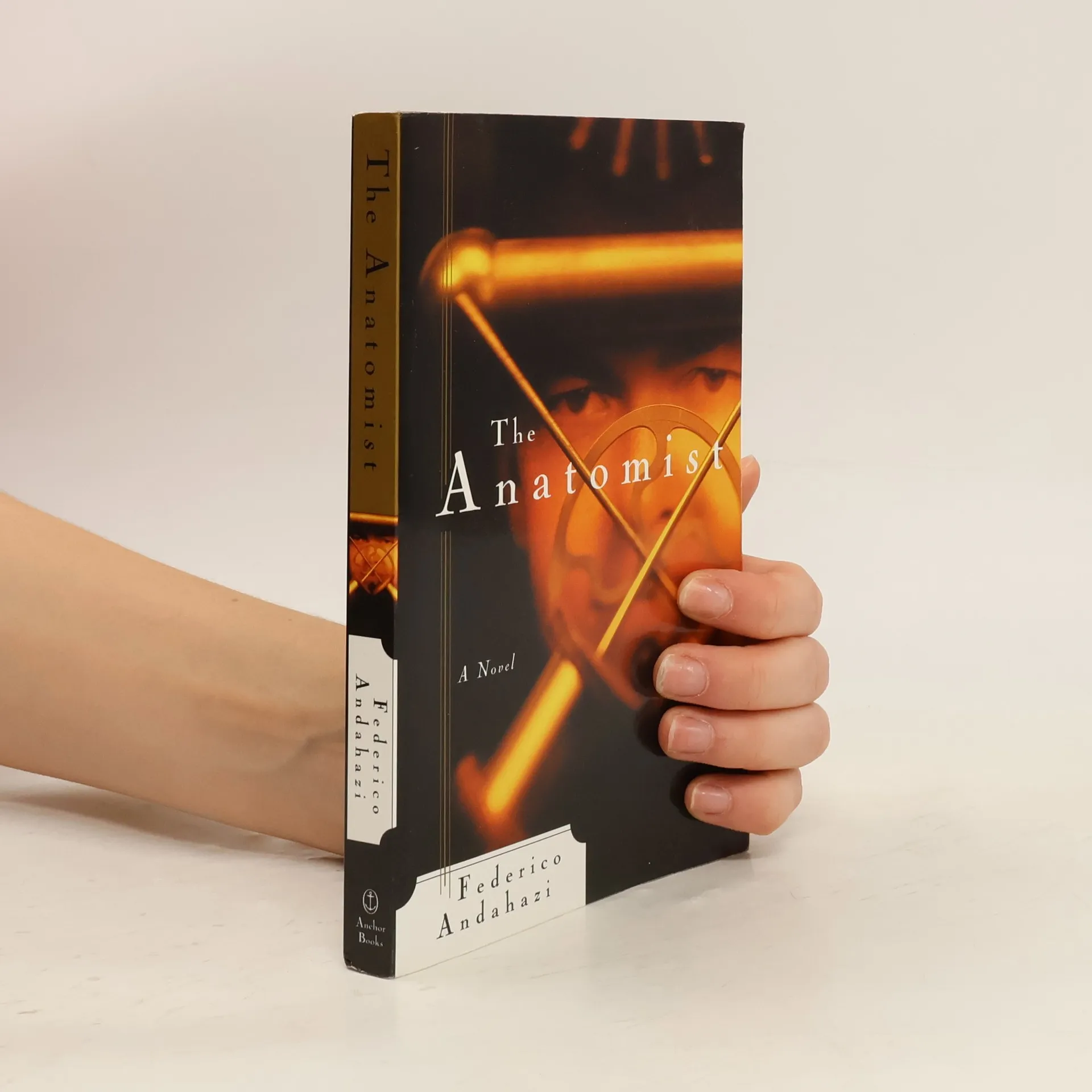
    • The Anatomist

      • 224 pages
      • 8 hours of reading

      A lyrically written, sensual, and extraordinarily enjoyable novel in which a Renaissance anatomist's astonishing discovery forever changes the female erotic universe. In sixteenth-centruy Venice, celebrated physician Mateo Colombo finds himself behind bars at the behest of the Church authorities. His is a crime of disclosure, heinous and heretical in the Church's eyes, in that his research threatens to subvert the whole secular order of Renaissance society. Like his namesake Christopher Colombus, he has made a discovery of enormous significance for humankind. Whereas Colombus voyaged outward to explore the world and found the Americas, Mateo Colombo looked inward, across the mons veneris, and uncovered the clitoris. Based on historical fact, The Anatomist is an utterly fascinating excursion into Renaissance Italy, as evocative of time and place as the work of Umberto Eco, and reminiscent of the earthy sensuality of Gabriel Garc&#237a M&#225rquez. Perceptive and stirring, it ironically exposes not only the social hypocracies of the day, but also the prejudices and sexual taboos that may still be with us four hundred years later.

      The Anatomist
      3.5
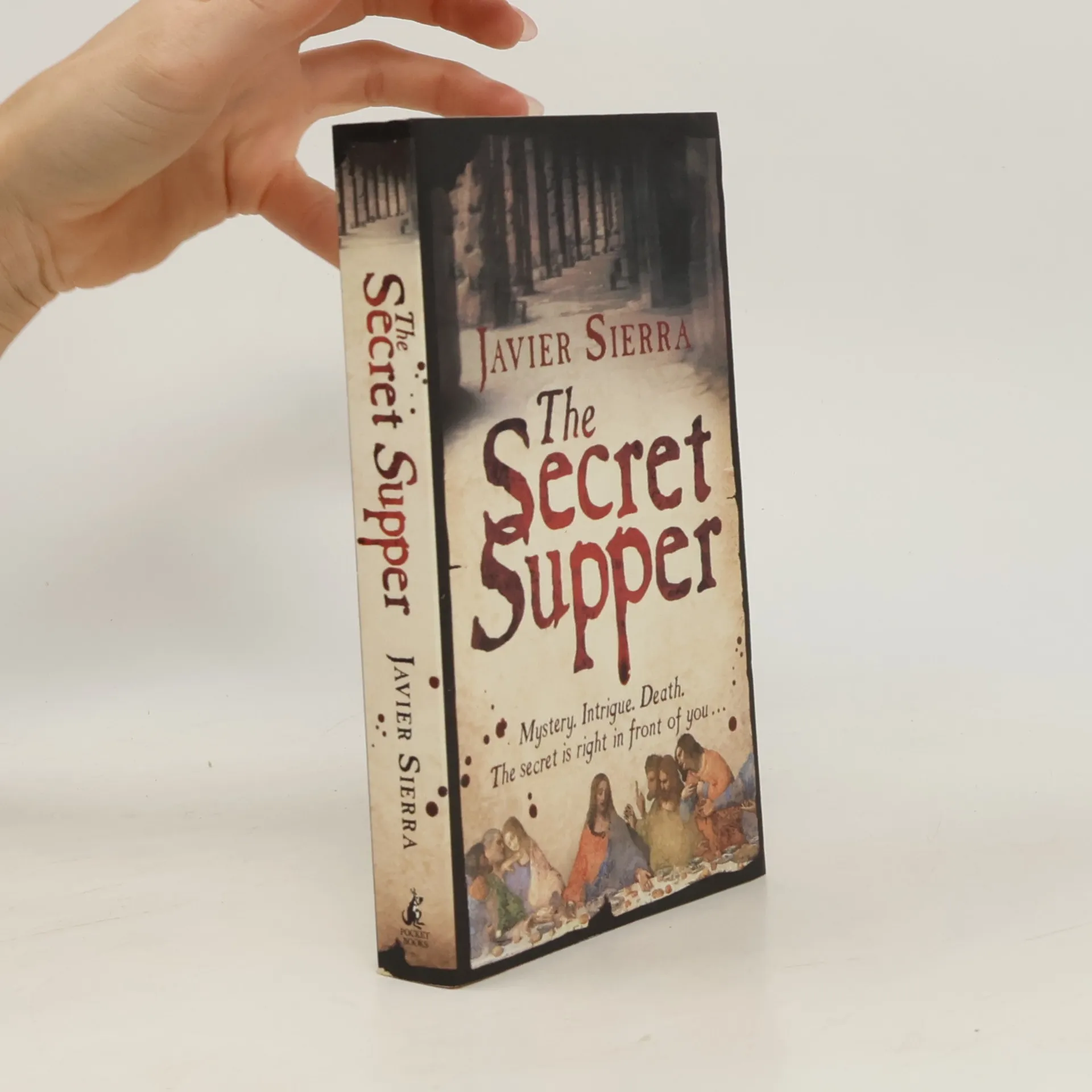
    • The Secret Supper

      • 336 pages
      • 12 hours of reading

      The most-talked-about international bestseller of the year Tightly paced and atmospheric, "The Secret Supper" is a dazzling historical thriller with a unique vision of both Leonardo da Vinci's genius and his masterpiece -- which you will never look at in the same way again. Milan, 1497: Leonardo is completing The Last Supper. Pope Alexander VI is determined to execute him after realizing that the painting contains clues to a baffling -- and blasphemous -- message that he is driven to decode. The Holy Grail and the Eucharistic Bread are missing, there is no meat on the table, and the apostles, shockingly, are portraits of well-known heretics -- and none of them are depicted with halos. And why has the artist painted himself into the scene with his back turned toward Jesus? The clues to Leonardo's greatest puzzle are right before your eyes....

      The Secret Supper
      3.5
    • All Men Are Liars

      • 256 pages
      • 9 hours of reading

      Where can you find truth in a world that is so thoroughly ruled by lies? That is the question tackled by the investigation of a French journalist who endeavours to shed light on the enigma of an unexplained death: that of the Argentinian writer Alejandro Bevilacqua, found lying on the pavement underneath his balcony in Madrid in the mid-1970s.

      All Men Are Liars
      3.5
    • Homer's "Iliad" and "Odyssey"

      A Biography

      • 302 pages
      • 11 hours of reading

      This book delves into the profound impact of the Iliad and the Odyssey, examining their historical significance and enduring relevance across cultures. It invites readers to reconsider Homer's masterpieces by exploring their themes, characters, and the ways they have shaped literature and society throughout history. Through a global lens, the exploration reveals the timeless nature of these epic tales and their influence on contemporary thought and storytelling.

      Homer's "Iliad" and "Odyssey"
    • O Filho de Mil Homens

      • 280 pages
      • 10 hours of reading

      Raramente a Literatura universal produziu um texto tão sensível e humano quanto este. O filho de mil homens é uma obra da ourivesaria literária de Valter Hugo Mãe. Uma experiência de amor pela humanidade que explica como, afinal, o sonho muda a vida. Crisóstomo, um pescador solitário, ao chegar aos quarenta anos de idade decide fazer o seu próprio destino. Inventa uma família, como se o amor fosse sobretudo a vontade de amar. Sempre com a magnífica capacidade poética de Valter Hugo Mãe, esta história é um elogio a todos quantos resistem para além do óbvio.

      O Filho de Mil Homens
      4.3
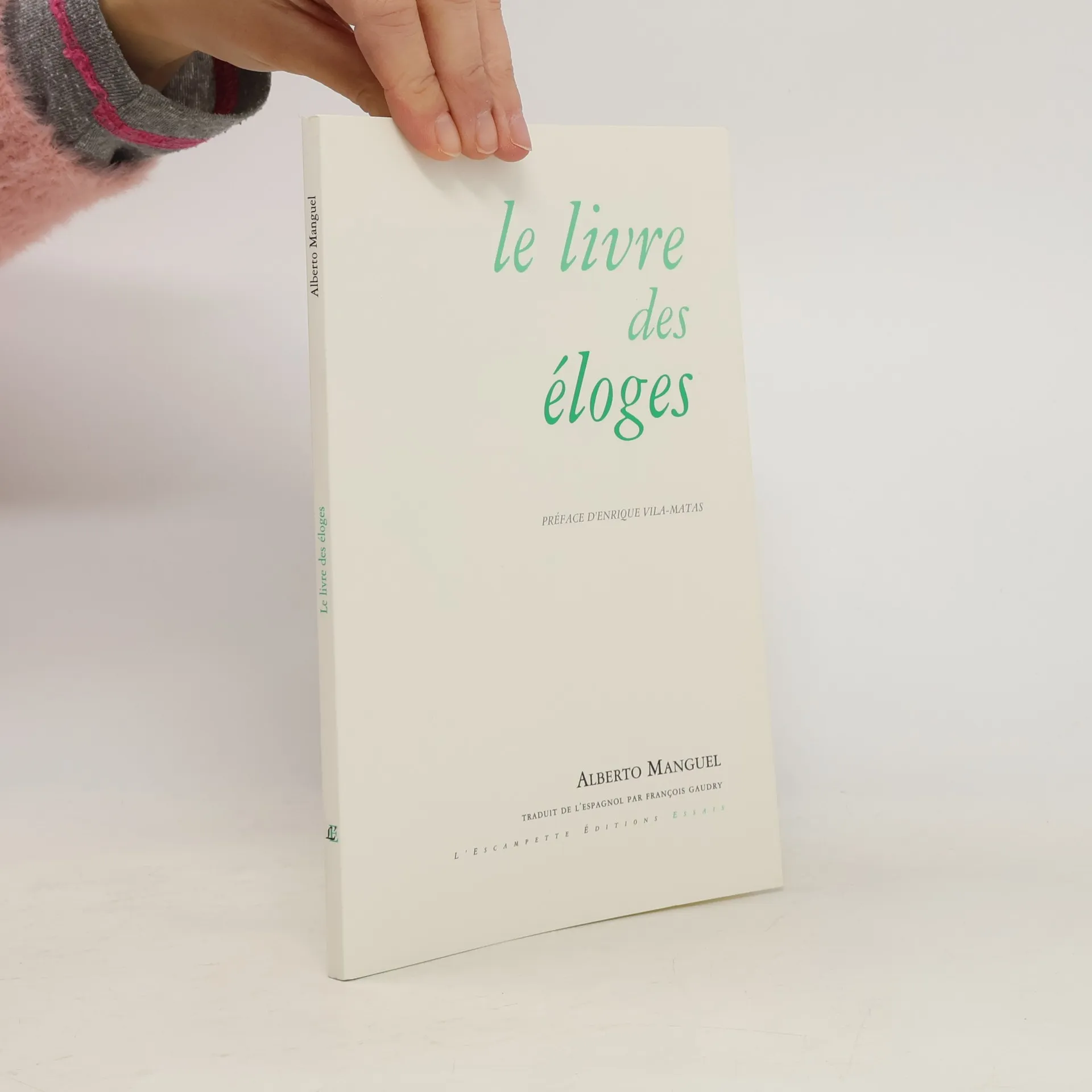
    • Le livre des éloges

      • 80 pages
      • 3 hours of reading

      Série d'éloges qui sont autant de variations sur les sujets les plus variés : la Bible, la librairie, l'horreur, le plaisir, les animaux, le blasphème ou la France.

      Le livre des éloges
      4.0
    • Omero. Iliade e Odissea

      Una biografia

      • 250 pages
      • 9 hours of reading

      In this graceful and sweeping addition to the Books That Changed the World series, Alberto Manguel traces the lineage of Homer's epic poems The Iliad and The Odyssey.

      Omero. Iliade e Odissea
      4.0
    • Dans la forêt du miroir

      essais sur les mots et sur le monde

      Si ce livre permet au lecteur de renouer avec l'érudition jubilatoire si caractéristique de l'auteur d'Une histoire de la lecture, il lui donne également l'occasion de rencontrer un homme engagé dans l'histoire de son temps, rebelle à toutes les censures, esprit libre et pourfendeur averti des préjugés, humaniste habité par le souci constant de placer la création au centre géométrique de l'univers social, culturel, politique. Avec l'Alice de Lewis Carroll pour guide, Alberto Manguel explore la nature du lien qui s'établit entre le monde et les mots que nous choisissons pour le nommer. Un passionnant voyage au cœur subversif du langage.

      Dans la forêt du miroir
      3.0
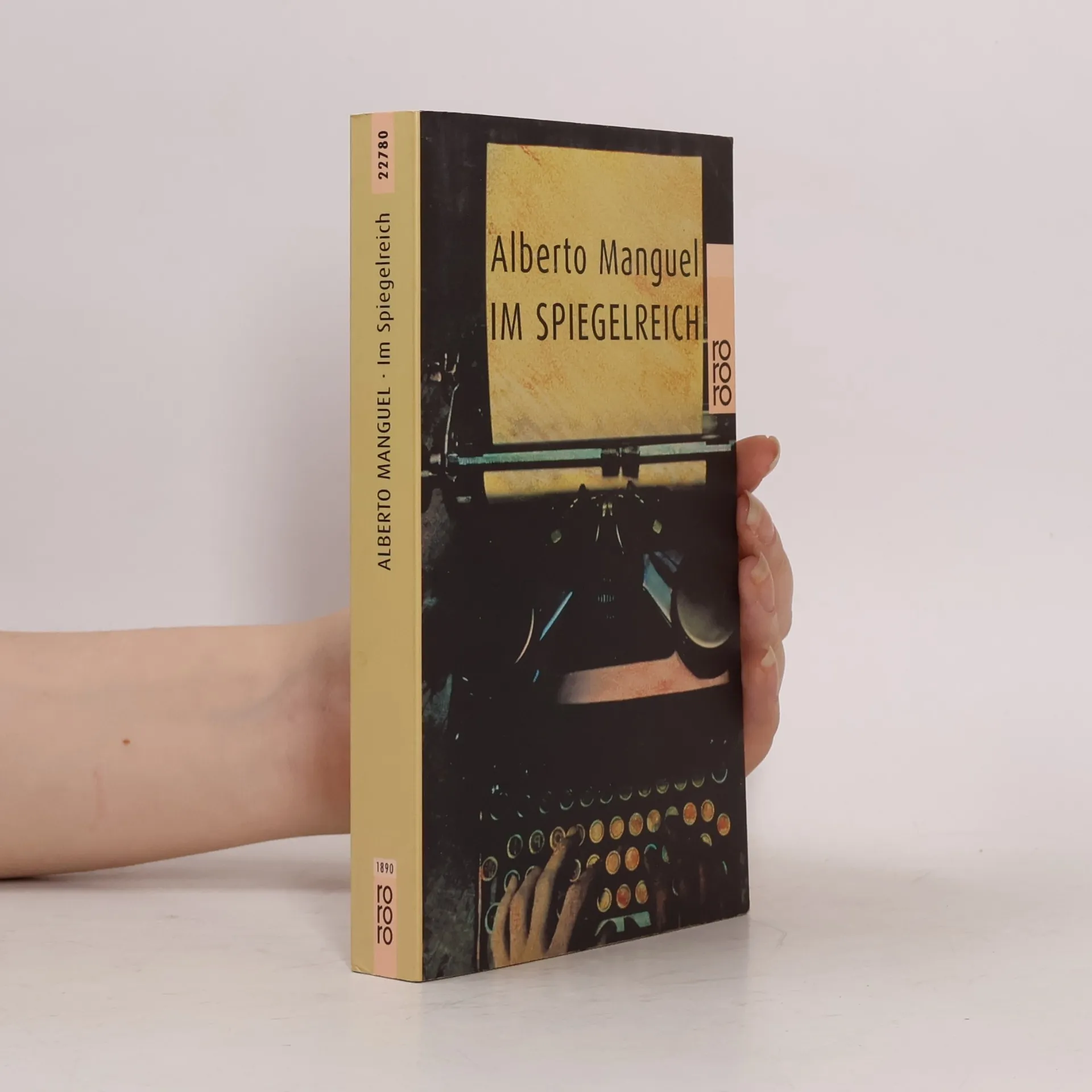
    • Im Spiegelreich

      • 360 pages
      • 13 hours of reading

      Alberto Manguel erzählt in diesem unterhaltsamen Band Geschichten und Gedanken über Kultur, Medien, Judentum, Kunst und Grausamkeit. Er teilt seine Leseerfahrungen und Überzeugung, dass Bücher den Leser klüger machen.

      Im Spiegelreich
      3.0
    • De bibliotheek bij nacht

      de liefde voor boeken en de kunst van het verzamelen

      • 336 pages
      • 12 hours of reading

      Inspired by creating a library for his fifteenth-century home near the Loire, in France, the author tours from his childhood bookshelves to the Internet, from Ancient Egypt and Greece to the Arab world, from China and Rome to Google. He ponders the doomed library of Alexandria and personal libraries of Charles Dickens, Jorge Luis Borges, and others. He recounts stories of people who have struggled against tyranny to preserve freedom of thought—the Polish librarian who smuggled books to safety as the Nazis began their destruction of Jewish libraries; the Afghani bookseller who kept his store open through decades of unrest. Oral “memory libraries” kept alive by prisoners, libraries of banned books, the imaginary library of Count Dracula, a library of books never written.

      De bibliotheek bij nacht
      4.1
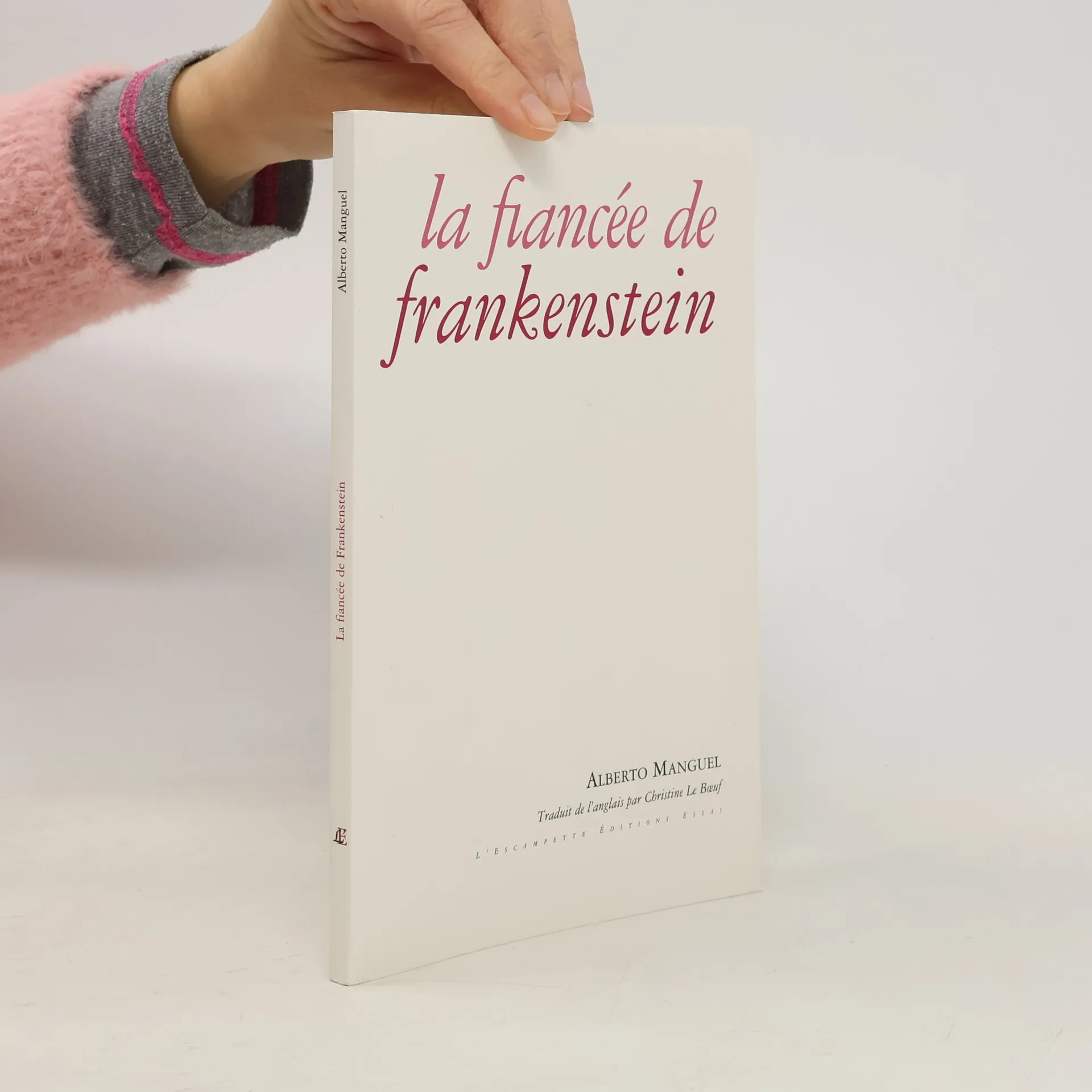
    • La Fiancée de Frankenstein

      • 81 pages
      • 3 hours of reading

      En première lecture, ce livre est un essai sur le film de James Whale (1935), ses origines (le célèbre roman de Mary Shelley), l'écriture de son scénario, le choix de ses acteurs, la relation avec la censure, etc. Mais, plus profondément, c'est un essai sur la création, sur les relations du créateur avec sa création, sur la prédominance de l'acte de création sur tout autres considérations philosophiques, religieuses ou morales. C'est aussi un essai sur le mal, sur la tentation de puissance, sur le vertige des interdits. A sa première apparition, le visage du monstre est présenté par Manguel comme l'une des icônes de notre temps, au même titre que le visage de Greta Garbo... Cela fait partie des nombreuses réussites de ce livre provoquées par ces rapprochements inattendus où nous entraînent l'intelligence et la culture de Manguel. La comparaison, du point de vue de la création pure, entre la Fiancée créée par Frankenstein et la Mariée mise à nu par ses célibataires créée par Duchamp est un grand moment d'analyse et de jubilation ! Enfin, et d'une façon assez classique dans la littérature et le cinéma fantastiques, la monstruosité n'est peut-être pas là où on le penserait. Le monstre n'aspire qu'à une harmonie que la société des hommes " normaux " lui refuse. L'instant de bonheur que connaît le monstre en compagnie d'un vieillard aveugle est une scène magnifiquement décrite...

      La Fiancée de Frankenstein
      3.0
    • Las puertas del paraíso

      • 502 pages
      • 18 hours of reading

      Confrontada a la tarea de hacer arte con una desconcertante variedad de temas y objetos, sentimientos y miedos, limitada por un vocabulario especialmente concebido para otros fines, caminando por el peligroso filo entre pornografía y sensiblería, amenazada por las las fuerzas censoras de la política, la educación y la religión, la literatura erótica no sólo sobrevive, sino que halla formas cada vez más atrevidas y más lúcidas en su búsqueda de objetos del deseo. La presente ANTOLOGÍA DEL RELATO ERÓTICO, seleccionada por ALBERTO MANGUEL, reúne relatos de autores tan prestigiosos como Harold Brodkey, Robert Coover, Yasunari Kawabata, Ian McEwan, Adolf Muschg o Anaïs Nin -entre otros-, que ofrecen a nuestra sensibilidad distintas llaves para franquear las que Blake llamara LAS PUERTAS DEL PARAÍSO.

      Las puertas del paraíso
      3.7
    • Alberto Manguel lädt uns ein, die Weltliteratur neu zu entdecken, indem er literarische Heldinnen und Helden wie Sindbad, Superman und Alice im Wunderland betrachtet. Diese Figuren bestehen Abenteuer, die sie klug und welterfahren machen und uns inspirierende Antworten auf die großen Lebensfragen bieten.

      Fabelhafte Wesen. Dracula, Alice, Superman und andere literarische Freunde
      3.7
    • Cuando a comienzos de este siglo Alberto Manguel instaló su biblioteca en un viejo presbiterio del Valle del Loira, sintió finalmente que, al igual que sus libros, había hallado su lugar en el mundo. Pero la vida le desdijo y su biblioteca está ahora guardada en cajas en un depósito en Canadá. Eco inverso del breve ensayo de Walter Benjamin, "Mientras embalo mi biblioteca" es casi un manifiesto, un gesto de rebeldía frente a la amenaza de olvido que supone vaciar los estantes. En esta elegía (acompañada de diez digresiones), Manguel reivindica con lucidez y sabiduría la biblioteca que sigue existiendo en la mente del lector, el poder de la palabra y los juegos de asociaciones y recuerdos que los libros, aun encerrados, producen. Una biblioteca, dice Manguel, es una autobiografía de muchas capas: esa es la noción que explora este nuevo texto del autor, Premio Formentor 2017, quien tanto ha contribuido, a lo largo de todos sus escritos, al placer de la lectura.

      Mientras embalo mi biblioteca : una elegía y diez digresiones
      3.9
    • Alberto Manguel, niegdyś lektor niewidomego Borgesa, a obecnie znany bibliofil, przenosi się z francuskiej wsi do nowojorskiego apartamentu, żegnając się z ponad trzydziestoma pięcioma tysiącami książek. Pakując tomy, które mogą nigdy nie wrócić do jego rąk w dotychczasowej formie, medytuje nad materialnym wymiarem literatury, przemijaniem i utratą. Autor „Mojej historii czytania” w „Pożegnaniu z biblioteką” ukazuje erudycyjny styl, który w polszczyźnie wzbogaca Michał Tabaczyński. Manguel nawiązuje do legendy o Bibliotece Aleksandryjskiej, gdzie Ptolemeusz pragnął znaleźć zdanie przeznaczone tylko dla niego, co ilustruje, dlaczego tak wiele osób otacza się książkami. Tworząc prywatną bibliotekę, stajemy się częścią labiryntu opowieści, a utrata księgozbioru, jak opisuje Manguel, staje się głęboko bolesna. Fragment książki ukazuje, jak w różnych miejscach na świecie Manguel gromadził książki, które po przeprowadzkach czekały w magazynach na nowy dom. Zastanawia się, jak ta bujna dżungla papieru zapada w hibernację, by później znów ożywić jego przestrzeń. Manguel to pisarz, tłumacz, redaktor i krytyk, autor wielu esejów i powieści, w tym „Mojej historii czytania”.

      Pożegnanie z biblioteką. Elegia z dziesięciorgiem napomknień
      3.9
    • Bücher sind die Sterne am Firmament unserer Biographie. Im »Tagebuch eines Lesers« überlässt sich Alberto Manguel ein Jahr lang seinen Sternen. Monat für Monat liest er im Rhythmus seiner Reisen und der Jahrezeiten je eines seiner Lieblingsbücher neu – von Don Quijote bis Sherlock Holmes. Alberto Manguel begegnet seiner Kindheit wieder, seinen literarischen Helden und zeigt uns, wie man in Zeiten politischer Wirrnis lesend seinen Kopf behält.

      Tagebuch eines Lesers
      3.7
    • Die verborgene Bibliothek

      • 192 pages
      • 7 hours of reading

      Alberto Manguel, der vielleicht größte Leser unserer Zeit, erzählt in zehn unterhaltsamen und ebenso gelehrten Abschweifungen von der wunderbaren Komplizenschaft zwischen Leser und Buch und von seinen ganz persönlichen Leseeindrücken. Ein Leben lang waren ihm seine Bücher Inspiration und Freunde. Jetzt ist er ohne sie, denn seine Bibliothek schlummert verpackt in Umzugskartons. Im Geiste stöbert er nun durch die Seiten der Weltliteratur und durch die Bibliotheken seines Lebens - die Stadtbüchereien seiner Kindheit, später seine eigenen Bibliotheken in Paris, London, Mailand, in der schwülen Hitze von Tahiti. Alberto Manguel war der Vorleser des erblindenden Dichters Jorge Luis Borges und ist seit 2016 als Direktor der argentinischen Nationalbibliothek in Buenos Aires sein Nachfolger. Mit seiner »Geschichte des Lesens« begeisterte Manguel Millionen Leser auf der ganzen Welt. Mit Walter Benjamins berühmter Rede »Ich packe meine Bibliothek aus« im Anhang als weiteres Lesevergnügen.

      Die verborgene Bibliothek
      3.3
    • Gazeteci Jean-Luc Terradillos, 30 yıl önce Madridde intihar eden gizemli yazar Alejandro Bevilacquanın hayatını araştırmaya girişir. Bunun için Bevilacquayla, hayatının çeşitli dönemlerinde yakın ilişki kurmuş dört kişiyi seçer ve onlardan Bevilacquayı anlatmalarını ister. Bu dört kişi, Bevilacquanın sırdaşı Alberto Manguel, sevgilisi Andrea, hapishane arkadaşı Domuz ve yayıncısı Gorostizadır. Terradillos bu kişilerden Bevilacquanın hayat hikâyesini dinledikten sonra ummadığı bir sonuca ulaşacaktır.

      Bütün Insanlar Yalancidir
      3.5
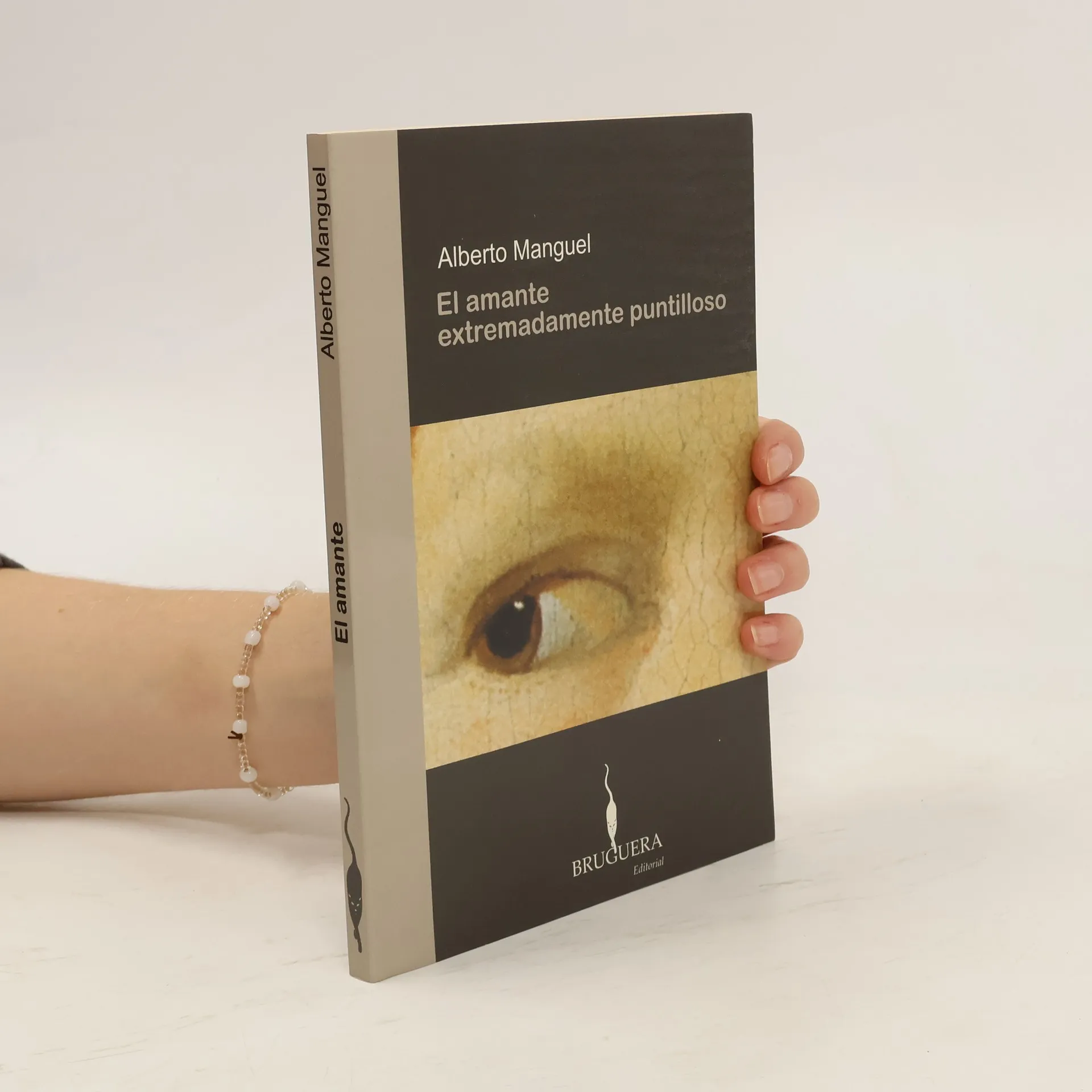
    • El amante extremadamente puntilloso

      • 88 pages
      • 4 hours of reading

      Relato irónico y sensual del "caso Vasanpeine," personaje presentado como histórico pero inventado por el autor apoyándose en notas de eruditos y estudiosos de la extraña figura del joven protagonista y de su peripecia existencial. Situada en el Poitiers oscuro y misterioso de principios del siglo XX, esta novela corta narra la fatal aventura del joven Anatole, precursor del arte de la fotografía, que usa para satisfacer sus necesidades estéticas y eróticas, llevado por una necesidad compulsiva que desemboca en tragedia.

      El amante extremadamente puntilloso
      2.9
    • Im siebten Kreis

      • 271 pages
      • 10 hours of reading

      Bevor Alberto Manguel die Bibliotheken der Welt besuchte, schrieb er einen Roman über das Schicksal des Exils, das Opfer und Täter aneinander kettet. In einem idyllischen Badeort lebt Antoine Berence zurückgezogen mit seiner Familie. Der pensionierte Polizeioffizier gilt als liebevoller Vater und Ehemann. Bis eine Bombe sein Haus in die Luft jagt und er weiß, die Abrechnung hat begonnen.

      Im siebten Kreis
    • Stevenson unter Palmen

      • 109 pages
      • 4 hours of reading

      »Liebesbriefe an das Lesen«, schrieb der »New Yorker« über Alberto Manguels Bestseller »Die Geschichte des Lesens«, einem erzählerischen und essayistischen Bravourstück und eine Hommage an eine der schönsten »Möglichkeiten des Glücks« (Borges). Es ist der Traum jedes Schriftstellers, seinem eigenen Tod zu begegnen und so zumindest eine Geschichte lang Macht über ihn zu haben. In Alberto Manguels Erzählung »Stevenson unter Palmen« scheint sich dieser Traum gegen den Autor zu richten. Stevenson, der berühmte Schöpfer der »Schatzinsel« und von »Dr. Jeckyll und Mr Hyde«, hat sich von den kalten Nebeln Schottlands in die Südsee zurückgezogen. Doch plötzlich begegnet er einem Mann mit vertrauten Akzent, ein Missionar mit harten Zügen. Und es ereignen sich mysteriöse Dinge, in deren Urheber alle Stevenson sehen…

      Stevenson unter Palmen
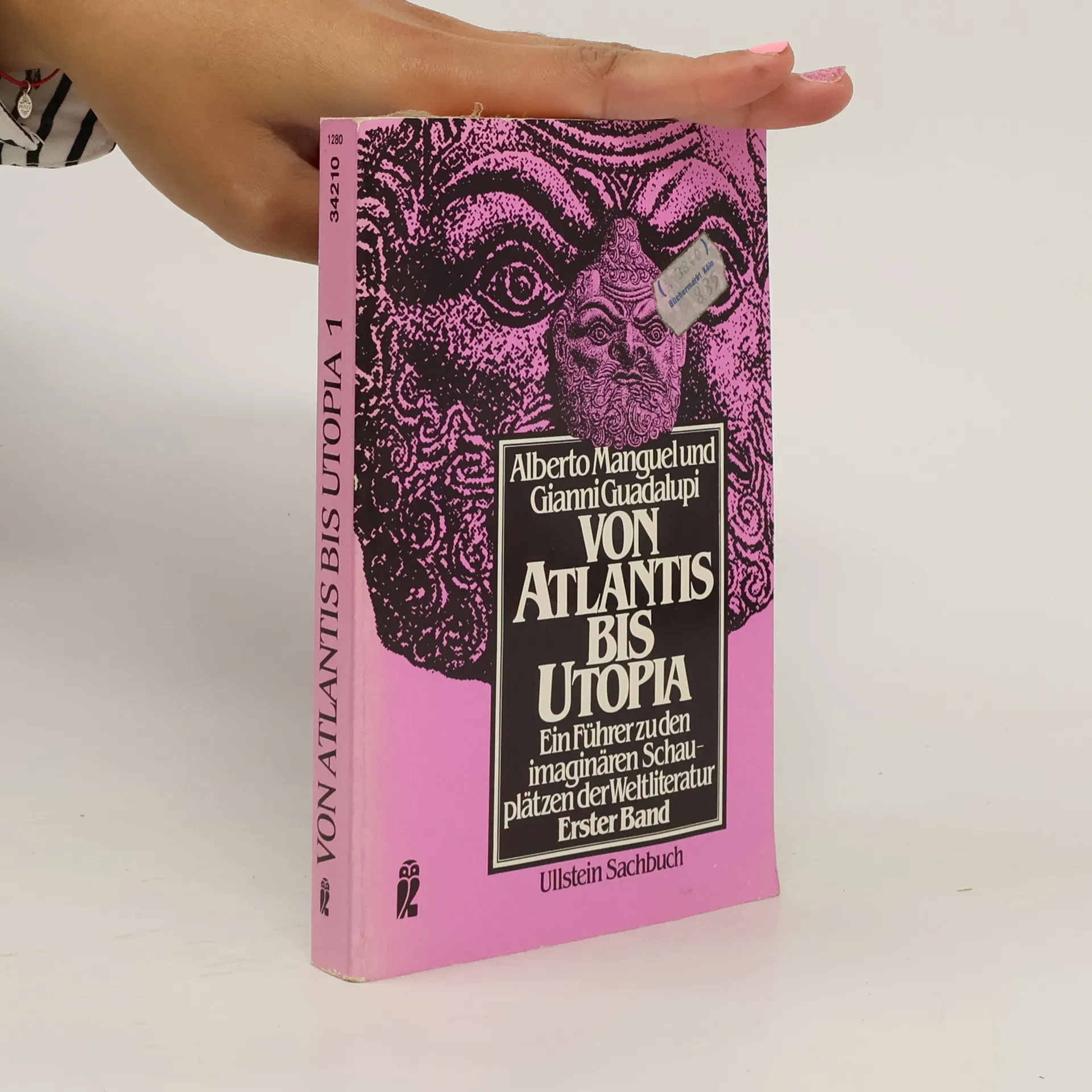
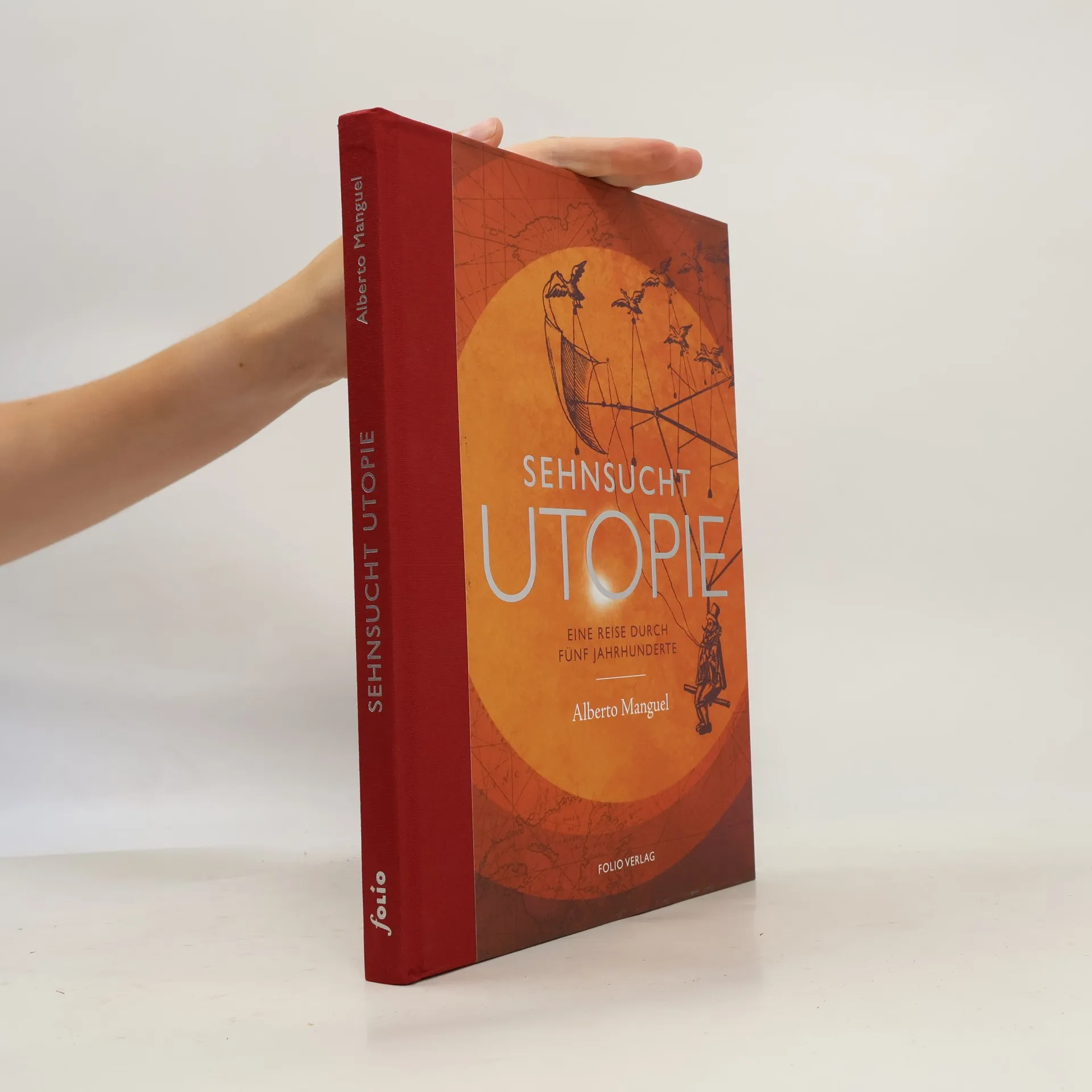
    • Von Manguel, Alberto ; Guadalupi, Gianni. Zahlr. Abb. u. Ktn. 410 S. Bearb. u. erw. dt. Ausg.

      Von Atlantis bis Utopia
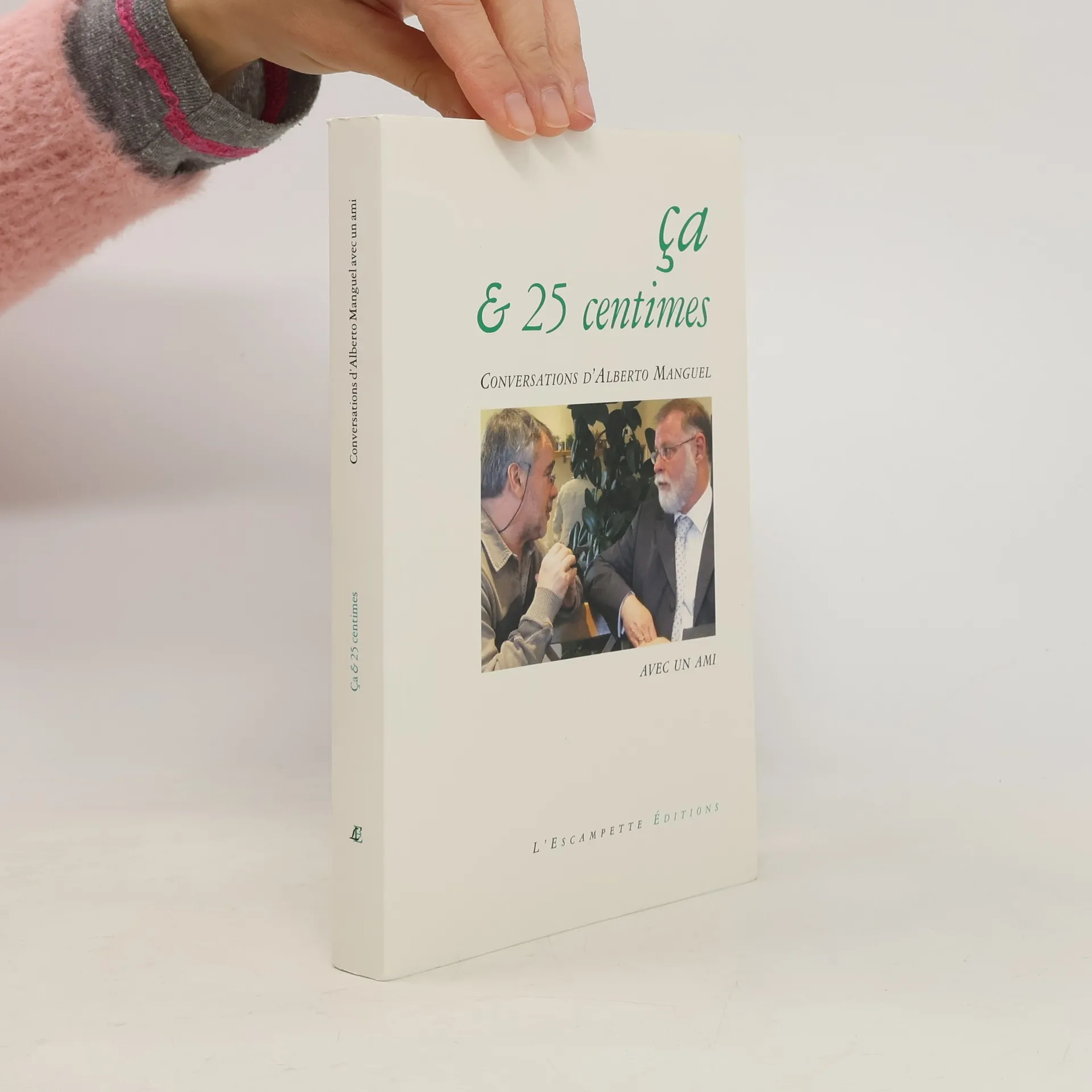
    • Ça & 25 centimes

      Conversations d'Alberto Manguel avec un ami

      • 232 pages
      • 9 hours of reading

      Il nuovo libro di Alberto Manguel ci offre libertà, humour, impertinenza e amicizia, che fluiscono come in "presa diretta" dalla voce dell'autore, raccolta con affetto e perizia da Claude Rouquet. Da queste conversazioni ora sommesse ora appassionate, spesso ironiche e divertenti, costellate da uno stuolo di aneddoti su personaggi molto spesso straordinari, emerge non solo un inedito ritratto del panorama letterario ed editoriale internazionale dagli anni Sessanta ad oggi, ma anche un autoritratto umano e personale di incredibile intensità e sincerità: Manguel appare saggio e disincantato, ma al tempo stesso ancora pieno di amore e interesse per il meraviglioso mondo dei libri e delle biblioteche, scoperto con Borges e mai più abbandonato.

      Ça & 25 centimes
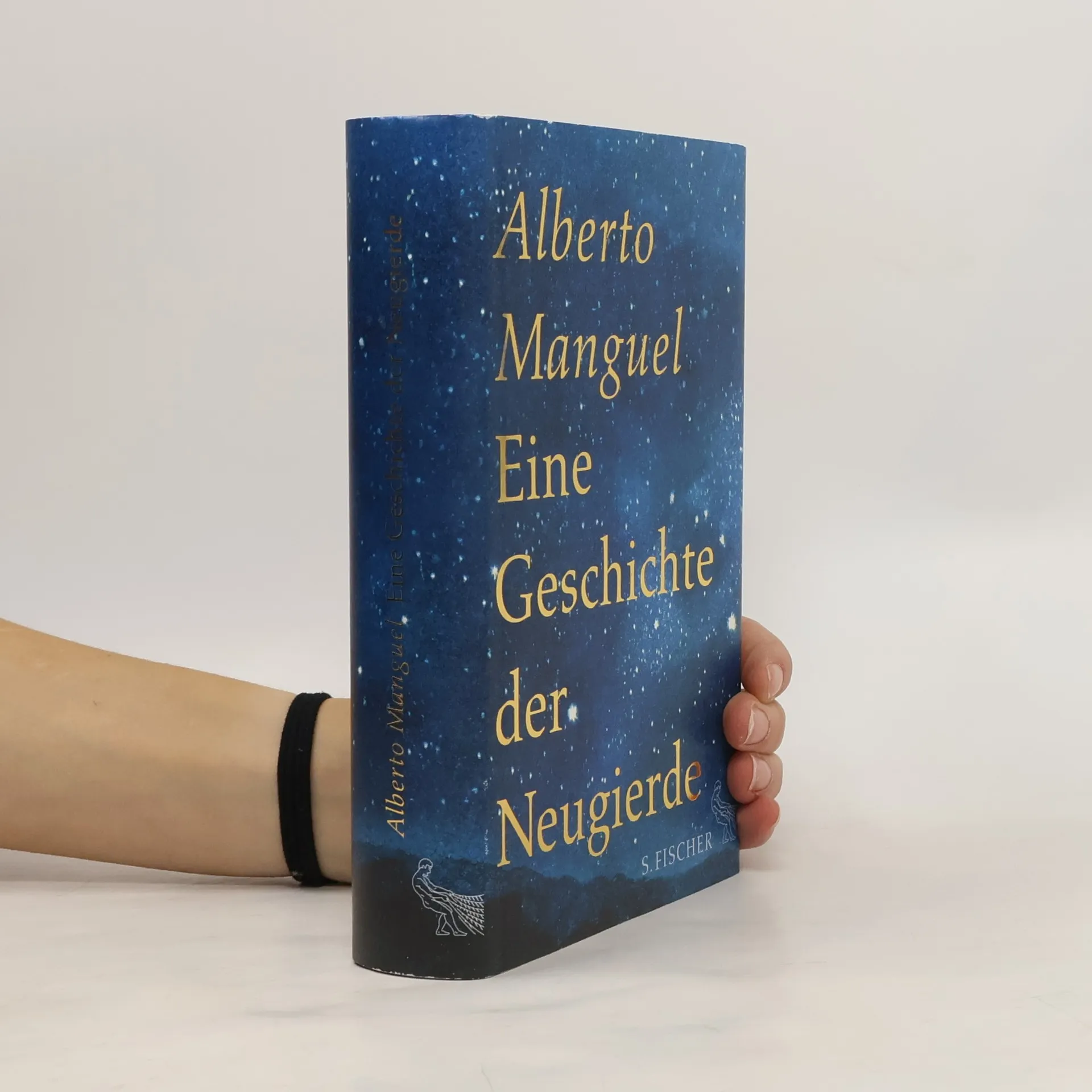
    • Eine Geschichte der Neugierde

      • 528 pages
      • 19 hours of reading

      Eine Abenteuerreise durch die Menschheitsgeschichte der Neugierde - mit Alberto Manguel Der Bestsellerautor Alberto Manguel ist der Leser unserer Zeit, ein Gelehrter und Geschichtenerzähler. Was ihn antreibt, ist die Neugierde, die seit jeher Quell des Fortschritts, der Kunst und des Scheiterns ist. Nun geht er dieser selbst auf den Grund und entführt seine Leser auf eine überraschende Reise durch die Geschichte der Neugierde. Seine Wegbegleiter sind die großen Denker, von Dante über David Hume, Rachel Carson und Lewis Carroll bis Sokrates. Auf den Spuren der größten Literaten und Philosophen der Menschheitsgeschichte entwirft er ein Panorama der Kunst des Fragens und erzählt mit viel Witz und Verstand, warum Weisheit nicht in den Antworten, sondern in den Fragen liegt. Manguel stellt sie den Büchern seines Herzens, die großen und die kleinen Fragen, und wo er keine Antwort findet, so doch immer eine bessere Frage. Alberto Manguels bisher persönlichstes Buch ist eine vielseitige Geschichte der menschlichen Neugierde, ein großes Fest der Ideen und der eigenen Vorstellungskraft und die Lebenserinnerung eines international gefeierten Romanciers, Kritikers und Übersetzers.

      Eine Geschichte der Neugierde
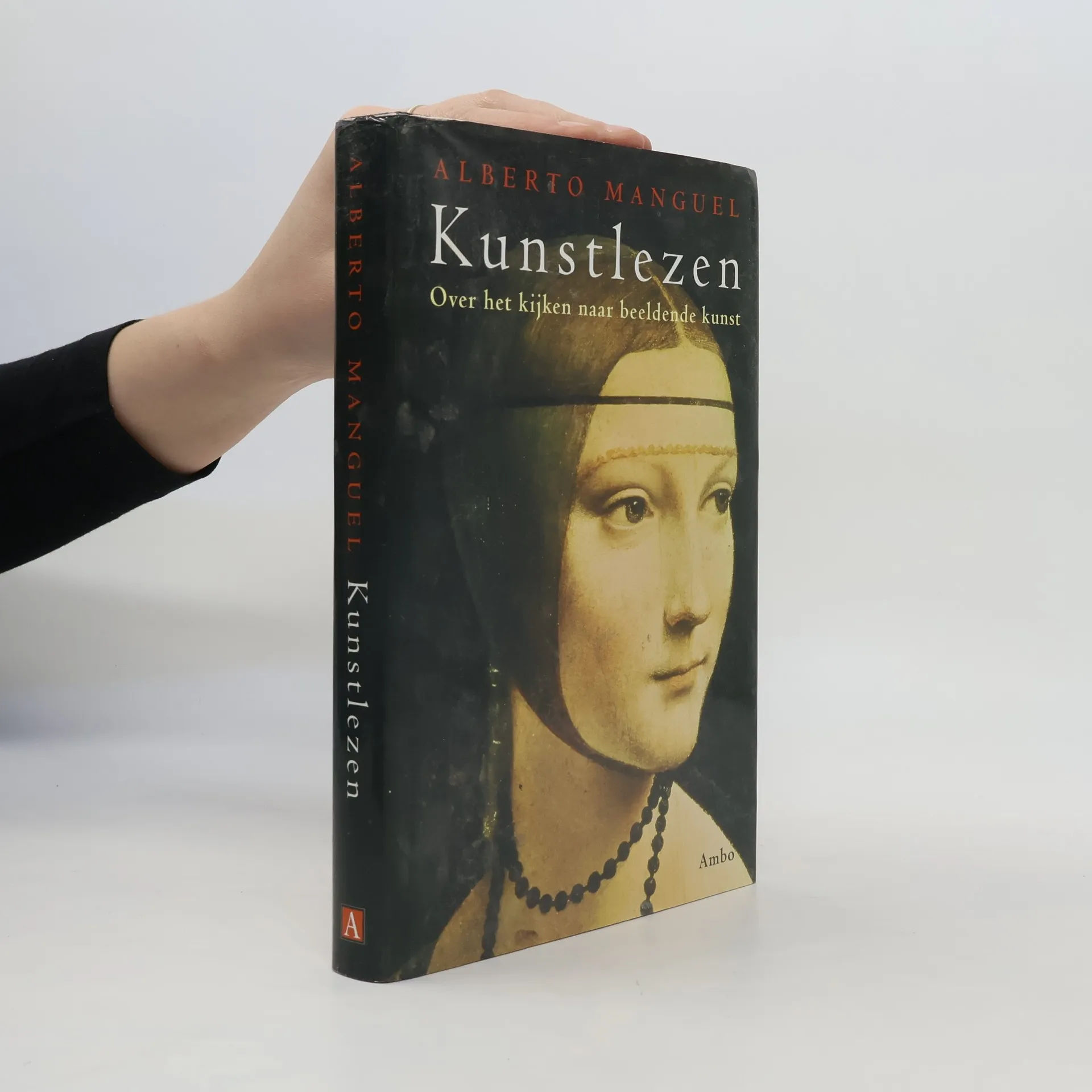
    • Volgens de omschrijving van Malraux wordt onze kijk op kunst bepaald door een enorm aantal persoonlijke en sociale omstandigheden, waaronder de kennis die wij hebben van de wereldwijde beeldtaal: het imaginaire museum. Manguel verkent zijn eigen kijk op kunst aan de hand van een aantal kunstwerken, waarbij hij zijn eigen associaties de vrije loop laat, los van bekende kunsthistorische opvattingen.

      Kunstlezen, over het kijken naar beeldende kunst
    • Čtení obrazů

      • 348 pages
      • 13 hours of reading

      O čem přemýšlíme, když se díváme na umění? V myšlenkově bohaté knížce se autor – spisovatel, editor a překladatel – zamýšlí nad strategiemi „čtení“ výtvarných děl. Předkládá nápadité, přitom srozumitelné interpretace obrazů, soch i staveb z různých etap evropských i světových dějin umění. Ze zřetele Manguel nespouští diváka – klade si otázky, co pro člověka určité umělecké dílo může znamenat, jak divák dílo dešifruje, jak nás při vnímání obrazů ovlivňují předchozí znalosti a dobový kontext. Předmětem Manguelova zkoumání jsou díla umělců z různých období a zemí (Joan Mitchell, Robert Campin, Tina Modotti, Lavinia Fontana, Marianna Gartner, Filoxenos, Picasso, Claude-Nicolas Ledoux, Peter Eisenman či Caravaggio).

      Čtení obrazů
      4.0
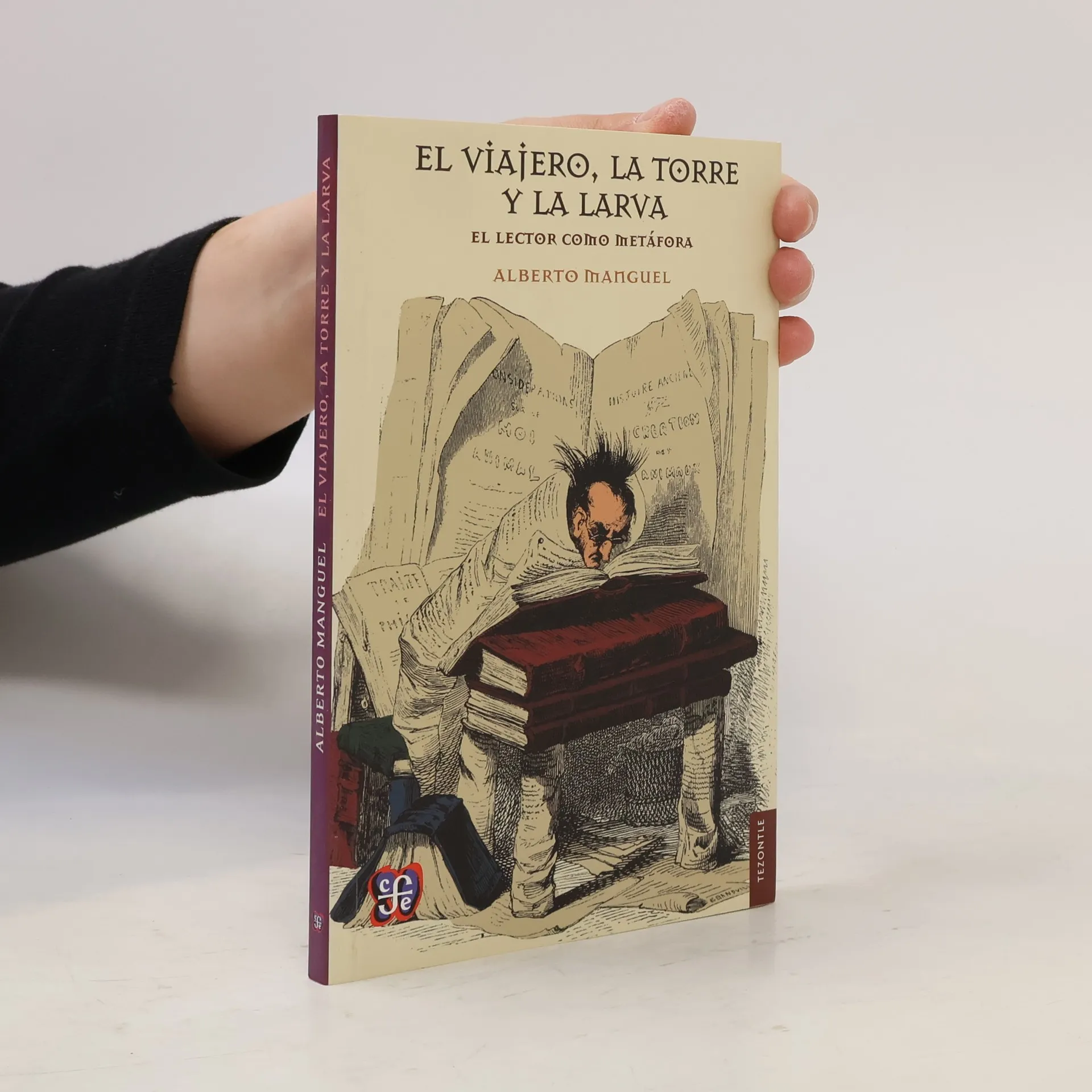
    • „Podle všeho jsme jediný živočišný druh, který vnímá svět tak, jako by se skládal z příběhů.“ Alberto Manguel Knihu světa čteme v různých rolích. Můžeme být cestovateli, kteří putují stránkami na cestě k osvícení. Můžeme být samotáři čtením se uzavírat do své slonovinové věže. Nebo můžeme knihy hltat jako (kniho)molové, nevnímat jejich moudrost a jen se cpát nespočetnými slovy. Alberto Manguel se ve své poslední knize elegantně a s mimořádným záběrem zabývá řetězcem metafor, které v průběhu čtyř tisíciletí zobrazovaly čtenáře a jejich vztah k textu světa. Na přikladu známých postav — jako je knihami poblouzněný don Quijote, princ Hamlet, jehož úplně ochromilo studium, nebo Emma Bovaryová, která si příběhy z knih plete se životem — Manguel ukazuje, jakým způsobem se v literárních postavách a jejich interpretacích odrážejí proměnlivé postoje ke čtenářům a čtení i jisté opakující se představy o úloze intelektuála.

      Cestovatel, věž a červ. Čtenář jako metafora
      3.7