

Explore the latest books of this year!
Bookbot

Adrian Tomer

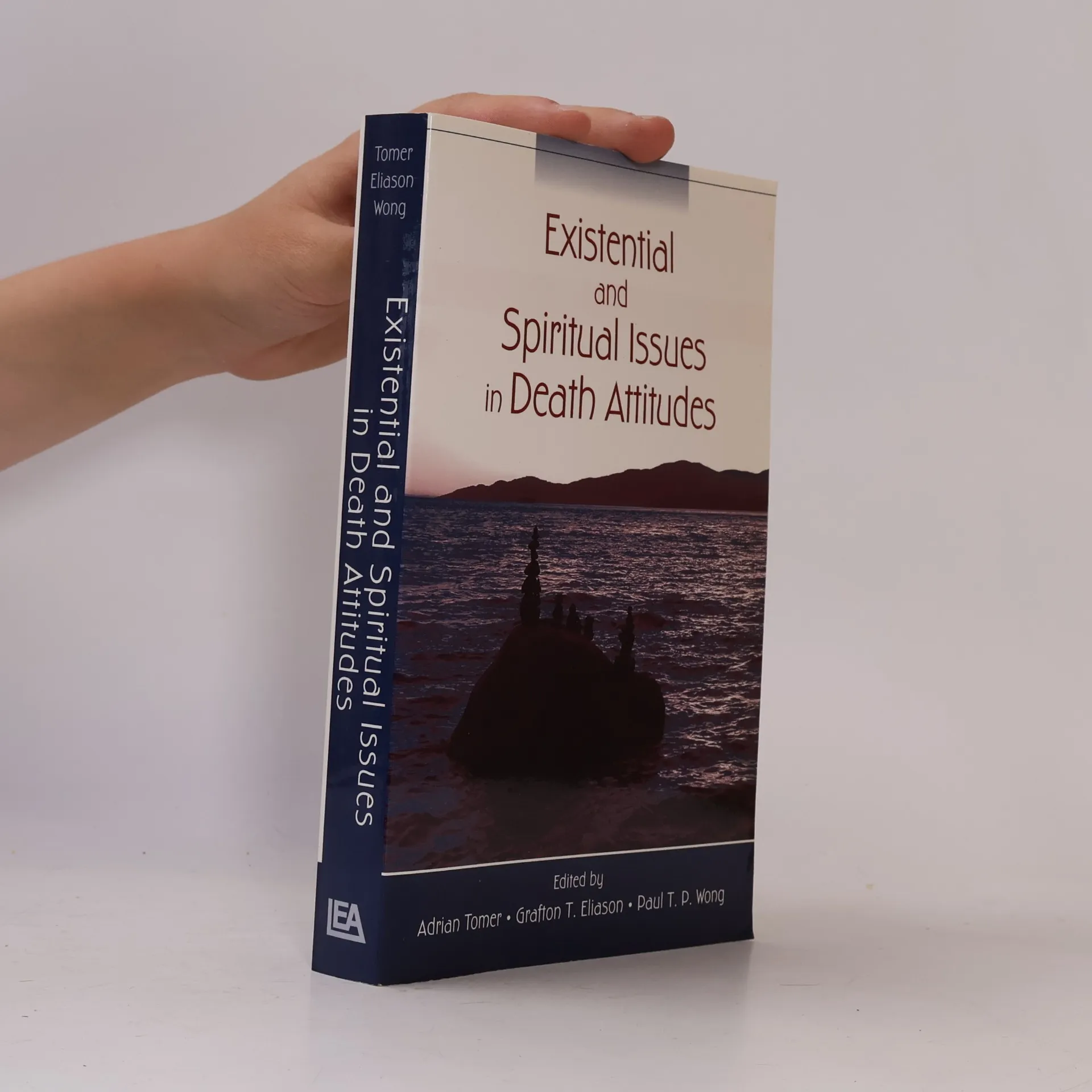
    Existential and Spiritual Issues in Death Attitudes
    Structural Equation Modeling
    • Structural Equation Modeling

      Applications in Ecological and Evolutionary Biology

      • 424 pages
      • 15 hours of reading

      This book presents an introduction to the methodology of structural equation modeling, illustrates its use, and goes on to argue that it has revolutionary implications for the study of natural systems. A major theme of this book is that we have, up to this point, attempted to study systems primarily using methods (such as the univariate model) that were designed only for considering individual processes. Understanding systems requires the capacity to examine simultaneous influences and responses. Structural equation modeling (SEM) has such capabilities. It also possesses many other traits that add strength to its utility as a means of making scientific progress. In light of the capabilities of SEM, it can be argued that much of ecological theory is currently locked in an immature state that impairs its relevance. It is further argued that the principles of SEM are capable of leading to the development and evaluation of multivariate theories of the sort vitally needed for the conservation of natural systems.jamesbgrace.com/ . - Details why multivariate analyses should be used to study ecological systems - Exposes unappreciated weakness in many current popular analyses - Emphasises the future methodological developments needed to advance our understanding of ecological systems

      Structural Equation Modeling
    • This volume offers a comprehensive exploration of death attitudes, existentialism, and spirituality, highlighting their interconnections. It reviews major theoretical models and applies them clinically to issues like infertility, bereavement, anxiety, and suicide. The text introduces meaning management theory, demonstrating its relevance in grief counseling. Death is examined as both a challenge to meaning and a chance to create it. The first section connects empirical research on death attitudes with philosophical and psychological literature on existentialism and spirituality. Part II presents recent empirical studies on topics such as end-of-life decisions and living with HIV. The final section addresses therapeutic applications for suicide, infertility, bereavement, and anxiety. The concluding chapter identifies common themes and poses questions for deeper exploration of critical issues. This resource is valuable for psychologists, counselors, social workers, physicians, nurses, and religious leaders, as well as academics in psychology, gerontology, philosophy, religion, counseling, social work, sociology, and medicine. Summaries of key ideas in each chapter make it suitable for courses on death, dying, and spirituality, while its clinical applications will resonate with practicing professionals.

      Existential and Spiritual Issues in Death Attitudes