

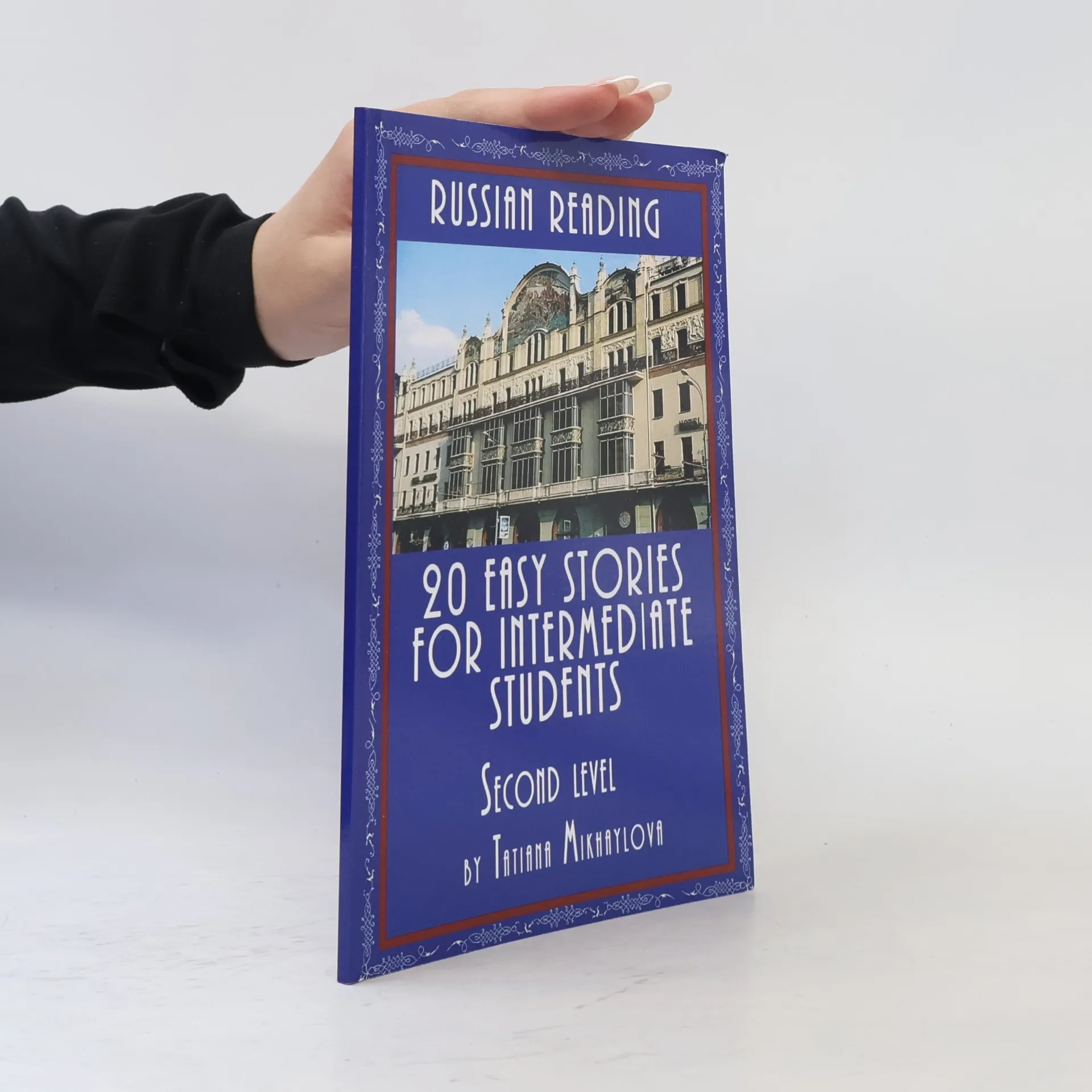
This is the second in a series of books of short stories designed for intermediate students who study the Russian language. This book covers various topics of everyday life in modern Russia. It follows the life of a family residing in Moscow, and describes their activities, thus offering the readers vocabulary and grammar that can be used in multiple day-to-day situations. Each chapter in this book describes a particular common occasion, such as inviting and entertaining guests; home cooking (with a real recipe of a delicious chicken broth); shopping for gifts, souvenirs, and furniture; buying a new apartment and a car; visiting the zoo; visiting the countryside and much more. Many verbs of motion are used in this book, and the last two stories specifically focus on prefixed verbs of motion and have exercises that allow the readers to assess their knowledge and understanding of the verbs of motion. This is not a dual language book, because its grammar is relatively simple, but after each story there is a broad list of vocabulary with new words and expressions. The verbs in the stories are in the past, present and future tenses. Each story is followed by ten questions that encourage the readers to develop their conversational skills.
Tatiana Mikhaylova Book order (chronological)
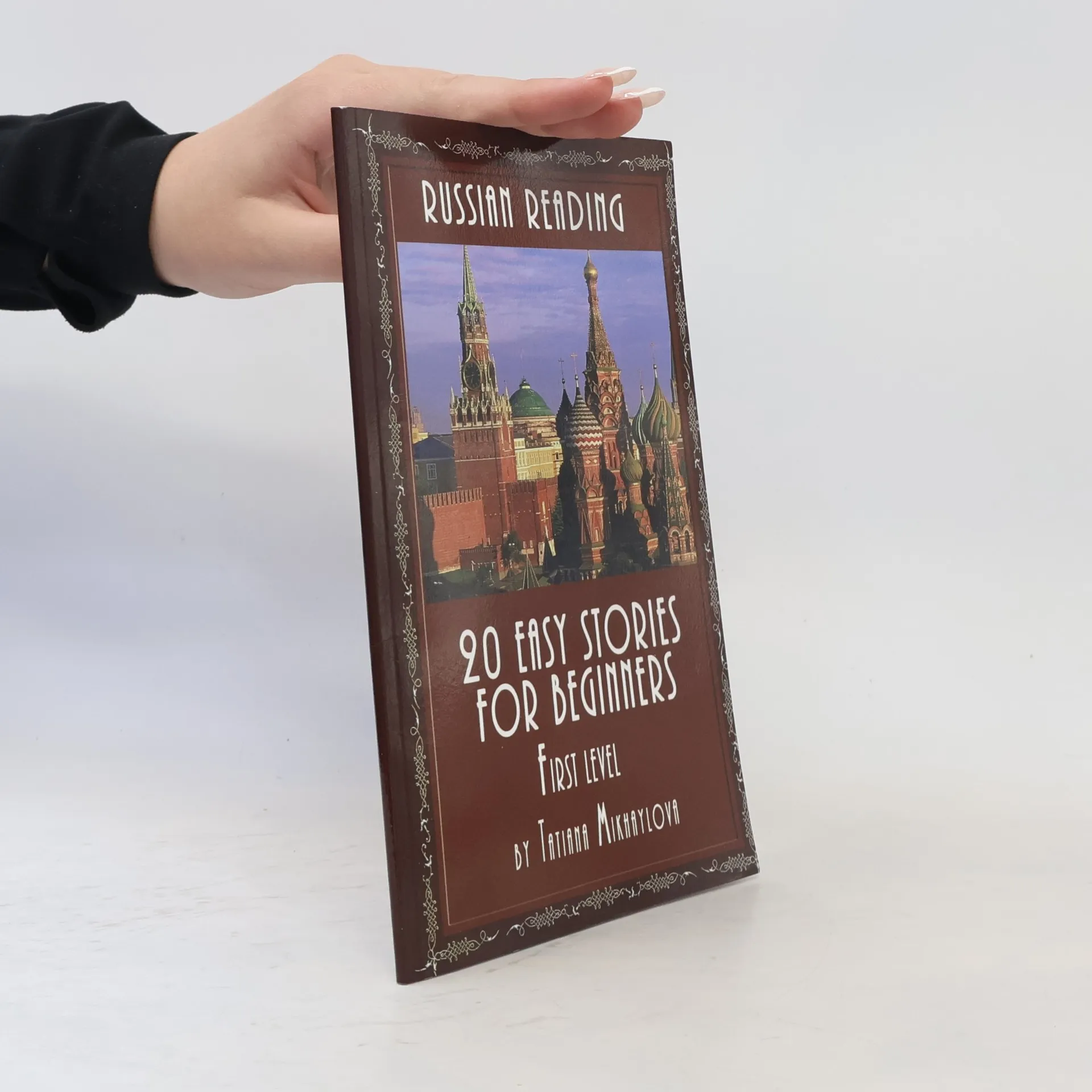
This book of short stories is designed for beginning students. Its vocabulary and grammar are basic and all verbs are in the present tense. Each story focuses on a specific topic. After each story there is a list of questions, based on its theme. These questions encourage the readers to talk about themselves, their family, friends and other things that people normally chat about. Answering and asking questions is a great tool to develop conversational skills. You will be prepared to go to Russia and make new friends there! Following each story, there is a list of vocabulary specific to that story. Thus, you do not have to go to the back of the book to search for the translation of an unfamiliar word. Of course, the readers should already know at least some words, such as pronouns, and be familiar with the concept of declension of nouns, pronouns and adjectives and verb conjugation. Each story repeats some of the previous vocabulary for better memorization and adds several new words.