

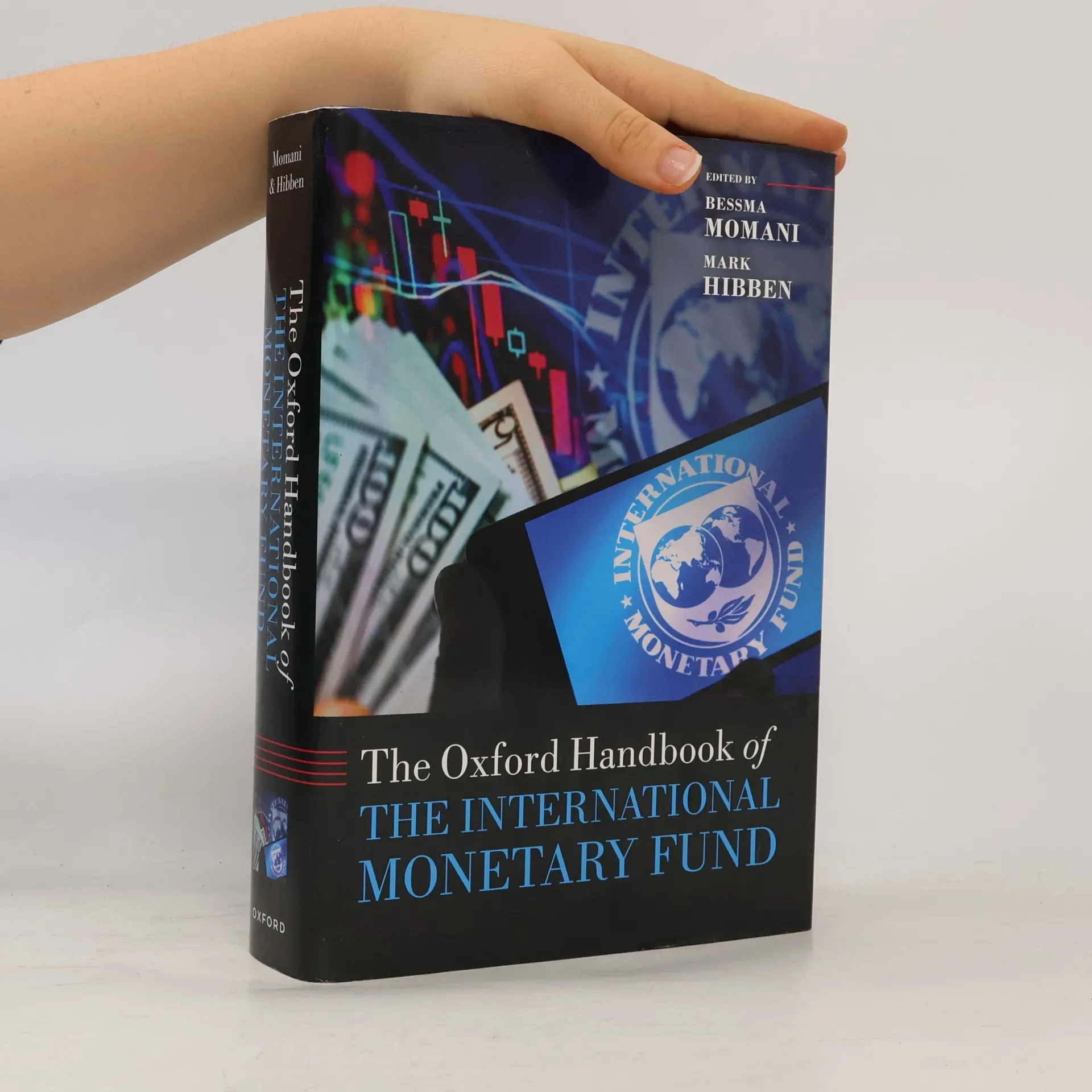
Oxford Handbook of the International Monetary Fund
- 800 pages
- 28 hours of reading
The International Monetary Fund (IMF) is central to global economic governance, focusing on monetary stability, balanced trade, economic growth, and poverty reduction. It shapes worldwide economic policies through its research and expertise and has been instrumental in managing crises like the 2008 financial crisis and the COVID-19 pandemic by providing financial aid and advocating for stimulus measures. However, the IMF faces significant challenges, including the need to reform its governance structure to better represent emerging economies and adapt to a world increasingly resistant to liberal internationalism and multilateralism. Despite reforms, power remains concentrated among advanced economies, which hampers inclusivity and trust, particularly in regions like sub-Saharan Africa. Geopolitical tensions, populist nationalism, and economic imbalances further complicate the IMF's effectiveness. This handbook addresses these challenges through diverse perspectives and policy recommendations. It covers the IMF's historical origins, formal operations, and the roles of various actors, including states and civil society. It also examines partnerships with other organizations, shifts in policy frameworks, and broader concerns such as gender, labor markets, and climate policy. Finally, it evaluates internal and external challenges, including cultural diversity, populism, and global inequality, while exploring how the IMF can naviga