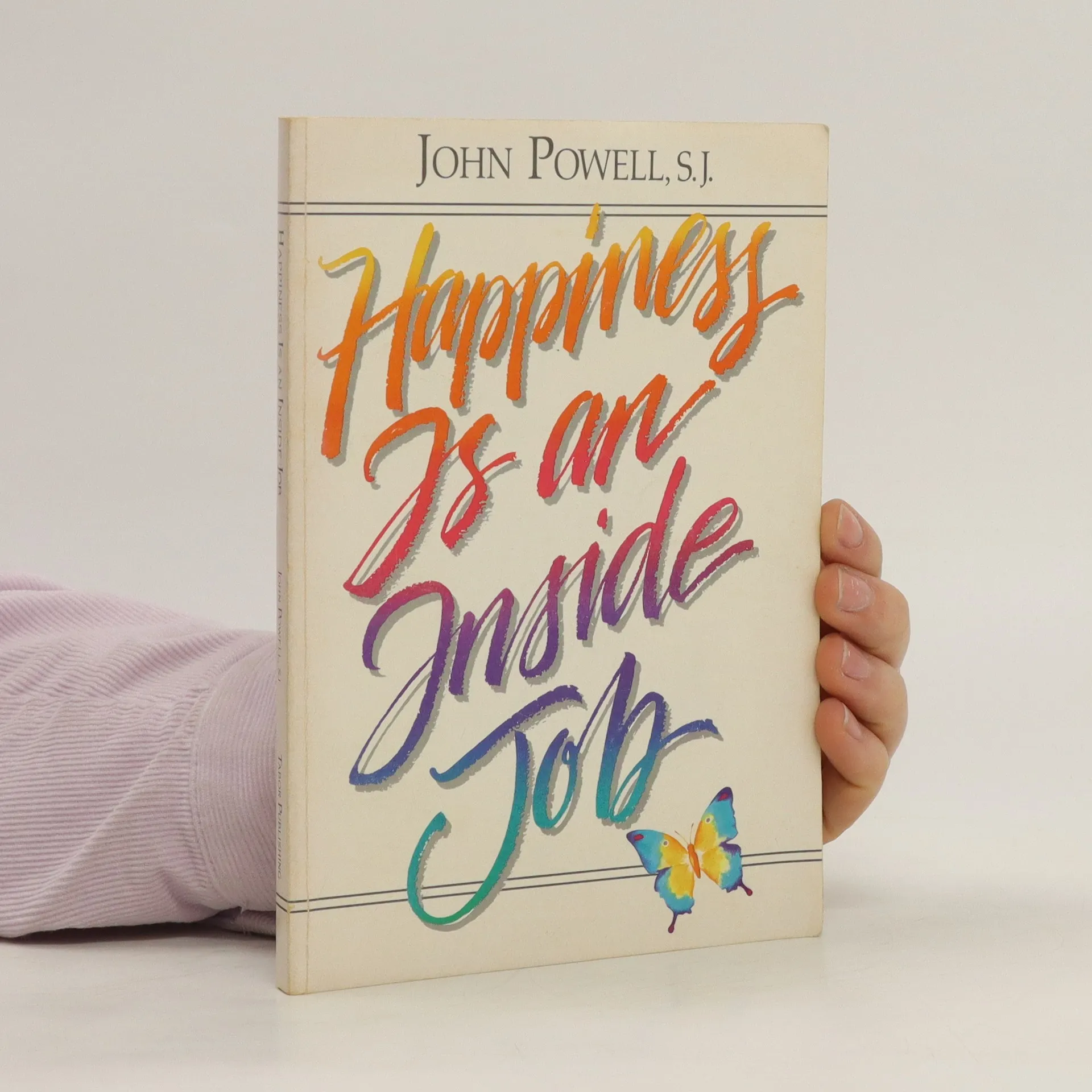
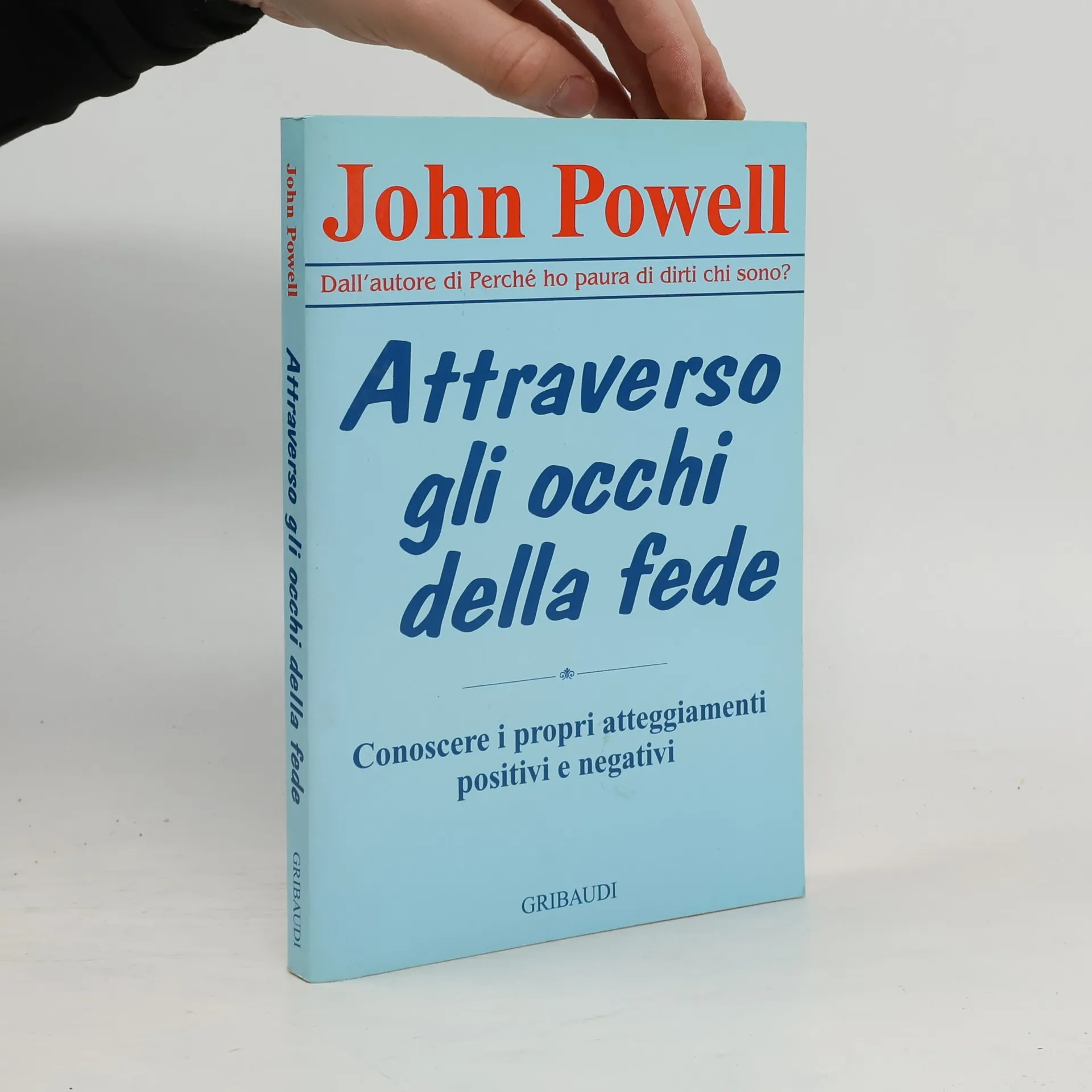
Where do true health and happiness begin? With positive attitudes about ourselves, others, and God. The rewarding results will be new self-confidence, healed relationships, and a heightened sensitivity to others' needs and feelings.
Develop the "happiness habit" by practicing ten life tasks outlined by this popular spiritual leader. Pursue happiness by learning to accept yourself as you are, make your life an act of love, stretch out of your comfort zone, and more. A gift of peace, satisfaction and happiness! (Tabor)
Tradition has it that God's second commandment is that we should love one another. Why is it so hard? The capacity to love is in everyone. Yet so often it remains trapped and waiting to be released. In John Powell's best-selling Why Am I Afraid to Love, he carefully and sensitively confronts the barriers that restrain. He looks at the fear of rejection, the motives for love, how to truly understand the inner self and what true love looks like. He then considers the true test of love: can self be forgotten in loving others? Based on the original best-selling edition, this new book has been completely re-designed. A fitting companion to Why Am I Afraid to Tell You Who I Am?, it is one of the most original and popular self help books on the market. It sits comfortably alongside other classics like I'm OK, You're OK. Why Am I Afraid to Love has sold over 100,000 copies in its original edition.
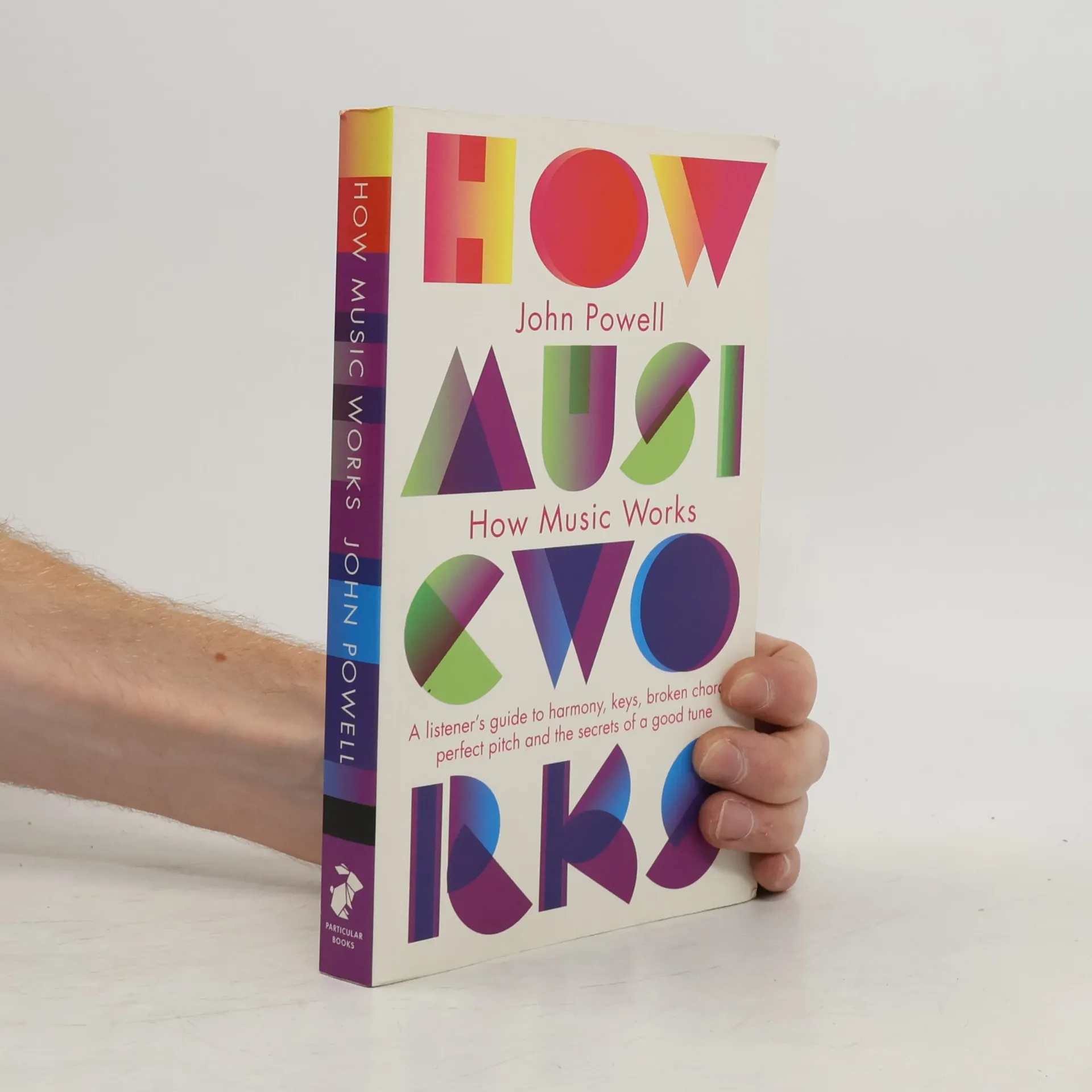
Have you ever listened to an incredible piece of music and wondered exactly
why it makes you want to dance or cry? Are you mystified by how musicians just
'know' what notes to play next when they're improvising? Or why certain notes
sound great together and others clash? This title lets you discover the
answers to these questions.
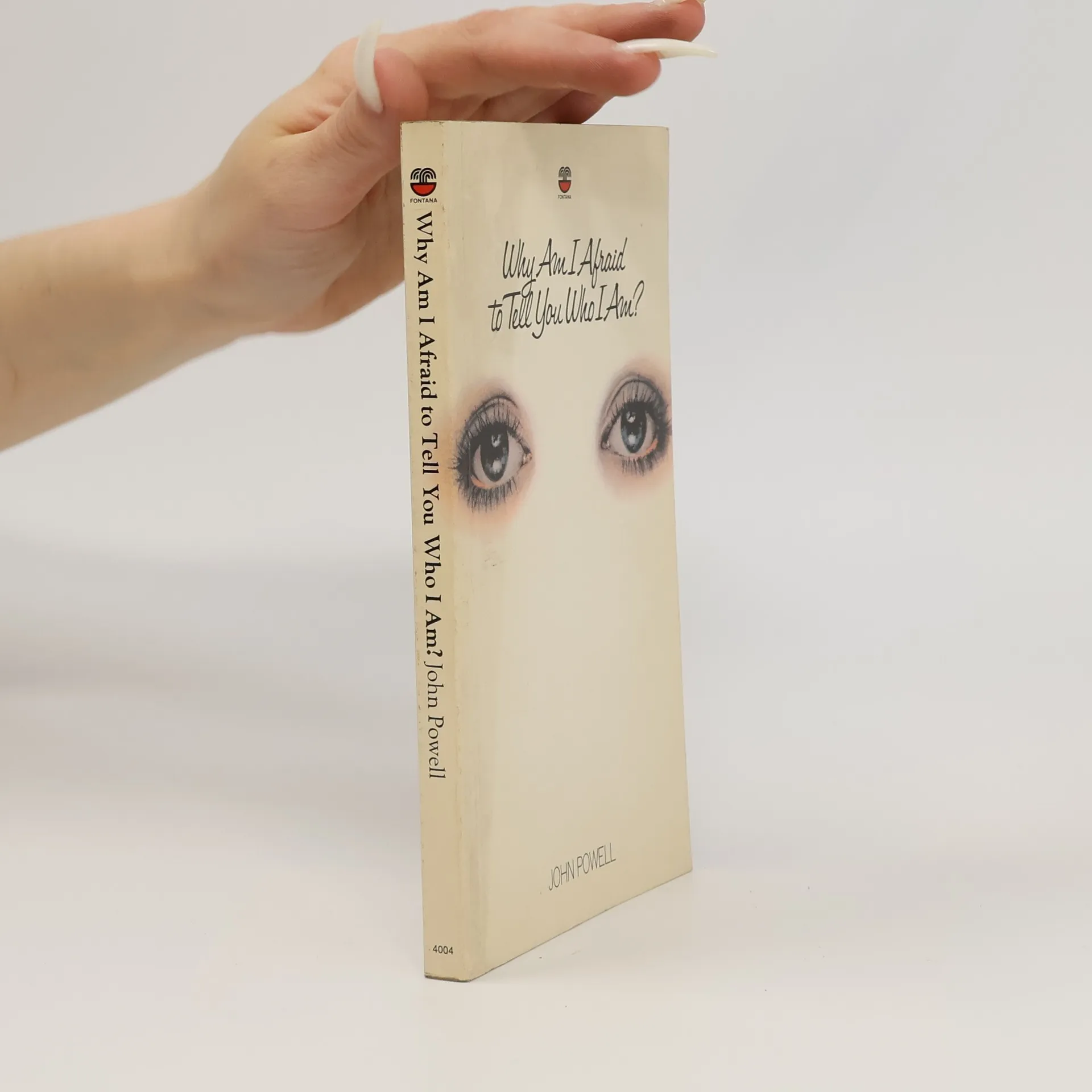
Originally published in 1975 by Fontana, a new edition of a personal psychology book by the author of WHY AM I AFRAID TO LOVE? It aims to help the reader become more emotionally open and less insecure by encouraging communication and interaction with others, thus leading to personal maturity and self-awareness.
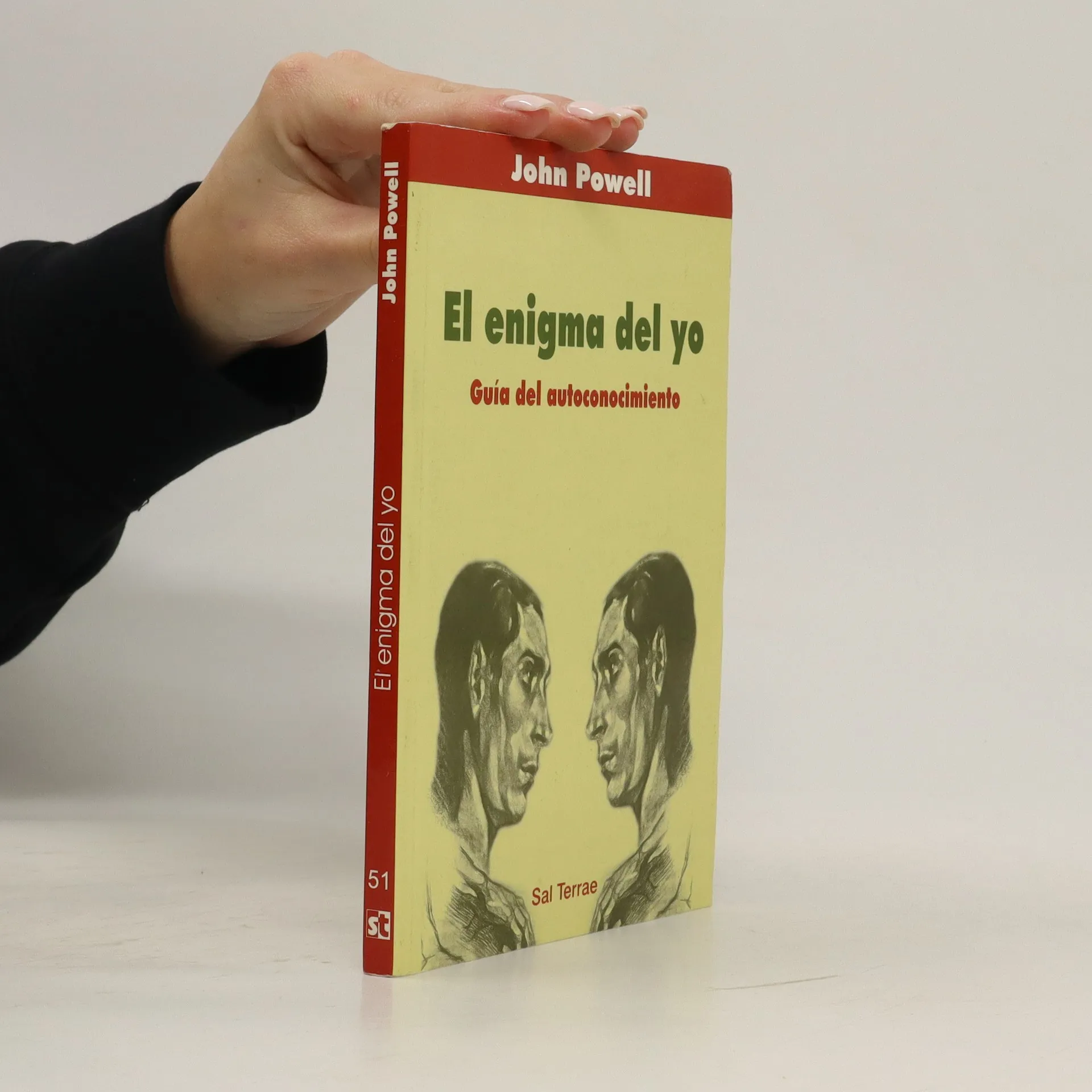
En un momento, pensé que un libro sobre el autoconocimiento sería inútil, asumiendo que todos responderían "¡Sí!" a la pregunta "¿Te conoces realmente a ti mismo?". Sin embargo, al preguntar a la gente, las respuestas fueron más bien "Sólo parcialmente... No muy bien... Algo...". Esto me llevó a concluir que muchos estamos listos para enfrentar la pregunta "¿Quién soy yo realmente?". Así, decidí escribir para compartir lo que he aprendido en mi vida. He identificado problemas comunes que obstaculizan nuestro autoconocimiento; sin importar nuestro esfuerzo, los obstáculos pueden limitar nuestro progreso. También he comprendido la influencia del pasado en nuestro comportamiento presente, lo que me ha ayudado a desarrollar una teoría para entenderme mejor. Al profundizar en nuestro ser, encontramos aspectos destructivos y comenzamos a cuestionar el cambio: "¿Puedo cambiar?" "¿Realmente quiero hacerlo?" "¿Cómo iniciar el cambio?". Estas preguntas nos llevan a enfrentar los problemas que impiden nuestro autoconocimiento. Finalmente, creo haber encontrado formas de integrar en nuestras vidas la práctica del crecimiento en el autodescubrimiento.
Často počuť výčitku, že psychológia sa zaoberá iba chorými ľuďmi, že vždy skúma len pramene mentálnych a emocionálnych chorôb. V ostatnom čase sa objavil nový trend – študovať zdravých a šťastných ľudí a skúmať pramene ľudského zdravia a šťastia. Komunikácia je najdôležitejšia zo všetkých zdrojov šťastia a zdravia. Komunikácia je základným a podstatným predpokladom ľudskej spokojnosti.
Autor zkoumá základní předpoklady osobního sdílení. Největší dar, který si lidé mohou navzájem dát, je dar sebe sama v nejupřimnějším sdílení svých emocí a myšlenek. Tajemství setrvání v lásce spočívá v komunikaci s druhými lidmi.
Autor v knize vychází ze základní myšlenky, že veškerá změna kvality lidského života musí vyrůstat ze změny jeho osobního vnímání - ze změny vize reality. Základem je pochopení skutečnosti, že emoce vyrůstají ze způsobu, jakým pohlížíme sami na sebe ze subjektivních vjemů a interpretací.
Toto úžasné putování hudební psychologií a hudební vědou je perfektní knihou pro každého milovníka melodií. Hudba hraje velmi důležitou roli v našem emočním, intelektuálním, a dokonce i fyzickém životě. Má vliv na to, jakým způsobem se chováme, pracujeme, relaxujeme a vnímáme. Dokáže nás rozesmát nebo rozplakat, protože nám pomáhá utvářet vztahy s lidmi kolem nás, a dokonce má moc zmírnit řadu zdravotních potíží. Písně, které máte rádi (či nenávidíte, a dokonce i ty, které vnímáte naprosto neutrálně), nedotváří jen soundtrack k vašemu životu – ve skutečnosti jej pomáhají tvarovat. Vědec a hudebník John Powell se v této knize vrací hluboko do desetiletí psychologických a sociologických studií s cílem odpovědět na otázku „Proč nás hudba tak hluboce ovlivňuje?“. Svým uvolněným, konverzačním stylem zkoumá všechny aspekty hudební psychologie, od toho, jak hudba pomáhá miminkům vytvářet pouto s matkami, až po způsoby, jakými hudba může změnit chuť vína nebo vás přimět, abyste trávili více času v restauracích.
Kniha odhaluje smysl slov „skutečná, bezpodmínečná láska“. Autor, dnes už klasik spirituální literatury, se v ní zamýšlí nad podmínkami takového vztahu, kdy si přestáváme jakékoli podmínky klást, protože druhého milujeme takového, jaký je, s tím, co k němu patří, co dělá, jak mluví a co vyznává. Láska totiž nepatří do kategorií, které vládnou tomuto světu a které vyjadřujeme slovy: Co z toho budu mít? „Pravá láska je a vždy musí být darem ve svobodě.“