
Explore the latest books of this year!
Bookbot

Ernst Eber

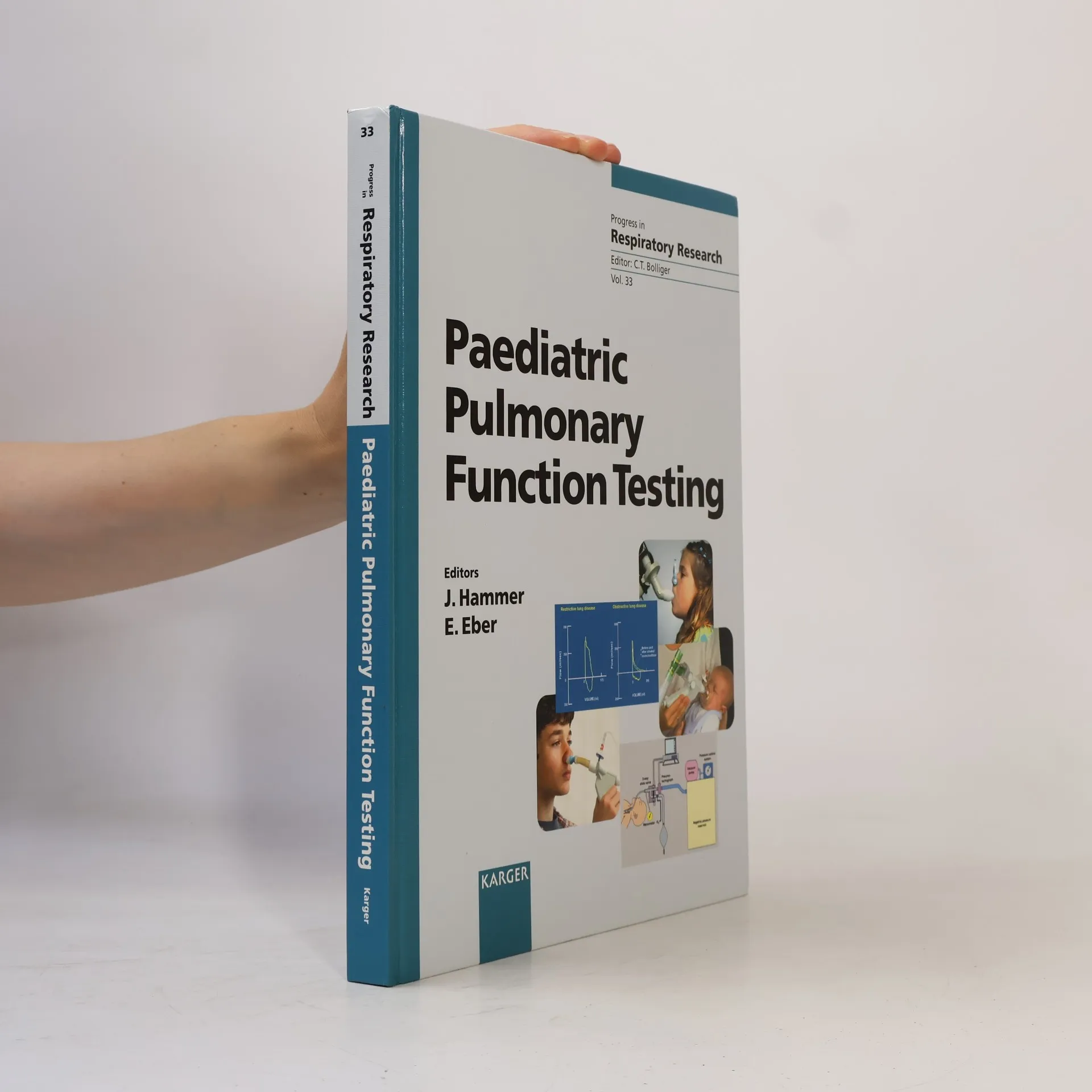
    Progress In Respiratory Research - 33: Paediatric Pulmonary Function Testing
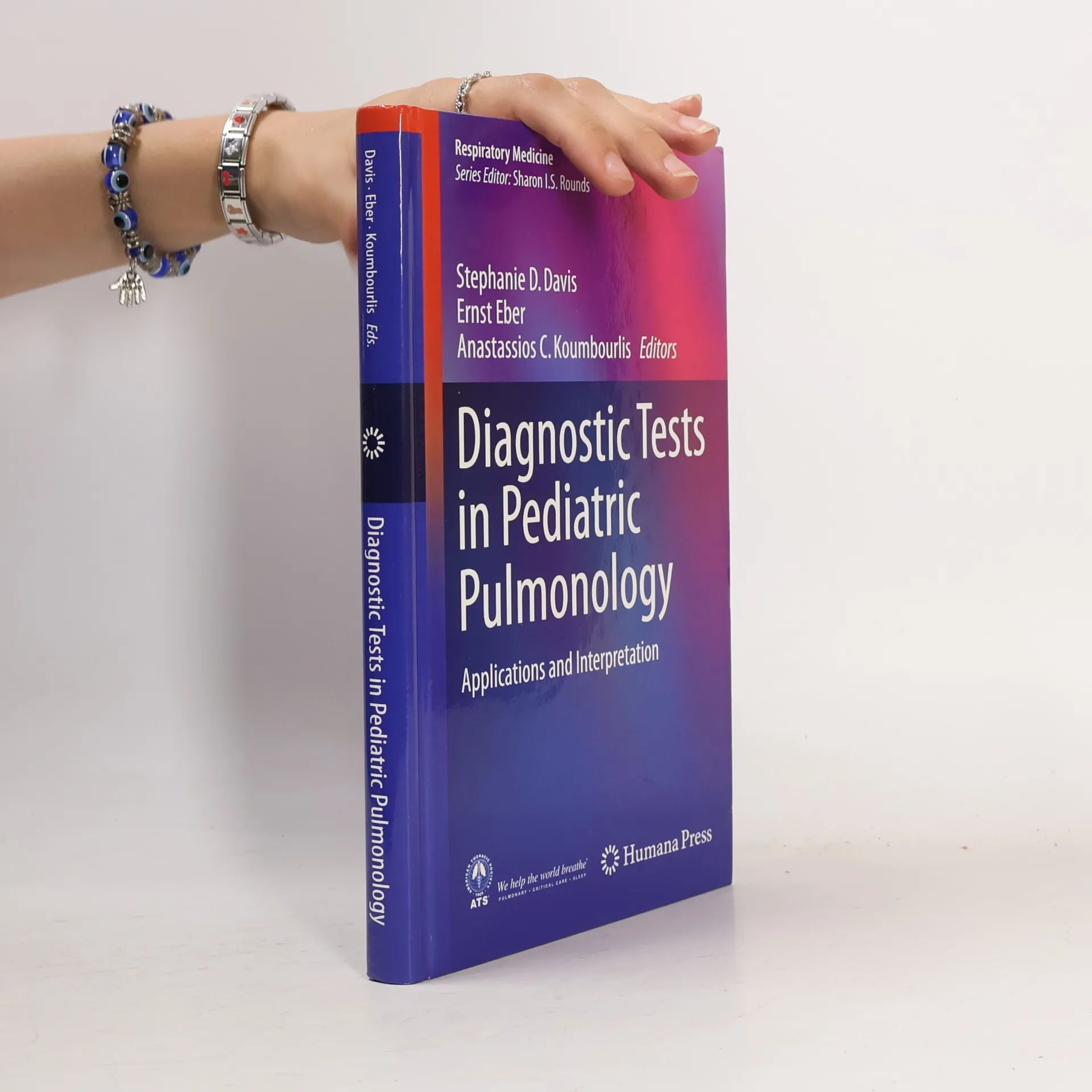
    Respiratory Medicine: Diagnostic Tests in Pediatric Pulmonology
    • Respiratory Medicine: Diagnostic Tests in Pediatric Pulmonology

      Applications and Interpretation

      • 332 pages
      • 12 hours of reading

      Over the past 20 years, diagnostic tests for pediatric pulmonologists have revolutionized care of children afflicted with respiratory disorders. These tests have been used to not only help in diagnosis, but also in the management and treatment of these children. Bronchoscopic, imaging and physiologic advances have improved clinical care of these children and have been used as outcome measures in research trials. Diagnostic Tests in Pediatric Applications and Interpretation describes the various diagnostic modalities (especially the newer ones) that are available for the evaluation of pediatric respiratory disorders. It also provides an understanding of the advantages and limitations of each test so that the clinician may choose the most appropriate ones. An internationally renowned group of authors describe how best to interpret the key findings in a variety of tests as well as the possible pitfalls in incorrect interpretation. This volume focuses on the main diagnostic modalities used in the evaluation of pediatric patients with respiratory disorders and presents up-to-date information on the advantages and limitations of each test for a variety of conditions encountered in the practice of pediatric pulmonology. Clinical utility of these tests is also highlighted. This valuable resource is well suited to practicing clinicians, including pediatric pulmonologists, pediatricians and primary care practitioners, as well as trainees, respiratory therapists and clinical researchers.

      Respiratory Medicine: Diagnostic Tests in Pediatric Pulmonology
    • This book offers a thorough review of recent advancements in paediatric pulmonary function testing and their clinical applications in common respiratory disorders. The first section focuses on lung function tests for infants and toddlers, who cannot cooperate with standard procedures. It details methodologies, provides normal values, and offers guidance on data interpretation. The second section addresses classic adult-type pulmonary function tests for semi-cooperative or cooperative older children, discussing age-related technical issues and limitations. The third section explores tests that assess the respiratory system beyond standard measurements, including respiratory muscle function, work of breathing, diffusing capacity, and inflammatory markers in exhaled air and breath condensate. The fourth section highlights the clinical utility of pulmonary function tests in diagnosing and managing prevalent paediatric respiratory disorders like asthma, cystic fibrosis, and neuromuscular disorders, as well as in post-transplant follow-up care. This unique aspect sets it apart from previous literature in paediatric lung function testing. Finally, the book evaluates the future role of pulmonary function testing in neonatal and paediatric intensive care. It serves as a practical resource for paediatric and adult pulmonologists, intensivists, general paediatricians, and those in training, along with pulmonary function technicians and r

      Progress In Respiratory Research - 33: Paediatric Pulmonary Function Testing