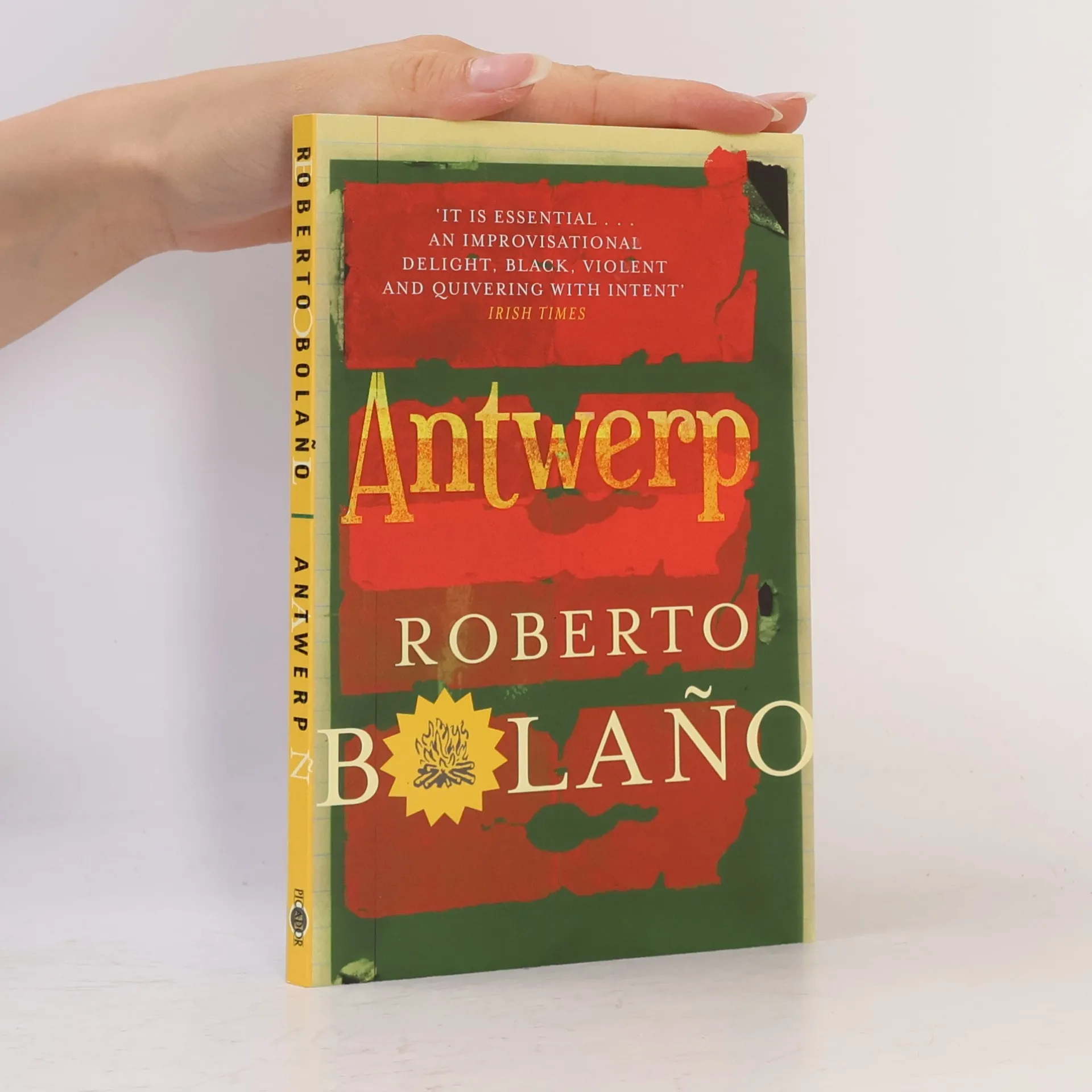
Natasha Wimmer is a distinguished American translator celebrated for her masterful renderings of Chilean novelist Roberto Bolaño's works into English. Her endeavors are marked by a profound understanding of intricate and layered texts, often delving into the darker facets of the human condition. Wimmer approaches translation as an art form, striving to preserve the unique voice and style of the original author while making their contributions accessible to a wider English-speaking readership. Her translations are lauded for their precision, fluency, and ability to evoke the raw emotional power of the source material.
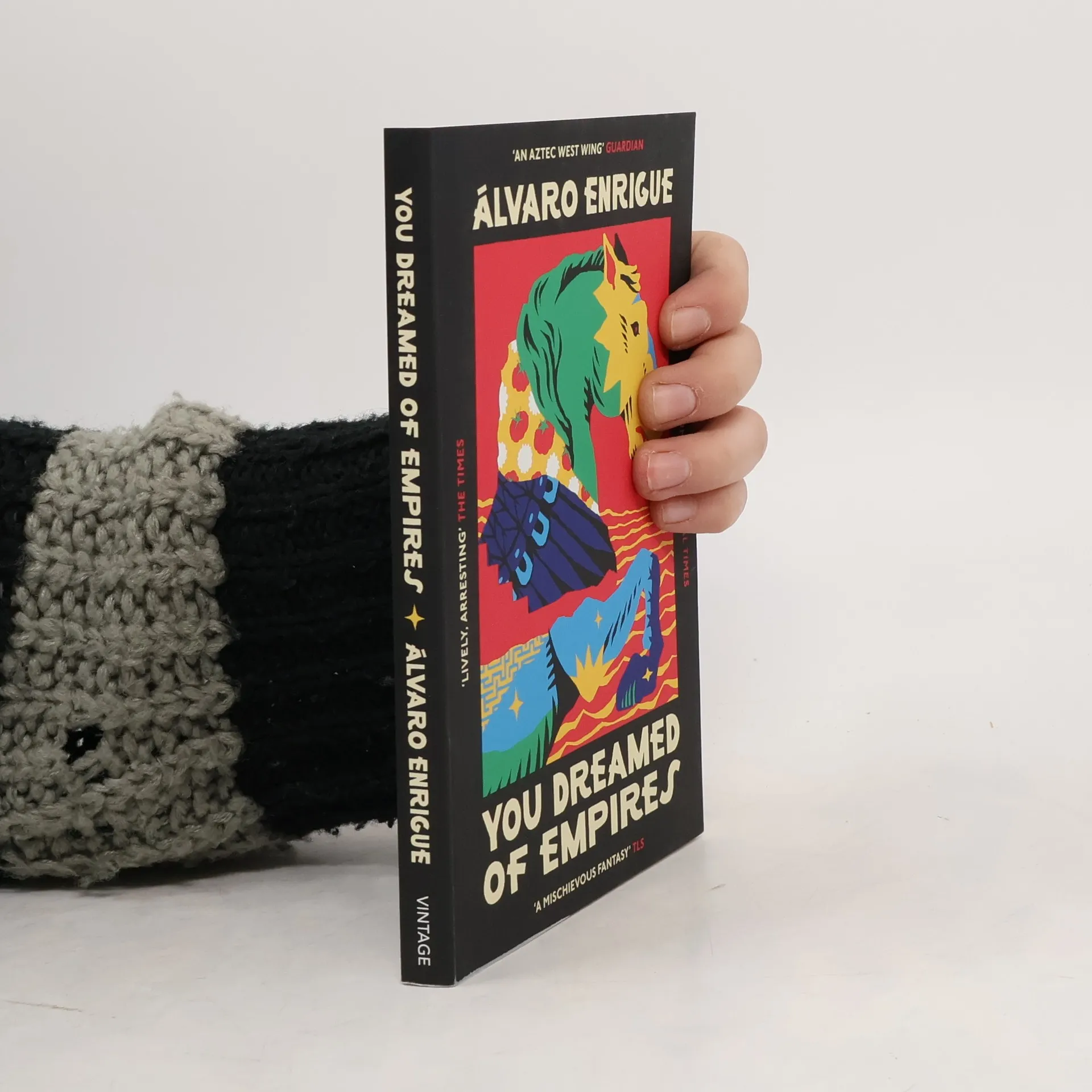
Set against the backdrop of Tenochtitlan in 1519, this novel explores the fateful encounter between conquistador Hernán Cortés and Emperor Moctezuma, highlighting the collision of two empires. The story features Cortés's captains, particularly Jazmín Caldera, who grapples with the city's grandeur and the looming dangers of conquest. With rich characters like the translators Friar Aguilar and Malinalli, the narrative transforms the moment of conquest into a revolutionary act, blending history with hallucinatory elements to create a vivid reimagining of this pivotal event.
Follows Amalfitano, exiled Chilean university professor and widower with a teenage daughter, as his political disillusionment and love of poetry lead to the scandal that will force him to flee from Barcelona and take him to Santa Teresa, Mexico. It is here, in this border town, that Amalfitano meets Arcimboldi, a magician and writer whose work highlights the provisional and fragile nature of literature and life.
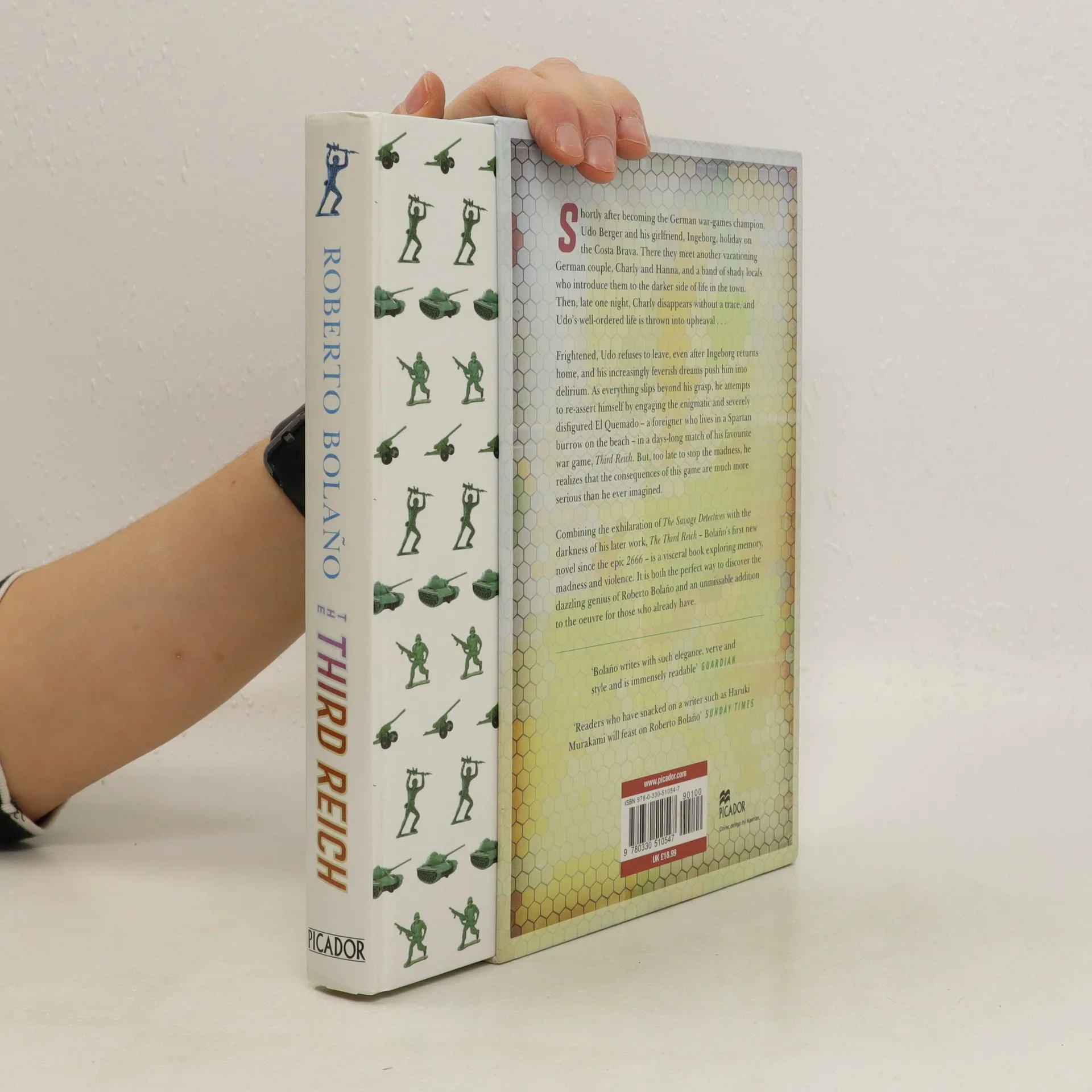
Shortly after becoming the German war-games champion, Udo Berger and his girlfriend, Ingeborg, holiday on the Costa Brava. There they meet another vacationing German couple, Charly and Hanna, and a band of shady locals who introduce them to the darker side of life in the town. Then, late one night, Charly disappears without a trace, and Udoâe(tm)s well-ordered life is thrown into upheaval . . . Frightened, Udo refuses to leave, even after Ingeborg returns home, and his increasingly feverish dreams push him into delirium. As everything slips beyond his grasp, he attempts to re-assert himself by engaging the enigmatic and severely disfigured El Quemado âe" a foreigner who lives in a Spartan burrow on the beach âe" in a days-long match of his favourite war game, Third Reich. But, too late to stop the madness, he realizes that the consequences of this game are much more serious than he ever imagined. Combining the exhilaration of The Savage Detectives with the darkness of his later work, The Third Reich âe" Bolañoâe(tm)s first new novel since the epic 2666 âe" is a visceral book exploring memory, madness and violence. It is both the perfect way to discover the dazzling genius of Roberto Bolaño and an unmissable addition to the oeuvre for those who already have.
In Some Kind of Beautiful Signal, the widely lauded Two Lines World Writing in Translation series continues its 17-year history of bringing readers essential international voices unavailable anywhere else. Edited by National Book Critics Circle Award-winner Natasha Wimmer and acclaimed poet Jeffrey Yang, this volume delivers dozens of poets and fiction writers working in 18 distinct languages, each representing a unique voice and perspective.The collection is headlined by poetry from China's Uyghur ethnic minority. Though thousands of years old and incredibly diverse, Uyghur culture is increasingly threatened by geographic isolation and political oppression. Here, Westerners have a rare chance to hear from this culture in its own words. Also included in this anthology is a broad selection of vital an excerpt from Lydia Davis's new translation of Gustave Flaubert's seminal Madame Bovary; a taste of a never-before-seen essay by Roberto Bolano, translated by Natasha Wimmer; and Susanna Fied's newest translations of poems by Danish master Inger Christensen.From Zapotec to Indonesian, Hindi to Portuguese, this testament to the expanse of voices in the world shows readers how universal the themes and struggles of humanity really are.
An American sportswriter, an elusive German novelist, and a teenage student interact in an urban community on the U.S.-Mexico border where hundreds of young factory workers have disappeared.
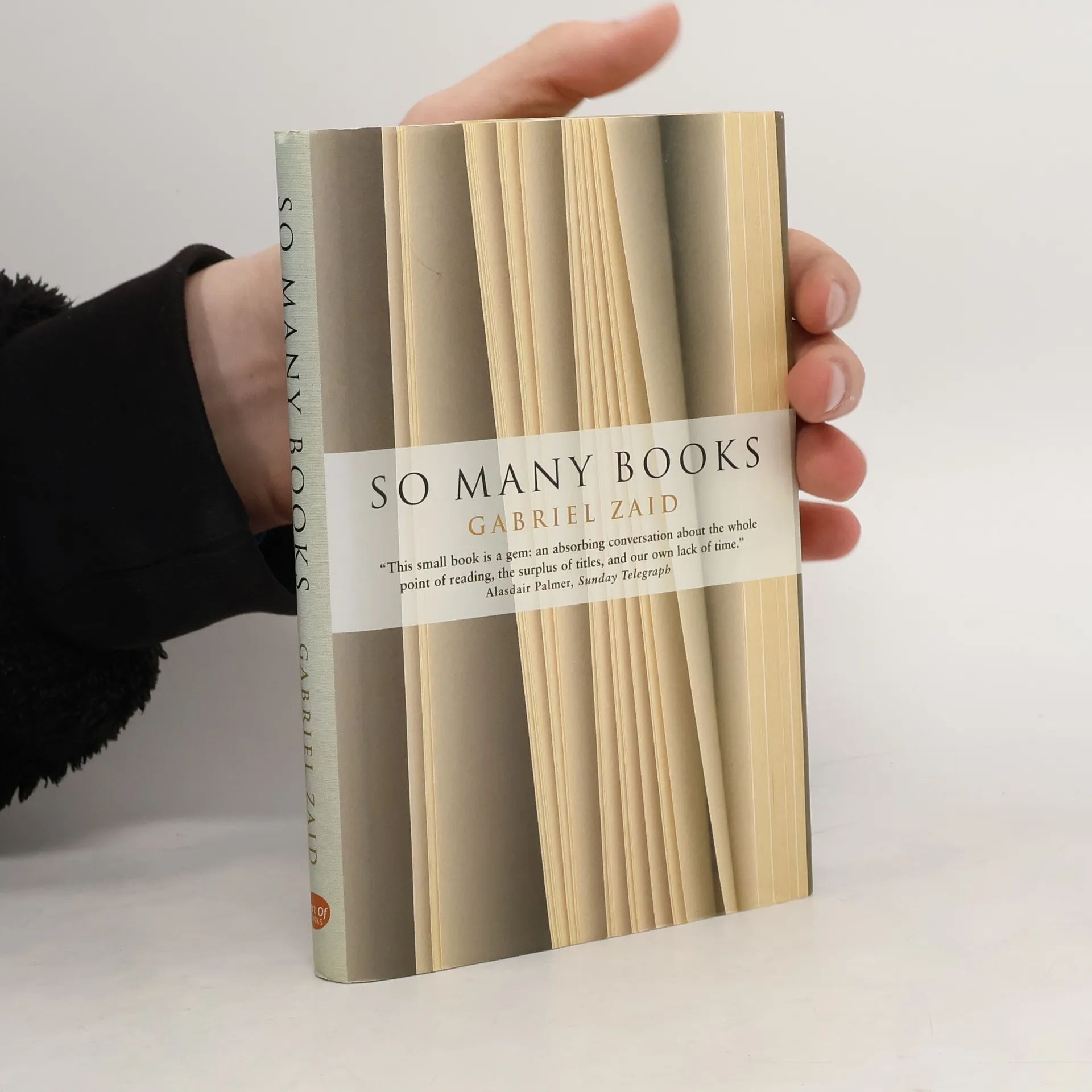
In So Many Books, Gabriel Zaid offers his thoughts and observations on the literary condition: a highly original analysis of the predicament that readers, authors, publishers, booksellers, librarians, and teachers find themselves in today—when there are simply more books than any of us can contemplate. In this brief collection of essays, Zaid combines the business savvy of a management consultant, the meditations of a poet, and the sense of humor of an unrepentant reader.