Explore the latest books of this year!
Bookbot

Jan Garden Castro

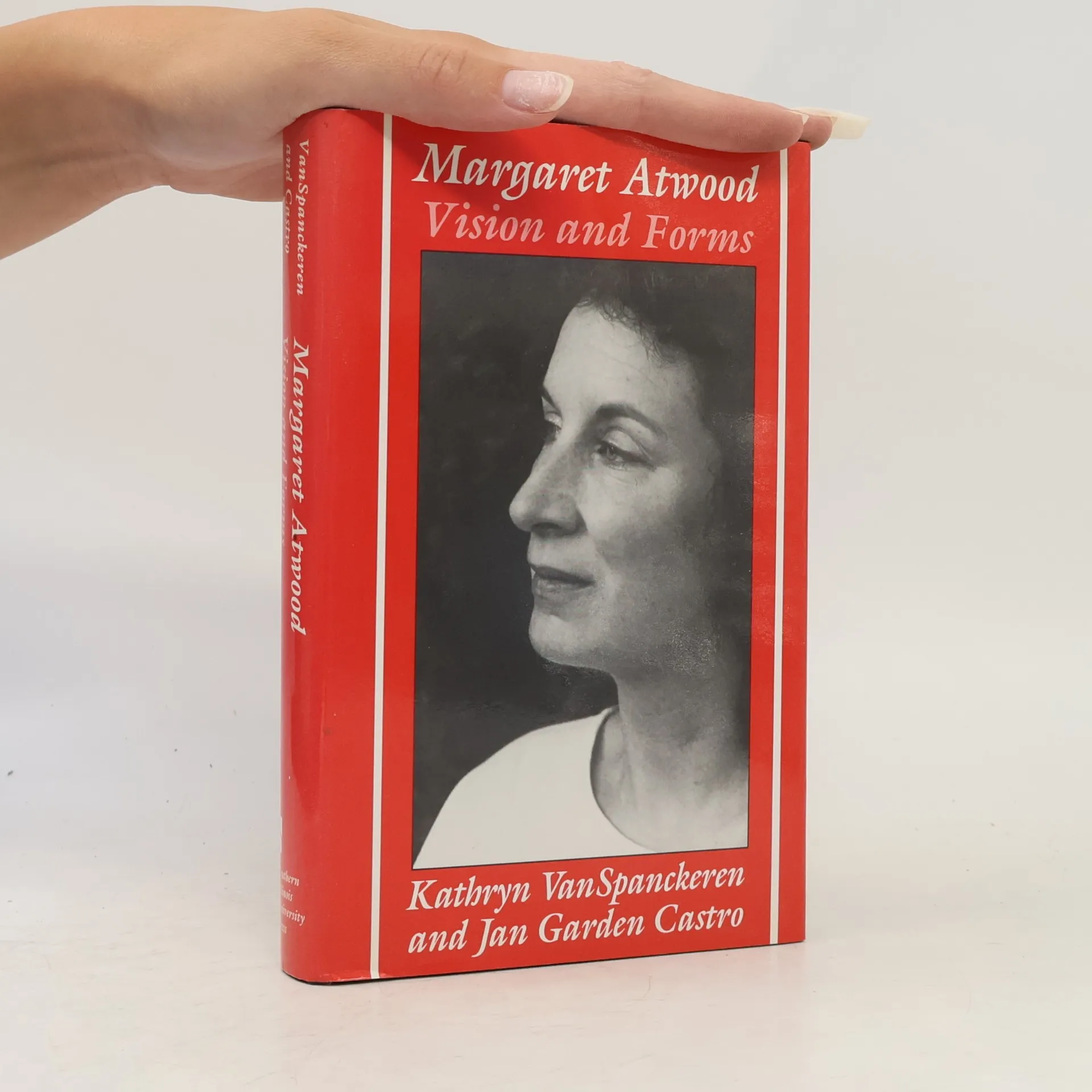
    Margaret Atwood
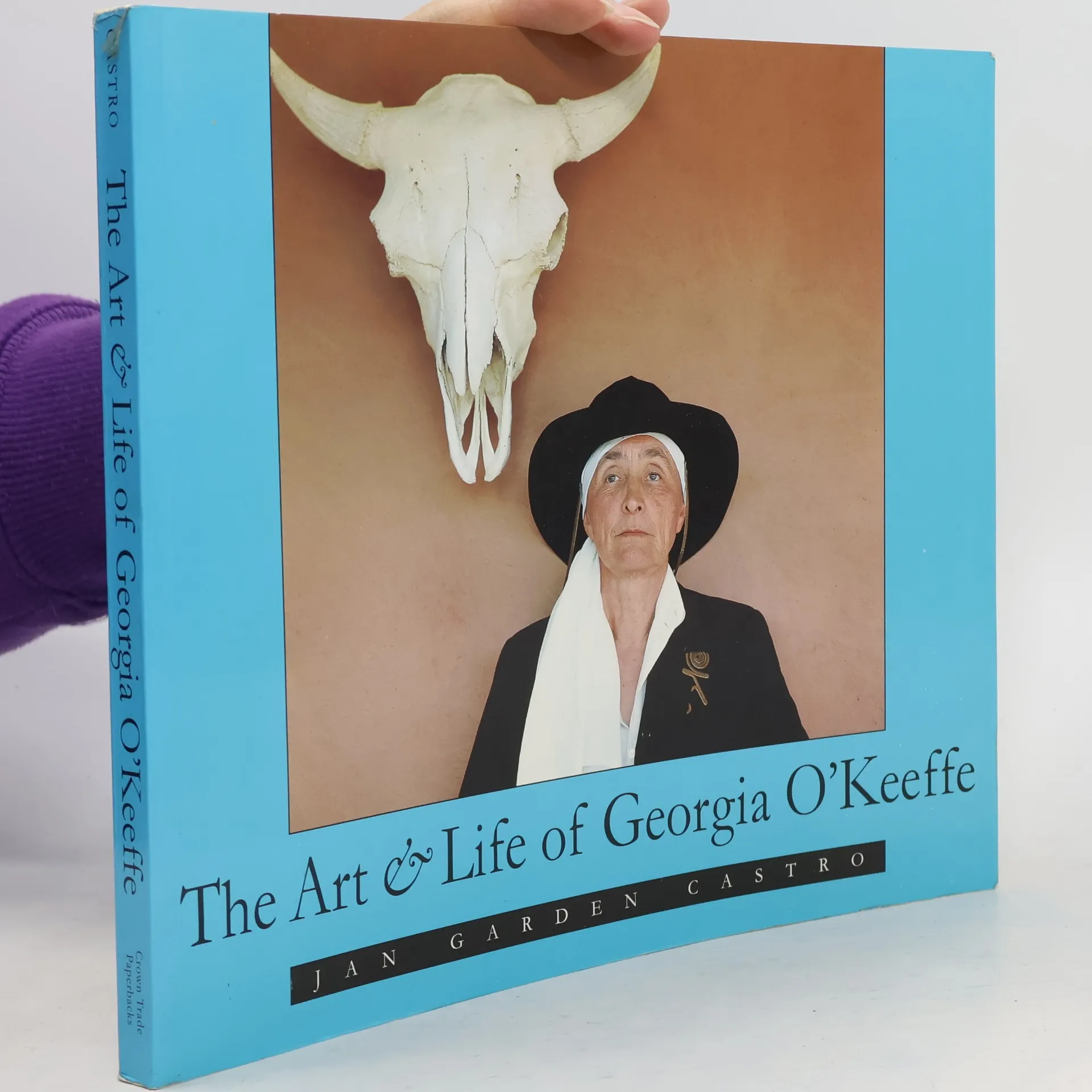
    The Art & Life of Georgia O'Keeffe
    • The Art & Life of Georgia O'Keeffe

      • 192 pages
      • 7 hours of reading

      Georgia O'Keeffe has significantly influenced twentieth-century American art, showcasing her originality and talent. Jan Garden Castro's work provides a comprehensive account of her captivating private life and remarkable career. In 1917, Alfred Stieglitz organized her first solo exhibition at his renowned gallery "291," marking a pivotal moment in her artistic journey. Stieglitz not only showcased her work but also captured her essence in many of his photographs, making her the focal point of his life. Through her association with the Stieglitz group, O'Keeffe connected with notable creatives like Ansel Adams and Arthur Dove, yet she maintained her independence and mystique as both a woman and an artist. Her persona intrigued the public, making her the first woman artist to capture widespread attention. O'Keeffe's career has paralleled much of modern American art history, featuring over a hundred paintings—many rarely seen—alongside photographs of her at different life stages and the landscapes that inspired her. The text is enriched with letters and interviews, and Castro's insightful criticism highlights O'Keeffe's lasting legacy and the complexity of her personality.
      The Art & Life of Georgia O'Keeffe
    • Margaret Atwood

      Vision and Forms

      • 312 pages
      • 11 hours of reading

      A prolific writer and versatile social critic, Canadian novelist and poet Margaret Atwood has recently published Bluebeard’s Egg (short stories), Interlunar (poetry), and The Handmaid’s Tale a critically acclaimed best-selling novel. This international collection of essays evaluates the complete body of her work―both the acclaimed fiction and the innovative poetry. The critics represented here―American, Australian, and Canadian―address Atwood’s handling of such themes as feminism, ecology, the gothic novel, and the political relationship between Canada and the United States. The essays on Atwood’s novels introduce the general reader to her development as a writer, as she matures from a basically subjective, poetic vision, seen in Surfacing and The Edible Woman, to an increasingly engaged, political stance, exemplified by The Handmaid’s Tale. Other essays examine Atwood’s poetry, from her transformation of the Homeric model to her criticisms of the United States’ relationship with Canada. The last two critical essays offer a unique view of Atwood through an investigation of her use of the concept of shamanism and through a presentation of eight of her vivid watercolors. The volume ends with Atwood presenting her own views in an interview with Jan Garden Castro and in a conversation between Atwood and students at the University of Tampa, Florida.

      Margaret Atwood