"Through a series of detailed historical case studies, Alison Griffiths explores the uncanny and unforgettable visceral power of the medieval cathedral, the panorama, the planetarium, the IMAX theater, and the science museum. Examining these structures as exemplary spaces of immersion and interactivity, Griffiths reveals the sometimes surprising: antecedents of modern media forms, suggesting the spectator's deepseated desire to become. Immersed in a virtual world. Shivers Down Your Spine demonstrates how immersive and interactive museum display techniques such as large video displays, reconstructed environments, and touch-screen computer interactives have redefined the museum space, fueling the opposition between public and private, science and spectacle, civic and corporate interests, voice and text, and life and death. In her remarkable study of sensual spaces, Griffiths explains why, for centuries, we keep coming back for more."--Jacket.

Alison Griffiths Books


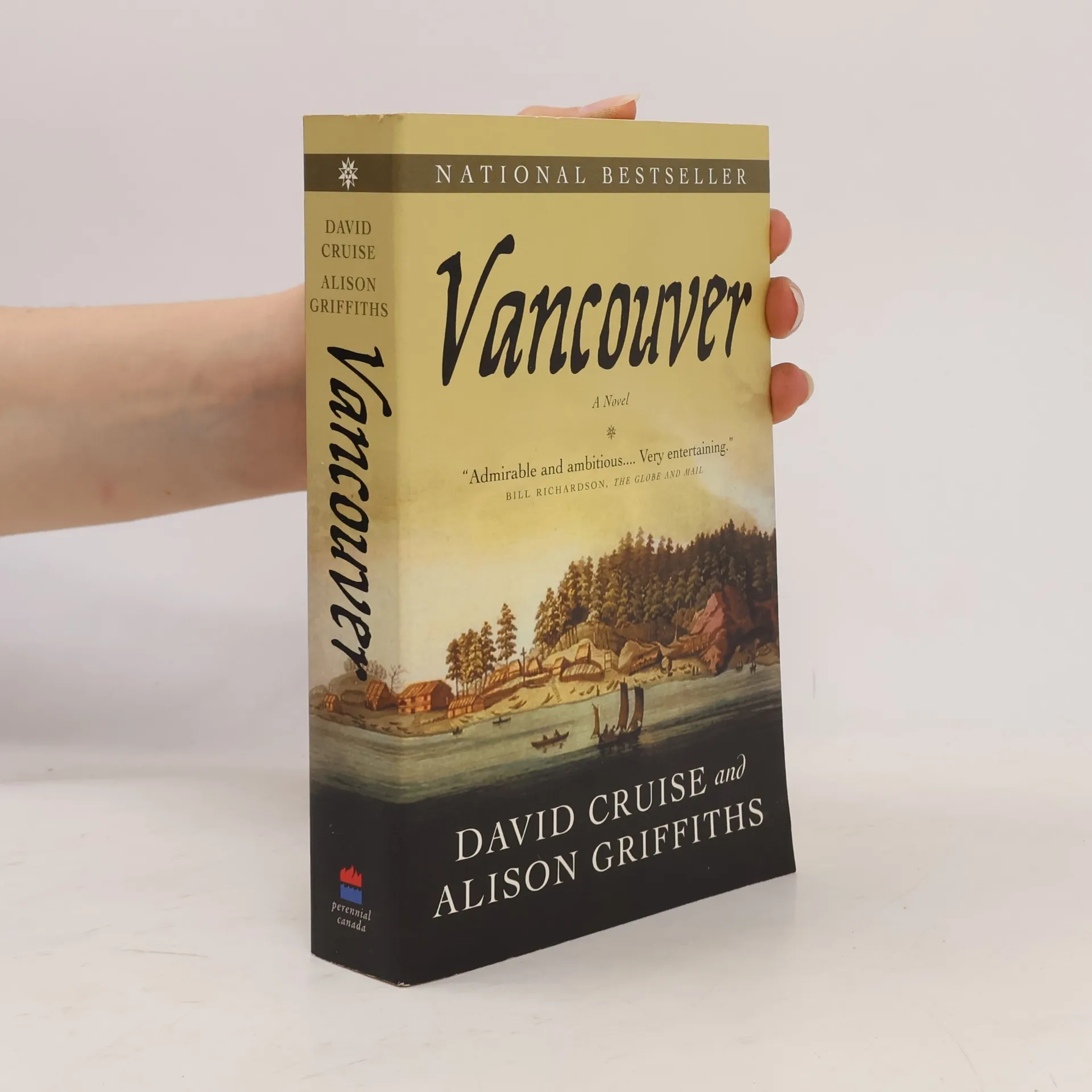
A GLOBE 100 Best Book of the Year In the grand tradition of Michener's Alaska and Rutherford's Sarum, bestselling authors David Cruise and Alison Griffiths have captured the essence of one of Canada's richest settings. Beginning in the dying era of the last Ice Age and spanning thousands of years, Vancouver starts with the story of the last survivor of a Siberian people and moves through history in a dynamic tapestry. Fascinating characters come to life, including a Russian cartographer, a Scottish trapper, a Chinese peasant boy and a young woman from the desperate streets of Vancouver's downtown eastside. All share a powerful attraction to this unique, storied place. An absorbing historical chronicle, Vancouver is a tale of human struggle and adventure, and a dazzling feat of storytelling.
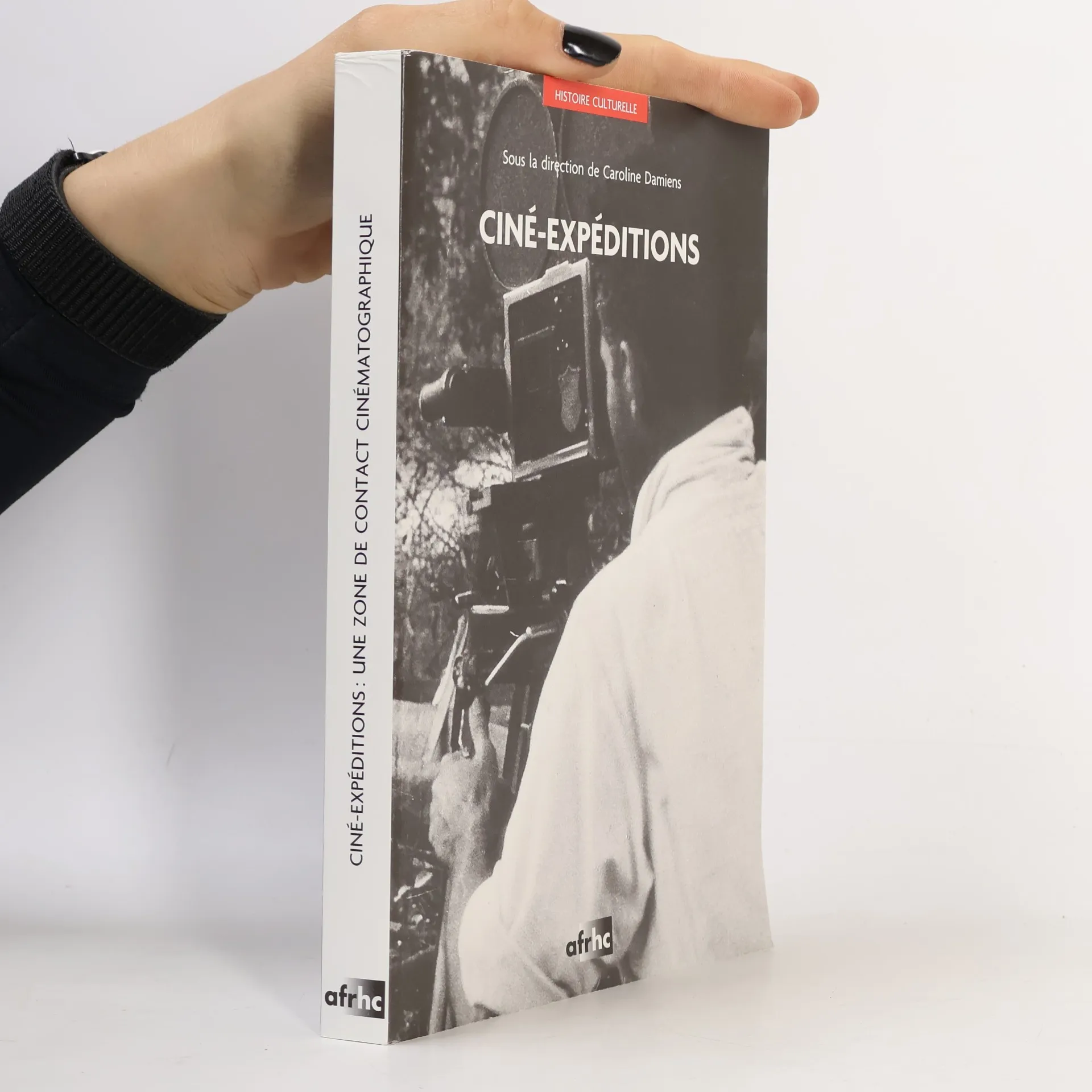
Ciné-Expéditions
Une zone de contact cinématographique
Produit par des professionnels comme des voyageurs ou des anthropologues, le cinéma d'expédition peut être compris comme une zone de contact cinématographique, à plus d'un titre: au croisement de plusieurs genres (travelogue, documentaire romance ou non, film animalier, d'exploration, etc.); géographique et culturel, mettant en relation l'Occident ou un autre «centre» face à de multiples altérités construites historiquement; disciplinaire, au carrefour de la géographie, de l'anthropologie, des sciences naturelles, des arts du spectacle, etc.; matériel et médiatique enfin, où les expéditions sont déclinées en plusieurs médias et types d'objet matériel (films, photographies, livres, jouets, mode vestimentaire, etc.). À travers des études de cas allant des «vues de plein air» des premiers temps aux conférences de voyages illustrées de projections des années 1980, cet ouvrage examine la façon dont les films composent une cartographie visuelle des «ailleurs», tout en mettant à mal les notions d'authenticité et de fiction. De l'Amazonie au Grand Nord, en passant par les Balkans et jusqu'aux mers du Sud, se déploie alors un véritable continent de films pour la plupart oubliés qui ont pourtant constitué une part importante de l'offre cinématographique tout au long du XXe siècle et ont contribué à façonner l'imaginaire des publics.