Explore the latest books of this year!
Bookbot

Richard Rorty

    October 4, 1931 – June 8, 2007

    Richard Rorty developed a distinctive and often controversial brand of pragmatism. His work critically diagnoses the core projects of modern philosophy, arguing against the idea of knowledge as mere representation or a mirroring of an external world. Positively, Rorty sought to re-imagine intellectual culture by moving beyond these traditional metaphors of mind and knowledge. He integrated the insights of thinkers like Dewey, Hegel, and Darwin into a pragmatic synthesis of historicism and naturalism, offering a multifaceted view of thought, culture, and politics that made him a widely discussed philosopher.

    Richard Rorty
    Essays on Heidegger and Others
    Philosophy as Cultural Politics
    Empiricism and the Philosophy of Mind
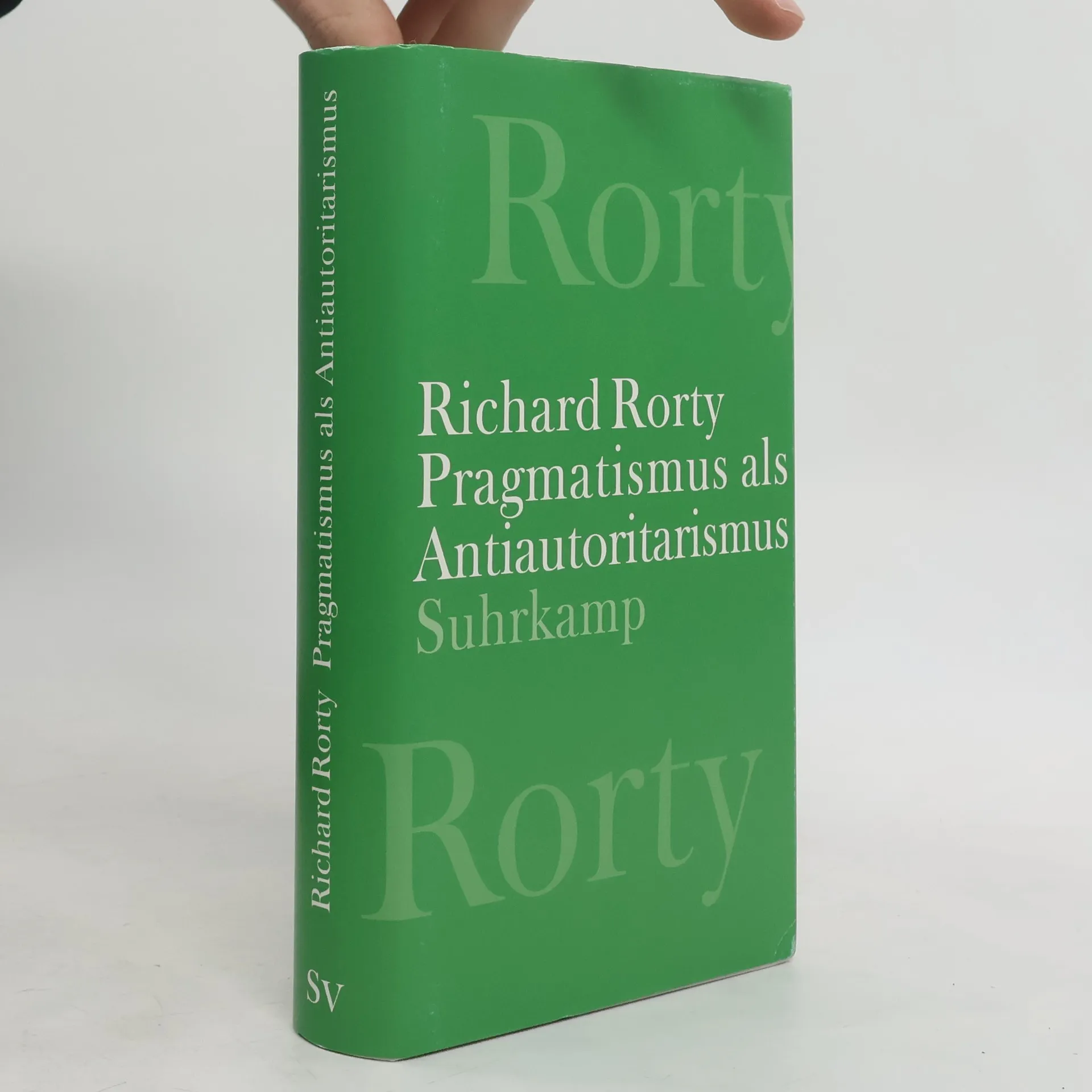
    Pragmatism as Anti-Authoritarianism
    On Philosophy and Philosophers
    Mind, Language, and Metaphilosophy
    • Mind, Language, and Metaphilosophy

      • 330 pages
      • 12 hours of reading

      Focusing on Richard Rorty's early philosophical essays, this volume showcases his influential thoughts from the first decade of his career. It explores his perspectives on the nature of philosophy and presents his innovative take on eliminative materialism. Key discussions include private language, indeterminacy, and verificationalism, all of which remain pertinent in contemporary philosophical debates. A comprehensive introduction traces Rorty's intellectual evolution from 1961 to 1972, enriching the understanding of his significant contributions to philosophy.
      Mind, Language, and Metaphilosophy
      5.0
    • On Philosophy and Philosophers

      • 264 pages
      • 10 hours of reading

      On Philosophy and Philosophers is a volume of unpublished papers by Richard Rorty, a central figure in late-twentieth-century philosophy and a primary force behind the resurgence of American pragmatism. These previously unseen papers advance novel views on metaphysics, ethics, epistemology, philosophical semantics and the social role of philosophy.

      On Philosophy and Philosophers
      4.5
    • Pragmatism as Anti-Authoritarianism

      • 272 pages
      • 10 hours of reading

      In his final work, Richard Rorty provides the definitive statement of his political thought. Rorty equates pragmatism with anti-authoritarianism, arguing that because there is no authority we can rely on to ascertain truth, we can only do so intersubjectively. It follows that we must learn to think and care about what others think and care about.

      Pragmatism as Anti-Authoritarianism
      4.3
    • First published in essay form in 1956, this book presents Sellars' entire philosophical system and his attack on the Myth of the Given, which raised doubts about the very idea of epistemology. An introduction situates the work within the history of recent philosophy.

      Empiricism and the Philosophy of Mind
      4.3
    • Philosophy as Cultural Politics

      • 220 pages
      • 8 hours of reading

      Exploring the evolving role of philosophy in Western culture, this collection of Richard Rorty's philosophical papers delves into significant themes such as the imagination's impact on moral and intellectual progress, the concept of moral identity, and the linguistic nature of philosophical problems as proposed by Wittgenstein. Rorty critiques the relevance of cognitive science to philosophy and challenges the notion that philosophers must locate consciousness and moral values within a physical framework. This volume is a thought-provoking resource for those deeply engaged in philosophical discourse and its cultural implications.

      Philosophy as Cultural Politics
      4.3
    • Essays on Heidegger and Others

      Philosophical Papers

      • 214 pages
      • 8 hours of reading

      Exploring recent European philosophy, this volume delves into the influential ideas of Heidegger and Derrida, showcasing Richard Rorty's critical engagement with their works. It offers insights into contemporary philosophical debates and Rorty's interpretations, making it a significant contribution to the discourse on modern thought.

      Essays on Heidegger and Others
      4.2
    • Mind, Language, and Metaphilosophy

      Early Philosophical Papers

      • 330 pages
      • 12 hours of reading

      This collection showcases the early work of a groundbreaking philosopher known for their influential ideas and originality. It provides insights into their foundational thoughts and the development of their philosophical framework, offering readers a comprehensive understanding of their contributions to contemporary thought.

      Mind, Language, and Metaphilosophy
      3.9
    • Achieving Our Country

      • 172 pages
      • 7 hours of reading

      The author argues that the Left wing in America sees the sins of America's past poisoning hope for the future, and challenges the lost generation of the Left to understand the role it might play in the tradition of democratic intellectual labour that started with writers like Whitman and Dewey.

      Achieving Our Country
      4.1
    • Prescient essays about the state of our politics from the philosopher who predicted that a populist demagogue would become president of the United StatesRichard Rorty, one of the most influential intellectuals of recent decades, is perhaps best known today as the philosopher who, almost two decades before the 2016 U.S. presidential election, warned of the rise of a Trumpian strongman in America. What Can We Hope For? gathers nineteen of Rorty’s essays on American and global politics, including four previously unpublished and many lesser-known and hard-to-find pieces.In these provocative and compelling essays, Rorty confronts the critical challenges democracies face at home and abroad, including populism, growing economic inequality, and overpopulation and environmental devastation. In response, he offers optimistic and realistic ideas about how to address these crises. He outlines strategies for fostering social hope and building an inclusive global community of trust, and urges us to put our faith in trade unions, universities, bottom-up social campaigns, and bold political visions that thwart ideological pieties.Driven by Rorty’s sense of emergency about our collective future, What Can We Hope For? is filled with striking diagnoses of today’s political crises and creative proposals for solving them.

      What Can We Hope For?
      4.1
    • Objectivity, Relativism, and Truth

      • 236 pages
      • 9 hours of reading

      Richard Rorty's collected papers, written during the 1980s and now published in two volumes, take up some of the issues which divide Anglo-Saxon analytic philosophers and contemporary French and German philosophers. In this volume Rorty offers a Deweyan account of objectivity as intersubjectivity.

      Objectivity, Relativism, and Truth
      4.1
    • This volume collects a number of important and revealing interviews with Richard Rorty, spanning more than two decades of his public intellectual commentary, engagement, and criticism.

      Take Care of Freedom and Truth Will Take Care of Itself
      4.0
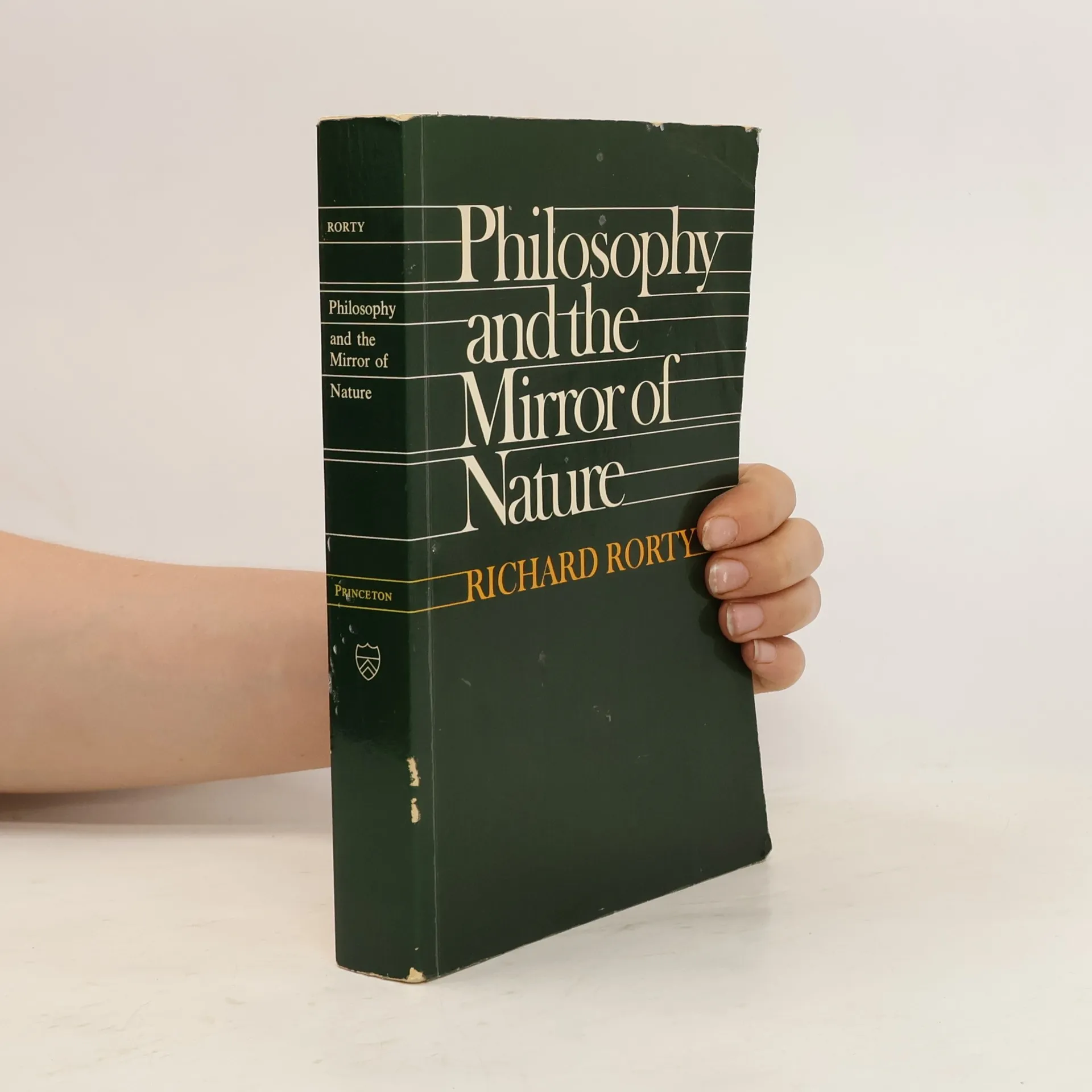
    • When it first appeared in 1979, Richard Rorty argued that philosophers had developed an unhealthy obsession with the notion of representation: comparing the mind to a mirror that reflects reality. The book now stands as a classic of 20th-century philosophy.

      Philosophy and the Mirror of Nature
      4.1
    • Deconstruction and Pragmatism

      • 100 pages
      • 4 hours of reading

      The book explores the tension between Derridean deconstruction and Rortian pragmatism, addressing criticisms that they threaten concepts of truth and reason. It argues that, despite these accusations, both philosophies contribute to the democratic project by challenging the traditional connections between universalism, rationalism, and modern democracy. The authors aim to clarify the intellectual and political implications of these ideas, suggesting that they can foster a more nuanced understanding of democracy rather than leading to chaos.

      Deconstruction and Pragmatism
      3.9
    • Philosophy and Social Hope

      • 288 pages
      • 11 hours of reading

      Richard Rorty is one of the provocative figures in philosophical, literary and cultural debate. This collection brings together those of his writings.

      Philosophy and Social Hope
      4.0
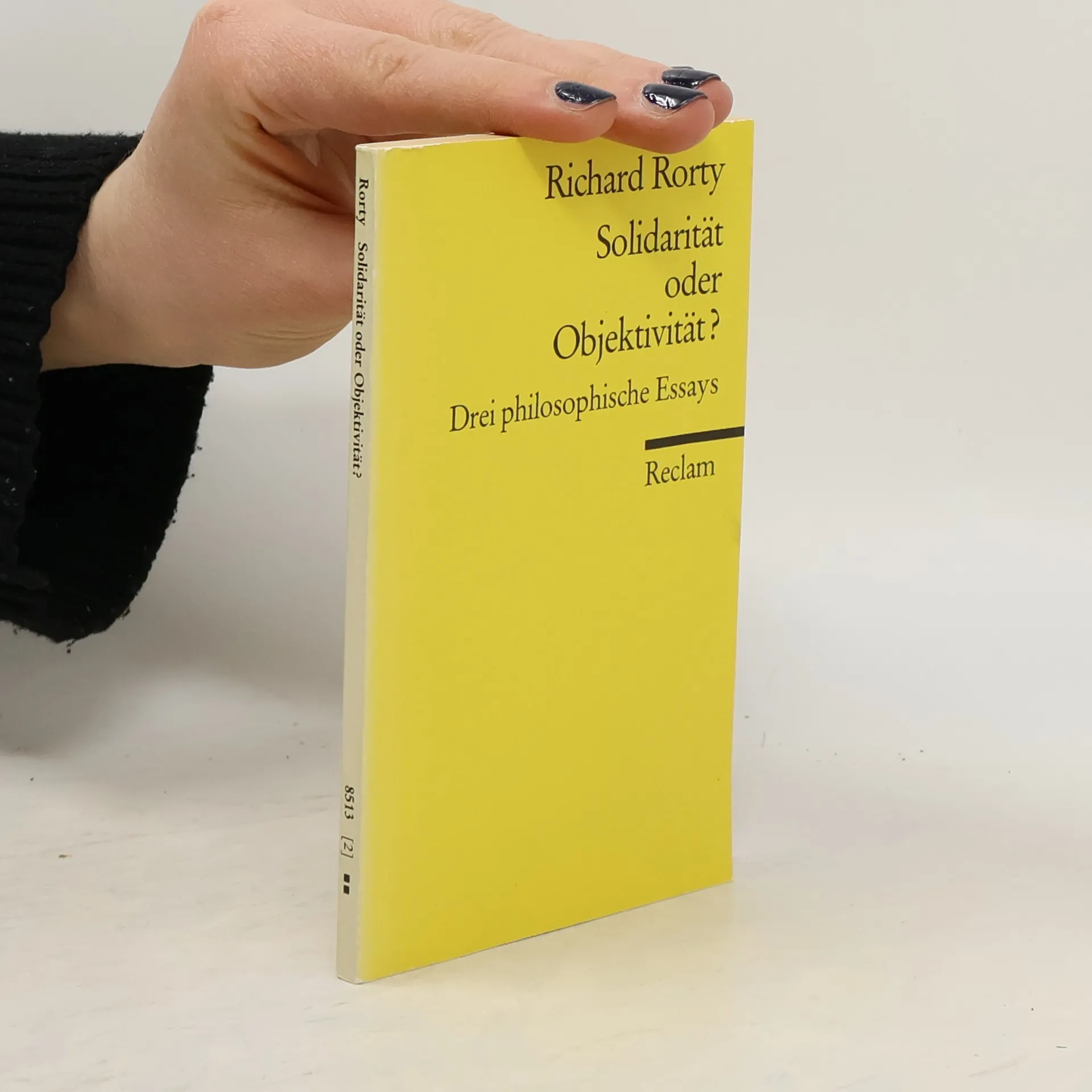
    • What's the Use of Truth?

      • 96 pages
      • 4 hours of reading

      American pragmatist Rorty and the French analytic philosopher Engel present their radically different perspectives on truth and its correspondence to reality. "What's the Use of Truth?" is a rare opportunity to experience each side of this impassioned debate clearly and concisely.

      What's the Use of Truth?
      3.0
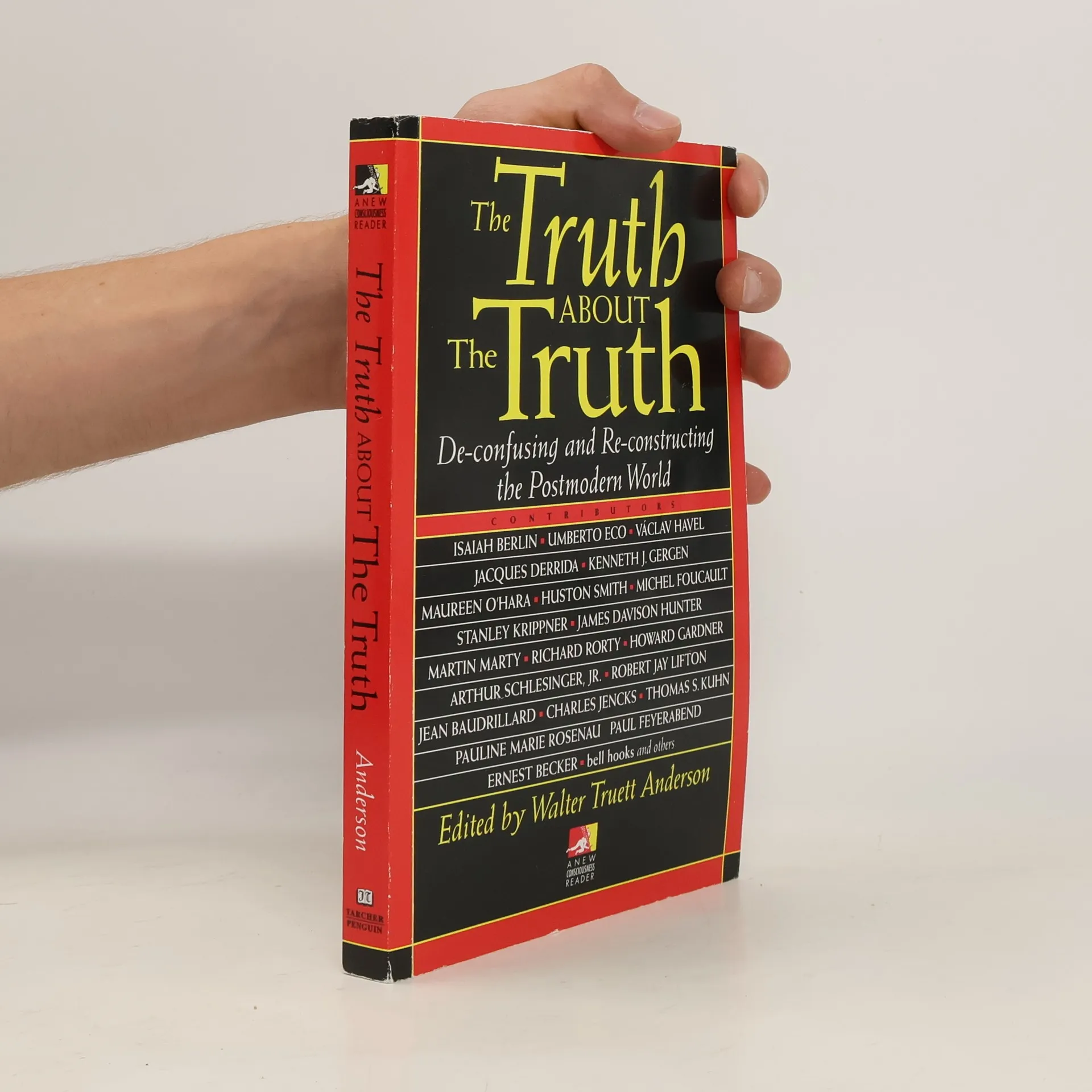
    • The Truth About the Truth

      De-confusing and Re-constructing the Postmodern World

      • 272 pages
      • 10 hours of reading

      Includes essays and excerpts from the works of prominent modern thinkers such as Umberto Eco, Jacques Derrida, and Isaiah Berlin among others.

      The Truth About the Truth
      3.9
    • Richard Rorty is famous, maybe even infamous, for his philosophical nonchalance. His groundbreaking work not only rejects all theories of truth but also dismisses modern epistemology and its preoccupation with knowledge and representation. At the same time, the celebrated pragmatist believed there could be no universally valid answers to moral questions, which led him to a complex view of religion rarely expressed in his writings.In this posthumous publication, Rorty, a strict secularist, finds in the pragmatic thought of John Dewey, John Stuart Mill, William James, and George Santayana, among others, a political imagination shared by religious traditions. His intent is not to promote belief over nonbelief or to blur the distinction between religious and public domains. Rorty seeks only to locate patterns of similarity and difference so an ethics of decency and a politics of solidarity can rise. He particularly responds to Pope Benedict XVI and his campaign against the relativist vision. Whether holding theologians, metaphysicians, or political ideologues to account, Rorty remains steadfast in his opposition to absolute uniformity and its exploitation of political strength.

      An Ethics for Today
      3.8
    • Stolz auf unser Land

      Die amerikanische Linke und der Patriotismus

      • 166 pages
      • 6 hours of reading

      America's past is marked by shameful incidents, including slavery, genocidal assaults on indigenous peoples, and the escalation of the Vietnam War. The question arises: how should we respond to these acts? Should we view the nation as irredeemably tainted by sin, or should we acknowledge its shortcomings and strive for improvement? Philosopher Richard Rorty offers a hopeful perspective, arguing that the current Left is failing to meet this challenge. He contrasts the cultural Left's focus on America's heritage of shame—which, while fostering a more civil society, can also hinder progress—with the politically engaged reformist Left of earlier decades. Rorty emphasizes the importance of this distinction, noting that pride in one's identity, such as being black or gay, can be reasonable but may also prevent individuals from taking pride in their American citizenship or joining in reform efforts with others. While not everyone may agree with Rorty's views, his pragmatic approach to civic life, rooted in the traditions of John Dewey and Walt Whitman, is likely to spark important discussions about citizenship. His call for renewed awareness of American reformist activism deserves recognition and applause.

      Stolz auf unser Land
      5.0
    • Für Richard Rorty zeichnen sich Philosophen dadurch aus, daß sie auf die eine oder andere Weise von der Spannung zwischen dem Relativen und dem Absoluten, oder besser: zwischen dem Schönen und dem Erhabenen fasziniert sind. Der Streit zwischen den »Parteien« ist nicht zu schlichten, sondern er ist der Motor unserer Zivilisation. Während Rorty im ersten Text ein leidenschaftliches Plädoyer für den philosophischen Diskurs hält, macht sein zweiter Beitrag Die Intellektuellen und die Armen auf repräsentative Weise den politischen Denker Rorty sichtbar

      Die Schönheit, die Erhabenheit und die Gemeinschaft der Philosophen
      4.0
    • In seinem Vorlesungszyklus im Rahmen Wiener Instituts für die Wissenschaften vom Menschen stellt Richard Rorty eine Verbindung zwischen dem klassischen Pragmatismus von Peirce, James und Dewey und den Theorien von Quine, Putnam, Davidson, Annette Baier und anderen zeitgenössischen Philosophen her. Rorty deutet Pragmatismus als philosophisches Bemühen, unsere moralischen Anschauungen mit der Weltsicht der Darwinschen Biologie zu versöhnen – ähnlich wie Kant dies mit dem Kopernikanischen Weltbild versuchte. Seine Neuinterpretation des Pragmatismus läuft darauf hinaus, uns von dem Anspruch zu verabschieden, die innere Natur der Wirklichkeit erfasst zu haben, und an seine Stelle die Hoffnung auf eine bessere Zukunft zu setzen.

      Hoffnung statt Erkenntnis
      4.0
    • Eine Kultur ohne Zentrum

      • 146 pages
      • 6 hours of reading

      Richard Rorty gehört zu den amerikanischen Philosophen, die in Europa gegenwärtig besonders beachtet werden. Das kommt daher, daß er wie kaum ein anderer die kontinentaleuropäische Philosophie in sich aufgenommen hat. Dadurch ergeben sich spannende Konstellationen. Die Titel der vier Essays: – Ist Naturwissenschaft eine natürliche Art? – Physikalismus ohne Reduktionismus – Dekonstruieren und Ausweichen – Heidegger, Kundera und Dickens

      Eine Kultur ohne Zentrum
      3.8
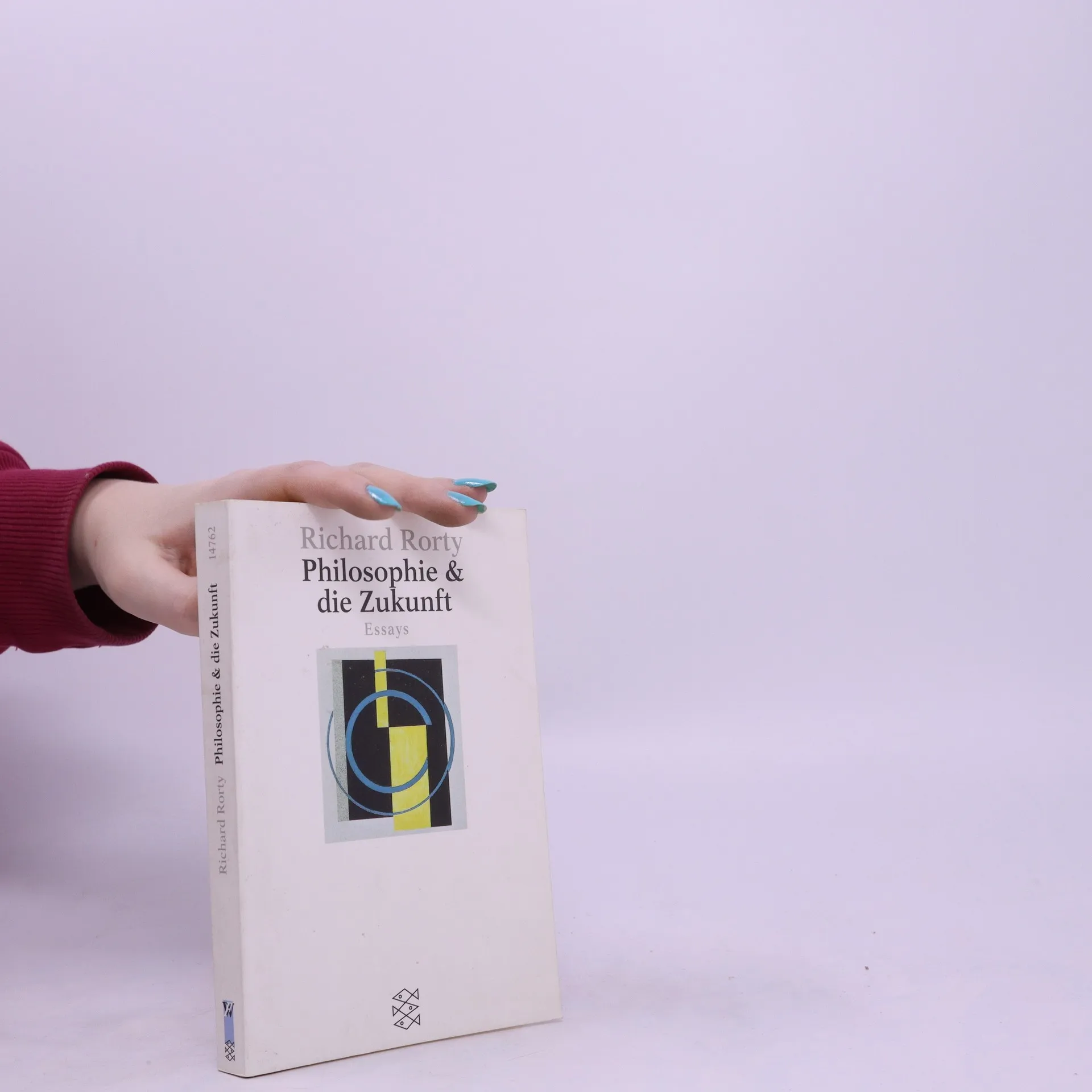
    • Philosophie & die Zukunft

      Essays

      • 190 pages
      • 7 hours of reading

      Philosophie & die Zukunft, Habermas - Derrida und die Aufgaben der Philosophie - Analytische Philosophie und verändernde Philosophie - Gerechtigkeit als erweiterte Loyalität, Spinoza - Pragmatismus und die Liebe zur Weisheit - »Sein, das verstanden werden kann, ist Sprache« - Wilde Orchideen und Trotzki - Überreden ist gut: Ein Gespräch mit Richard Rorty.

      Philosophie & die Zukunft
      3.8
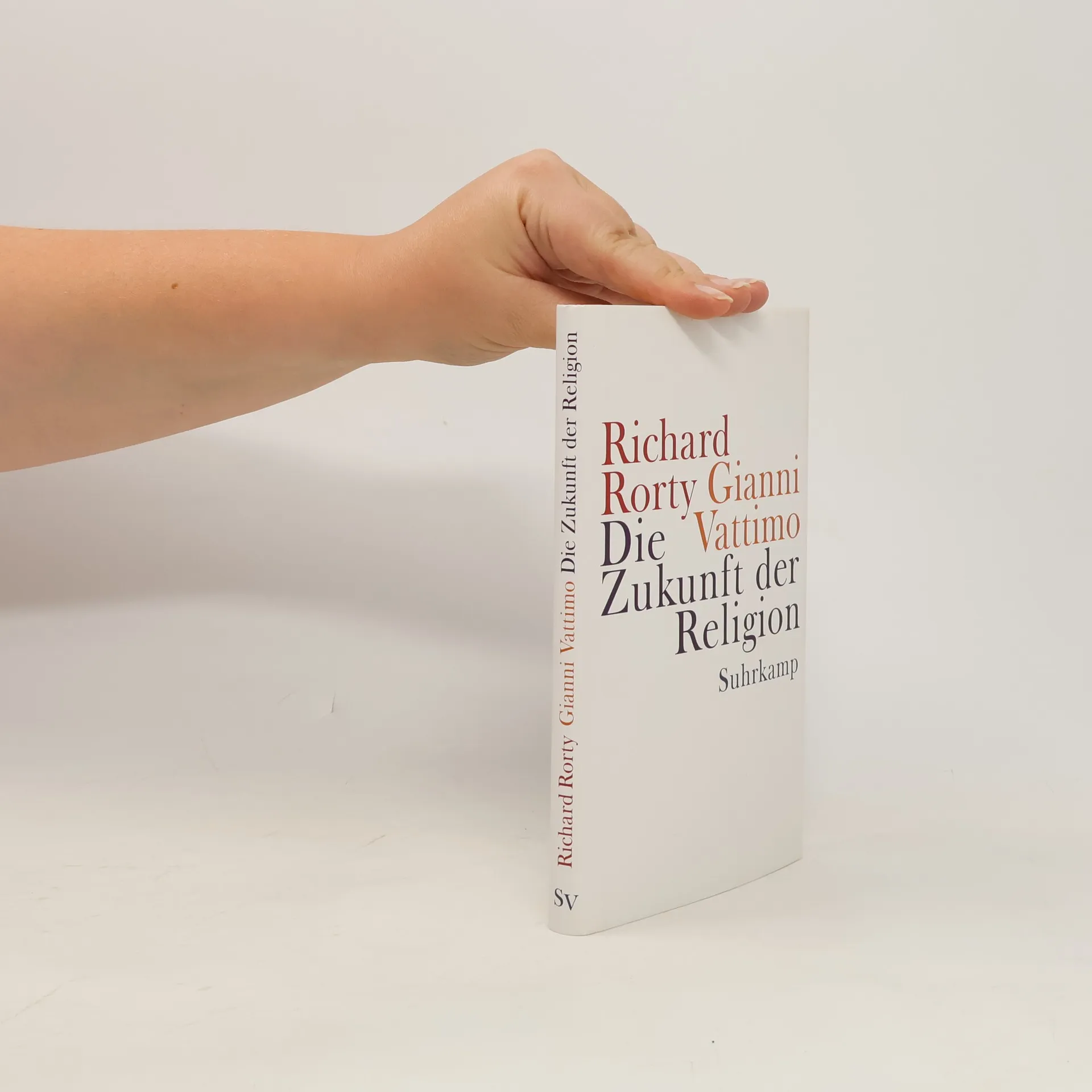
    • Nicht erst seit der vielbeachteten Wahl des neuen Papstes, nicht erst seit den religiös motivierten Terroranschlägen, die die westlichen Demokratien erschüttert haben, und nicht erst seit der Wiederkehr religiöser Fundamentalismen in allen Teilen der Welt wird deutlich, daß die Frage der Religion zu einer Nagelprobe der Zivilisation geworden ist. Doch war die Religion nicht längst überwunden? Die Philosophen Richard Rorty und Gianni Vattimo, die als Vertreter einer dezidierten Metaphysikkritik nicht gerade in Verdacht stehen, dem Christentum das Wort zu reden, stellen die Frage nach der Zukunft der Religion. In pointierten Texten und einem anschaulichen Gespräch gehen sie von der Beobachtung aus, daß die Metaphysikkritik mitnichten zum Verschwinden der Religion geführt hat. Der Tod Gottes gehört der Vergangenheit an, die Religion nicht. Doch gehört ihr wirklich die Zukunft? Oder hat nicht vielmehr eine Verschiebung der religiösen Erfahrung stattgefunden, die eine Metaphysikkritik keineswegs ausschließt? Wird eine Religion ohne Gott kommen? »Was kommt nach dem Ende der Metaphysik? Kann Religion ohne Begründungen, objektive Wahrheiten oder Gott auskommen? Zwei der einflußreichsten Philosophen unserer Tage kommen hier zu einer Antwort zusammen. Gemeinsam bestimmen Vattimos Hermeneutik und Rortys Pragmatismus unsere Vorstellung der christlichen Botschaft, daß die Liebe das einzige Gesetz darstelle, neu.« Nancy Frankenberry

      Die Zukunft der Religion
      3.0
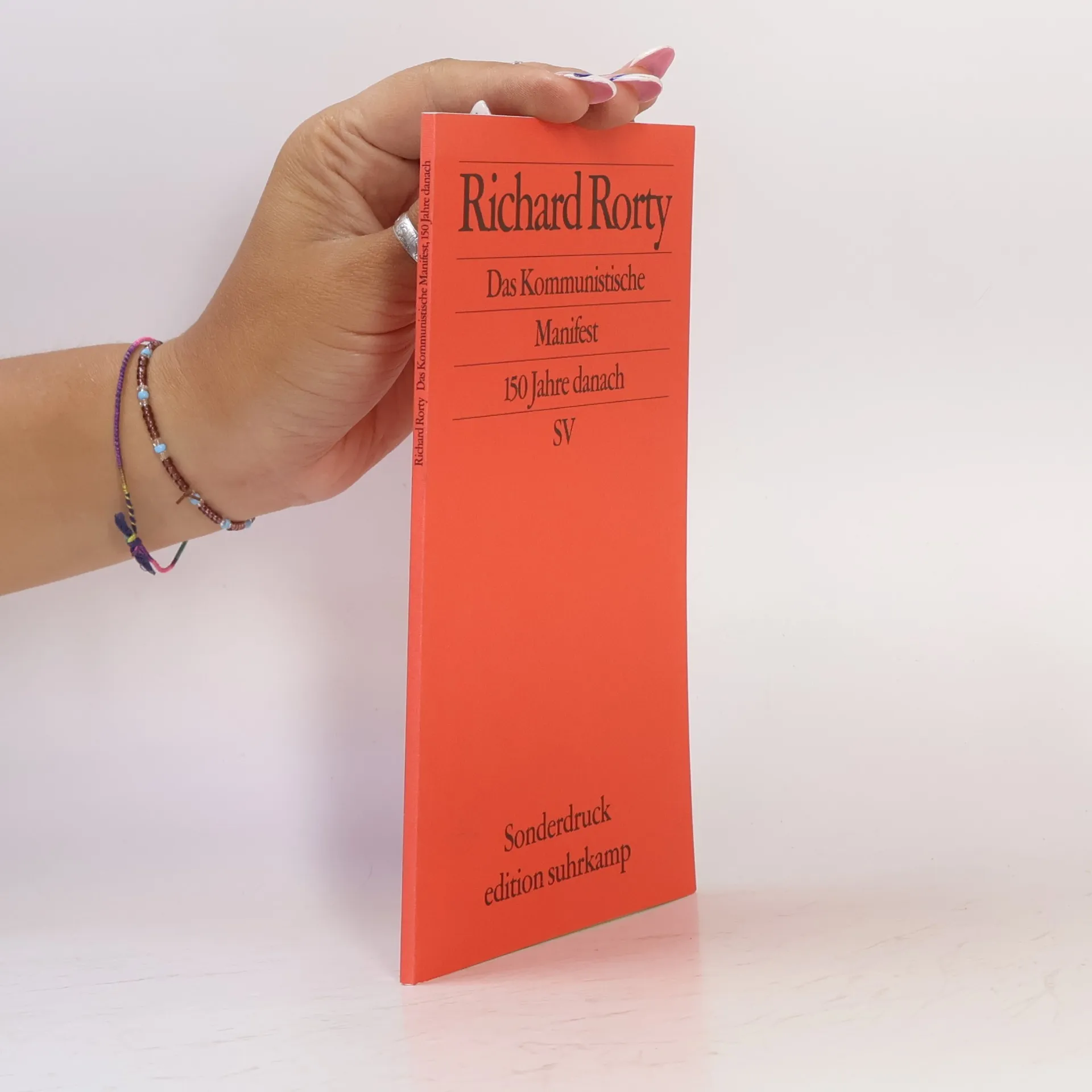
    • Das Bewusstsein, dass die Zukunft der Menschen anders sein könne als ihre Vergangenheit, und zwar ohne dass dazu übernatürliche Kräfte eingreifen müssten, kommt im Kommunistischen Manifest auf grossartige Weise zum Ausdruck. (zit. vom Umschlag)

      Das kommunistische Manifest 150 Jahre danach
    • Dzieło Nauka, percepcja, rzeczywistość, które czytelnik otrzymuje w polskiej wersji, to pierwsza, ale bodaj najważniejsza książka Sellarsa, wydana w 1963 r. i później kilkakrotnie wznawiana. Składa się ona z wcześniej opublikowanych artykułów (z wyjątkiem tekstu o fenomenalizmie), więc niekoniecznie trzeba ją czytać od początku. Warto jednak zacząć od często komentowanego pierwszego artykułu „Filozofia a naukowy obraz człowieka”, gdzie zarysowana jest relacja między obrazem naukowym a obrazem naocznym, odpowiadającym w przybliżeniu temu, co nazywamy poznaniem potocznym lub – w kontekstach filozoficznych – sferą fenomenalną. Oba obrazy współtworzą nasze spójne doświadczenie, do którego każdy z nich wnosi coś cennego. Jednak z metafizycznego punktu widzenia te obrazy nie są równorzędne, bo właściwą miarą rzeczywistości jest nauka. Ta myśl dobitnie wybrzmiewa w bardziej już technicznym, najczęściej analizowanym artykule „Empiryzm a filozofia umysłu”, gdzie Sellars przedstawia słynną krytykę „mitu danych”, czyli przekonania o bezpośrednich, w niczym niezapośredniczonych składnikach poznania (ideach, podstawowych zasadach itd.), które ze względu na taki właśnie status miały stanowić niekwestionowaną podstawę wiedzy. (Ze Wstępu)

      Nauka, percepcja, rzeczywistość
    • Pragmatismus als Antiautoritarismus

      • 400 pages
      • 14 hours of reading

      Nachdem Richard Rorty Ende der 1970er Jahre die westlich-neuzeitliche Philosophie einer grundstürzenden Kritik unterzogen hatte, setzte er sich sogleich an die Spitze einer intellektuellen Bewegung, die unter dem Label »Neopragmatismus« auch außerhalb der Philosophie enorm einflussreich geworden ist. Über die Jahrzehnte hat Rorty seine Version des Pragmatismus ständig erweitert und verfeinert, unter anderem in legendären Vorlesungen an der Universität von Girona. Sie bilden das Kernstück dieses Buches, das nicht weniger bietet als die finale Version von Rortys Spätphilosophie. In ihrem Zentrum steht der Begriff des Antiautoritarismus, den Rorty als Hauptimpuls seines Denkens ausweist. Es gibt keine Autorität, die vorgibt, was wahr und richtig ist. Es gibt nur uns und unsere Meinungen, Ideen und Traditionen. Gute Ideen erkennt man daran, dass sie zum Wohl aller beitragen. Und um festzustellen, worin dieses Wohl besteht, muss man sich mit dem, was andere meinen und wollen, beschäftigen und bereit sein, die eigenen Ansichten zu revidieren. Der Antiautoritarismus, wie Rorty ihn versteht, fängt bei jedem Einzelnen an. Seine Währung ist Vertrauen, sein Medium ist das Gespräch, sein Ziel ist Emanzipation. Das ist die politische Botschaft von Pragmatismus als Antiautoritarismus .

      Pragmatismus als Antiautoritarismus
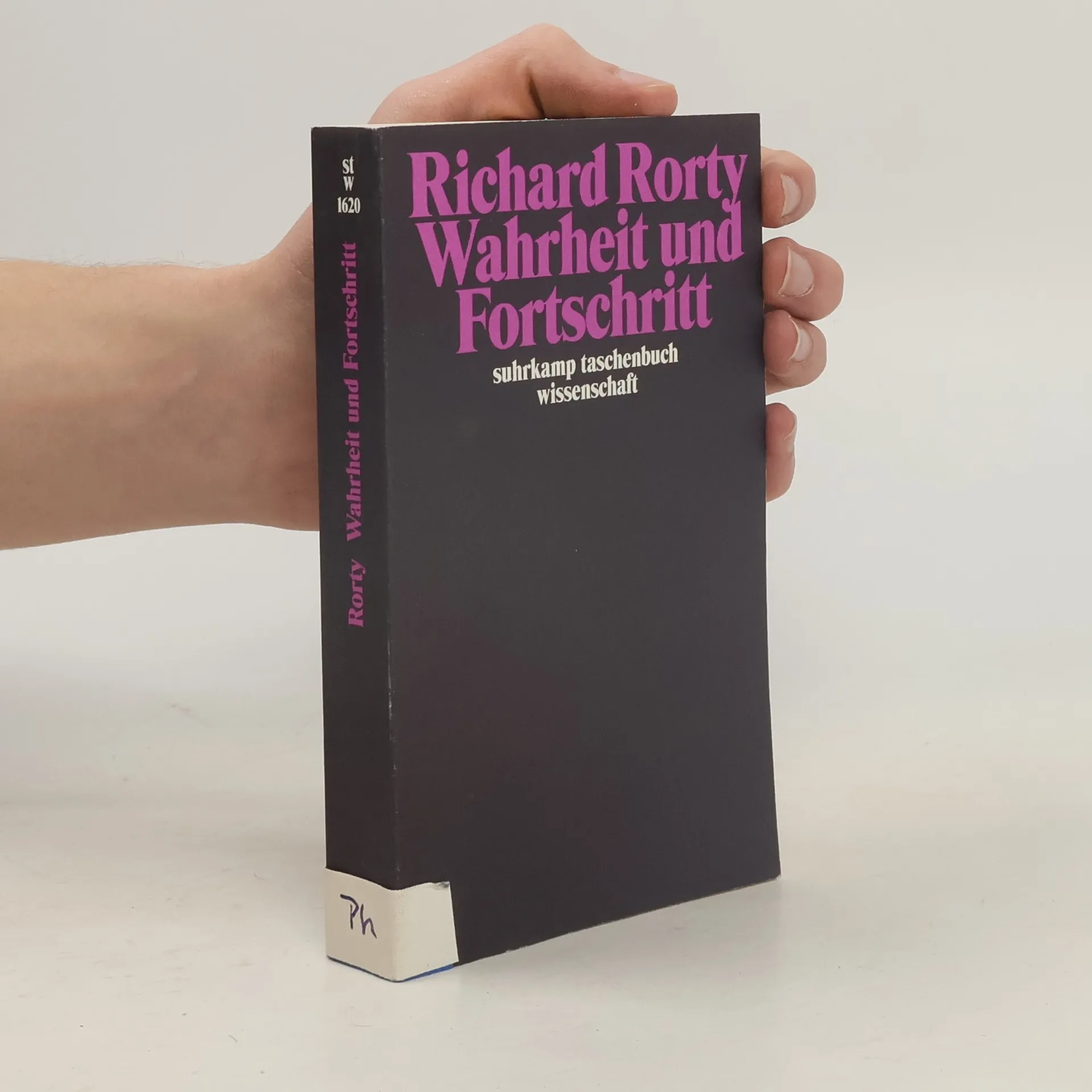
    • Das altehrwürdige Verhältnis zwischen Wahrheit und Fortschritt wird von Rorty gründlich auseinandergenommen: Nicht die Erkenntnis der Wahrheit führt zum Fortschritt, nein – es ist die Einsicht in die Belanglosigkeit aller herkömmlichen Wahrheitsvorstellungen, die Fortschritte ermöglicht. Neue Perspektiven kann erst der ins Auge fassen, der sich von der Vorstellung einer von menschlicher Vernunft unabhängig existierenden Realität befreit. In der Auseinandersetzung mit eingebürgerten philosophischen Theorien und verschiedenen Autoren der Gegenwart verteidigt Rorty ein pragmatistisches Verständnis von Fortschritt. Linderung menschlichen Leids, Toleranz gegenüber Andersdenkenden und Hilfe für unterdrückte Minderheiten sind die allgemeinen Themen, die Rorty pointiert in den Mittelpunkt rückt.

      Suhrkamp Taschenbuch Wissenschaft: Wahrheit und Fortschritt
    • Přednášky významného italského myslitele Umberta Eca o podstatě interpretace a polemické příspěvky současných filozofů k těmto textům. Z obálky knihy: Text je nástroj, vynájdený na to, aby utvoril svojho modelového čitateľa. Opakujem: tento čitateľ nie je autorom „jedinej správnej“ domnienky. Text môže rátať aj s takým modelovým čitateľom, ktorý má právo pokúsiť sa o nekonečný počet domnienok. Empirický čitateľ je len aktérom, vyslovujúcim domnienky o povahe modelového čitateľa, ktorého postuluje text. Keďže zámerom textu je v podstate vytvárať modelového čitateľa, schopného vyslovovať o ňom domnienky, vynachádzavosť modelového čitateľa spočíva v nájdení modelového, teda nie empirického, autora, ktorý v konečnom dôsledku splýva so zámerom textu. Text je teda viac než len parametrom, použitým na zhodnotenie interpretácie, je objektom, ktorý vytvára interpretácia v procese kruhové­ho úsilia o potvrdenie svojej právoplatnosti na základe toho, čo podáva ako svoj výsledok. Nehanbím sa priznať, že tak definujem starý a stále platný „hermeneutický kruh“.

      Interpretation and overinterpretation. Slovensky Interpretácia a nadinterpretácia
      4.8
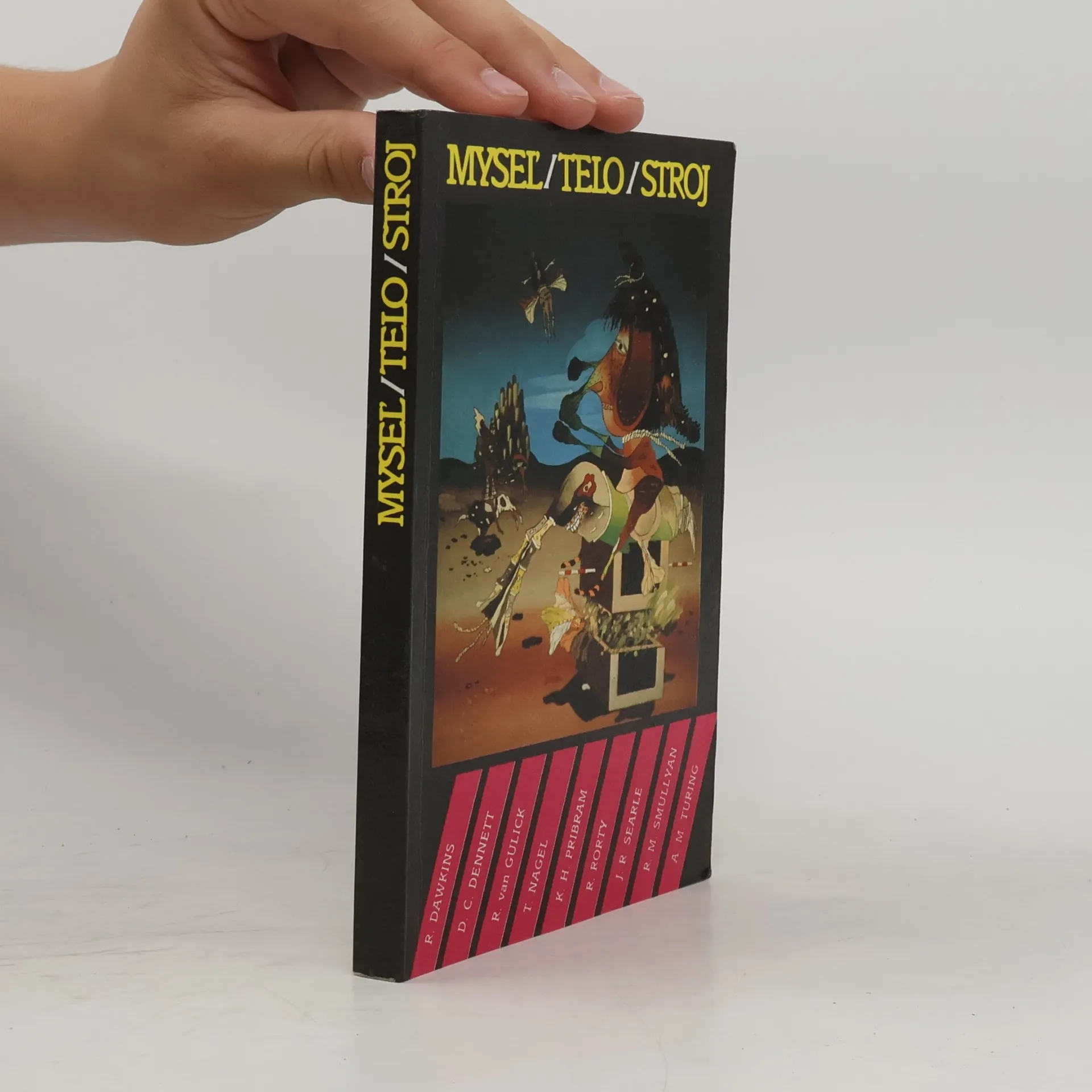
    • Myseľ, telo, stroj

      • 218 pages
      • 8 hours of reading

      Počnúc Platónom si filozofi kladú otázku, čo je poznanie. Ako poznávame vonkajší svet pohybov, objektov a farieb? Ako poznávame vnútorný svet predstáv, vier a želaní? A ako tieto dva svety spolu súvisia? Človek poznáva mysľou, ale čo je myseľ? Ako možno zistiť, čo sa v nej deje? Aký je vzťah medzi mysľou a telom? Ako svet v nás súvisí so svetom okolo nás? Kniha Myseľ, telo, stroj predstavuje deviatich filozofov a vedcov - R. Dawkinsa, D. C. Dennetta, R. Van Gulicka, T. Nagela, K. H. Pribrama, R. Rortyho, J. R. Searla, R. M. Smullyana a A. M. Turinga, ktorí významne ovplyvnili súčasné diskusie o týchto problémoch, zamestnávajúcich filozofov už viac ako dvetisíc rokov. Okrem filozofov zaujme aj odborníkov v súvisiacich vedných disciplínach ( biológii, logike, psychológii, umelej inteligencii) a každého, kto slobodne rozmýšľa o tom, akú predstavu si mi ľudia máme vytvoriť o sebe a svojom mieste v prírode.

      Myseľ, telo, stroj
      5.0
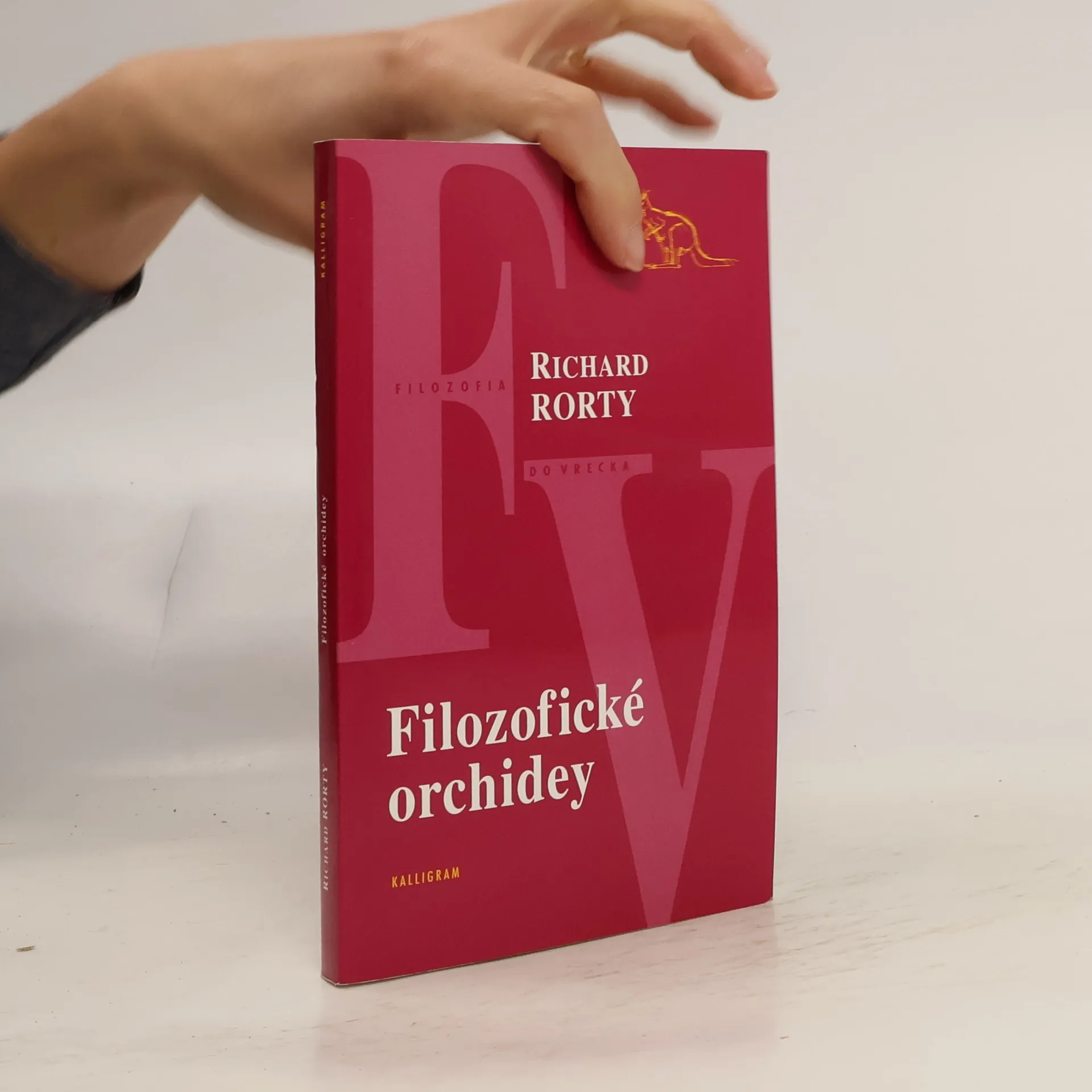
    • Filozofické orchidey

      • 264 pages
      • 10 hours of reading

      Richard Rorty, profesor na Standforskej univerzite, nie je slovenskému čitateľovi celkom neznámy, najmä vďaka vydaniu jeho kľúčovej knihy Filozofia a zrkadlo prírody (Kalligram 2000). Publikáciu, ktorá sa dostáva do rúk slovenskému čitateľovi teraz, tvorí súbor štúdií venovaných rôznym horúcim filozofickým témam, ktoré však spája originálny variant Rortyho neopragmatizmu s výrazným sociálnym nábojom. Rortyho filozofický postoj je charakteristický predovšetkým zásadným antisubstancionalizmom a antiesencionalizmom. Z jeho úvah sa mu potom aj významné postavy dejín filozofie - napríklad Platón, Aristoteles, Sokrates, Spinoza, Nietzsche, zo súčasných Habermas a, samozrejme Dewey - vynárajú v novom svetle. V závere jednej zo svojich štúdií R. Rorty hovorí, že z hľadiska budúceho lepšieho usporiadania sveta orchidey môžu, ale nemusia byť. Jeho filozofické orchidey však nesporne k úsiliu o takéto usporoadanie prispievajú.

      Filozofické orchidey
      4.0
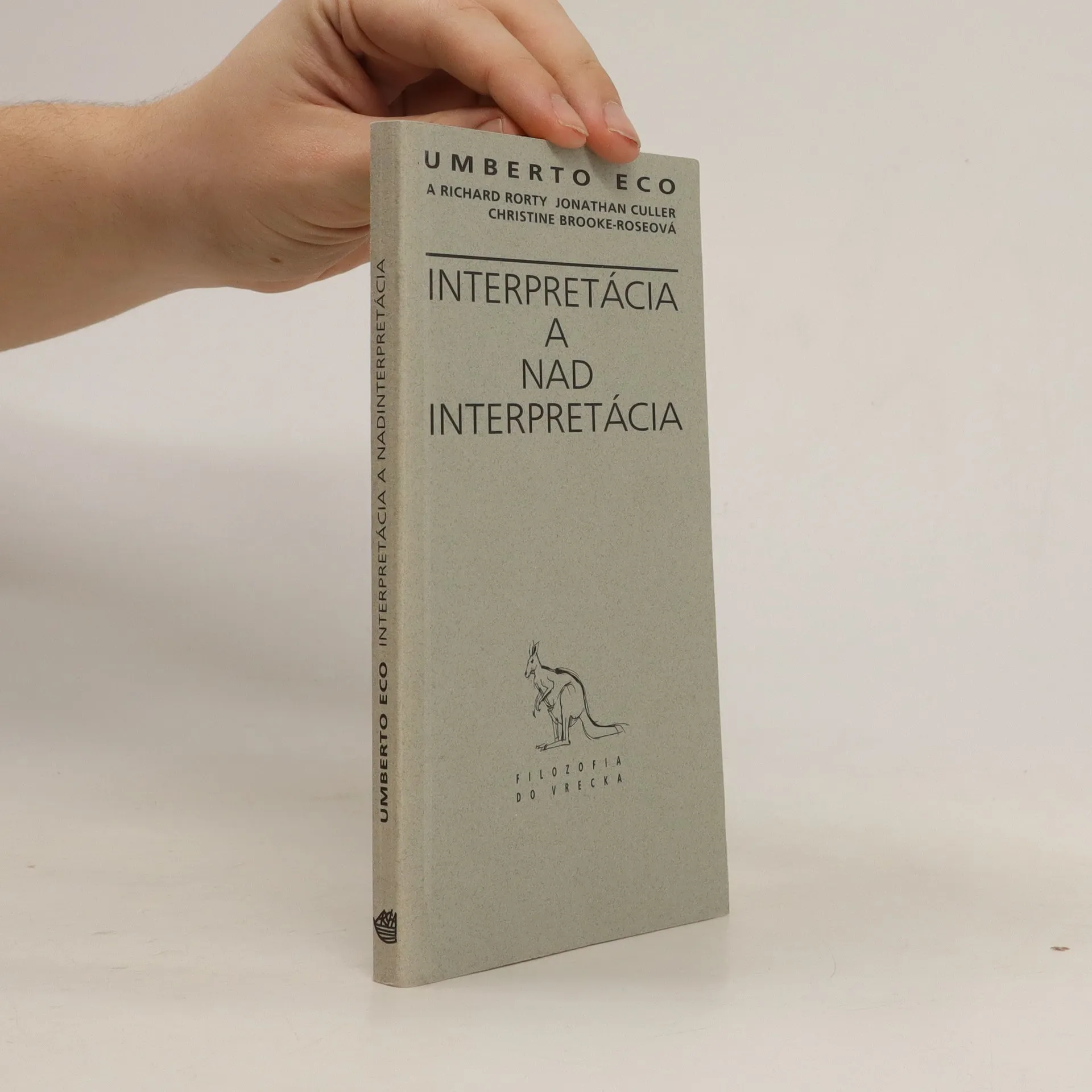
    • Interpretácia a nadinterpretácia

      • 146 pages
      • 6 hours of reading

      Přednášky významného italského myslitele Umberta Eca o podstatě interpretace a polemické příspěvky současných filozofů k těmto textům. Z obálky knihy: Text je nástroj, vynájdený na to, aby utvoril svojho modelového čitateľa. Opakujem: tento čitateľ nie je autorom „jedinej správnej“ domnienky. Text môže rátať aj s takým modelovým čitateľom, ktorý má právo pokúsiť sa o nekonečný počet domnienok. Empirický čitateľ je len aktérom, vyslovujúcim domnienky o povahe modelového čitateľa, ktorého postuluje text. Keďže zámerom textu je v podstate vytvárať modelového čitateľa, schopného vyslovovať o ňom domnienky, vynachádzavosť modelového čitateľa spočíva v nájdení modelového, teda nie empirického, autora, ktorý v konečnom dôsledku splýva so zámerom textu. Text je teda viac než len parametrom, použitým na zhodnotenie interpretácie, je objektom, ktorý vytvára interpretácia v procese kruhové­ho úsilia o potvrdenie svojej právoplatnosti na základe toho, čo podáva ako svoj výsledok. Nehanbím sa priznať, že tak definujem starý a stále platný „hermeneutický kruh“.

      Interpretácia a nadinterpretácia
      4.0
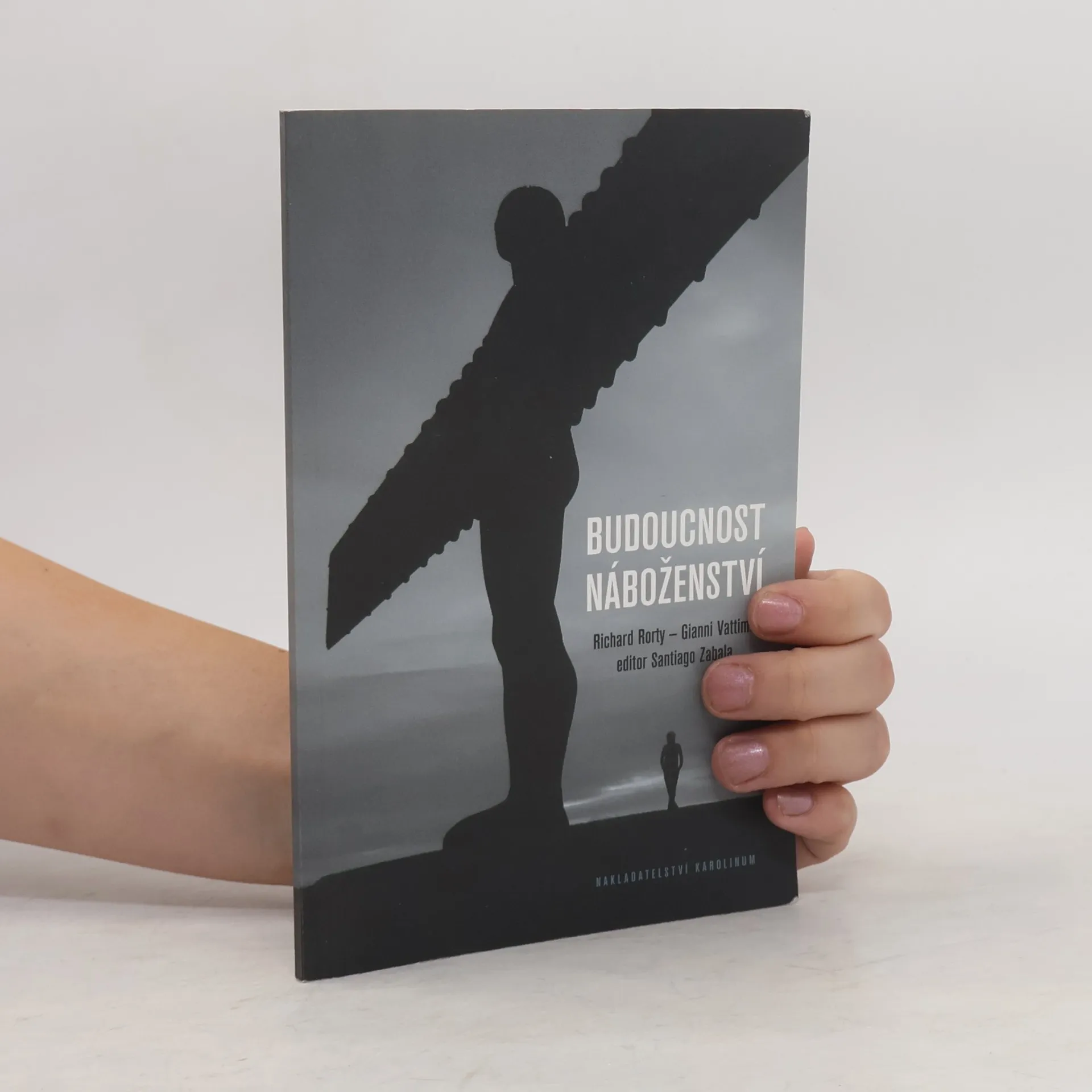
    • Dva filosofové Richard Rorty a Gianni Vattimo sice vycházejí z odlišných intelektuálních tradic, oba však spojuje kritický přístup k metafyzice. Ve svém díle se zabývají otázkami, které přesahují rámec filofosie a přehodnocují základní otázky náboženského života i víry v Boha. Kniha Budoucnost náboženství obsahuje mimo jiné i dialog mezi těmito dvěma filosofy a je jedinečná nejen tím, že se v ní prolíná Rortyho pragmatismus s Vattimovou hermeneutikou, ale také tím, že dává prostor i diskusi o omezeních tradičního náboženského přesvědčení a moderního sekularismu. Živý dialog, který knihu uzavírá a který moderoval a redigoval Santiago Zabala, analyzuje budoucnost náboženství spolu s politickými, společenskými a historickými aspekty pro náš současný postmoderní, postmetafyzický a postkřesťanský svět charakteristickými.

      Budoucnost náboženství
      3.5
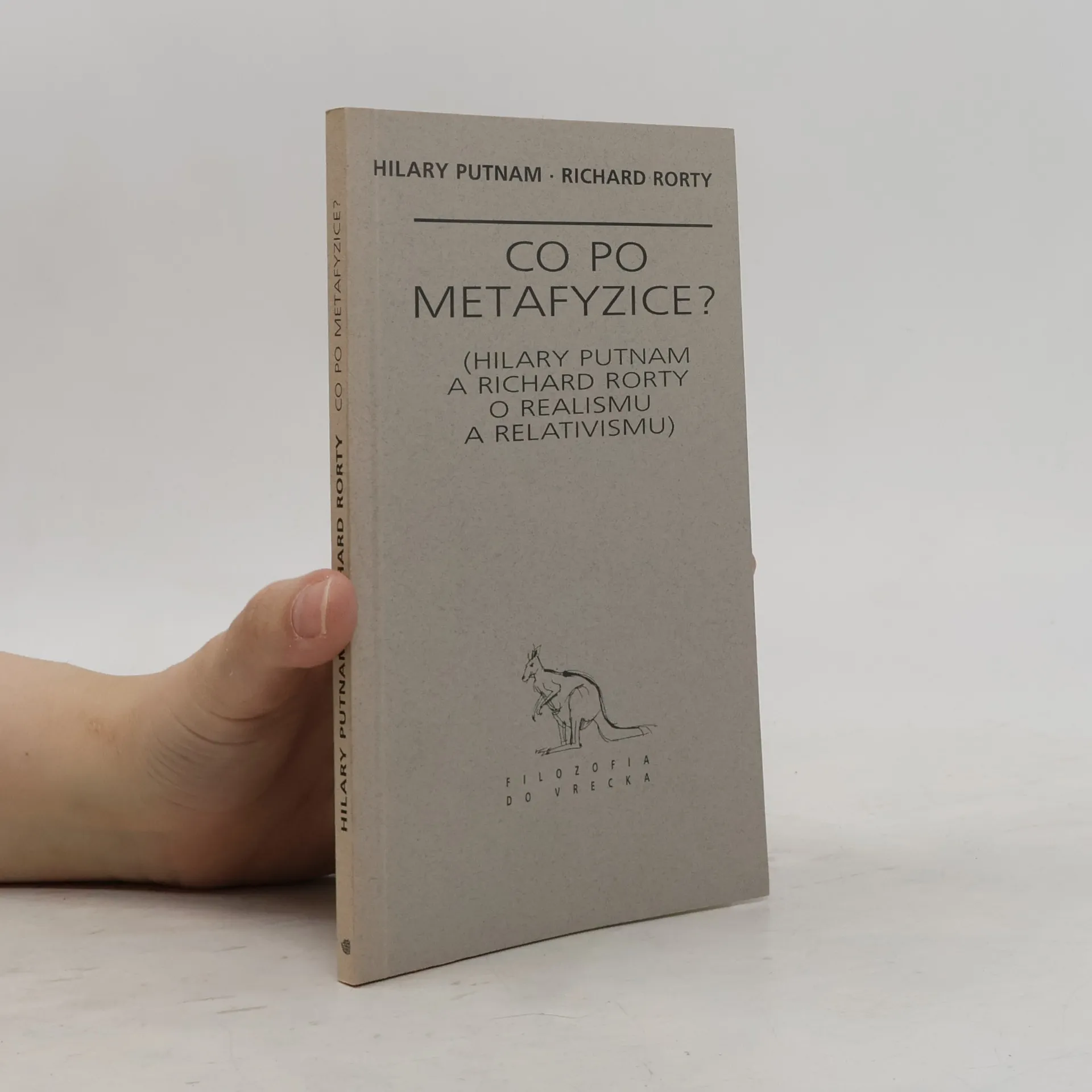
    • Metafyzický realismus nechápe svět z lidského hlediska, nýbrž usiluje o jeho zcela objektivní poznání. Svět je tudíž pojímán nezávisle na člověku... Putnam i Rorty se shodují, že metafyzický realismus nedoceněním lidského faktoru způsobuje chybný výklad řady filozofických problémů. Odmítnutí konkrétní podoby realismu však neznamená, že popírají realismus jako takový. Zajímavá polemika seznamuje českého čtenáře s díly výrazných osobností současné post-analytické filozofie. Základní spisy obou autorů o metafyzickém realismu v českém překladu nadále absentují, neboť pouhý úryvek a časopisecký příspěvek nejsou schopny systematicky postihnout hloubku zkoumané problematiky.

      Co po metafyzice? Hilary Putnam a Richard Rorty o realismu a relativismu
      1.0
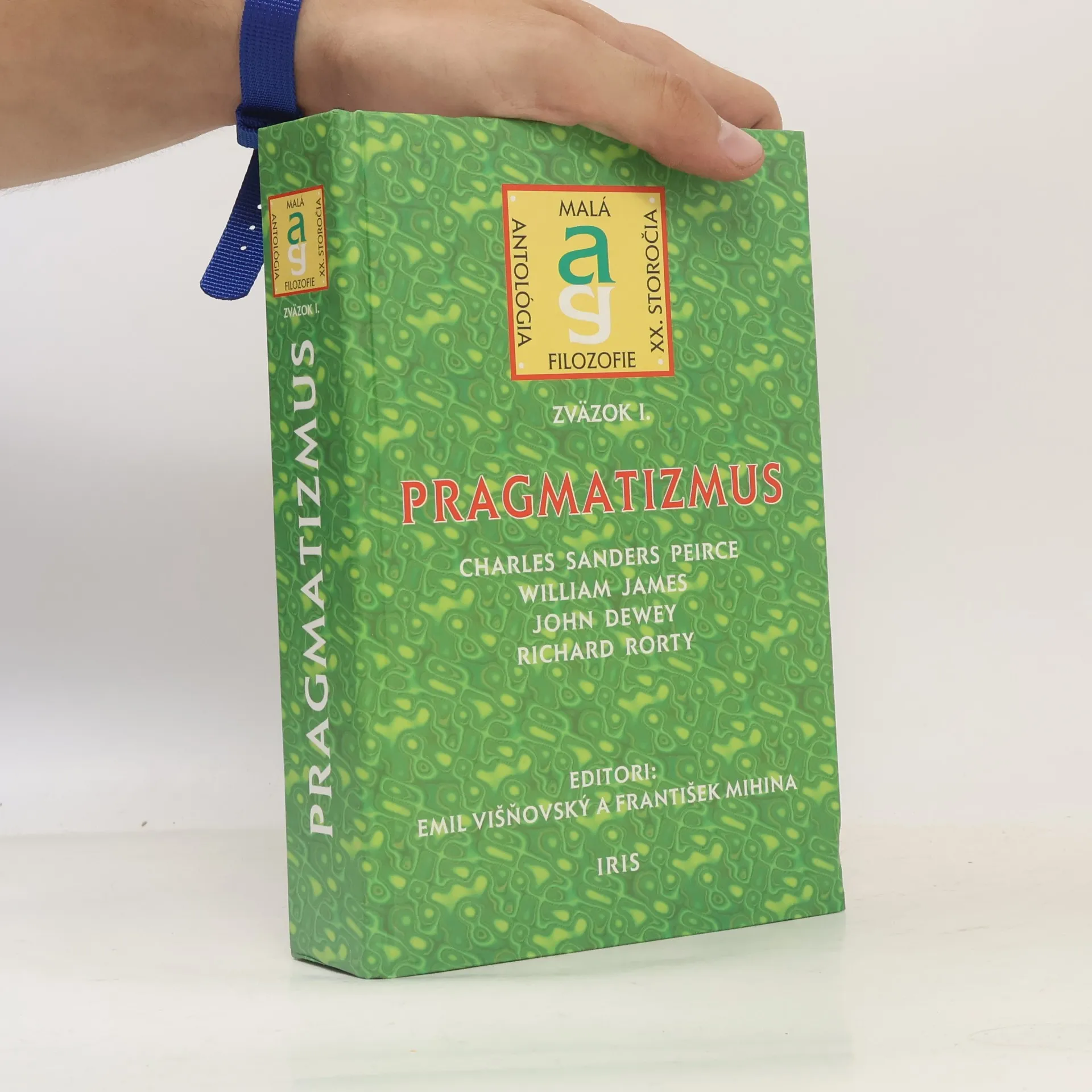
    • Pragmatizmus

      • 569 pages
      • 20 hours of reading

      Obsah: Predhovor k Malej antológii filozofie 20. storočia (František Mihina - Emil Višňovský) PRAGMATIZMUS VČERA A DNES (Emil Višňovský — František Mihina) Klasický pragmatizmus CHARLES SANDERS PEIRCE (František Mihina) — Upevňovanie viery — Ako vyjasniť naše idey — Princípy fenomenológie — Základy pragmatizmu — Logika ako semiotika: teória znakov — Filozofia a vedy: klasifikácia — Uniformita WILLIAM JAMES (František Mihina) — Prúd myslenia — Existuje „vedomie“? — Radikálny empirizmus — Pragmatizmus a radikálny empirizmus — Pragmatizmus a zdravý rozum — Pragmatistická koncepcia pravdy — Pragmatistický výklad pravdy a jeho nesprávne pochopenia — Pragmatizmus a humanizmus — Pragmatizmus a náboženstvo — Vôľa veriť JOHN DEWEY (Emil Višňovský) — Prečo študovať filozofiu? — Filozofia a americký národný život — Vplyv darvinizmu na filozofiu — Vplyv pragmatizmu na výchovu — Filozofia výchovy — Potreba obnovy filozofie — Skúsenosť a filozofická metóda — Súkromné a verejné — Indivíduum v kultúrnej kríze — Únik z ohrozenia — Model skúmania — Budúcnosť filozofie v nalej ére vedy (Jej rola nikdy nebola väčšia) Neopragmatizmus RICHARD RORTY (Emil Višňovský) — Čo je pragmatizmus — Pragmatizmus a filozofia — Pragmatizmus je politický skrz-naskrz Vybraná bibliografia k štúdiu filozofie pragmatizmu Edičná poznámka Menný register... celý text

      Pragmatizmus