From the award-winning translators of Crime and Punishment, Richard Pevear and Larissa Volokhonsky.Based on a real-life crime which horrified Russia in 1869, Dostoevsky intended his novel to castigate the fanaticism of his country's new revolutio
Daniel Nothafft steht zwischen zwei Frauen: Der hochbegabte Musiker heiratet die spröde Gertrud, doch seine eigentliche Liebe gehört ihrer Schwester, der lebenslustigen Lenore. Dem Künstler zuliebe führen sie eine "Ehe zu dritt". Das unglückselige Dreiecksverhältnis wird zum Skandal, Daniel zum Gespött der Stadt: Die Nürnberger nennen ihn "das Gänsemännchen", nach der berühmten Brunnenfigur, die zwei Gänse in den Armen hält. Schließlich ist die Katastrophe nicht mehr aufzuhalten; eine der Schwestern wählt den Freitod. Feinfühlig schildert Jakob Wassermann das Spannungsverhältnis zwsichen genialischer Künstlernatur und bürgerlicher Gesellschaft: Sowhl Publikum als auch Kritik waren von dem 1915 publizierten Nürnberg-Roman begeistert: Ein Werk, das sich "turmhoch über so ziemlich die ganze Romanliteratur der letzten Jahre hinaushebt", urteilte Lion Feuchtwanger.
Thomas Bernhard, one of the most distinct, celebrated, and perverse of 20th
century writers, took his own life in 1989. Perhaps the greatest Austrian
writer of the 20th century, Bernhard's vision in novels like Woodcutters was
relentlessly bleak and comically nihilistic.
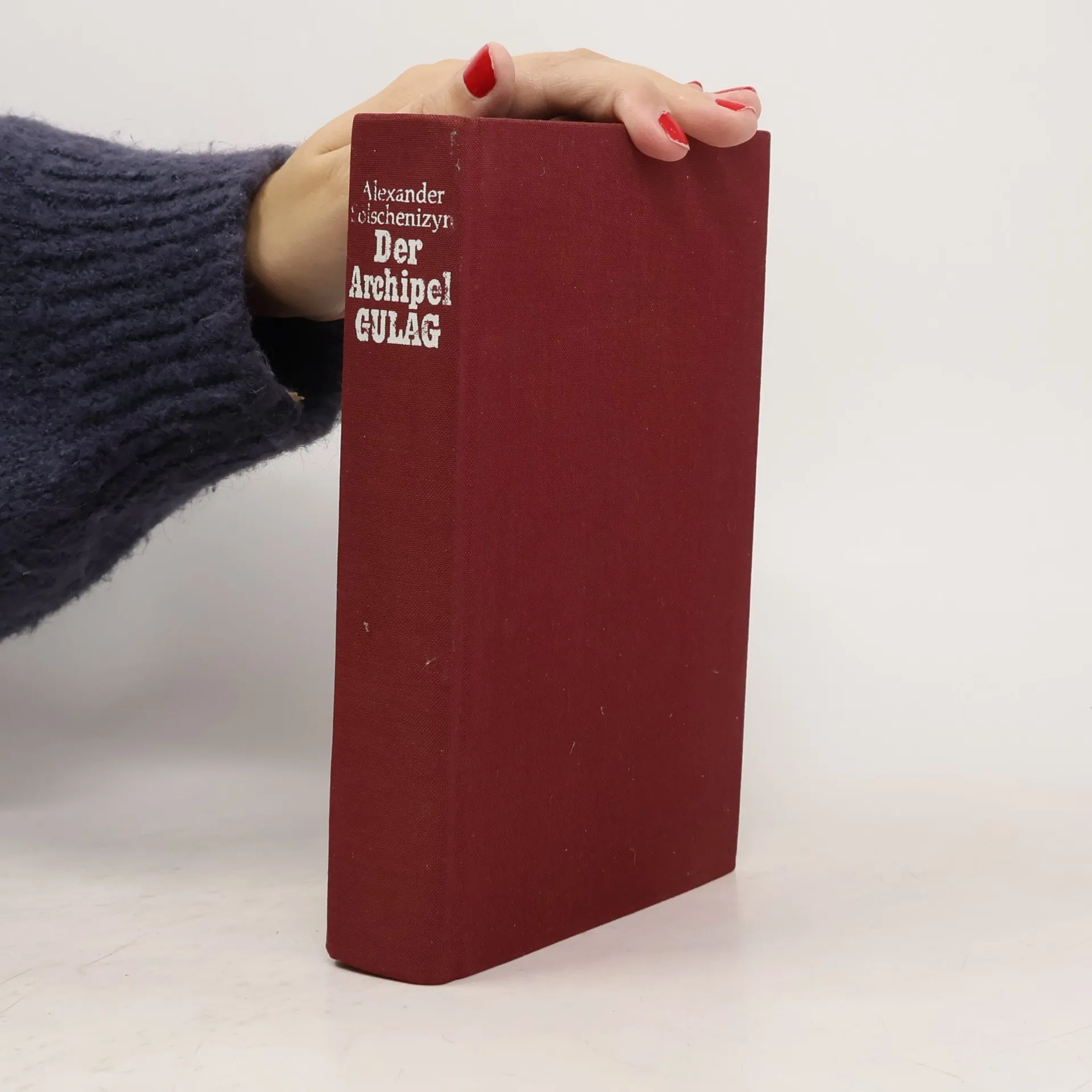
Die Seiten sind sauber, hell und fest. Abnutzung an den Kanten und Enden des Covers sowie Dellen an den Enden. Risse an den Enden des Rückens und ein Brandfleck auf dem Cover an der Kante.
The grim and horrifying background of this book is the giant prisoner-of-war camp at Stalingrad, with it thousands of German prisoners. It is the tragic story of a band of medical men who, in the icy winters and under primitive conditions, with insufficient instruments, cut off from all medical supplies, almost starving, without hope for themselves, knew only one duty – to help others. Many people have co-operated on this work, including former German prisoners of war whose experiences the author has collected during years of research to produce this book, written in the terse, hard, and realistic language the subject demands.
'Anyone who murdered Colnonel Protheroe, ' declared the parson, brandishing a carving knife above a joint of roast beef, 'would be doing the world a favour!' It was a careless remark for a man of the cloth. And one which was to come back and haunt the clergyman just a few hours later - when the Colonel is found shot dead in the clergyman's study. But as Miss Marple soon discovers, the whole village seems to have had a motive to kill Colonel Protheroe. -- back cover
In 1969, Harold Robbins began his "trilogy of greed" with The Inheritors, a tell-all novel about the entertainment industry. Spanning the years 1955 to 1965, and based on the lives of actual network executives and movie moguls, the novel exposes the sex, power, and politics of mass media. Steve Gaunt is working hard to build his television empire. He's a visionary and a bit of a rebel, making him a hit, both in the ratings and with beautiful women. Sam Benjamin, meanwhile, is building his career through the movies. When they join forces, the partnership has the potential to make them very wealthy and powerful. But it's a dirty business and a rogue industry, and friendships can fall in a heartbeat when money is on the line. In its initial publication, The Inheritors was a timely indictment of an industry on fire. Today, it is a fascinating look back at a time when television was just coming into its own, and how the movie industry dealt with this new threat.
Pressures for transformational change have become a regular feature of most fields of human endeavour. Master-thinkers and visionaries alike reframed existing divisions as connecting relationships, bringing together as dynamic systems the supposed opposites of parts and wholes, stability and change, individuals and society, and rational and creative thinking. This reframing of opposites as interconnected wholes led to realisation of the power of a collective mind. This book offers ways and means of creating the synergies that are crucial in harnessing that power towards a desired transformational change to a just and sustainable future. It describes how and why our current decision-making on any complex issue is marked by clashes between the different interests involved. In particular, the book pursues ways of bringing together government, specialised and community interests at the local, regional and personal scales in a collective transformation process. Practical examples signal the emergence of a new knowledge tradition that promises to be as powerful as the scientific enlightenment Written in accessible language, this book will be insightful reading for anyone struggling with transformational change, especially researchers, students and professionals in the fields of administration, governance, environmental management, international development, politics, public health, public law, sociology, and community development.
This is the story of an enchantment and its dramatic consequences. At the centre is the frustrated love of a man in his forties for a fourteen-year-old girl whom he meets and befriends. Drawn into her strange family and the haunting world of Childwold, he discovers that, while others find freedom for themselves, for him there is no escape. (From cover) "[A] blowsy mother whose many children have many fathers; her 14-year-old daughter, Laney, and Kasch, an anguished intellectual who loves them both...The novel's tight Oedipal triangle opens into a triple alliance against age and aggression as each person tries to turn the biological clock back towards innocence. Laney's mother wants to bear children to narrow the world to a child's room. Laney starves herself to stop her menstrual cycle and prolong her childhood. Kasch in his insanity is harmless, nonsexual, helpless...Drawn by his vulnerability in the same way that Kasch was drawn by her poverty, Laney may cling to Kasch and he to her as children cling together in the dark." (New York Times, 11/28/76)