
Explore the latest books of this year!
Bookbot

Douglas P. Fry Books

    T. S. Eliot
    Beyond War
    • Beyond War

      The Human Potential for Peace

      • 352 pages
      • 13 hours of reading

      The classic opening scene of 2001, A Space Odyssey depicts an ape-man using a bone as a weapon, reinforcing the notion of humans as inherently violent. However, Douglas P. Fry argues in Beyond War that our ancient ancestors were not innately warlike, nor are we. For about ninety-nine percent of our history, humans lived in egalitarian hunter-gatherer groups where generosity was valued and warfare was rare. Fry utilizes archaeology and fieldwork on hunter-gatherer societies worldwide to challenge the belief that war is ancient and inevitable. For example, among Aboriginal Australians—who existed in hunter-gathering groups before European contact—warfare was an extreme anomaly. While individual violence occurred, sophisticated methods of dispute resolution helped prevent loss of life. Fry emphasizes that warfare emerged relatively recently, linked to changes in social organization and the rise of states. Even today, despite the prevalence of war in media, most people lead peaceful, nonviolent lives. We are not as warlike as often portrayed, and by learning from our ancestors, we may transcend war and achieve real justice and security globally. This perspective offers a hopeful view of human nature and a positive outlook for a future without war.
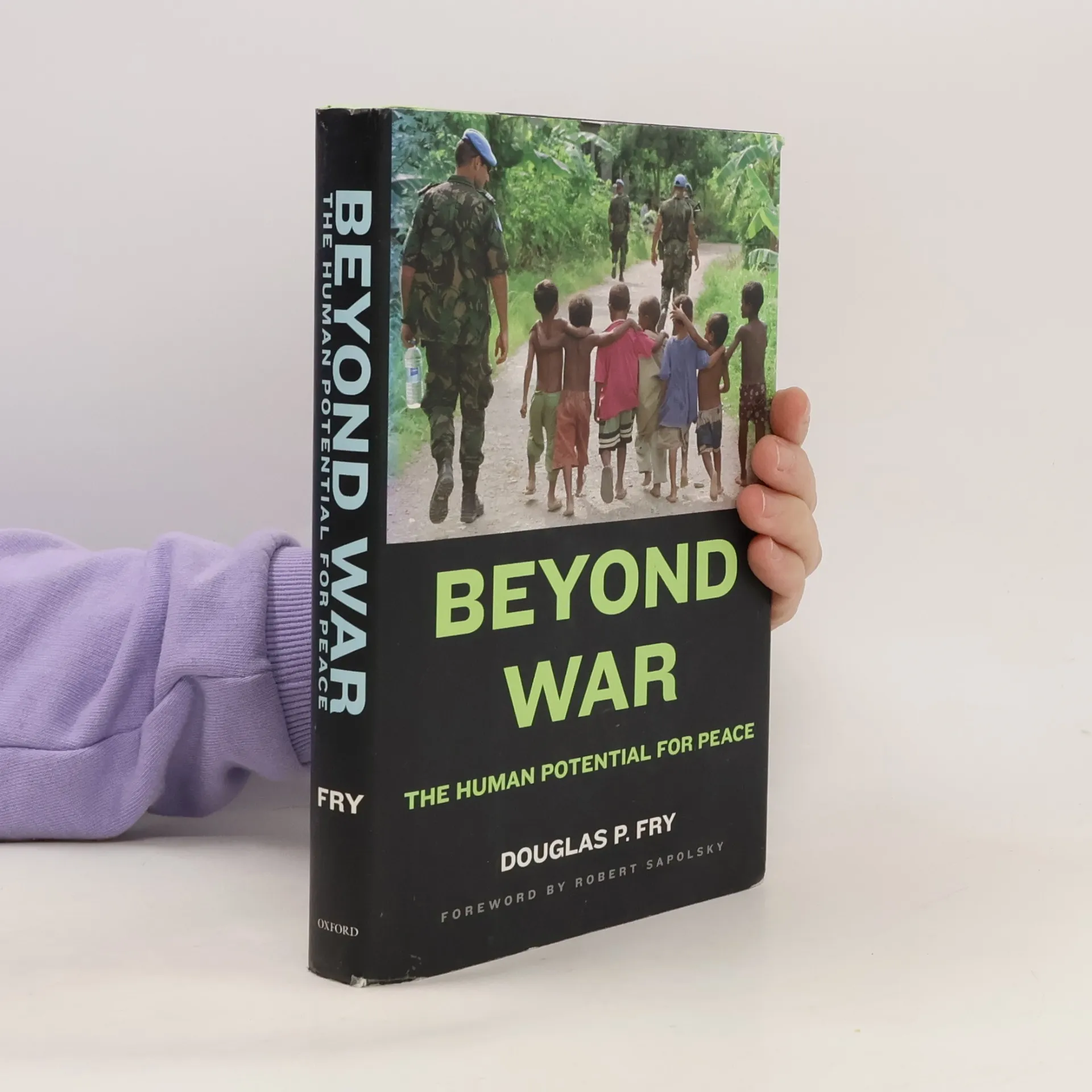
      Beyond War
    • T. S. Eliot

      • 224 pages
      • 8 hours of reading

      The Nobel Prize-winning poet T.S. Eliot, often perceived as obscure and difficult, is reexamined in this insightful exploration by prize-winning poet Craig Raine. Contrary to the belief that Eliot's work is forbiddingly learned and enigmatic, Raine reveals that his poetry, drama, and criticism form a unified and coherent body of work. Despite its originality and radical experimentation, Eliot's verse conveys meaning akin to more conventional poetry. Raine identifies a central theme—the buried life or failure of feeling—manifesting in diverse ways throughout Eliot's oeuvre. He highlights the tension between Eliot's desire "to live with all intensity" and his skepticism towards "violent emotion for its own sake." Through close readings of notable works such as "The Love Song of J. Alfred Prufrock," "Gerontion," "The Hollow Men," and "Ash Wednesday," Raine sheds light on this paradoxical figure: an anti-romantic realist troubled by emotional failure. The book features in-depth analyses of Eliot's masterpieces, "The Waste Land" and "Four Quartets," and explores his critical contributions, including key literary concepts like the objective correlative and dissociation of sensibility. Raine also addresses and refutes accusations of anti-Semitism against Eliot, making this volume essential for admirers of Eliot and lovers of modern literature alike.

      T. S. Eliot