
Explore the latest books of this year!
Bookbot

Ita Kovač Books

    Just like heaven
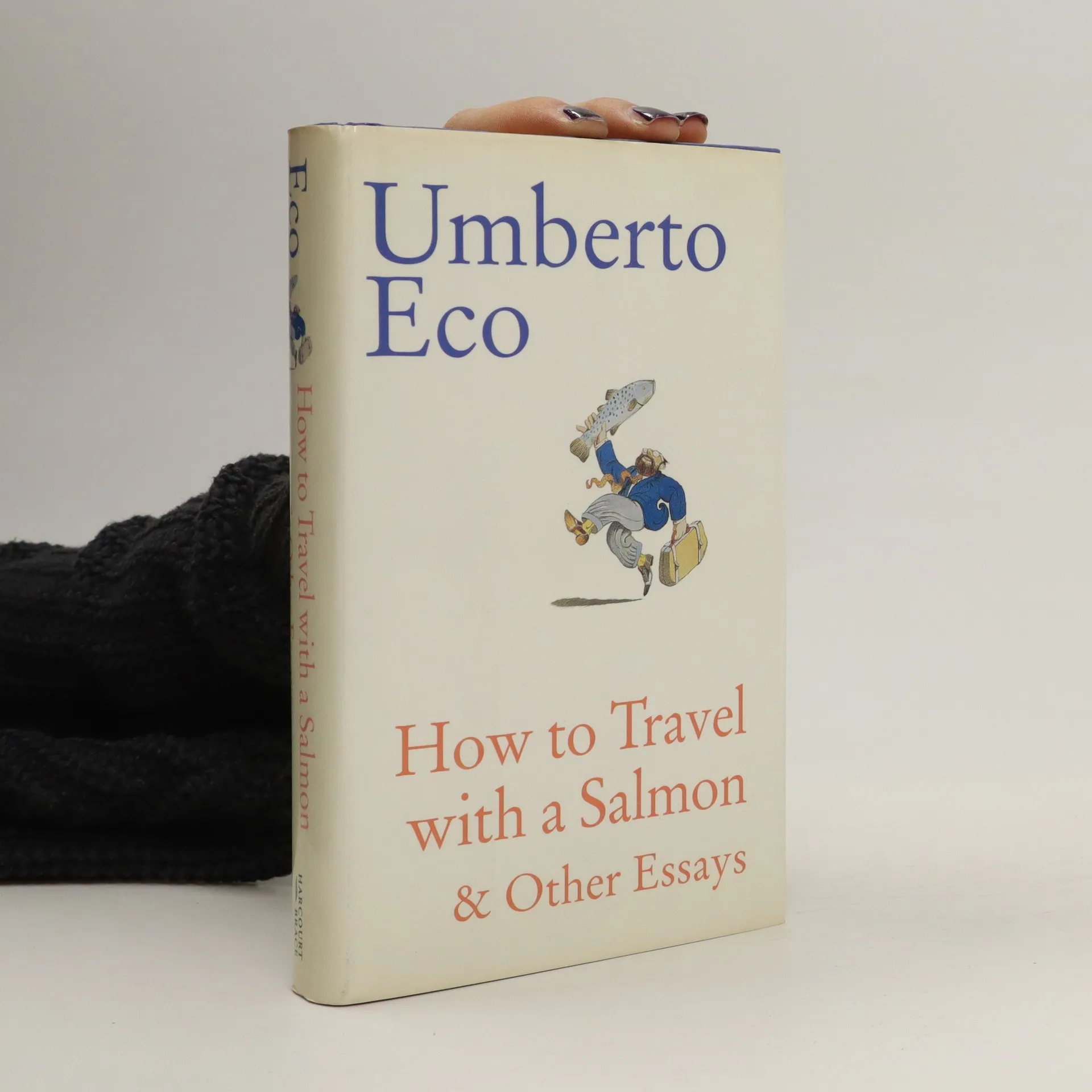
    How to Travel with a Salmon & Other Essays
    A Life Without End
    Tajna stare šume
    The Art of Losing
    The Postcard: The International Bestseller
    • The Postcard: The International Bestseller

      • 480 pages
      • 17 hours of reading

      In January 2003, the Berest family receives a mysterious postcard featuring the Opera Garnier and the names of relatives lost in Auschwitz: Ephraim, Emma, Noemie, and Jacques. Years later, Anne embarks on a quest to uncover the truth behind this postcard, tracing her ancestors' journey from Russia after the revolution to Latvia, Palestine, and Paris, through the war and its aftermath. This exploration reveals a gripping narrative that reshapes her understanding of her family, her country, and herself. The story intertwines family secrets with a poignant portrayal of mothers and daughters, set against the backdrop of 20th-century Parisian intellectual and artistic life. It depicts a family shattered by the Holocaust yet restored through love and the transformative power of storytelling. Reader reviews highlight the book's emotional depth and intricate structure, with many expressing how profoundly it moved them. It is described as a must-read, powerful, and important, emphasizing the significance of memory and reflection. This extraordinary narrative transcends mere words, resonating deeply with its audience and leaving a lasting impact.

      The Postcard: The International Bestseller
      4.6
    • "Naïma has always known that her family came from Algeria - but up until now, that meant very little to her. Born and raised in France, her knowledge of that foreign country is limited to what she's learned from her grandparents' tiny flat in a crumbling French sink estate: the food cooked for her, the few precious things they brought with them when they fled. On the past, her family is silent. Why was her grandfather Ali forced to leave? Was he a harki - an Algerian who worked for and supported the French during the Algerian War of Independence? Once a wealthy landowner, how did he become an immigrant scratching a living in France? Naïma's father, Hamid, says he remembers nothing. A child when the family left, in France he re-made himself: education was his ticket out of the family home, the key to acceptance into French society. But now, for the first time since they left, one of Ali's family is going back. Naïma will see Algeria for herself, will ask the questions about her family's history that, till now, have had no answers."--Publisher.

      The Art of Losing
      4.4
    • Tajna stare šume

      • 180 pages
      • 7 hours of reading

      Tri naraštaja žive u Staroj šumi: njezin skrbnik, stari Antonio, njegov sin Sebastiano, te dvanaestogodišnji Benvenuto, siroče i njihov baštinik. I mnoge životinje žive u Staroj šumi, i mnogi duhovi, čuvari stabala, a i vjetar Matteo. Svi oni postat će upleteni u Sebastianovu urotu kad on pokuša iskrčiti dio šume kako bi se obogatio i oteo Benvenutu dio njegove baštine… Alegorija za djecu znamenitog talijanskog pisca Dina Buzzatija posebna je ponajprije zato što je napisana još 1935. godine, a progovara o temama koje su više nego aktualne u današnjici. Ali on o njima zbori na način koji iz današnje perspektive djeluje jedinstveno i svježe – jezgrovito i jasno, a u isti mah očaravajuće starinski. Opstanak okoliša u Buzzatijevu djelu postaje temelj bezvremenske bajke.

      Tajna stare šume
      3.8
    • A Life Without End

      • 340 pages
      • 12 hours of reading

      Sapiens meets Dorian Gray in a brutal expose about life and mortality.

      A Life Without End
      3.3
    • How to Travel with a Salmon is a highly engaging collection of what Umberto Eco calls his diario minimo - minimal diaries - after the magazine column in which he began "pursuing the pathways of parody.". These essays, written in the late eighties and early nineties, are his playful but unfailingly accurate takes on militarism, computer jargon, Westerns, art criticism, librarians, bureaucrats, meals on airplanes, Amtrak trains, bad coffee, maniacal taxi drivers, express mail, 33-function watches, fax machines and cellular phones, pornography, soccer fans, academia, and - last but definitely not least - the author's own self. How to Travel with a Salmon gives us Umberto Eco's acute vision of the absurdities of modern life.

      How to Travel with a Salmon & Other Essays
      3.9
    • "What do you do when you find a strange girl in your closet, particularly when she's surprised that you can even see her - and she can disappear and reappear at whim?

      Just like heaven
      3.6
    • Povijest 6

      Rani i razvijeni srednji vijek

      • 672 pages
      • 24 hours of reading

      U ranom srednjem vijeku Europa počinje jačati. Sve važniju ulogu počinju igrati razlike između kršćanskog i muslimanskog svijeta. A pojavljuje se i sila na koju nitko nije računao: Mongoli, a nakon njih i Vikinzi i Normani. U tom periodu dolazi do niza križarskih ratova i provođenja inkvizicije od strane Crkve, koji su do danas ostali najtamnija mrlja na njezinoj povijesti. Kada je riječ o uređenju društva, u srednjem vijeku se razvija vlastelinstvo i feudalna struktura. Crkva jača i uspostavlja se institucija papinstva. Na svjetskoj karti pojavljuju se nova moćna carstva i narodi: jačaju feudalne monarhije Francuska i Engleska, a stvoreno je i Njemačko kraljevstvo. Za početak srednjeg vijeka uzima se propast Zapadnog rimskog carstva, koja se dogodila u 5. stoljeću, i osnivanje prvih barbarskih država germanskih naroda. Kraj srednjeg vijeka označava Kolumbovo otkriće Amerike 1492. godine: tada počinje ono što zovemo Novi vijek.

      Povijest 6
    • Asterix

      Veliko putovanje

      • 47 pages
      • 2 hours of reading

      Još jedna epizoda o Galu Asterixu i njegovim prijateljima - Obelixu, Čudomixu, Vrhovnixu, Tamburixu a naravno i neprijateljima koji u ovom slučaju nisu onakvi Rimljani na koje smo i mi i Gali naučili. Asterix i Obelix kreću u ribolov, a morska oluja odbaci ih čak na obalu Amerike. Oni niti ne slute gdje su se obreli, pa za Indijance misle da su posebno kostimirani Rimljani. Udruživši pamet i snagu, naši junaci se zahvaljujući Vikinzima koji se takođe vrzmaju u tom prostoru vraćaju kući u Galiju i kraj vatrice raspredaju priče o "nekoj vrsti rimske kolonije... nekoj vrsti otoka... otoka prepunog gluglua..."

      Asterix