A strange, compelling fable about Europe, capitalism and the human heart. Vatanescu, an impoverished construction worker, wants a future for himself and a pair of football boots for his son. So he decides to head north to a cold, dark country where there is money to be made...
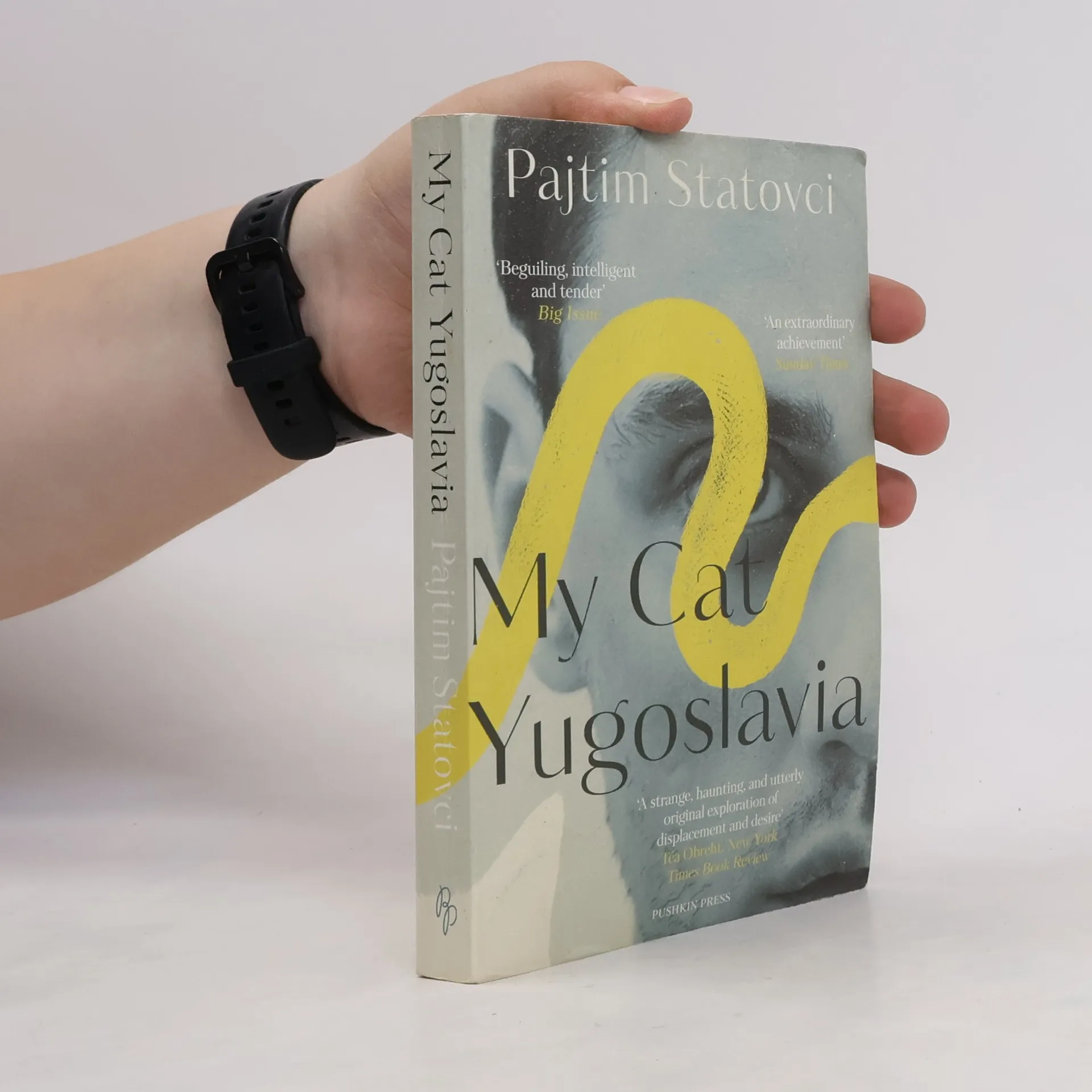
Yugoslavia, 1980s: a 16-year-old Muslim girl named Emine is married off to a man she hardly knows. But what was meant to be a happy match soon goes terribly wrong. Her country is torn apart by war and she flees with her family. Decades later Emine's son, Bekim, has grown up a social outcast in Finland; both an immigrant in a country suspicious of foreigners, and a gay man in an unaccepting society. Aside from casual hookups, his only friend is a boa constrictor whom he lets roam his apartment - even though he is terrified of snakes. But one night in a gay bar, Bekim meets a talking cat who moves in with him and his snake. This witty, charming, manipulative creature starts Bekim on a journey back to Kosovo to confront his demons and make sense of the remarkable, cruel history of his family. It is a journey that will eventually lead him to love
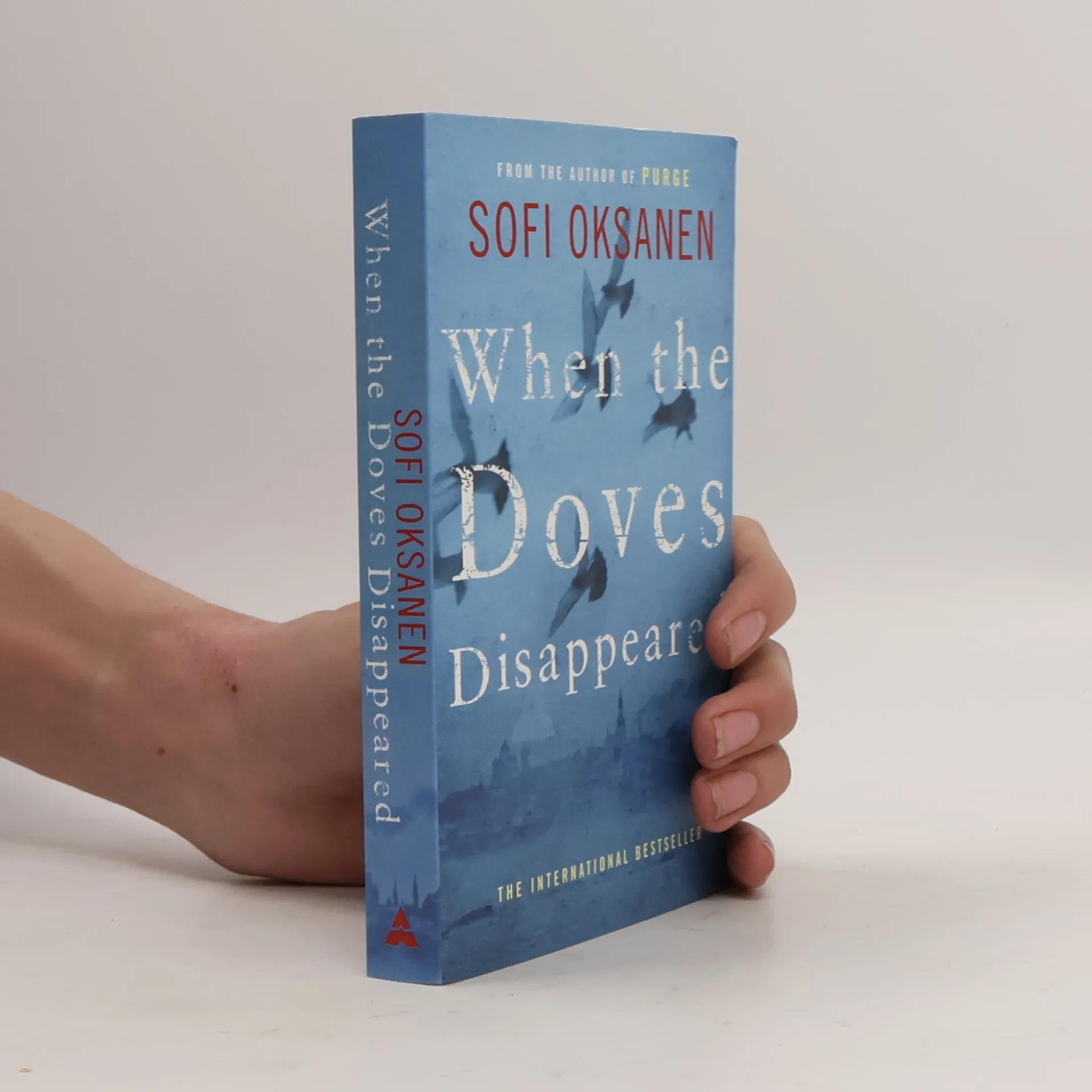
From the acclaimed author of Purge (“a stirring and humane work of art” —The New Republic) comes a riveting, chillingly relevant new novel of occupation, resistance, and collaboration in Eastern Europe. 1941: In Communist-ruled, war-ravaged Estonia, two men are fleeing from the Red Army—Roland, a fiercely principled freedom fighter, and his slippery cousin Edgar. When the Germans arrive, Roland goes into hiding; Edgar abandons his unhappy wife, Juudit, and takes on a new identity as a loyal supporter of the Nazi regime . . . 1963: Estonia is again under Communist control, independence even further out of reach behind the Iron Curtain. Edgar is now a Soviet apparatchik, desperate to hide the secrets of his past life and stay close to those in power. But his fate remains entangled with Roland’s, and with Juudit, who may hold the key to uncovering the truth . . . Great acts of deception and heroism collide in this masterful story of surveillance, passion, and betrayal, as Sofi Oksanen brings to life the frailty—and the resilience—of humanity under the shadow of tyranny.
U šumi je pao prvi snijeg i sve životinje krenule su na sanjkanje. Mali miš više od svega na svijetu želio se sanjkati s ostalima, ali nije imao sanjke. Tužno je promatrao vrh brijega s kojeg su se čuli dječji smijeh i vrištanje, te svjetlucao snijeg koji je prštao iza sanjki.I mrzovoljna stara kornjača nije se sanjkala. Ona je stajala u podnožju brda i ljutito promatrala graju na vrhu brda. A onda je čula potiho šmrcanje i u snježnom nanosu pored sebe primijetila je mišića.Kada je čula što ga tišti, kornjača mu obeća da će mu ispuniti želju ako joj pomogne da se popne na vrh brda. Kornjača je bila vrlo stara i penjala se sporo, tako da je put do vrha dugo trajao.No nagrada je bila vrijedna toga, jer su pomogli jedno drugome i proveli najljepši dan u životu penjući se i spuštajući niz brijeg.Ovo je topla zimska priča koja govori kako možemo pomoći jedni drugima u ostvarenju želja i ciljeva. Prikazuje kako su nesebičnost i pomaganje drugima vrlo vrijedne vrline koje valja posjedovati.