Explore the latest books of this year!
Bookbot

Rinaldo Bellomo Book order (chronological)

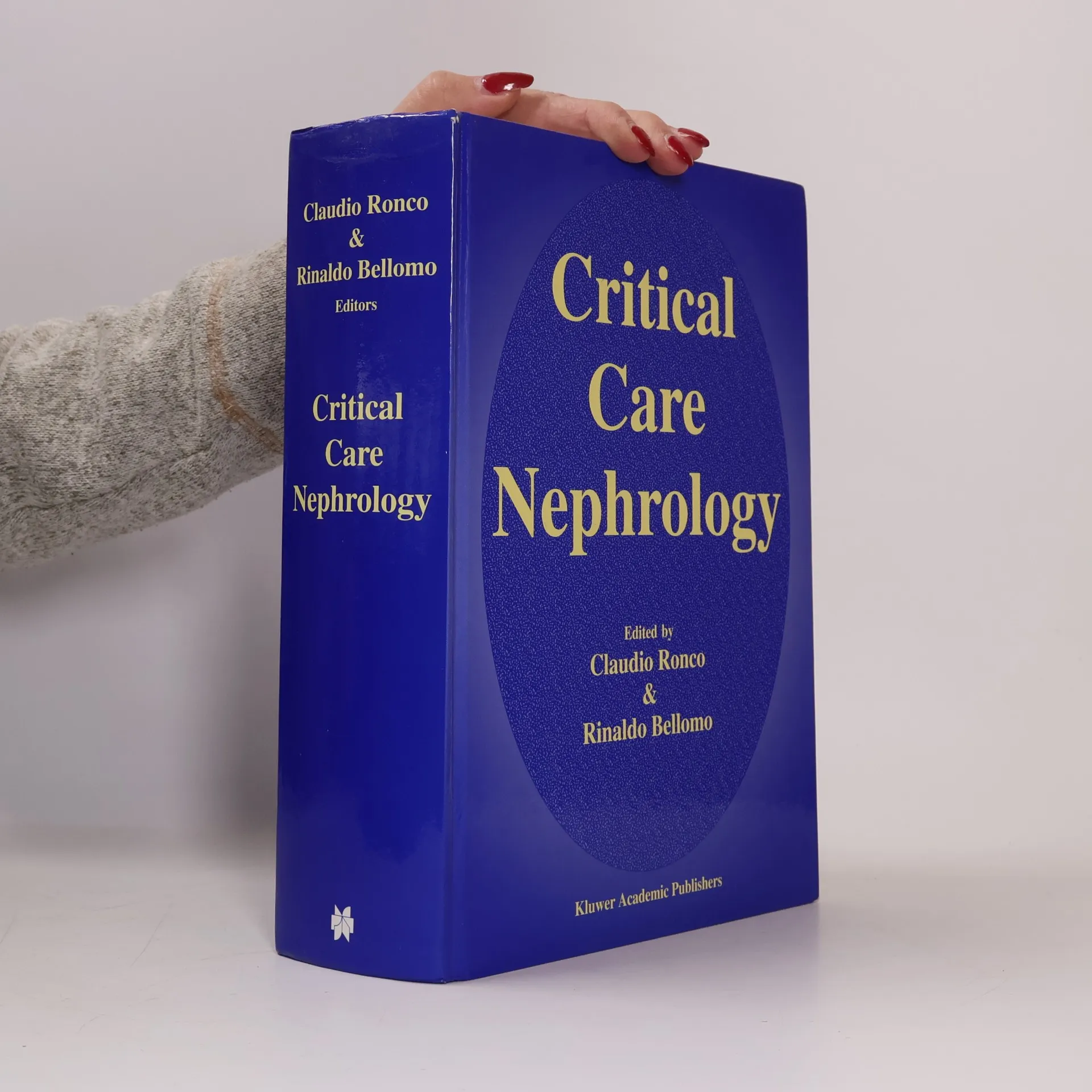
    Critical Care Nephrology
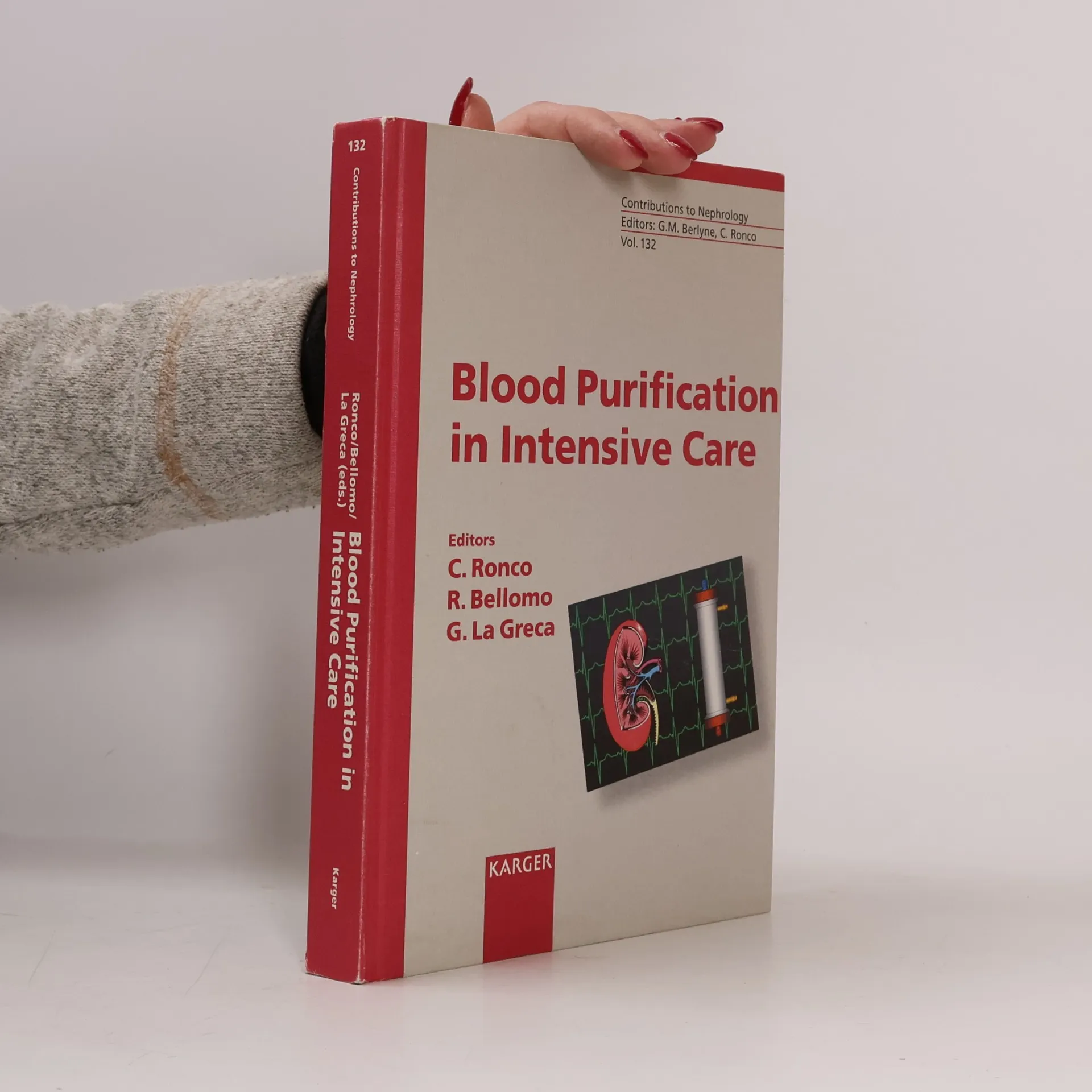
    Contributions to Nephrology - 132: Blood Purification in Intensive Care
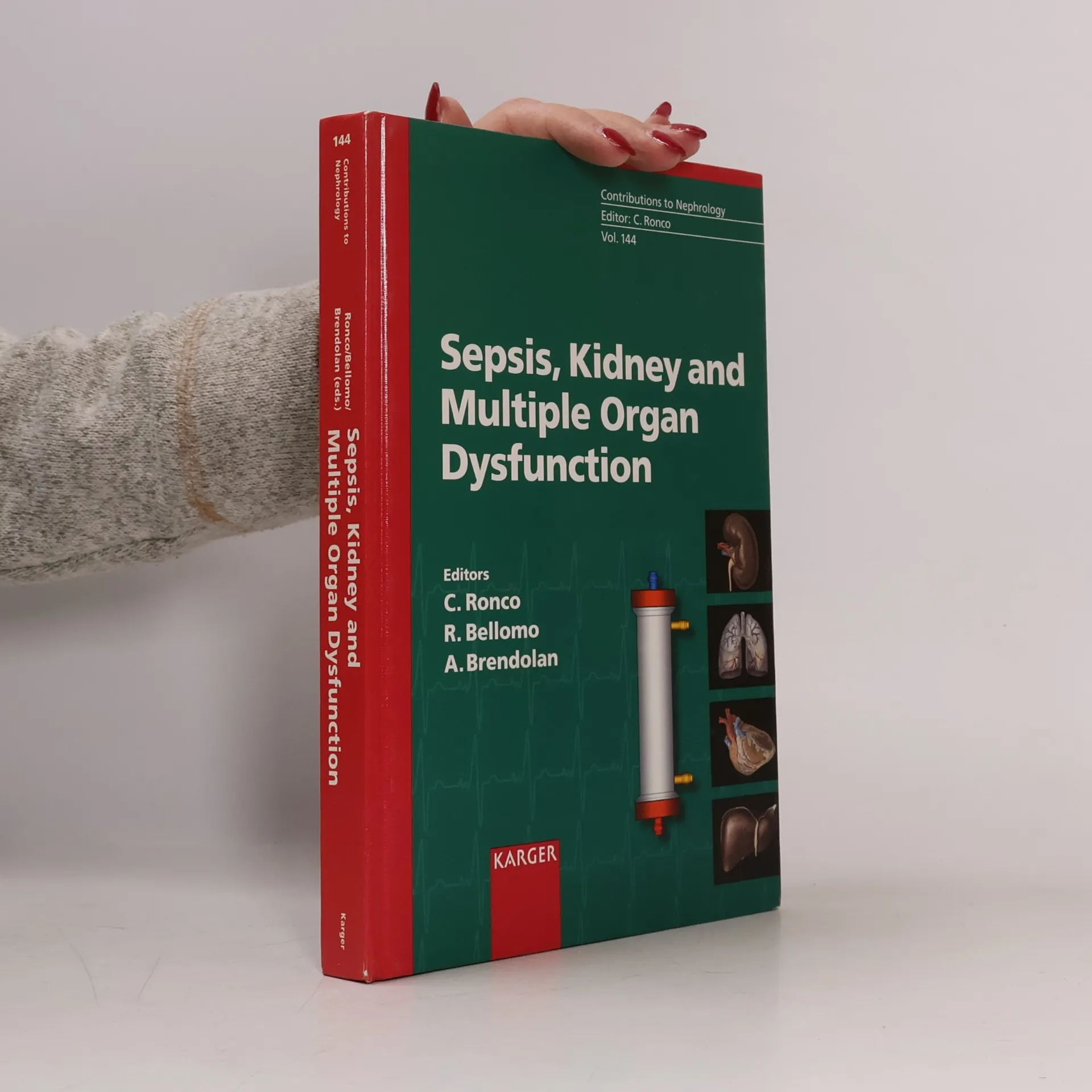
    Contributions to Nephrology - 143: Sepsis, Kidney And Multiple Organ Dysfunction
    Contributions to Nephrology - 156: Acute Kidney Injury
    • Acute kidney injury is characterized by sudden changes in serum creatinine and urine output, affecting many ICU patients. Despite its prevalence, treatment options remain limited, and understanding of the condition is still developing. This volume features insights from an interdisciplinary panel of experts who explore various facets of the disorder, including pathophysiology, treatment, emerging biomarkers, and genetic polymorphisms. Contributions also address immunological concerns and the complications arising from acute kidney injury in patients with co-morbid conditions, presenting both foundational knowledge and the latest advancements. Key technical aspects of extracorporeal therapies, such as vascular access, anticoagulation, and fluid composition, are discussed alongside different renal support strategies, including intermittent dialysis, continuous therapies, and hybrid techniques. The text concludes with an overview of advanced extracorporeal organ support methods and their significance in managing sepsis and acute kidney injury within the broader context of multi-organ failure. This volume not only summarizes current knowledge and technology but also fosters a deeper understanding of pathogenesis and anticipates future developments, prompting a re-examination of fundamental assumptions about critical illness and acute kidney injury.

      Contributions to Nephrology - 156: Acute Kidney Injury2007
    • Severe sepsis is a leading cause of death in the U.S. and the most common cause of mortality in Intensive Care Units globally, presenting significant challenges in critical care medicine. It severely impacts kidney function and other organs through complex mechanisms involving the immune response, inflammatory pathways, intracellular dysfunction, and hemodynamic instability. Effective management necessitates a deep understanding of general medicine, immunology, nephrology, extra-corporeal technology, fluid resuscitation, and critical care endocrinology. Nephrologists and intensive care specialists must be well-versed in the epidemiology of sepsis, mechanisms of injury, and recent insights into fluid resuscitation, acid-base physiology, and glucose control. Familiarity with new monitoring techniques for critically ill patients and advanced extra-corporeal blood purification therapies is also essential. Contributions from experts in intensive care medicine, nephrology, endocrinology, and immunology provide a cutting-edge perspective on developments that enhance the care of patients facing severe sepsis, acute renal failure, and multiple organ failure. This synthesis of fundamental knowledge and recent clinical and laboratory advancements serves as a valuable resource for professionals dedicated to the care of critically ill patients.

      Contributions to Nephrology - 143: Sepsis, Kidney And Multiple Organ Dysfunction2004
    • Contributions to Nephrology - 132: Blood Purification in Intensive Care

      2nd International Course on Critical Care Nephrology, Vicenza, May 2001

      • 430 pages
      • 16 hours of reading

      In the last twenty years, critical care medicine has been established as a specialty with its own therapies and procedures, with significant implications for clinical nephrology regarding severe acute renal failure. This typically multi-factorial condition is today predominantly seen in intensive care units. The complex knowledge and skills necessary to handle it have resulted in a field called Critical Care Nephrology, where nephrologist and intensivist either work side by side or have formally acquired expertise and training in both specialties. Extracorporeal renal replacement therapies, although originally used to treat end-stage renal disease patients, rapidly gained importance for acute patients. This has had far-reaching implications for the initiation and possible role of blood purification in the management of critically ill patients, widening the scope of interaction between the nephrologist and the intensivist. Experts in the field have contributed to the present book, providing a comprehensive review of the different blood purification techniques relevant in the intensive care unit in the case of multiple organ failure. The resulting mix of established knowledge and recent results from both clinical trials and basic research constitutes a valuable tool for all professionals involved in the care of the critically ill patient.

      Contributions to Nephrology - 132: Blood Purification in Intensive Care2001
    • Critical Care Nephrology

      • 1590 pages
      • 56 hours of reading

      Internists, surgeons, critical care physicians and nephrologists all treat critically ill patients with renal failure and the multiple system organ dysfunction syndrome. A comprehensive review of the state of the art of this topic is definitely needed both in academic and clinical medicine, and Critical Care Nephrology fulfils this need. It is a useful reference tool for both nephrologists and intensive care specialists and it is therefore no coincidence that the editors of the book are themselves specialists in these particular fields. The book addresses the following: definitions of critical illness, epidemiology, monitoring and diagnostic procedures, pathophysiology of organ systems in relation to kidney function, concepts of renal physiologic and pathologic responses to various derangements, oxygen transport and cardiovascular adaptations, hemodynamic parameters, respiratory parameters, mechanical ventilation and cardiac support, and severity score parameters. The book is also devoted to all forms of acute renal failure with specific reference to intensive care patients. The nature of the multiple organ dysfunction syndrome is discussed with special emphasis on the impact of different organs dysfunction and kidney failure. Kidney function and acute renal failure in patients with kidney, liver and heart transplants is also considered, as well as acute illness occurring in chronic hemodialysis patients. Special emphasis is placed on therapeutic interventions and treatment procedures. Different forms of organ support are discussed including liver, lung and cardiac therapy.

      Critical Care Nephrology1998