Explore the latest books of this year!
Bookbot

G.M. Berlyne Book order (chronological)

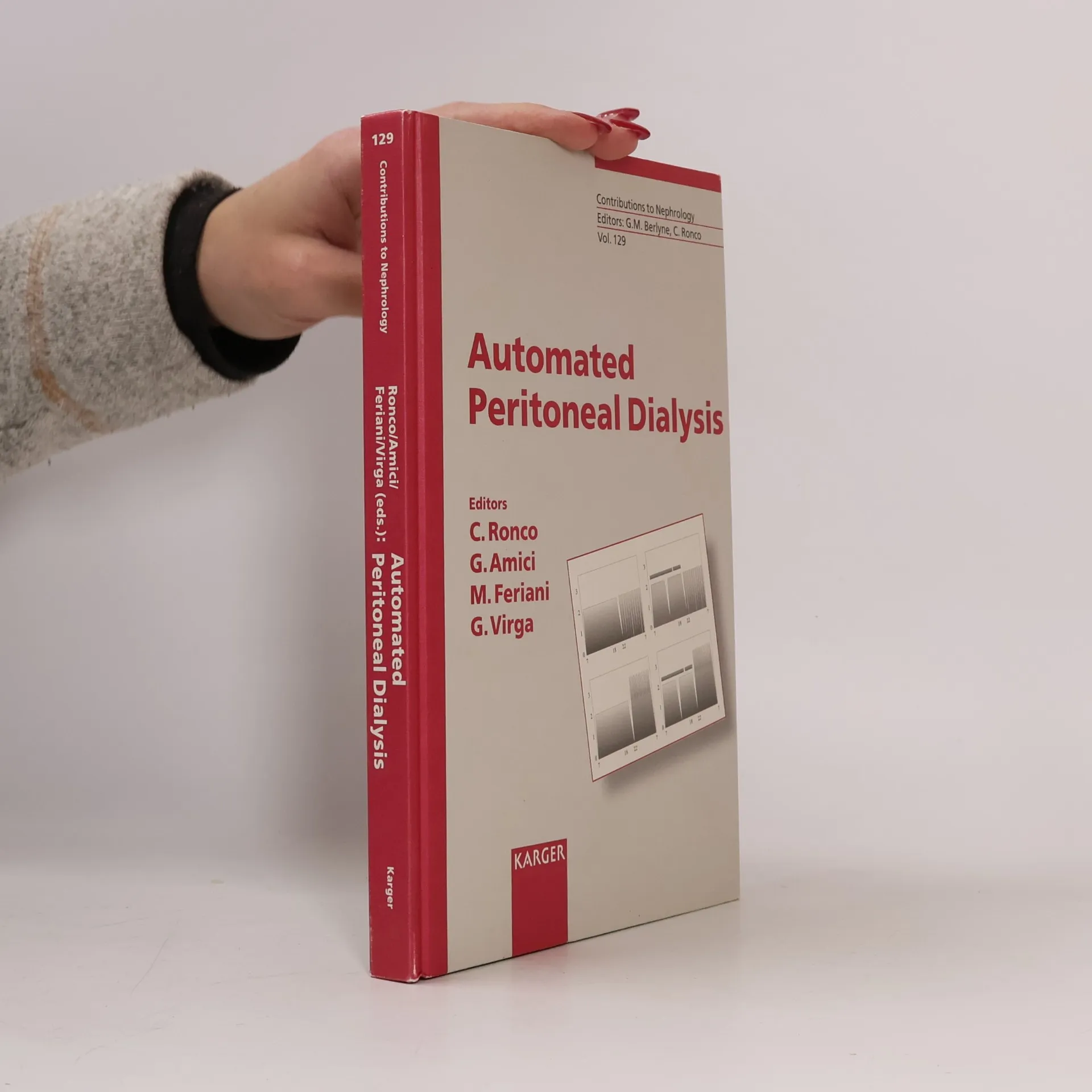
    Contributions to Nephrology - 129: Automated Peritoneal Dialysis
    Contributions to Nephrology - 137: Hemodialysis Technology
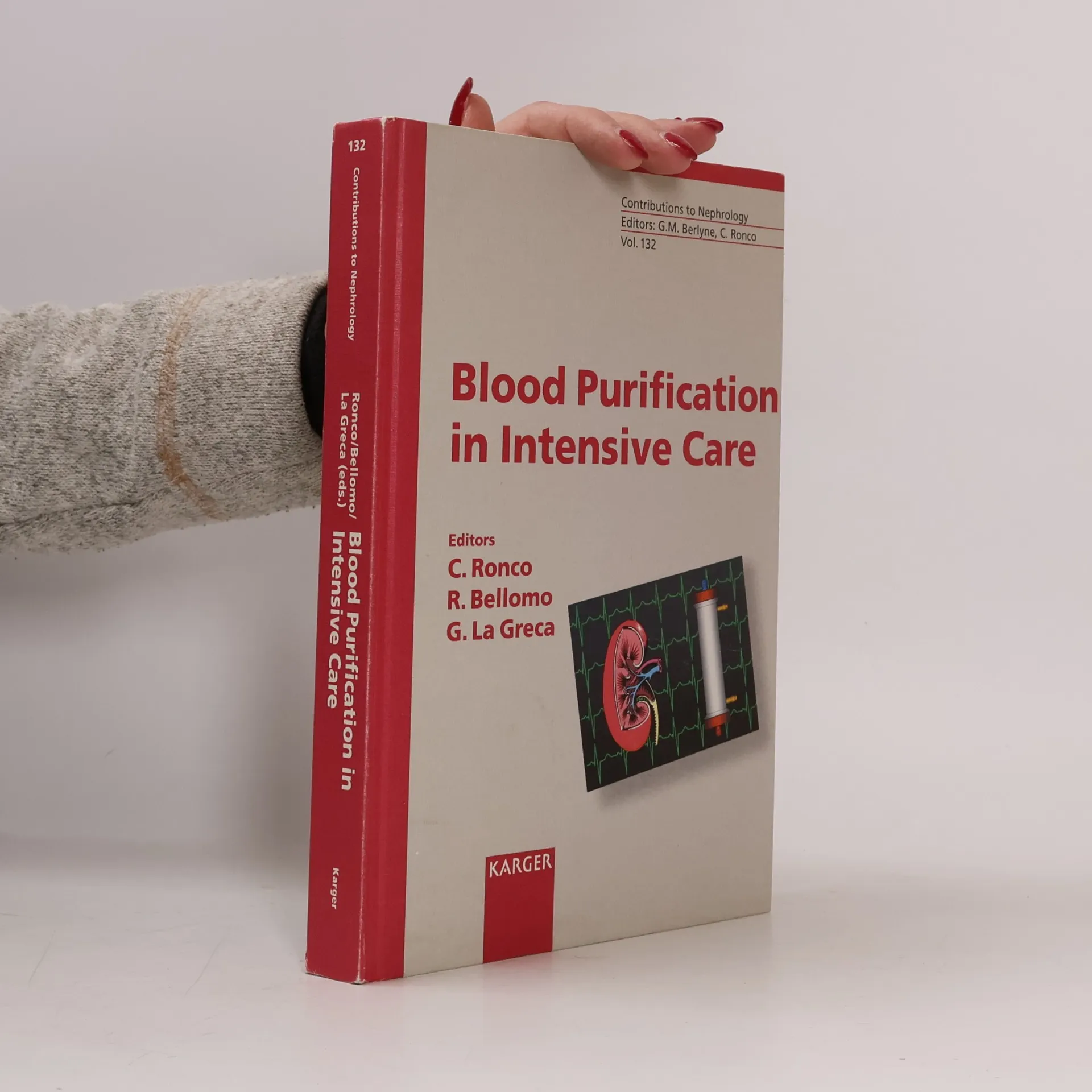
    Contributions to Nephrology - 132: Blood Purification in Intensive Care
    • This publication compiles papers from the 'First International Course on Hemodialysis Technology' held in Vicenza in June 2002. It addresses a broad spectrum of topics, including vascular access, monitoring access function, anticoagulation strategies, and antimicrobial treatments, particularly concerning temporary catheters and prosthetic devices. Experts and manufacturers discuss membrane composition, structure, sterilization methods, and performance, merging science, theory, and manufacturing processes. Similar integration occurs with hemodialyzers, adsorbent devices, dialysis techniques, and machines. A notable focus is on computer-assisted data collection and management, explored by specialists in electronic data management and large dialysis network managers, emphasizing quality assurance and continuous improvement programs. The purity of dialysate and water is highlighted as crucial for advanced techniques like online hemodiafiltration. Additionally, findings from the IDOPPS study inform discussions on practice patterns and anemia management. Future trends, including automatic sensors and biofeedback monitors, are also examined. This comprehensive overview of hemodialysis technology serves as a valuable resource for physicians and nurses for both education and information.
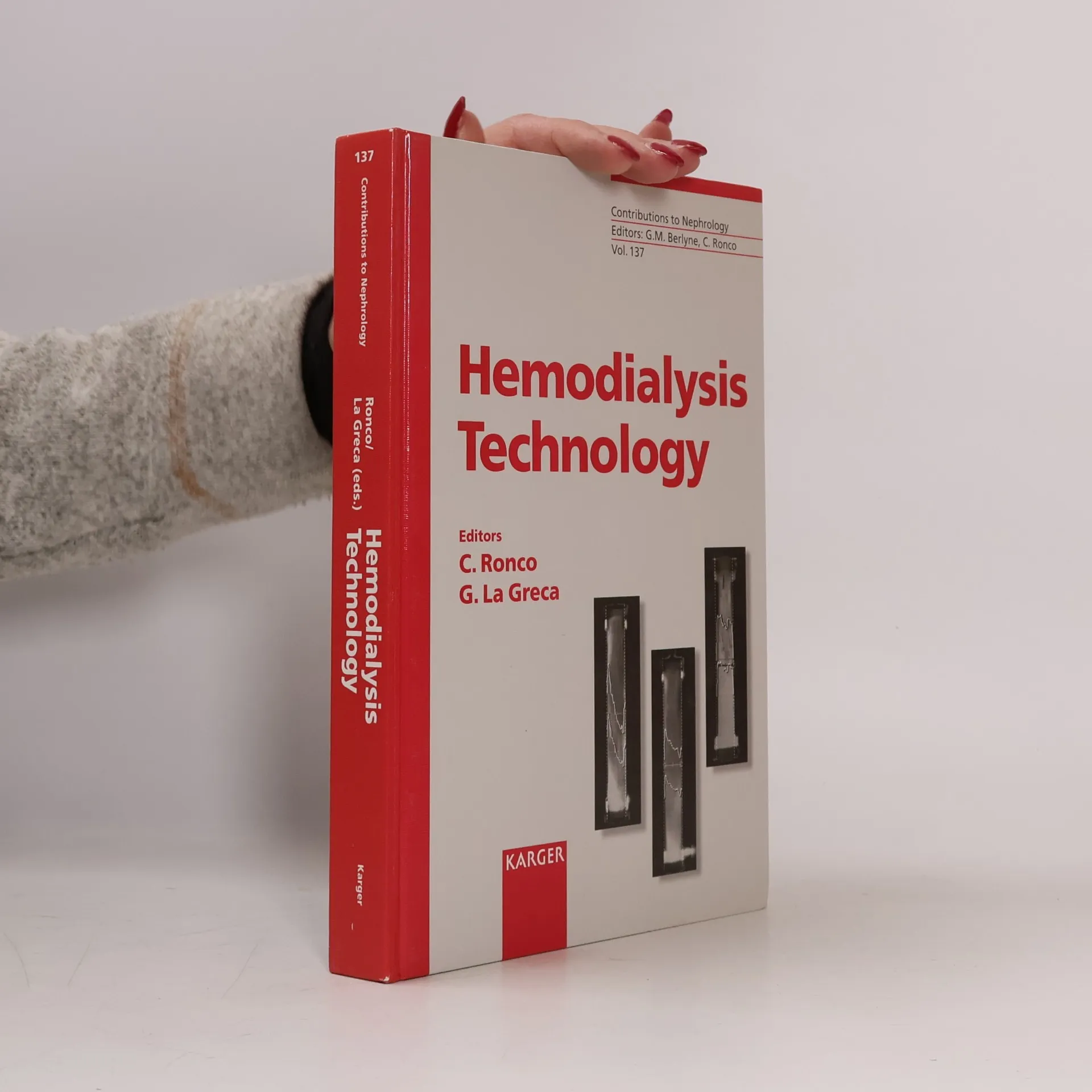
      Contributions to Nephrology - 137: Hemodialysis Technology2002
    • Contributions to Nephrology - 132: Blood Purification in Intensive Care

      2nd International Course on Critical Care Nephrology, Vicenza, May 2001

      • 430 pages
      • 16 hours of reading

      In the last twenty years, critical care medicine has been established as a specialty with its own therapies and procedures, with significant implications for clinical nephrology regarding severe acute renal failure. This typically multi-factorial condition is today predominantly seen in intensive care units. The complex knowledge and skills necessary to handle it have resulted in a field called Critical Care Nephrology, where nephrologist and intensivist either work side by side or have formally acquired expertise and training in both specialties. Extracorporeal renal replacement therapies, although originally used to treat end-stage renal disease patients, rapidly gained importance for acute patients. This has had far-reaching implications for the initiation and possible role of blood purification in the management of critically ill patients, widening the scope of interaction between the nephrologist and the intensivist. Experts in the field have contributed to the present book, providing a comprehensive review of the different blood purification techniques relevant in the intensive care unit in the case of multiple organ failure. The resulting mix of established knowledge and recent results from both clinical trials and basic research constitutes a valuable tool for all professionals involved in the care of the critically ill patient.

      Contributions to Nephrology - 132: Blood Purification in Intensive Care2001
    • While continuous ambulatory peritoneal dialysis (CAPD) has been the standard peritoneal procedure since the seventies, different schedules of automated peritoneal dialysis (APD) have emerged during the eighties. Today, APD is considered a valuable tool in the management of ESRD patients, together with CAPD and hemodialysis. However, despite its frequent use, APD has not yet been well assessed, and most pathophysiological and clinical studies on PD refer to CAPD. In this book, major experts in the field therefore discuss and evaluate the insights gained on APD up to now, presenting a comprehensive review of all experimental, technical and clinical aspects related to the various treatments grouped under the definition of APD. The recent developments presented are divided into four sections: membrane permeability, transport mechanisms and kinetic modeling applied to APD; prescription and adequacy of different APD treatment schedules; dialysis machines and solutions for APD, and, lastly, different clinical aspects such as the possibility to maintain APD program and residual renal function. Physicians involved in ESRD care, renal fellows and scientists both in the academic world and in the hospital setting will undoubtedly profit from this timely publication.

      Contributions to Nephrology - 129: Automated Peritoneal Dialysis1999