Nick Mann is a writer whose work delves into the complexities of human connection and the enduring impact of past experiences. Through his narratives, he explores how individuals navigate memory, trauma, and the search for meaning, often revealing the hidden layers beneath the surface of everyday life. His prose is characterized by its thoughtful pacing and keen observation, inviting readers to contemplate the intricate threads that bind us together and the ways in which we heal and grow from our deepest wounds.
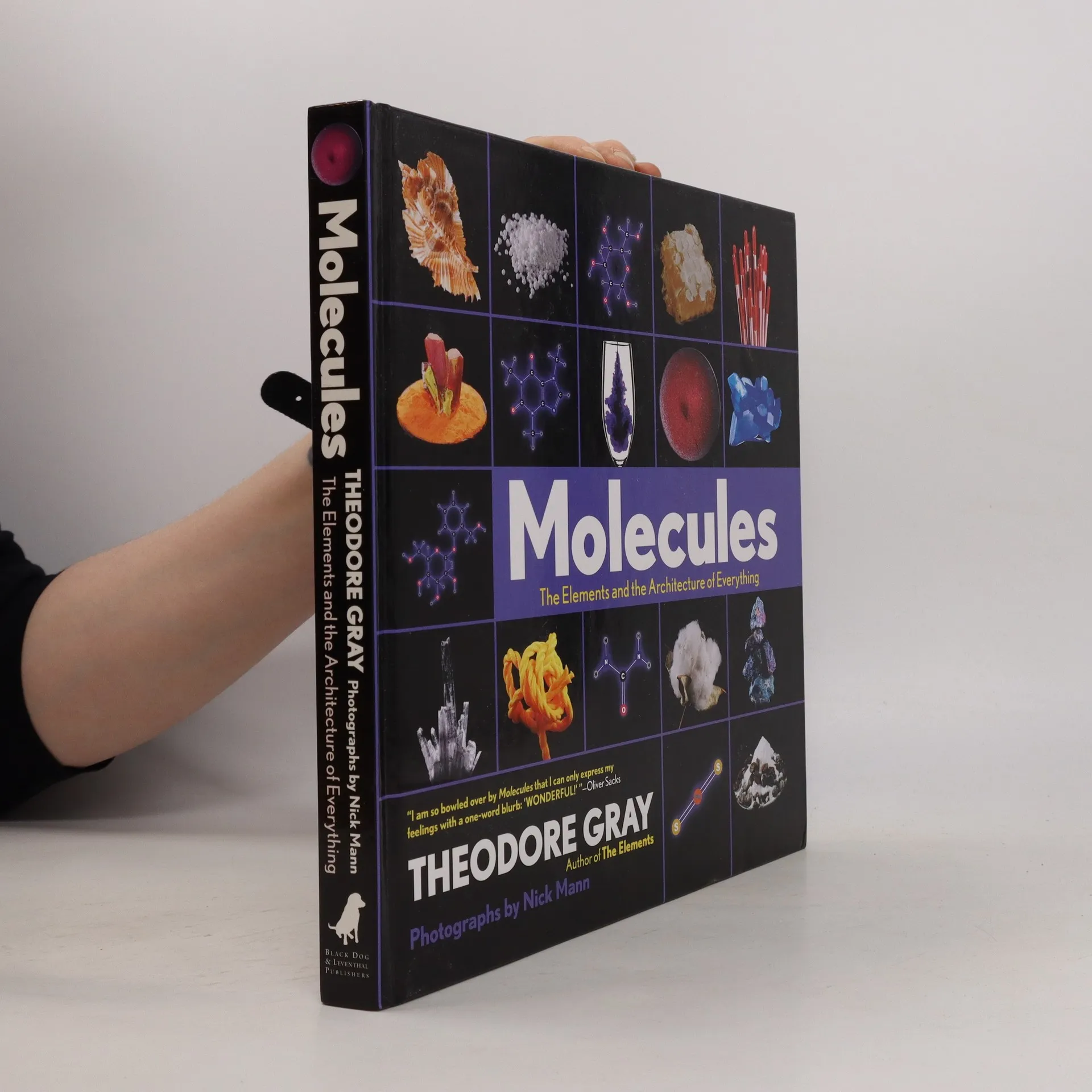
"Everything physical is made up of the elements and the infinite variety of molecules they form when they combine with each other. In [this book], Gray takes the next step in the grand story that began with the periodic table in his best-selling book The Elements ... Here, he explores ... the most interesting, essential, useful, and beautiful of the millions of chemical structures that make up every material in the world"--
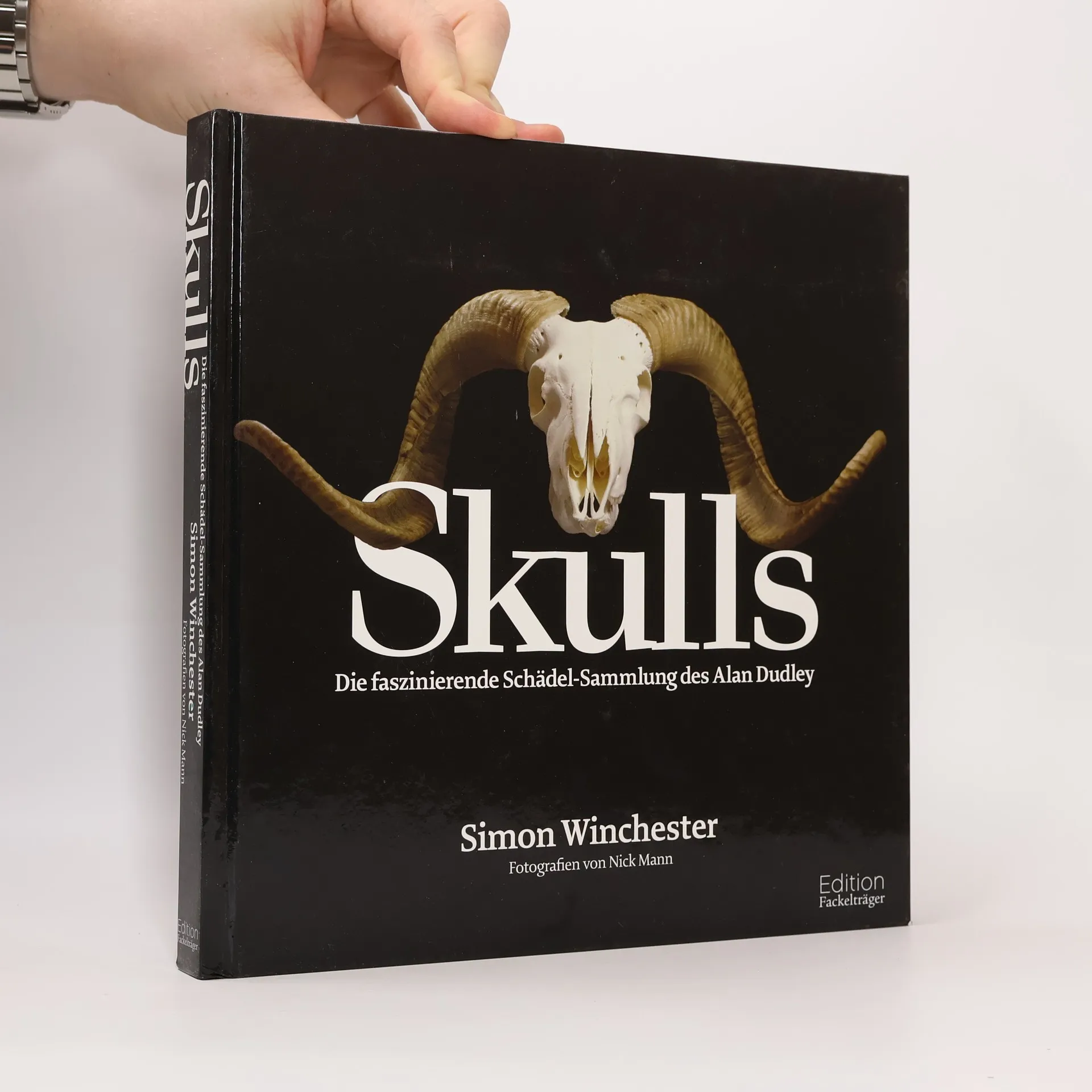
Schwelgen in makabrer Faszination! • Vom Erdferkel bis zum Roten Piranha, vom afrikanischen Löwen bis zum Runzelhornvogel über 300 faszinierenden Schädel aus der Sammlung Dudley in spektakulärer Aufnahmen • Klasse, Familie, Art erläuternde Kurzinfos zu wissenschaftlichen Eigentümlichkeiten, Einordnung, Ernährungs- und Verhaltensweisen der Tiere • Von Leonardo da Vinci bis Damien Hirst Geschichten und Geschichtliches über die Tradierung des Schädels in Kunst und Kultur Der Schädel ist seit jeher Symbol gegenwärtiger wie vergangener Existenz; er verströmt eine Aura der Gefahr, der Autorität, des Erhabenen. Wohl kein anderes biologisches Gebilde vermag die menschliche Psychologie derart zu packen wie diese hohle Knochenkugel. Simon Winchester blättert mit brillanter Erzählkunst die faszinierende Geschichte des Schädels auf und stellt einen Besessenen vor, der in lebenslanger Sammlerleidenschaft die wohl weltgrößte und umfassendste Privatkollektion von Tierschädeln zusammengetragen hat: Alan Dudley. Mehr hat als 2000 Schädel nennt er sein eigen, die er nahezu in Museumsqualität präpariert und katalogisiert hat. Über 300 der faszinierendsten Exponate seiner Sammlung werden in diesem packenden Bildband in verblüffend schönen Bildern und mit allen wesentlichen wissenschaftlichen Fakten vorgestellt.
With more than 1 million copies sold worldwide, The Elements is the most entertaining, comprehensive, and visually arresting book on all 118 elements in the periodic table.Includes a poster of Theodore Gray's iconic photographic periodic table of the elements!Based on seven years of research and photography by Theodore Gray and Nick Mann, The Elements presents the most complete and visually arresting representation available to the naked eye of every atom in the universe. Organized sequentially by atomic number, every element is visualized by a big beautiful photograph that most closely represents it in its purest form. Several additional photographs show each element in slightly altered forms or as used in various practical ways. Also included are fascinating stories of the elements, told in Theo Grays inimitable style, as well as data on the properties of each, including atomic number, atomic symbol, atomic weight, density, atomic radius, as well as scales for electron filling order, state of matter, and an atomic emission spectrum.This work of solid science and stunning artistic photographs is the perfect gift book for every sentient creature in the universe.
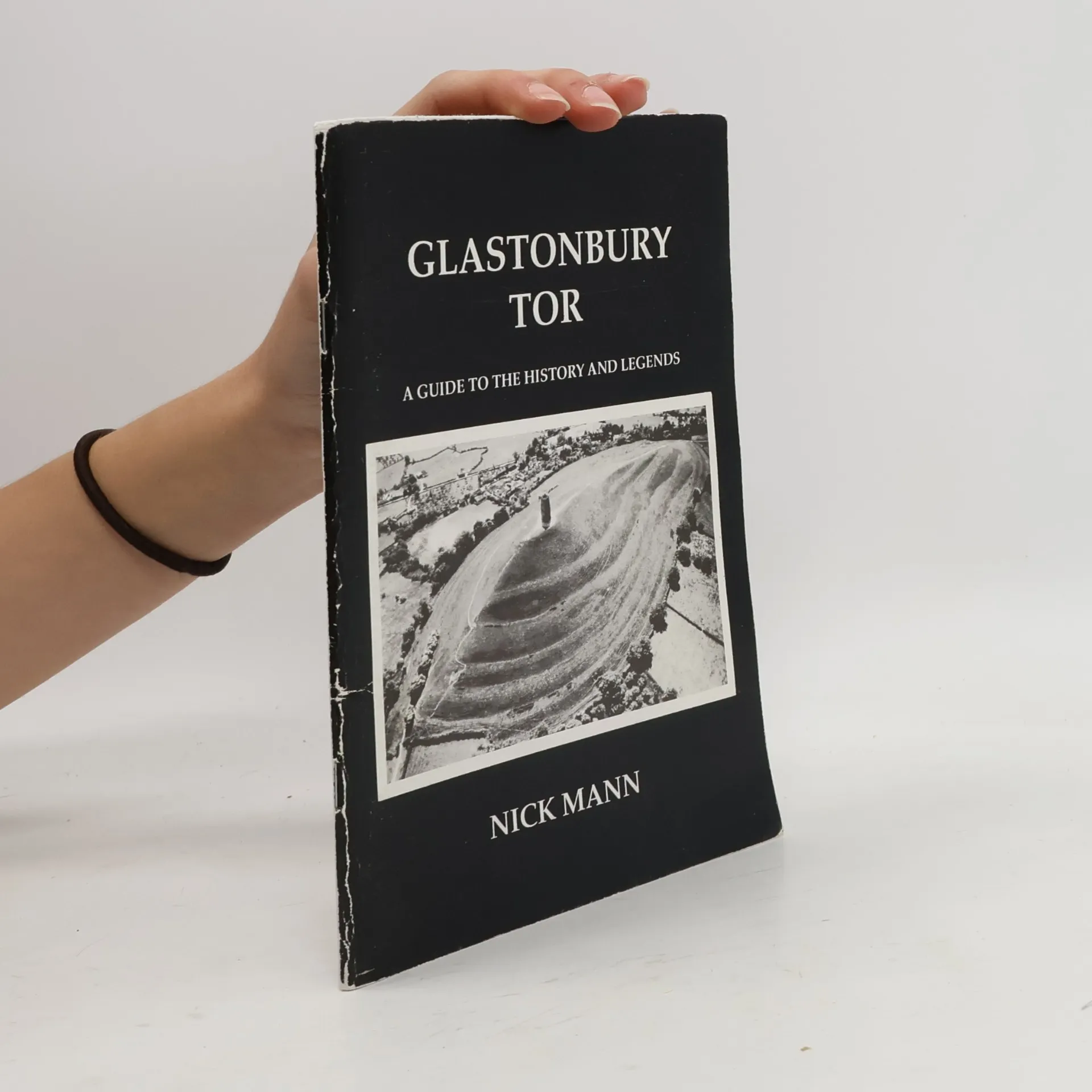
"Glastonbury Tor is a prominent natural hill whose uniquely dramatic shape has been determined by the combination of geological, agricultural and religious activities. On the summit once stood the cluster of church and buildings that formed the Monastery of St. Michael. Founded possibly as early as the 9th century A.D., it existed until the Dissolution of 1539. Now all that remains is the 14th century tower. During the medieval period the terraces around the Tor were used by the monks for agricultural purposes, but it is hard to say that they originally built them. In the troubled 'Dark Ages' the Tor was settled by those whose intentions, judging from the archaeological evidence, were more military than monastic; and the records speak of associations with King Arthur. Very little remains from the period before this time: the depths of Prehistory -- an area this booklet intends to explore. But there are traditions of a sacred hill upon an island with an entrance to an 'Otherworld'. And there is proof of enormous labour upon the Tor's slopes; that if solely for agriculture was easier done elsewhere; and if for some ceremonial purpose -- a maze? a processional way? -- was very likely done in a time so remote that the significance is hard to fully understand or even imagine."--Introduction