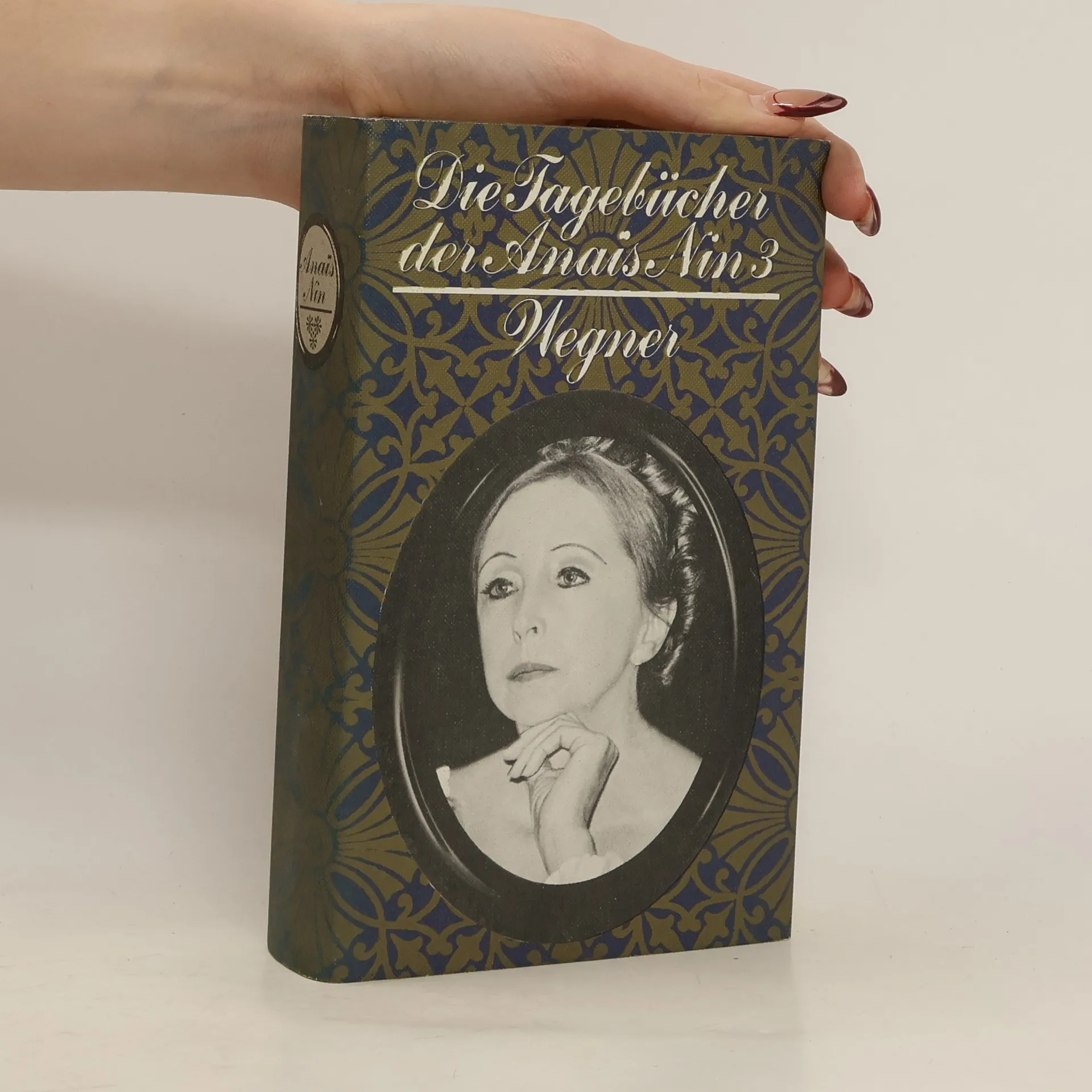
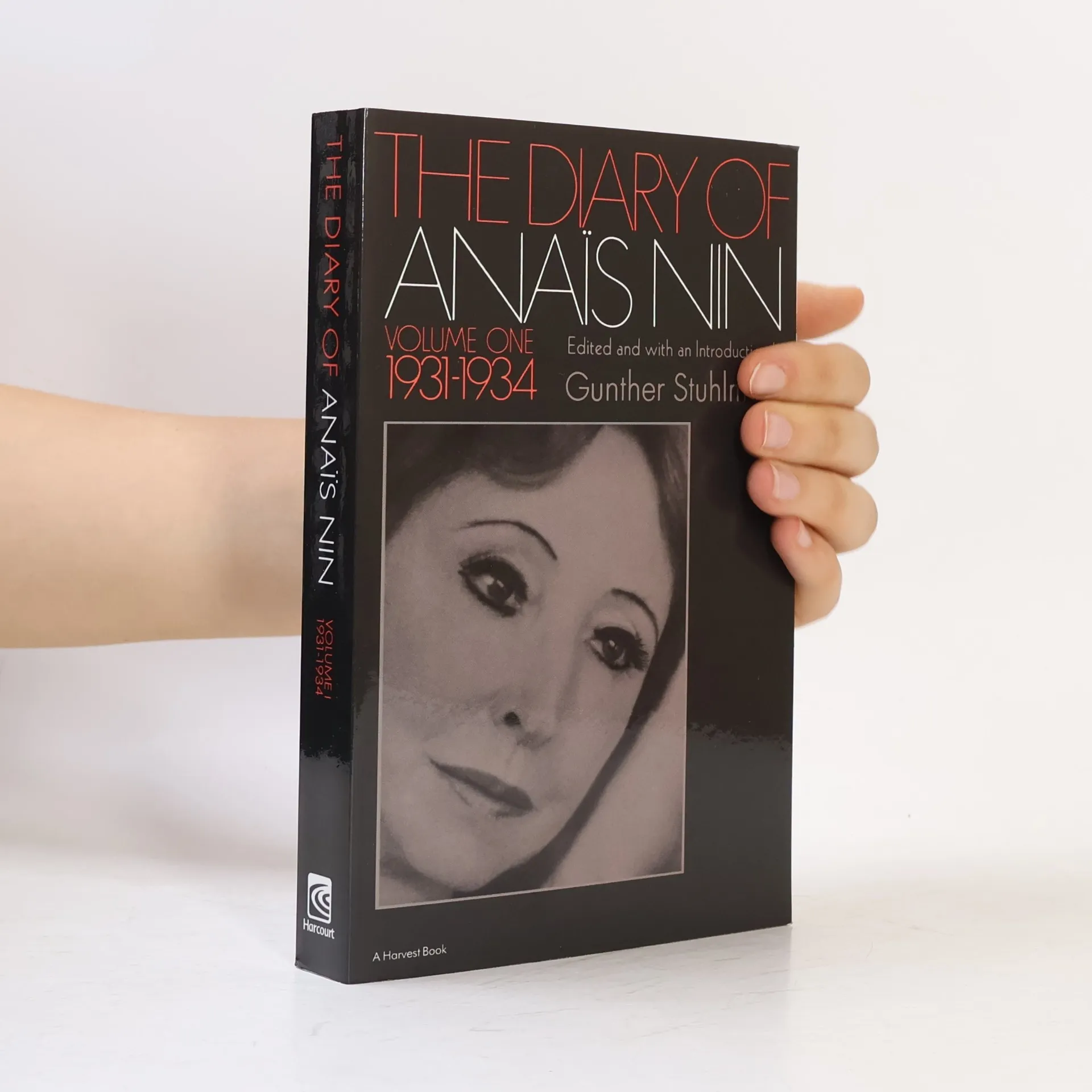
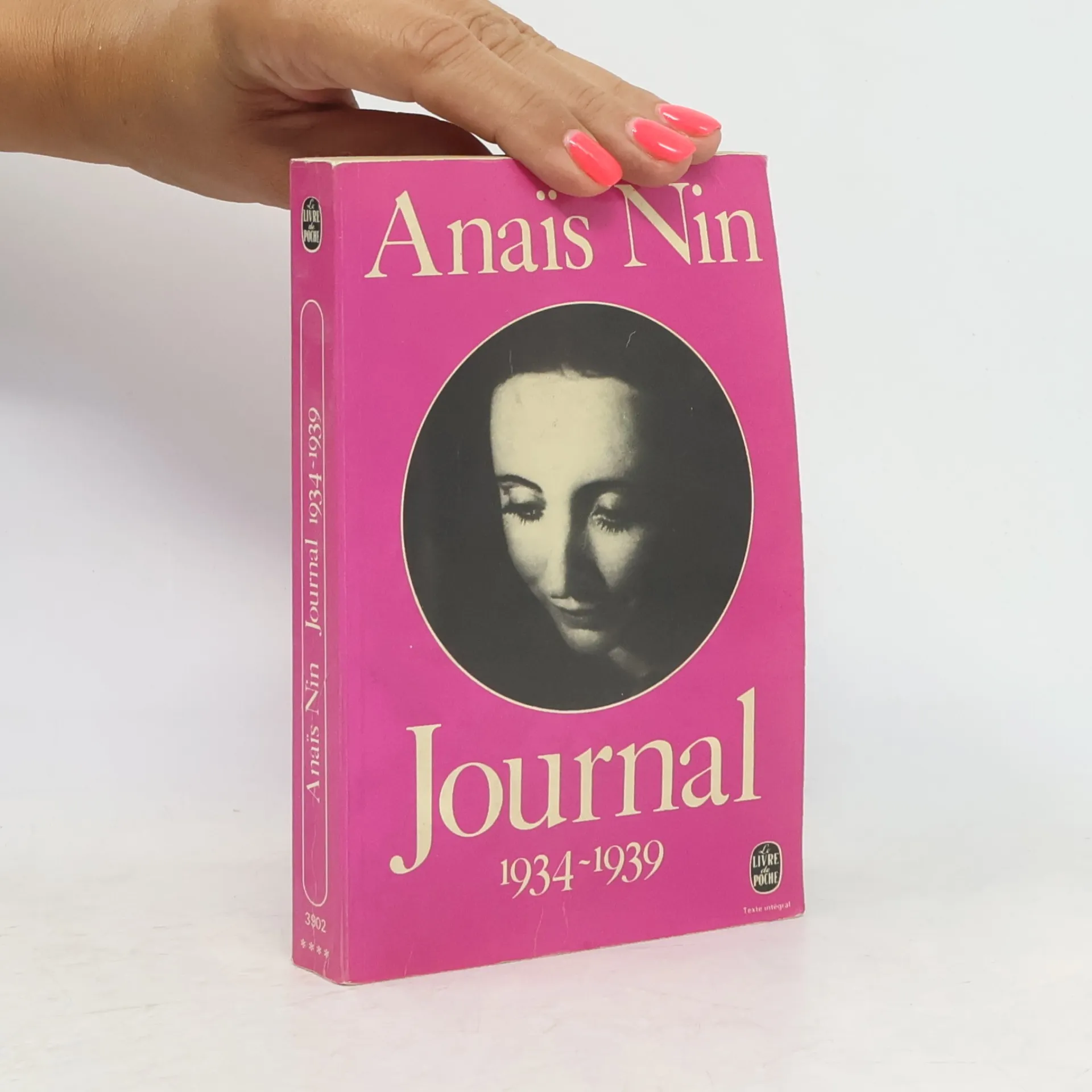
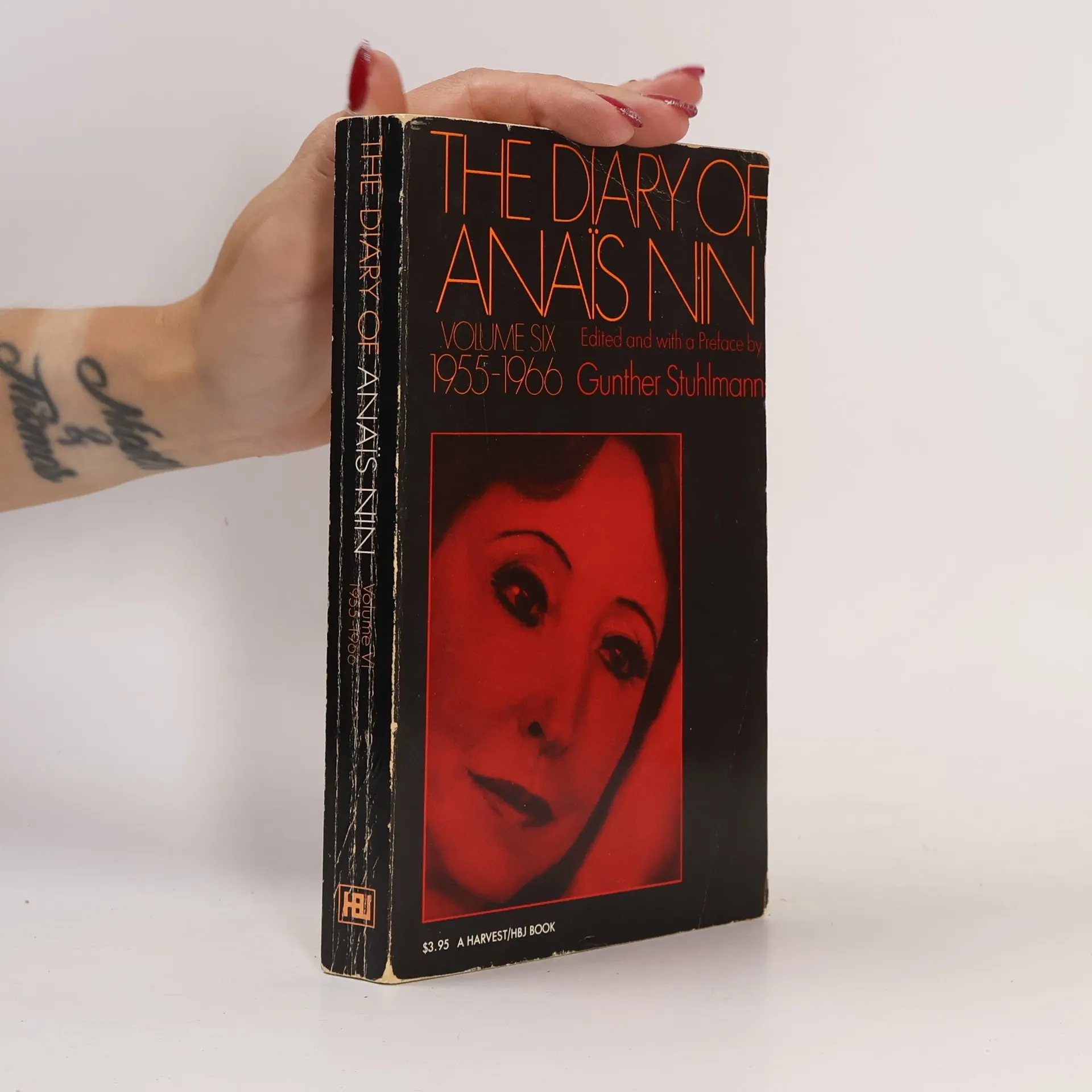
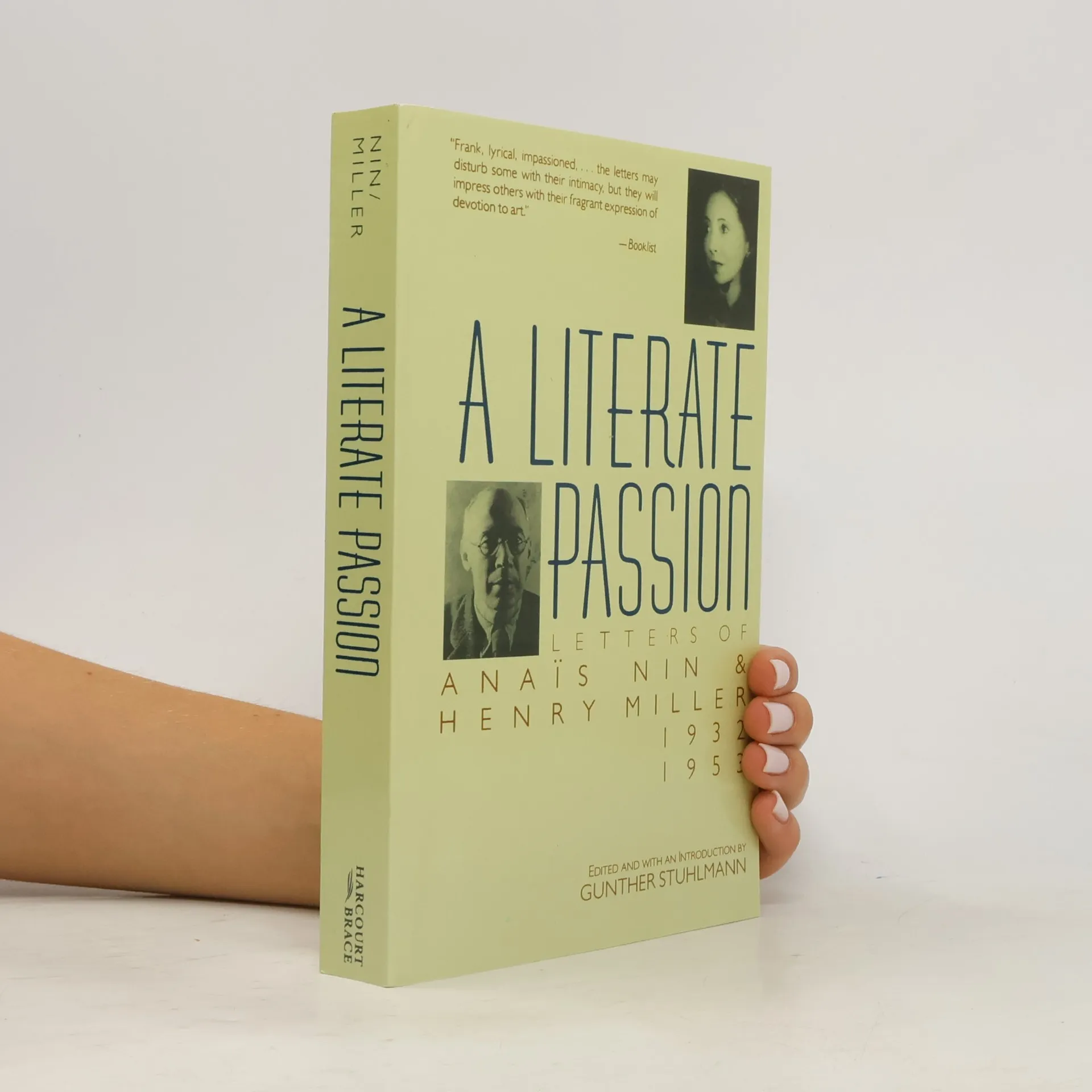
The intimacy between Nin and Miller, first disclosed in Henry and June, is documented further in this impassioned exchange of letters between the two controversial writers. Edited and with an Introduction by Gunther Stuhlmann; Index.
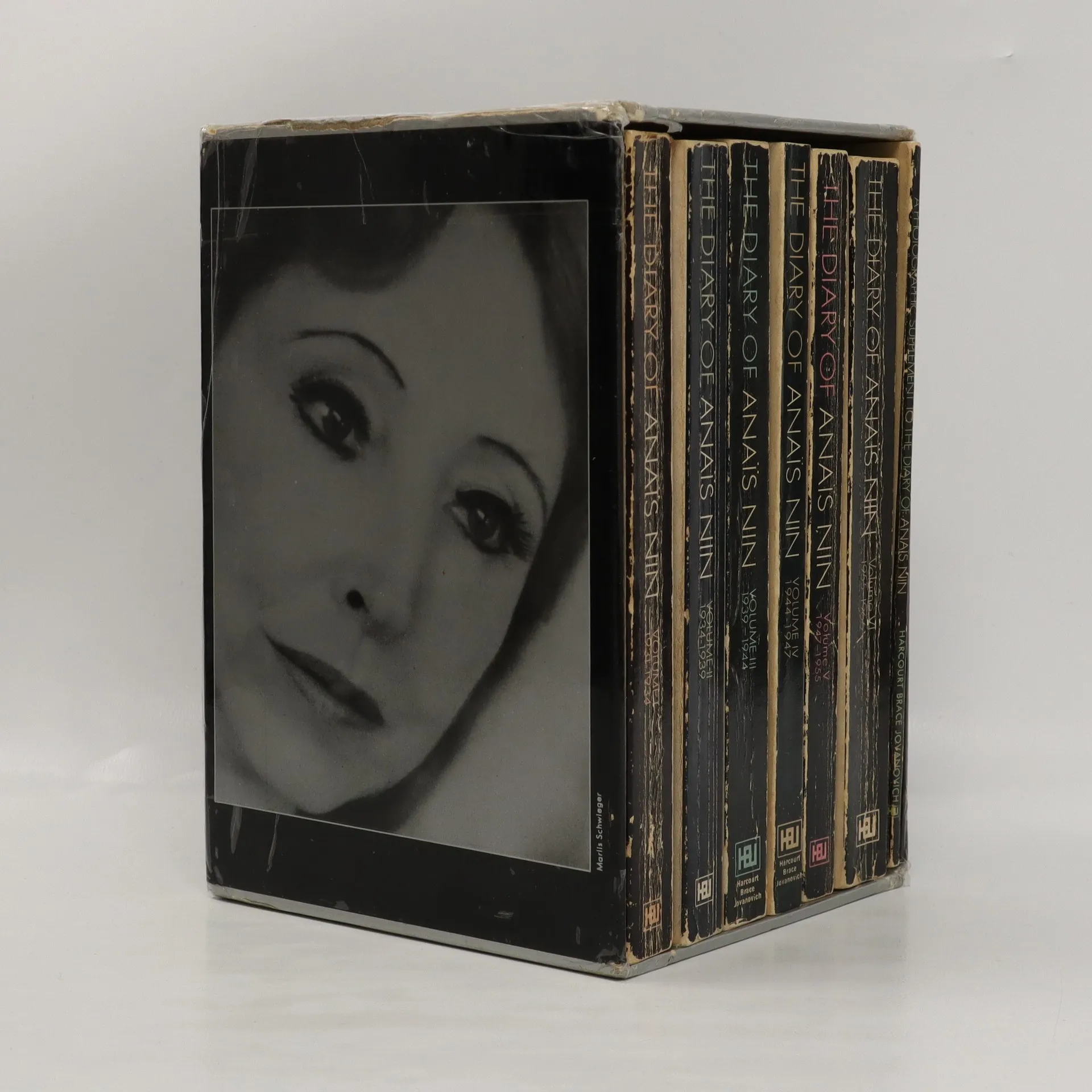
Gunther Stuhlmann Book order (chronological)
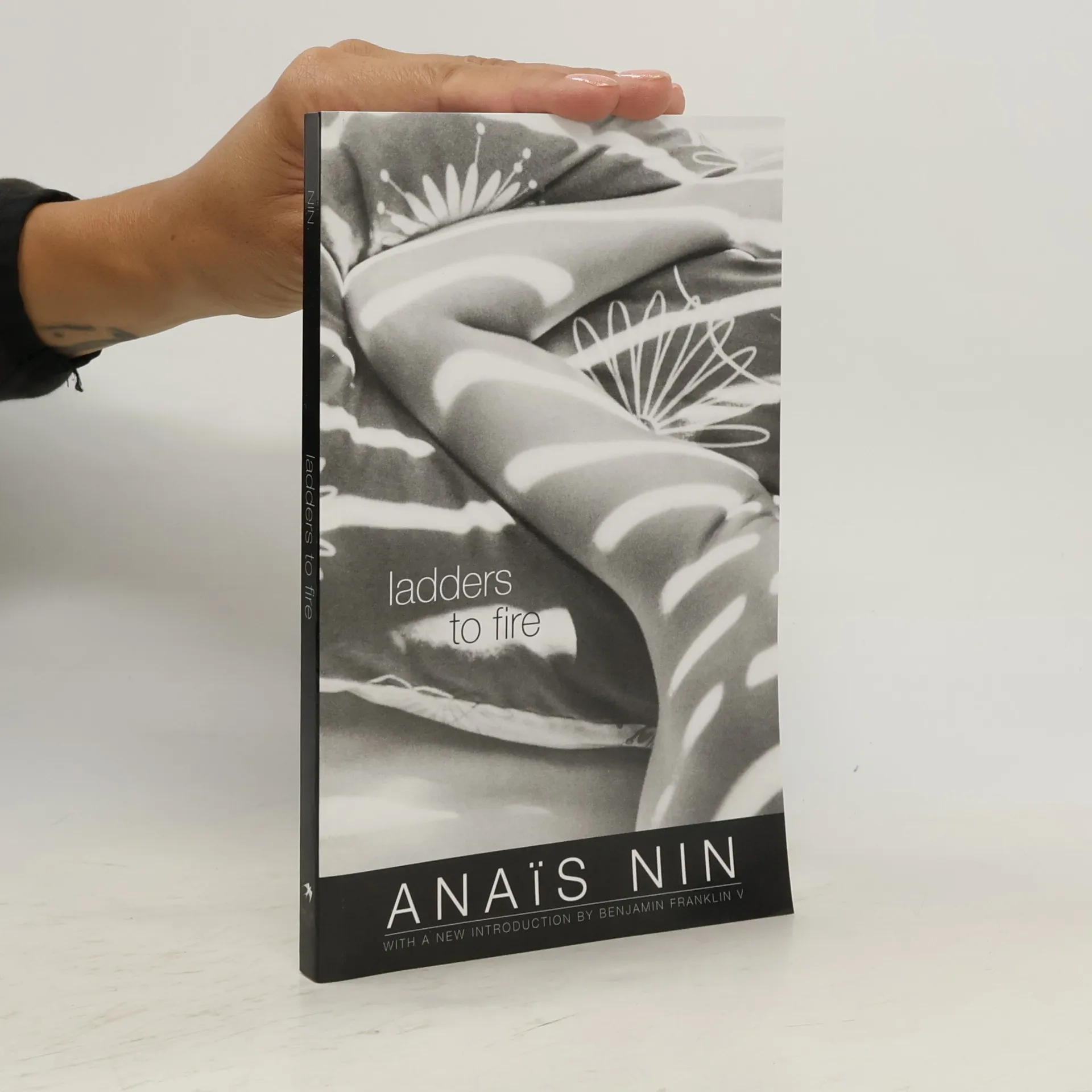
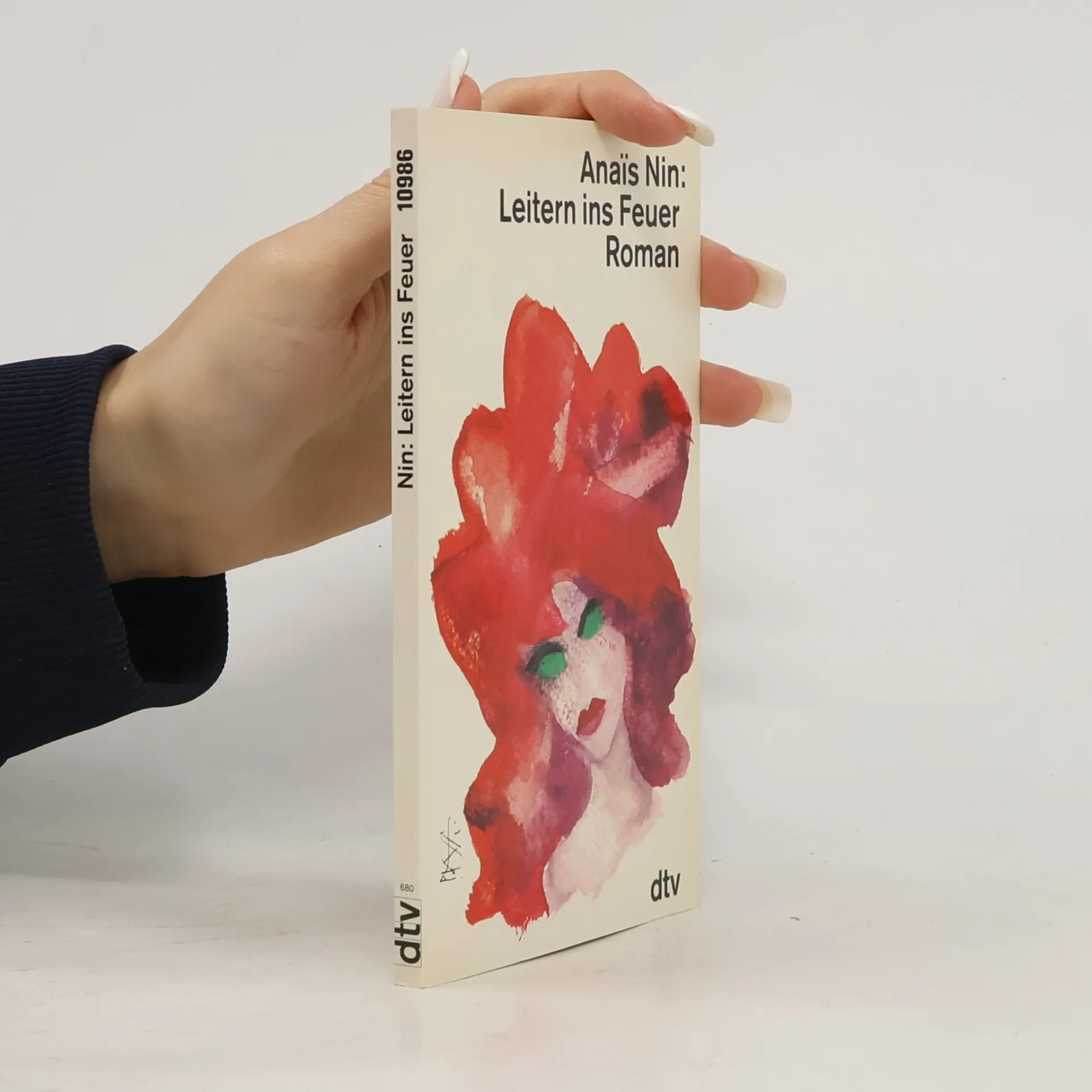
Anais Nin's Ladders to Fire interweaves the stories of several women, each emotionally inhibited in her own way: through self-doubt, fear, guilt, moral drift, and distrust. The novel follows their inner struggles to overcome these barriers to happiness and wholeness.
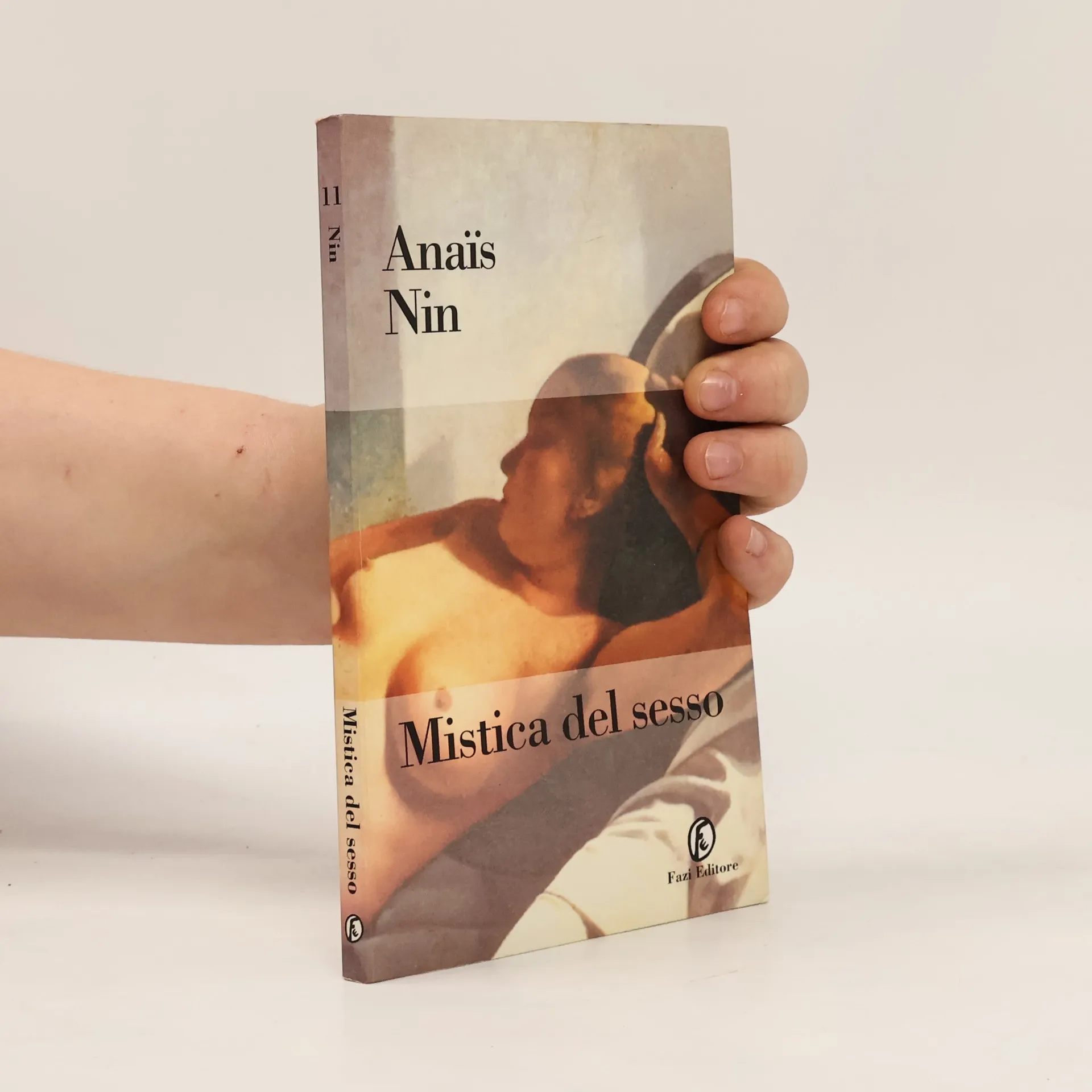
Le terre - 11: Mistica del sesso
- 104 pages
- 4 hours of reading
Questo libro include saggi brevi che coprono un periodo di quarant'anni e illustra la varietà di stili e preoccupazioni che hanno reso Anaïs Nin una delle scrittrici più influenti del suo secolo.
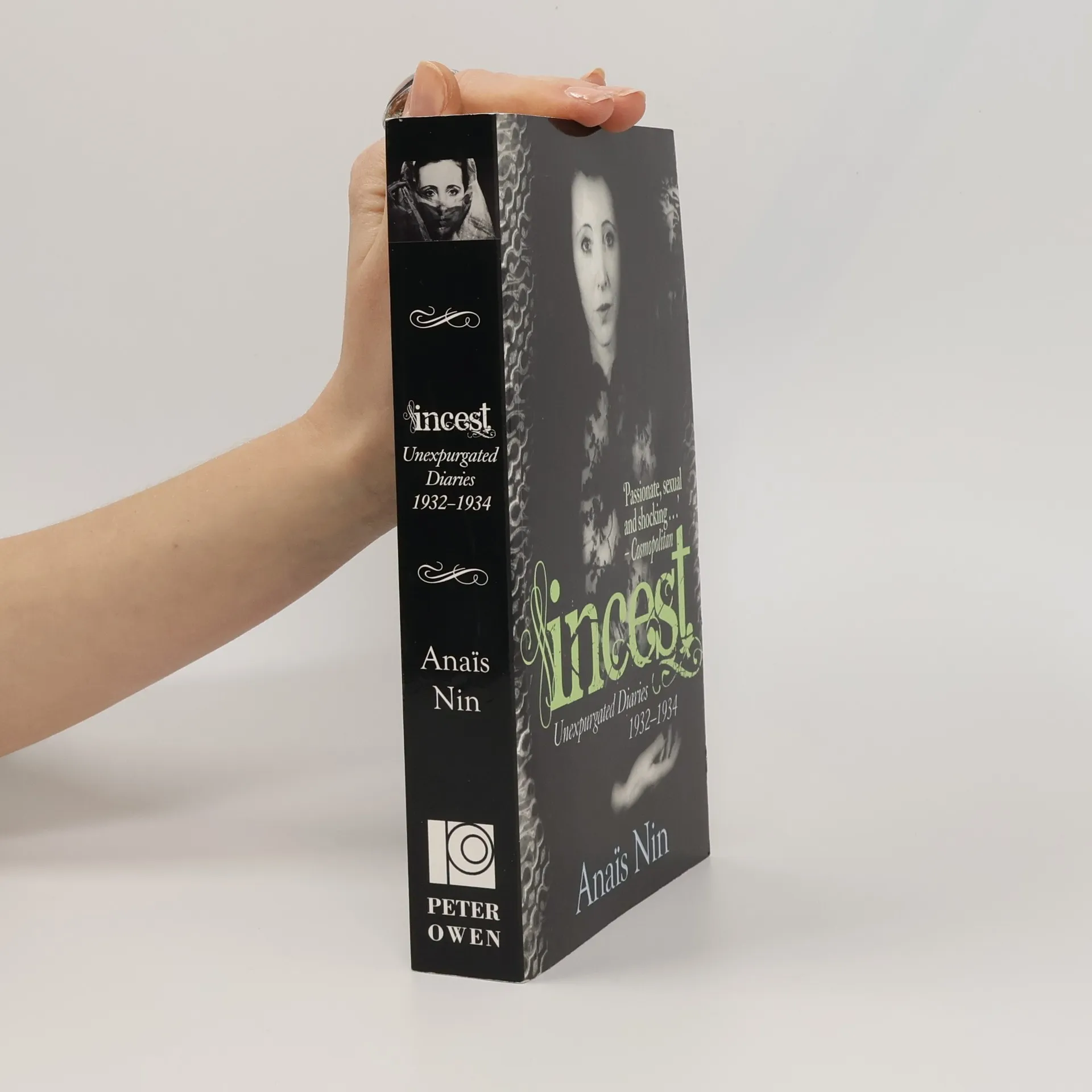
Few writings explore a woman's love life in such detail, with such subtlety, insight, and pain, as does Anais Nin's original, uncensored diary. It is a life record that deals openly with the physical aspects of relationships and unsparingly with the full spectrum of psychological ramifications. Here was a woman who sought the freedom to act out her sexual and emotional desires with the same guiltless, "amoral" abandon that men have always claimed for themselves. When Nin began publishing sections of her diary in 1966, this aspect of her life was excised, though clearly there was more than could be told at the time concerning her relationships with Henry Miller and his wife, June, with the writer and actor Antonin Artaud, with her analysts Rene Allendy and Otto Rank, and - most important - with her father. Here now is the previously missing portion of Nin's life in the crucial years from 1932 to 1934, the shattering psychological drama that drove her to seek absolution from her psychoanalysts for the ultimate transgression. In its raw exposure of a woman's struggle to come to terms with herself, to find salvation in the very act of writing, Incest unveils an Anais Nin without masks and secrets, yet in the end still mysterious, perhaps inexplicable.
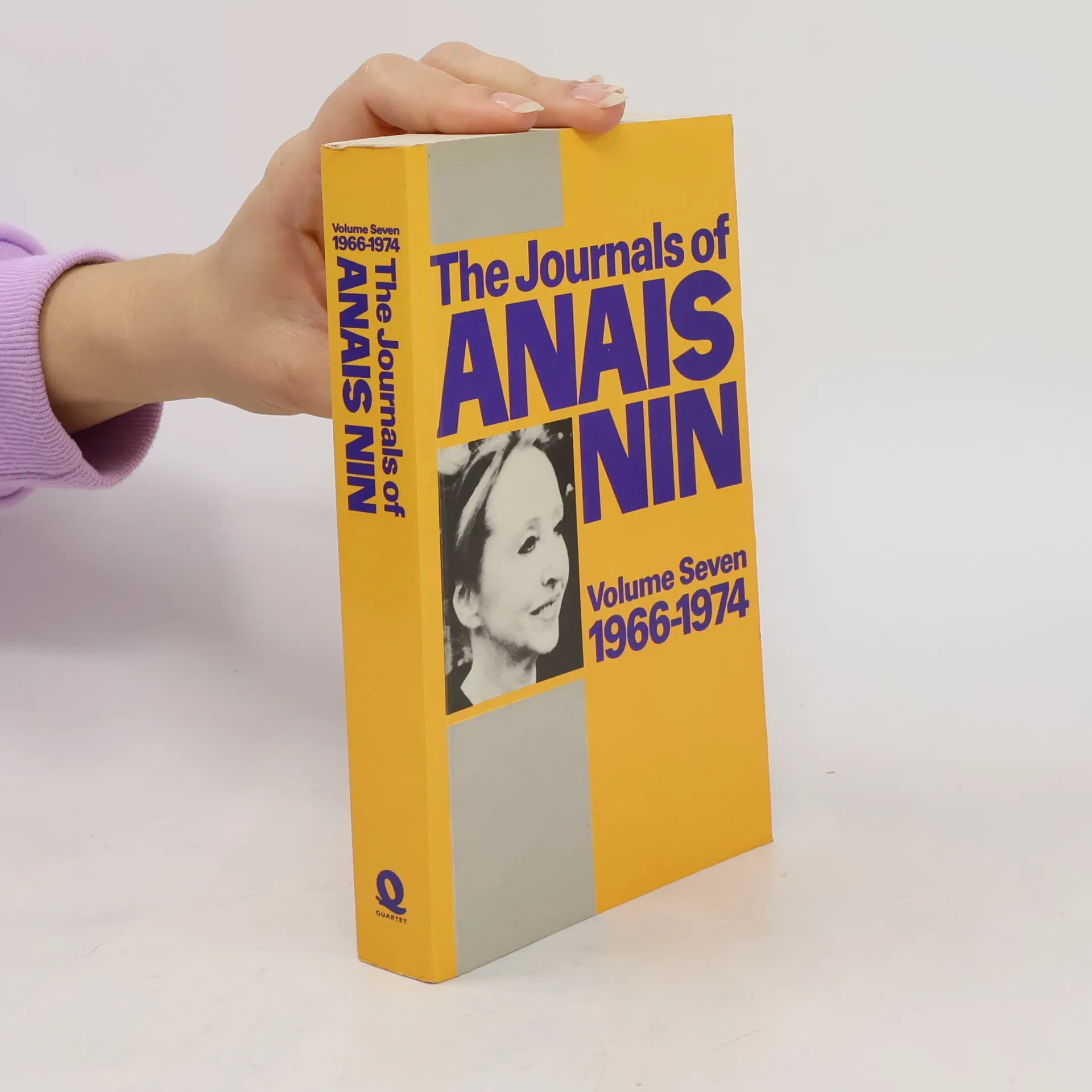
The final volume ends as the author wished-not with her last two years of pain but at a joyous, reflective moment on a trip to Bali. "One of the most remarkable diaries in the history of letters" (Robert Kirsch, Los Angeles Times). Edited and with a Preface by Gunther Stuhlmann; Index; photographs.
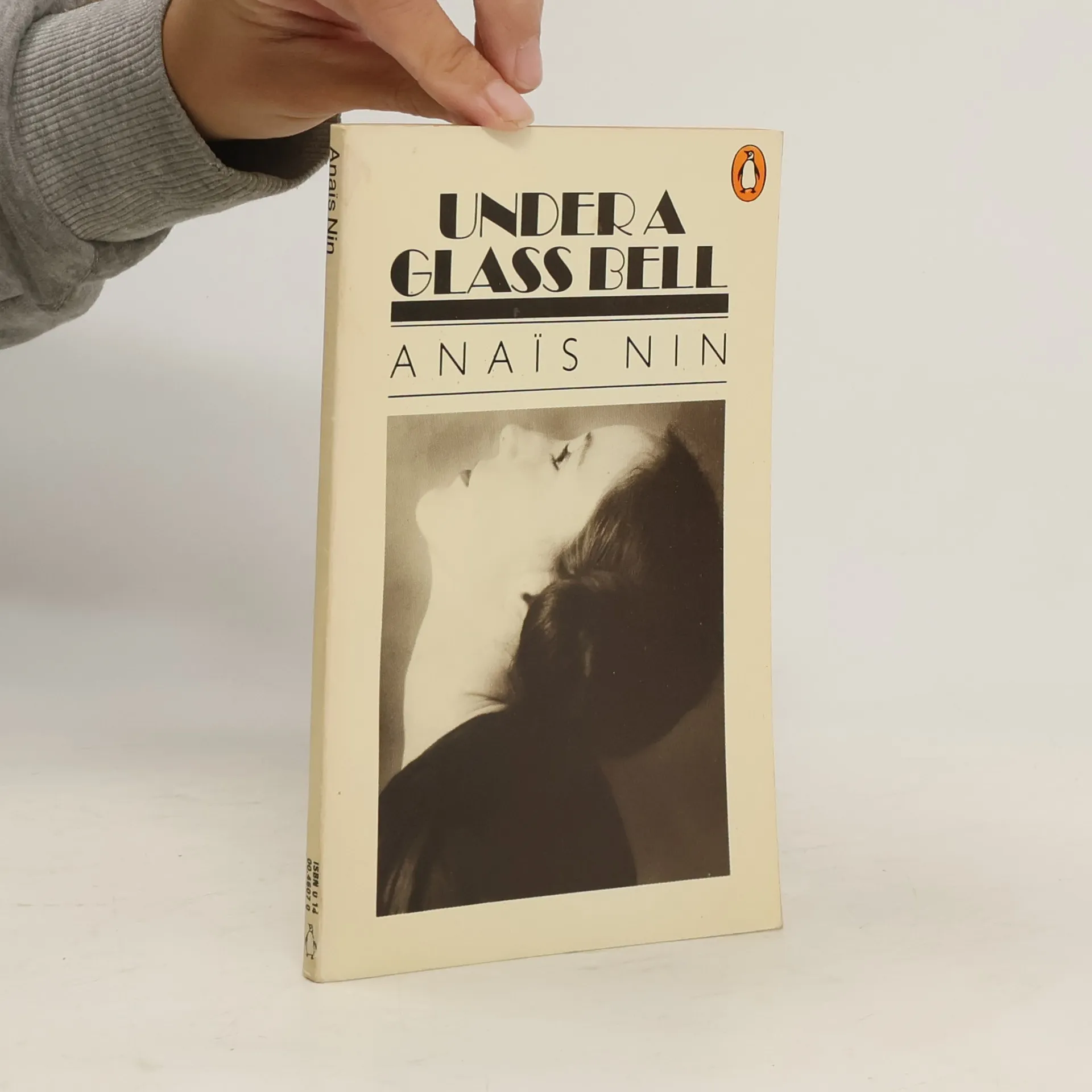
From being a cult figure of the early feminist movement, Anaïs Nin later rose to international prominence with her writing. Characterised by the use of powerful, and at times, disquieting imagery, her work reveals great sensitivity and perception. These thirteen stories are no exception, and with a 'touch as light as a cobweb and colouring made of mirages' she penetrates the emotional depths of the individual in a world where illusion is the key to reality... Often considered Anaïs Nin's finest work of fiction, this collection of short stories was self-published by Nin with an old-fashioned hand press in 1944. Among the titles are "Houseboat," "The Mouse," "The Labyrinth," and "Birth."
"This celebrated volume begins when Nin is about to publish her first book and ends when she leaves Paris for New York"--
Beginning with Nin's arrival in New York, this volume is filled with the stories of her analytical patients. There is a shift in emphasis also as Nin becomes aware of the inevitable choice facing the artist in the modern world. "Sensitive and frank...[Nin's] diary is a dialogue between flesh and spirit" (Newsweek). Edited and with a Preface by Gunther Stuhlmann; Index.
This candid volume from the renowned diarist covers her years of struggle, and eventual triumph, as an author in America during World War II.
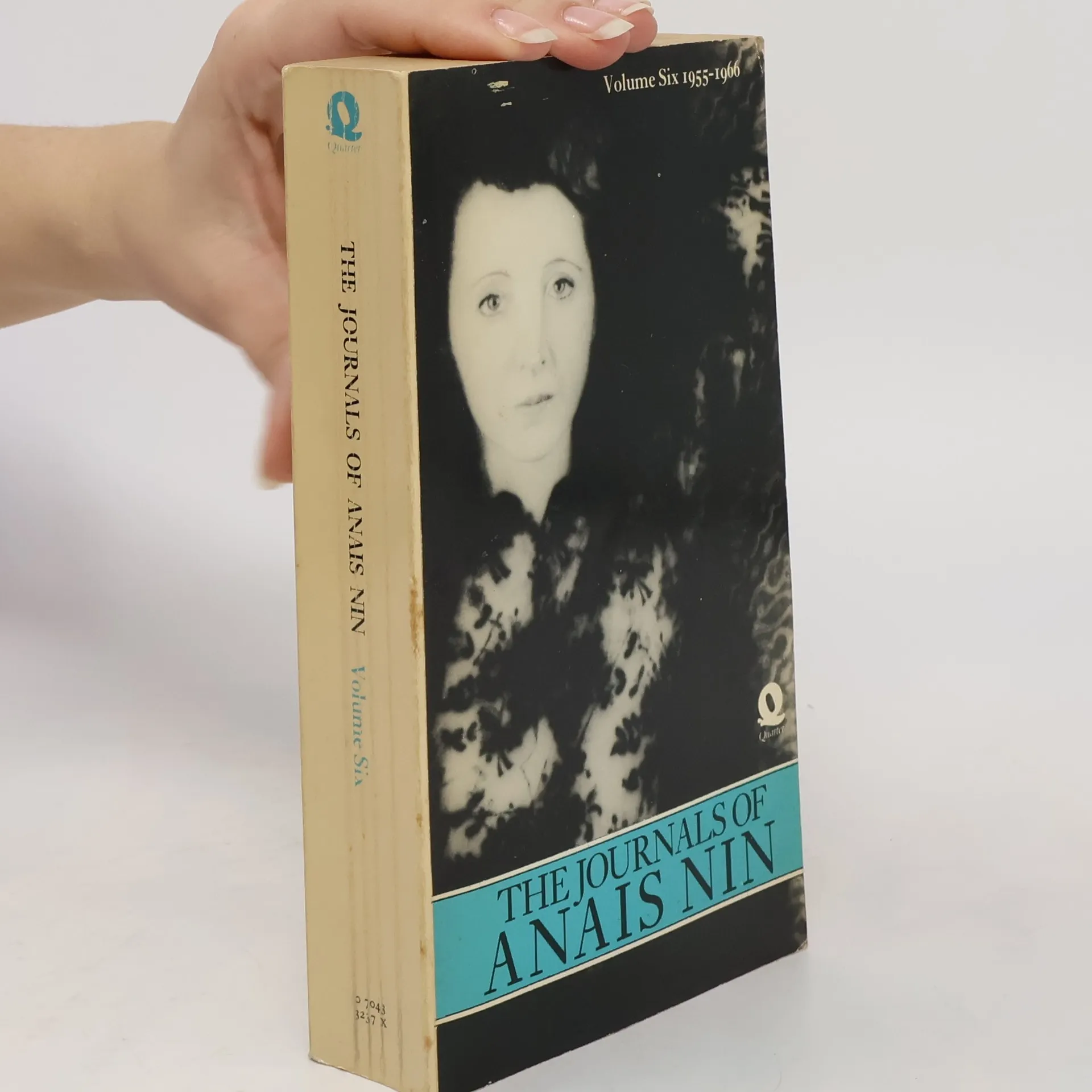
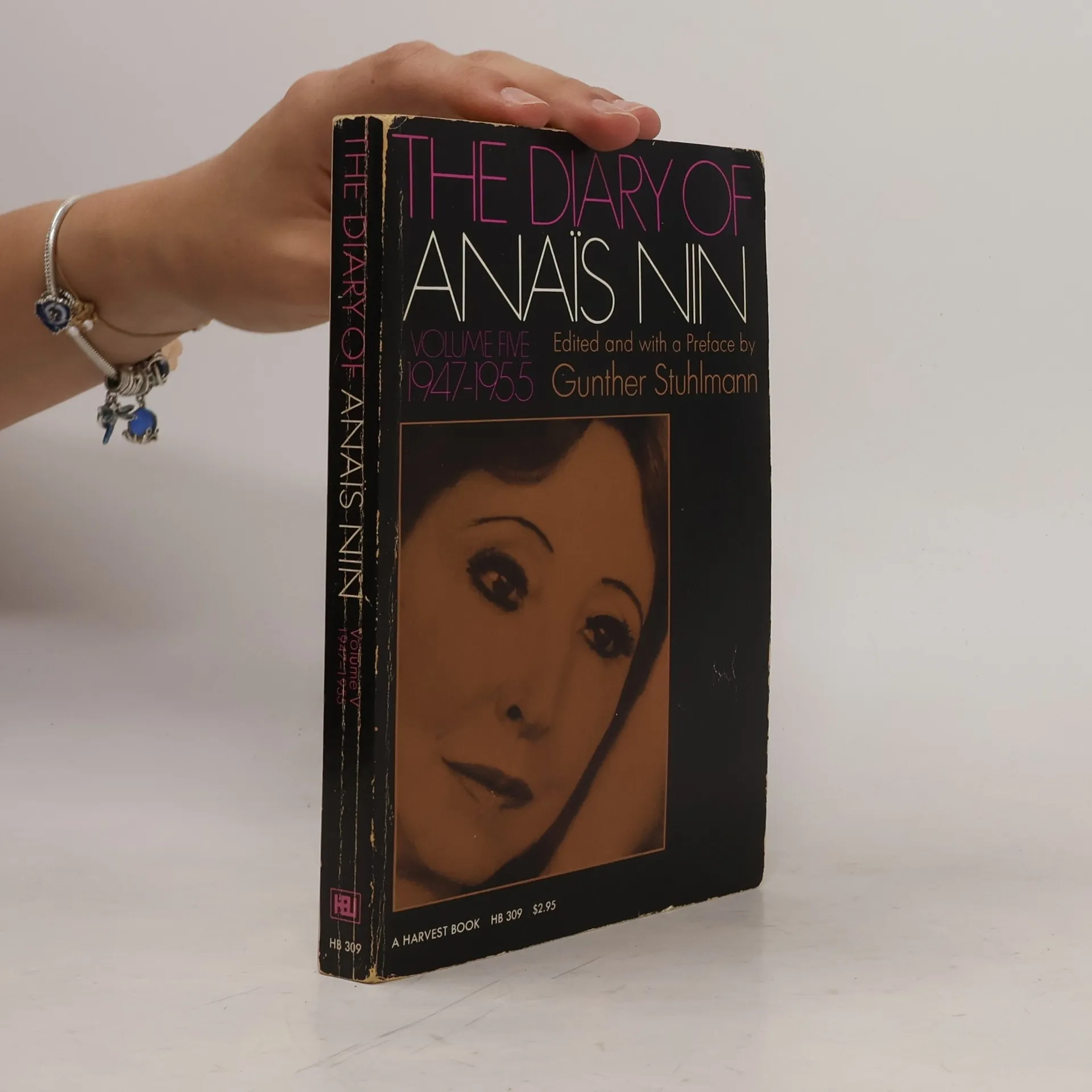
Nin continues her debate on the use of drugs versus the artist's imagination, portrays many famous people in the arts, and recounts her visits to Sweden, the Brussels World's Fair, Paris, and Venice. "[Nin] looks at life, love, and art with a blend of gentility and acuity that is rare in contemporary writing" (John Barkham Reviews). Edited and with a Preface by Gunther Stuhlmann; Index.
The author's experiences in Mexico, California, New York, and Paris, her psychoanalysis, and her experiment with LSD. "Through her own struggling and dazzling courage [Nin has] shown women groping with and growing with the world" (Minneapolis Tribune). Edited and with a Preface by Gunther Stuhlmann; Index.
The final volume ends as the author wished-not with her last two years of pain but at a joyous, reflective moment on a trip to Bali. "One of the most remarkable diaries in the history of letters" (Robert Kirsch, Los Angeles Times). Edited and with a Preface by Gunther Stuhlmann; Index; photographs.
The Journals of Anai͏̈s Nin
- 432 pages
- 16 hours of reading
Nin continues her debate on the use of drugs versus the artist's imagination, portrays many famous people in the arts, and recounts her visits to Sweden, the Brussels World's Fair, Paris, and Venice. "[Nin] looks at life, love, and art with a blend of gentility and acuity that is rare in contemporary writing" (John Barkham Reviews). Edited and with a Preface by Gunther Stuhlmann; Index.