

Karin Bojs Book order (chronological)
March 4, 1959
Karin Bojs is an author and science journalist whose work delves into profound questions about human history and our place in the world. She is known for her ability to weave together scientific inquiry with compelling narratives. Her writing offers readers a fascinating exploration of what defines us as humans and how we came to be.

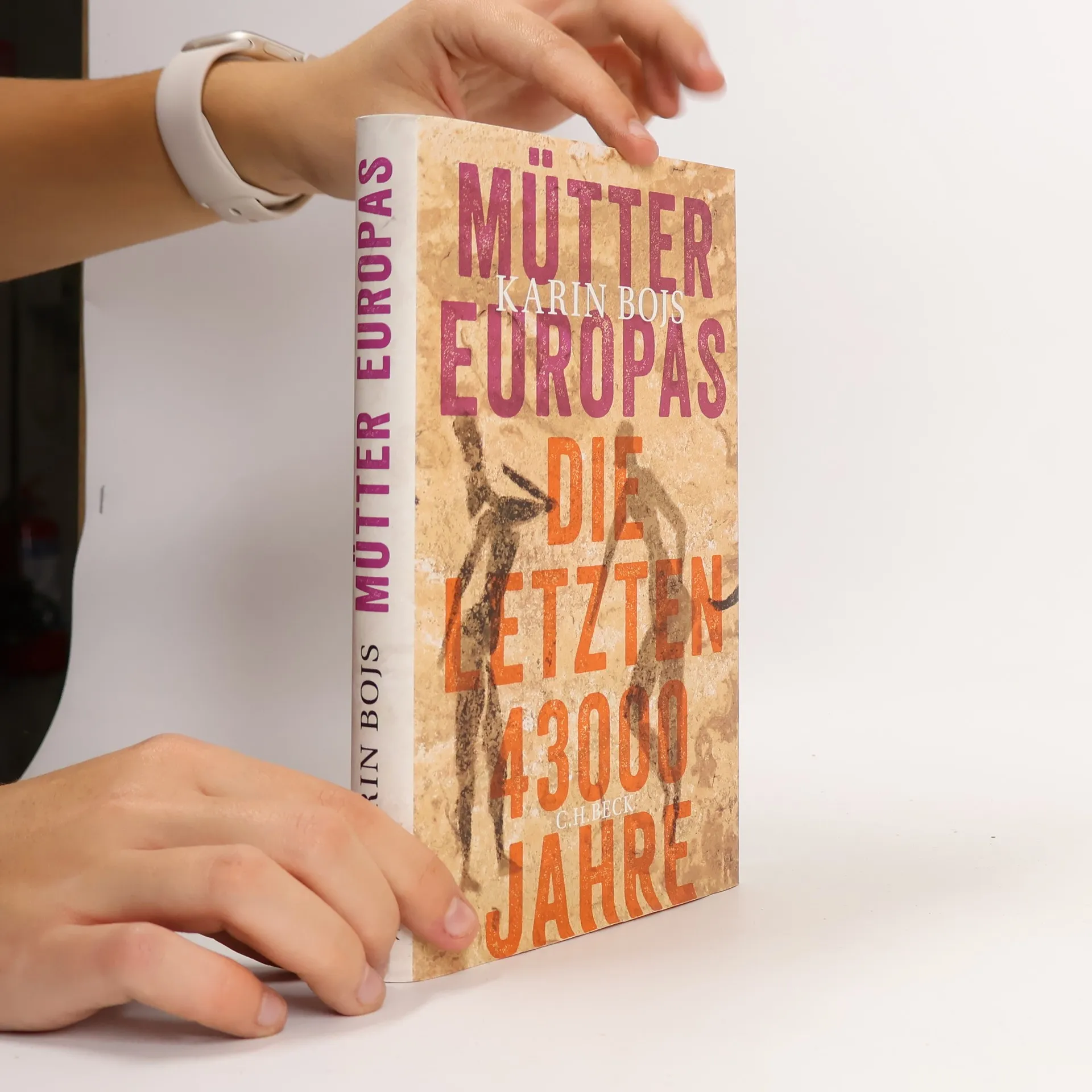
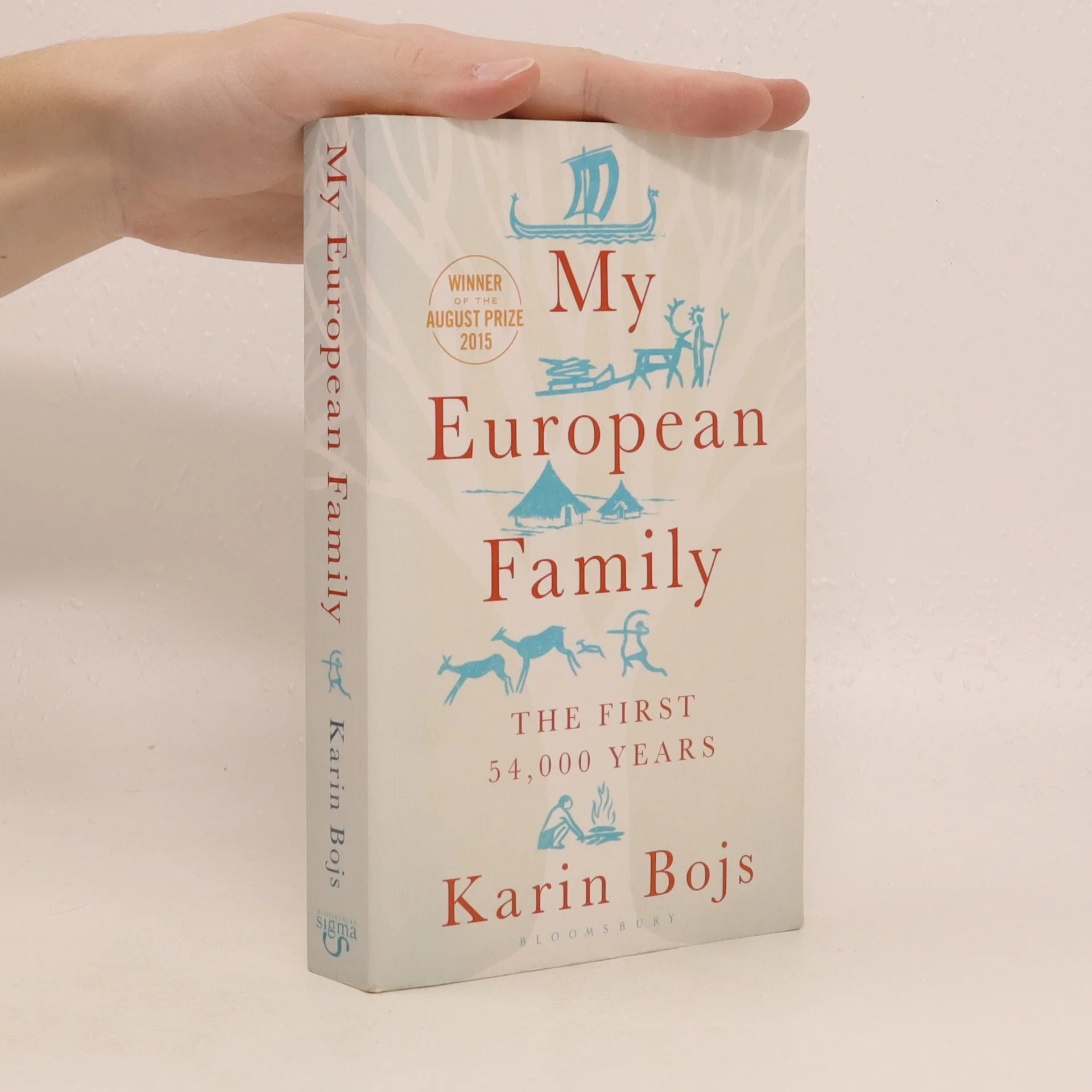
The story of Europe and its peoples, told through its genetic legacy and woven together using the latest archaeological findings, will fascinate anyone interested in genealogy. Karin Bojs grew up in a small, broken family, and at her mother's funeral she felt this more acutely than ever. As part of the healing process, she decided to use DNA research to learn more about herself, her family, and the interconnectedness of society. She went deep in search of her genealogy, having her DNA sequenced and tested, and effectively becoming an experimental subject. Remarkably, she was able to trace the path of her ancestors through recorded history and into prehistory. Through the course of her research, she met dozens of scientists working in genetic research. The narrative travels the length and breadth of Europe, from the Neanderthals of central Germany to the Cro-Magnon in France. Bojs visited the ancient caves, realizing that her direct ancestors must have been living in the area when the cave art was painted. A second DNA analysis later revealed she has Sami (i.e. Lapp) genetic material in her genome, and there were further revelations about her hunter-gatherer, Bronze-Age, and Iron-Age relatives, including the Vikings. This fresh, first-person exploration of genes and genetics goes well beyond personal genealogy and reveals much about the shared history of European peoples.
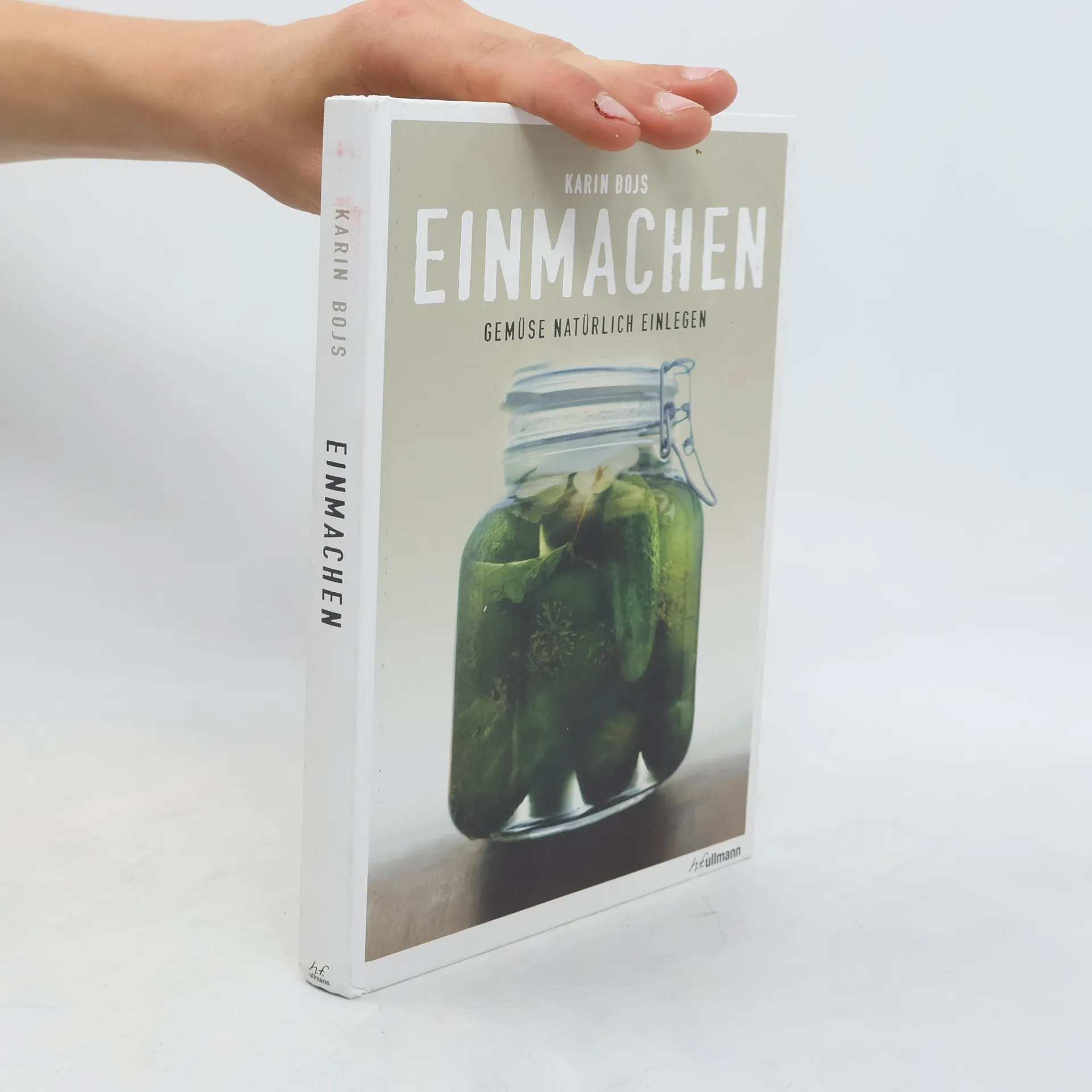
Einmachen ist eine der einfachsten Methoden, um Lebensmittel zu veredeln und haltbar zu machen. Viele von uns erinnern sich an das Selbsteingemachte aus Omas Garten. Einmachen liegt wieder voll im Trend; somit steigt auch das Interesse zu wissen, wie man die Nahrungsmittel verarbeitet. Milchsäuregärung ist eine der ältesten Möglichkeiten, um Gemüse zu konservieren. Sie ist nicht nur energiesparend und umweltfreundlich, sondern sie bringt komplexe Aromen hervor, die bei anderen, schnelleren Prozessen verloren gehen. Dieses Buch gibt einen Einblick in die traditionelle Technik und zeigt neben Klassikern wie Gurken, Kohl und Rote Bete auch internationale Rezepte wie das koreanische Kimchi oder türkische Sarma. Reich bebildert gehört dieses Handbuch in jedes Regal eines Hobbykochs, der das traditionelle Einmachen wiederentdecken will.