Carl Safina's writing explores the intricate relationship between humanity and the natural world. He delves into the profound connections that bind us to the wild, often focusing on the oceans and their inhabitants. Safina possesses a remarkable talent for weaving scientific understanding with a deep appreciation for the ethical and emotional dimensions of conservation. His work challenges readers to consider their place in the global ecosystem and how we can foster a more harmonious coexistence with other species.
A well-respected conservationist takes readers around the world where he
explores the lives of animals, focusing on their profound capacity for
perception, thought and emotion and providing a thoughtful examination of how
animals truly think and feel.
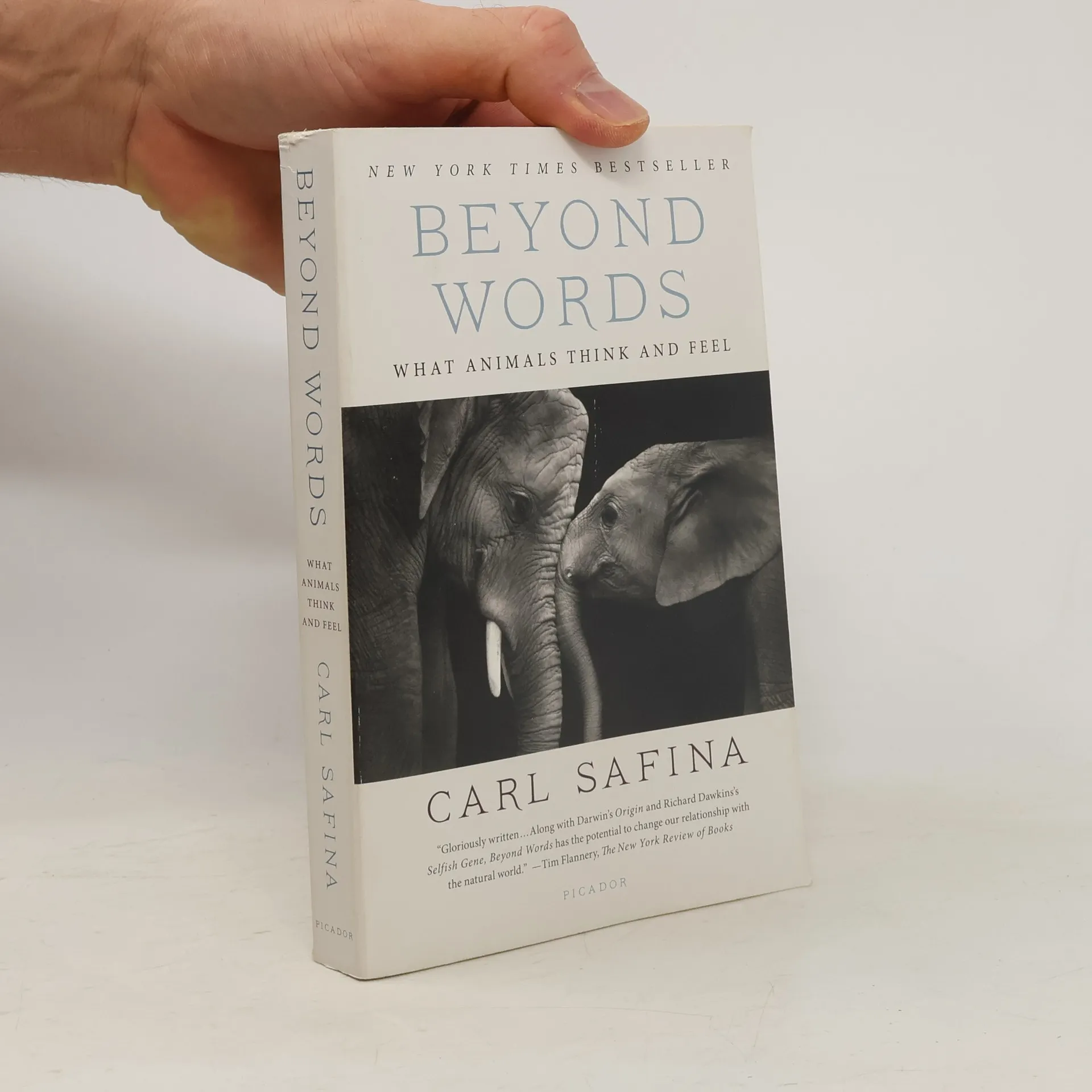
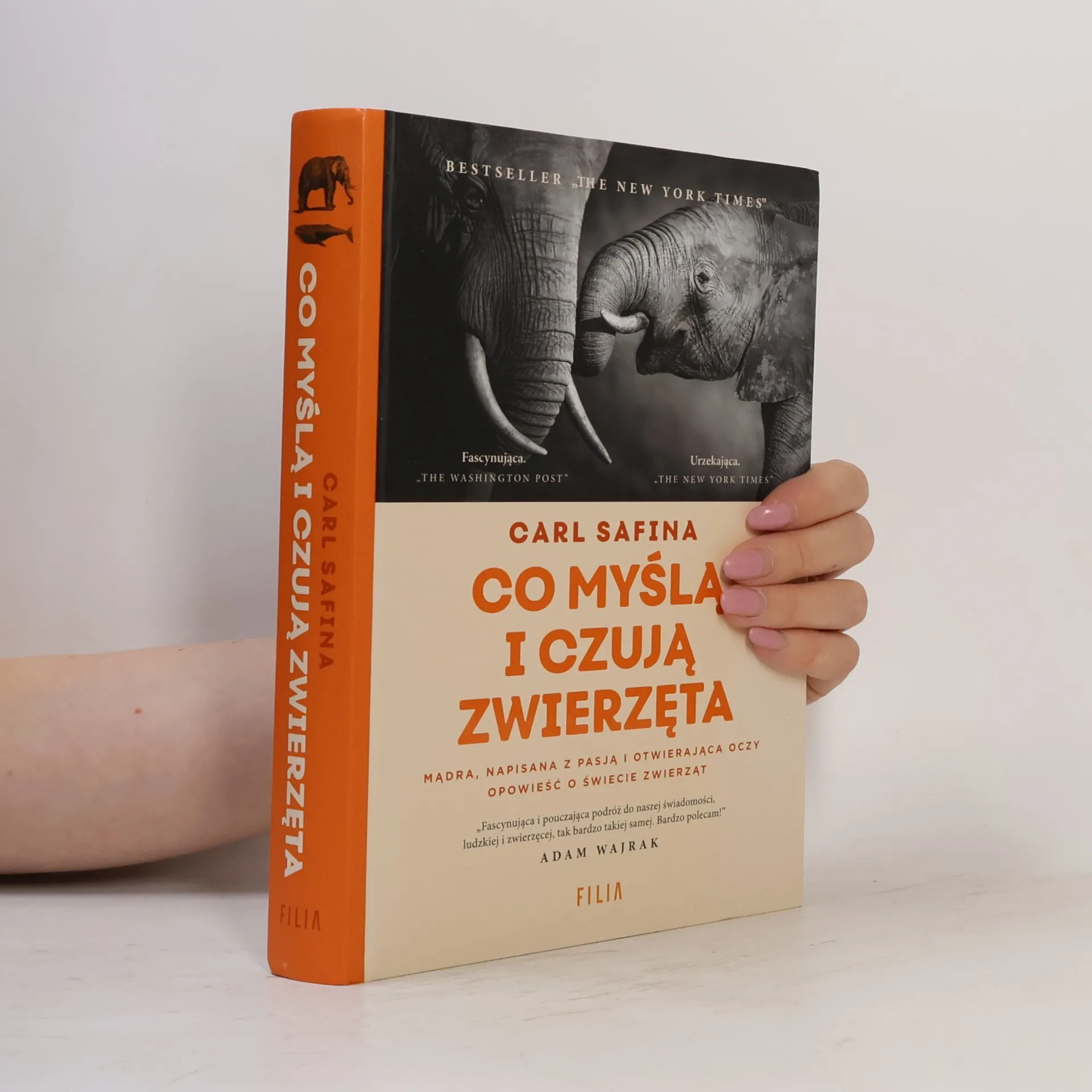
A middle-grade nonfiction adaptation of Carl Safina's New York Times bestseller Beyond Words, which weaves decades of field observations about elephants and whales into an intimate look at animal behavior and consciousness. Follow researcher Carl Safina as he treks with a herd of elephants across the Kenyan landscape, then travel with him to the Pacific Northwest to track and monitor whales in their ocean home. Along the way, find out more about the interior lives of these giants of land and sea—how they play, how they fight, and how they communicate with one another, and sometimes with us, too. Weaving decades of field research with exciting new discoveries about the brain and featuring astonishing photographs taken by the author, Beyond Words: What Elephants and Whales Think and Feel gives readers an intimate and extraordinary look at what makes these animals different from us, but more important, what makes us all similar.
To understand the connections between the sea and our own survival, Carl Safina, a world-respected scientist and fisherman, probes for truth in this tour of the oceans and their peoples. Part odyssey, part pilgrimage, this epic personal narrative follows the author's exploration of coasts, islands, reefs, and the sea's abyssal depths. Carl Safina takes readers on a global journey of discovery beneath the world's changing seas, deftly weaving adventure, political analysis, and science into a story about the human condition. We accompany people whose lives and occupations in and by the oceans unfold in a drama of clashing personal histories and daily struggles for existence
A young readers adaptation of the New York Times-bestselling book Beyond Words which focuses on consciousness and self-awareness in wolves and dogs. Eye-opening, wise, and filled with triumphant and heartbreaking stories about the wolf population at Yellowstone (as well as some personal anecdotes about dogs), Carl Safina's Beyond Words: What Wolves and Dogs Think and Feel accessibly explores the mysteries of animal thought and behavior for young readers. Weaving decades of field research with exciting new discoveries about the brain, and complete with astonishing photos, Beyond Words offers an extraordinary look at what makes these animals different from us, but more importantly, what makes them similar, namely, their feelings of joy, grief, anger, and love. These similarities between human and nonhuman consciousness and empathy allow the reader to reexamine how we interact with animals as well as how we see our own place in the world.
A moving account of raising, then freeing, an orphaned owl, whose lasting
friendship with the author illuminates humanity's relationship with the world
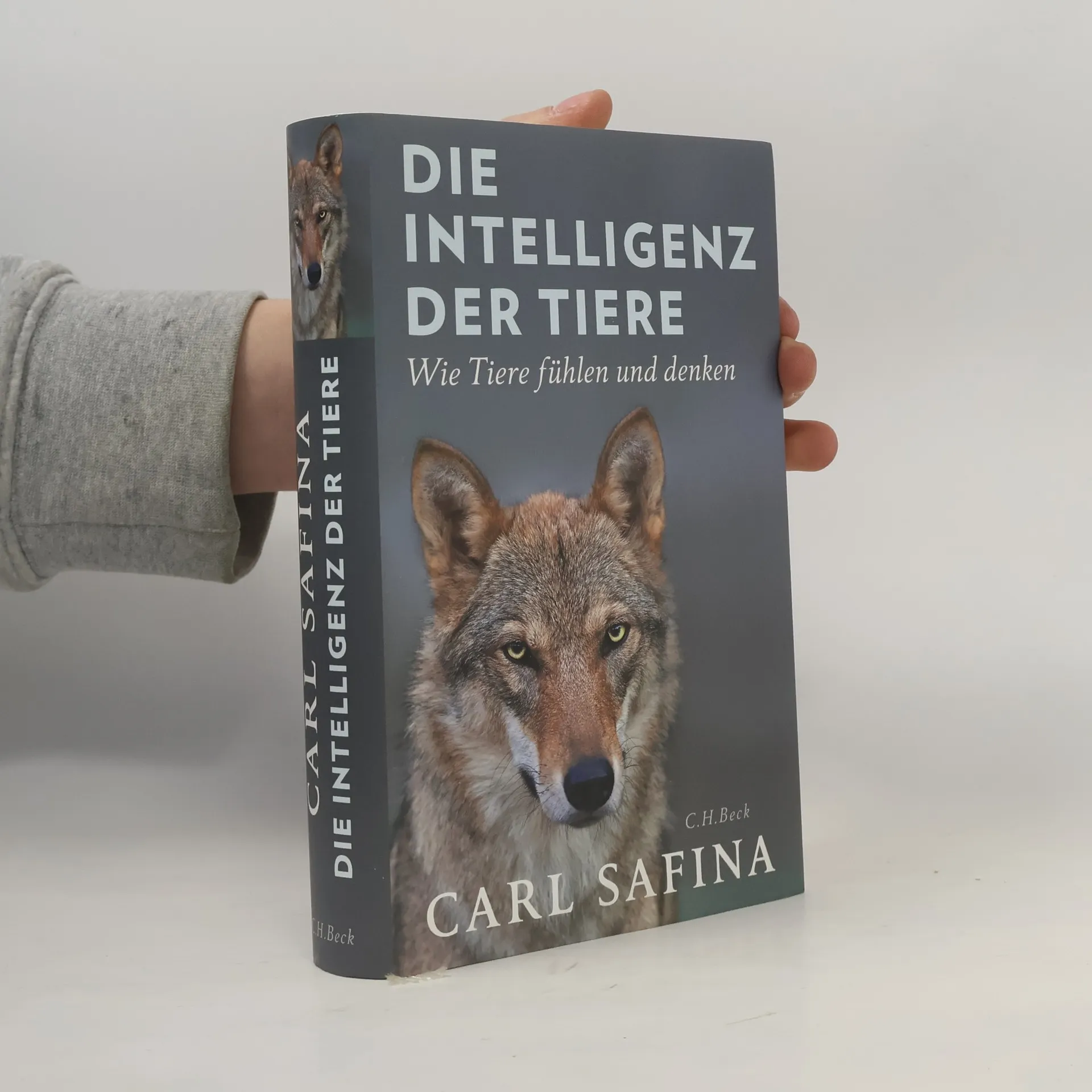
Was geht im Inneren von Tieren vor? Können wir wissen, wie sie fühlen und denken? Carl Safina nimmt uns mit auf abenteuerliche Entdeckungsreisen in die unbekannte Welt der Elefanten, Wölfe und Orcas. Sein spannend zu lesendes Buch erzählt außergewöhnliche Geschichten von Freude, Trauer, Eifersucht, Angst und Liebe und ist voll von erstaunlichen Einsichten in die Persönlichkeiten der Tiere.
Der vielfach ausgezeichnete Naturschriftsteller und Ökologe Carl Safina begegnet den von ihm beobachteten wilden Tieren mit Liebe, Respekt und umfassenden Kenntnissen. Sein Wissen ist genauso groß wie sein Einfühlungsvermögen; er versteht es meisterhaft, neueste wissenschaftliche Erkenntnisse mit wundervollen Erzählungen zu verweben. Die verblüffende Ähnlichkeit von menschlichem und nichtmenschlichem Bewusstsein, Selbstbewusstsein und Mitgefühl fordert uns dazu auf, unser Verhältnis zu anderen Arten zu überdenken - und auch das Verhältnis zu uns selbst.
Wie Wale Familien gründen, Papageien Schönsein lernen und Schimpansen Frieden schließen
Carl Safina, Meeresbiologe und Autor des internationalen Bestsellers «Die Intelligenz der Tiere», nimmt seine Leserinnen und Leser in die Lebenswelten von Tieren mit, die an den wenigen noch verbliebenen wilden Orten der Erde zu Hause sind. In ergreifenden Geschichten erfahren wir, was Tiere tun, warum sie es tun und wie sich das Leben für sie anfühlt.Manche Menschen halten Kultur ausschließlich für eine menschliche Errungenschaft. Doch das ist Auch Tiere sind nicht allein durch ihre Gene zu dem geworden, was sie sind. Auch sie ziehen vielleicht Kinder auf, kennen die Schönheit oder kämpfen um den Frieden. Und auch ihre Kultur verändert sich und entwickelt sich weiter. Anzunehmen, Tiere hätten keine Kultur, weil sie keine menschliche Kultur haben, ist vergleichbar mit der Ansicht, andere Wesen kommunizierten nicht, weil sie keine menschliche Kommunikation haben. Sie haben ihre Kommunikation. Und sie haben ihre Kultur. In «Die Kultur der wilden Tiere» wirft Safina einen so neuen wie provozierenden Blick hinter den Vorhang des Lebens und fordert uns eindringlich auf, Tiere als Mitgeschöpfe und Reisegefährten auf dieser Erde zu betrachten.
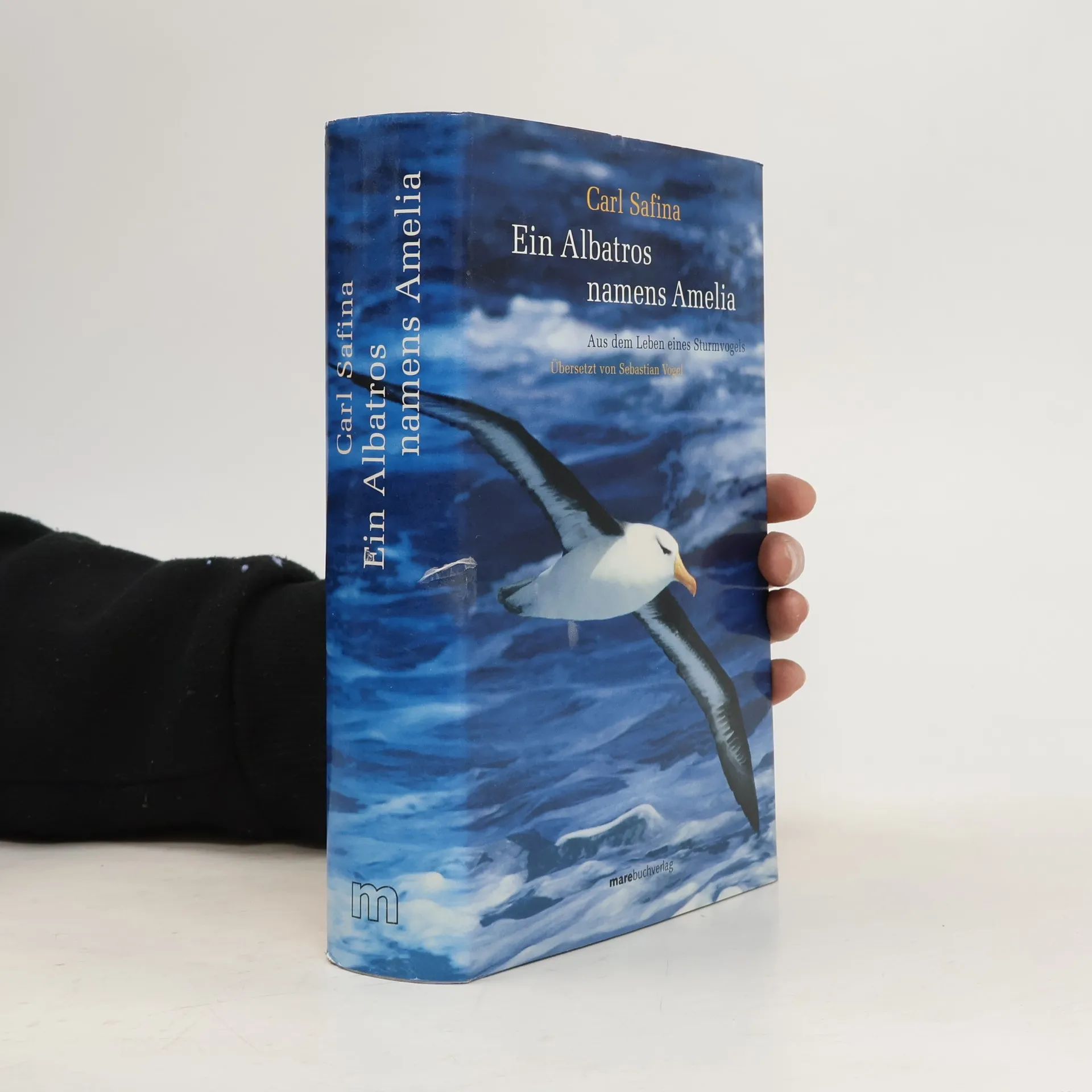
Amelia ist eine Albatrosmutter, die in einer Kolonie auf einer Insel nordöstlich von Hawaii nistet und von dort aus aufbricht, um Fische und Krebse für ihre Jungen zu fangen. Auf ihren Reisen überquert Amelia ganze Ozeane, meistert tropische Orkane mit spielerischer Leichtigkeit und ist stets auf der Hut vor Tigerhaien, die jeden ihrer Zwischenstopps auf dem Wasser zu einem riskanten Unterfangen machen. Am Beispiel der Albatrosmutter Amelia entfaltet Carl Safina ein verblüffendes Porträt der „Herrscher der Lüfte“, die 60 Jahre alt werden können und im Laufe ihres Lebens im Flug bis zu vier Millionen Meilen zurücklegen. Albatrosse sind erstaunliche Survival-Spezialisten, die tagelang ohne Zwischenlandung in der Luft bleiben können und dabei weniger Energie verbrauchen als am Boden. Doch selbst diese Tiere sind machtlos gegen den achtlosen Umgang des Menschen mit dem Meer: Tausende Albatrosse ersticken jährlich am Plastikmüll oder verfangen sich in den Langleinen von Fischdampfern. In dieser Hinsicht ist Der Flug des Albatros mehr als ein Appell, denn wer Amelias Geschichte liest, lernt nicht nur einen tapferen Sturmvogel lieben, sondern wird auch den Wert der Meere neu bemessen.
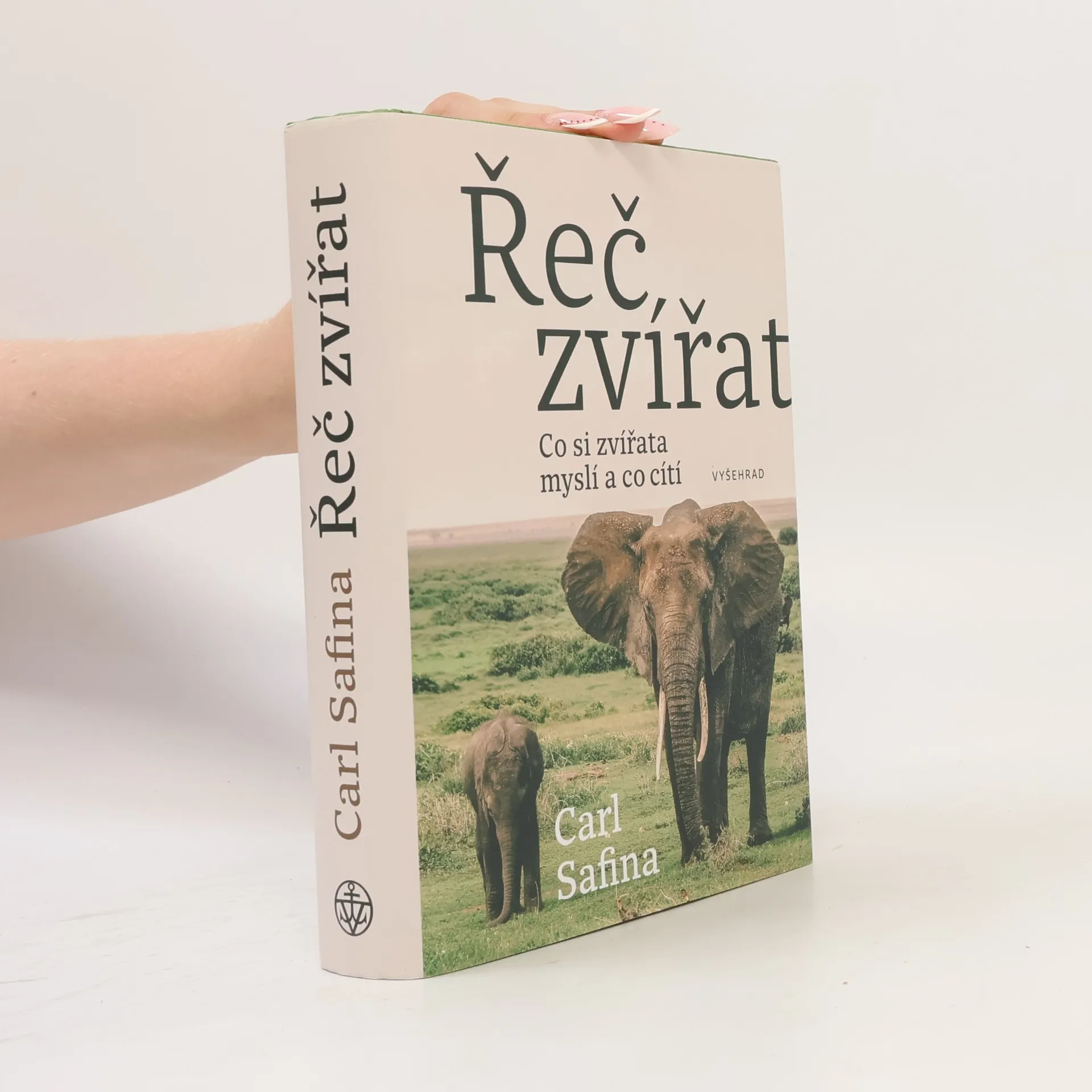
Jak dospělí sloni komunikují se svými mláďaty? Které druhy zvuků používají kosatky při hledání potravy? A jak funguje sociální dynamika ve vlčích smečkách? Nejen těmito otázkami se zabývá ekolog a populární autor knih o přírodě Carl Safina. V nesmírně poutavém vyprávění o životě, emocích a způsobech komunikace u zvířat shrnuje poznatky o inteligenci a reakcích tvorů, kteří jsou nám daleko podobnější, než si vůbec dokážeme představit.