Paul Collier is a leading economist whose work delves into the profound economic challenges facing the world. His writing rigorously examines the root causes of poverty, conflict, and inequality, offering insightful analyses and proposing actionable solutions. Collier's style is marked by its clarity, logical argumentation, and a drive to connect academic research with practical implications for global justice. Through his work, he seeks to illuminate complex economic phenomena and foster dialogue on building a more equitable and prosperous world.
Paul Collier erläutert in seinem Buch die wirtschaftlichen Probleme wohlhabender Regionen und Länder, die heute abgeschlagen sind. Er kritisiert die einheitlichen Ansätze der angloamerikanischen Wirtschaftstheorie und plädiert für eine lokal orientierte Wirtschaftspolitik, die individuelle Lösungen fördert und die Kraft kollektiven Handelns betont.
Wie der Individualismus unsere Gesellschaft zerreißt - und warum die Politik wieder dem Zusammenhalt dienen muss
Wie der radikale Individualismus unsere Gesellschaft zerreißt - und wie die Politik dagegensteuern kann Warum werden die demokratischen Gesellschaften der westlichen Welt in ihrem Kern immer weiter ausgehöhlt? Wie war es möglich, dass unter dem Firnis der Demokratie Extremismus und Populismus gedeihen? Die beiden weltweit renommierten britischen Ökonomen Paul Collier und John Kay zeigen in ihrem leidenschaftlichen Debattenbuch, wie der Ethos des extremen Individualismus unser Gemeinwesen zerrüttet – nicht nur durch das noch immer vorherrschende Ideal kapitalistischer Gewinnmaximierung und das Trugbild des Homo Oeconomicus, sondern vor allem durch die permanente Ausweitung individueller Rechte zulasten des Gemeinwohls. Sie führen vor, wohin die Gier des Einzelnen führen kann - und was politisch geschehen muss, um das Auseinanderbrechen der Gesellschaft zu verhindern.
"Two of the UK's leading economists call time on selfishness as the engine of prosperity. The idea that people are basically driven by individualism and economic incentives, and that prosperity and good societies come from top-down leadership, has dominated politics for the last thirty years (from some perspectives, much longer). This book shows that the age of homo economicus and centralisation is coming to an end. Instead, Collier and Kay argue that community and mutuality will be the drivers of successful societies in the future - as they are already in some parts of the world. They show how politics can reverse the move to extremes of right and left in recent years, that the centre can hold, and that if we think differently we can find common ground to the benefit of all"--Amazon.com
"Europe is facing its greatest refugee crisis since the Second World War, yet the institutions responding to it remain virtually unchanged from those created in the post-war era. As neighbouring countries continue to bear the brunt of the Syrian catastrophe, European governments have enacted a series of ill-considered gestures, from shutting their borders to welcoming refugees without a plan for their safe passage or integration upon arrival. With a deepening crisis and a xenophobic backlash in Europe, it is time for a new vision for refuge. Going beyond the scenes of desperation which have become all-too-familiar in the past few years, Alexander Betts and Paul Collier show that this crisis offers an opportunity for reform if international policy makers focus on delivering humane, effective and sustainable outcomes (both for Europe and for countries that border conflict zones). Refugees need more than simply food, tents and blankets, and research demonstrates that they can offer tangible economic benefits to their adopted countries if given the right to work and education. An urgent and necessary work, Refuge sets out an alternative vision that can empower refugees to help themselves, contribute to their host societies, and even rebuild their countries of origin"--Provided by the publisher.
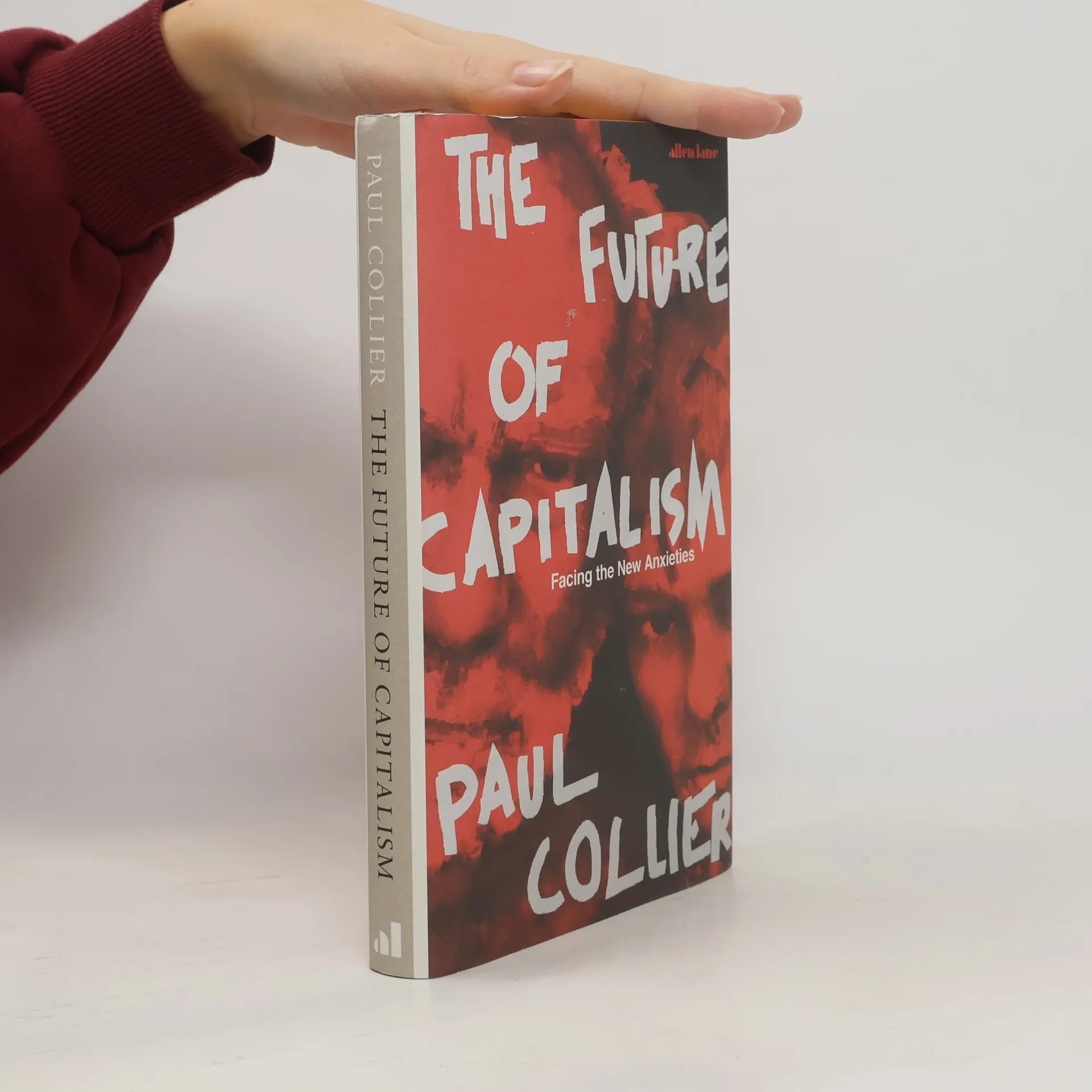
"Deep new rifts are tearing apart the fabric of Britain and other Western societies: thriving cities versus the provinces, the highly skilled elite versus the less educated, wealthy versus developing countries. As these divides deepen, we have lost the sense of ethical obligation to others that was crucial to the rise of post-war social democracy. So far these rifts have been answered only by the revivalist ideologies of populism and socialism, leading to the seismic upheavals of Trump, Brexit and the return of the far right in Germany. We have heard many critiques of capitalism but no one has laid out a realistic way to fix it, until now. In a passionate and polemical book, celebrated economist Paul Collier outlines brilliantly original and ethical ways of healing these rifts - economic, social and cultural - with the cool head of pragmatism, rather than the fervour of ideological revivalism. He reveals how he has personally lived across these three divides, moving from working-class Sheffield to hyper-competitive Oxford, and working between Britain and Africa, and acknowledges some of the failings of his profession. Drawing on his own solutions as well as ideas from some of the world's most distinguished social scientists, he shows us how to save capitalism from itself - and free ourselves from the intellectual baggage of the 20th century."--Publisher description
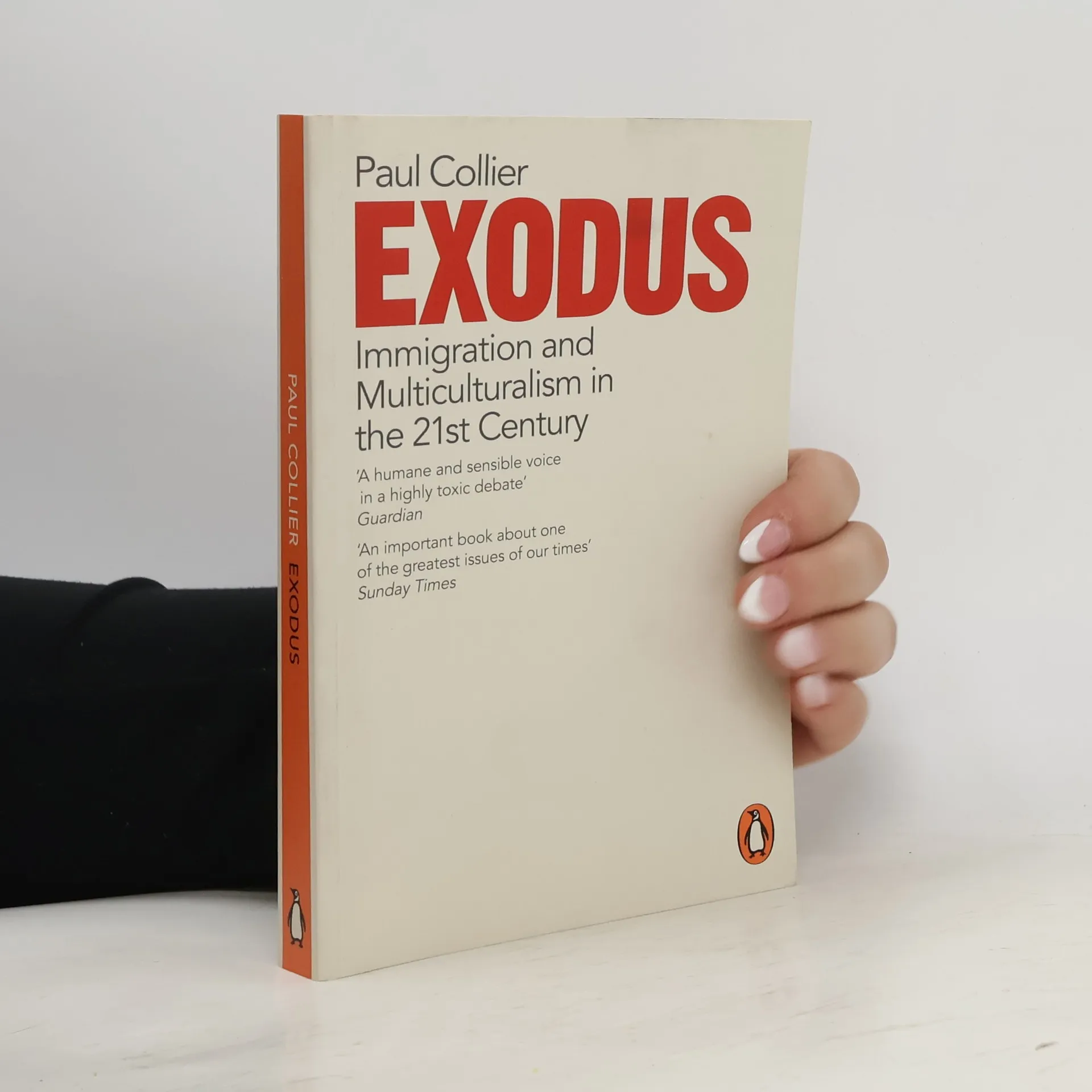
Mass international migration is a response to extreme global inequality, significantly impacting our lives. World-renowned economist Paul Collier addresses this contentious issue by examining how individuals from the world's poorest societies strive to migrate to wealthier nations. He explores the effects of migration on those left behind, host societies, and the underlying impulses shaping Western immigration policy. Collier emphasizes that migration is an undeniable reality, urging us to consider its possibilities and challenges. The focus should not be on whether migration is good or bad, but rather on determining the optimal amount.
Critics praise the work for its insightful analysis. The Economist lauds Collier as a thoughtful economist whose books provoke and illuminate. Robert D. Putnam calls it a 'must-read' for all perspectives on the issue. Ian Birrell from the Observer highlights the need to rethink the key question surrounding immigration, advocating for a focus on its beneficiaries. Melanie McDonagh from the Spectator names it her political book of the year, while Rupert Edis of the Sunday Telegraph describes it as a brave and fascinating examination of immigration's costs and benefits. Ravi Mattu from the Financial Times notes that the work creates a new framework for understanding immigration, making it a voice worth heeding.
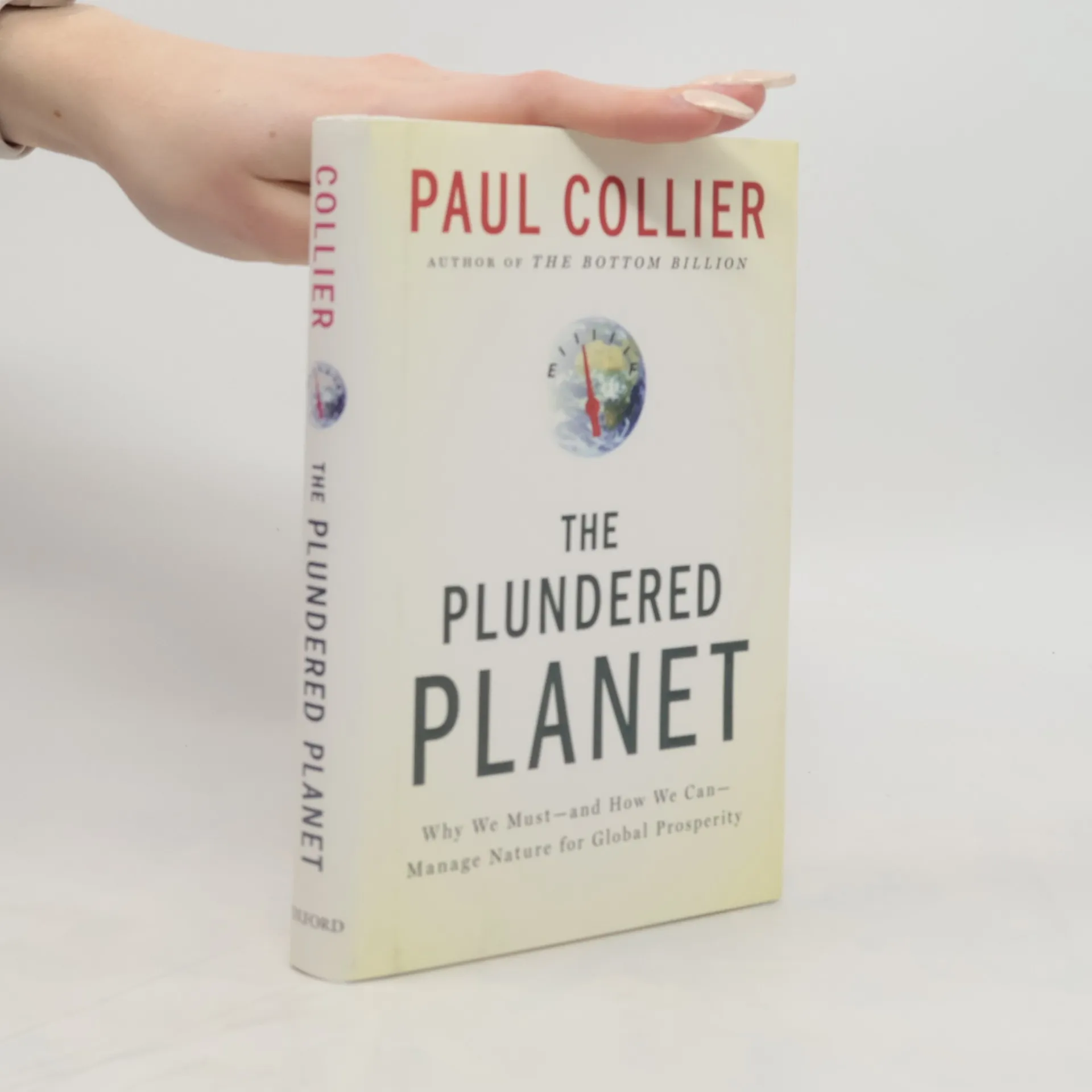
Why We Must and How We Can Manage Nature for Global Prosperity
288 pages
11 hours of reading
Argues that technological innovation, environmental protection, and regulation are key to managing the planet's natural resources and ensuring equitable development
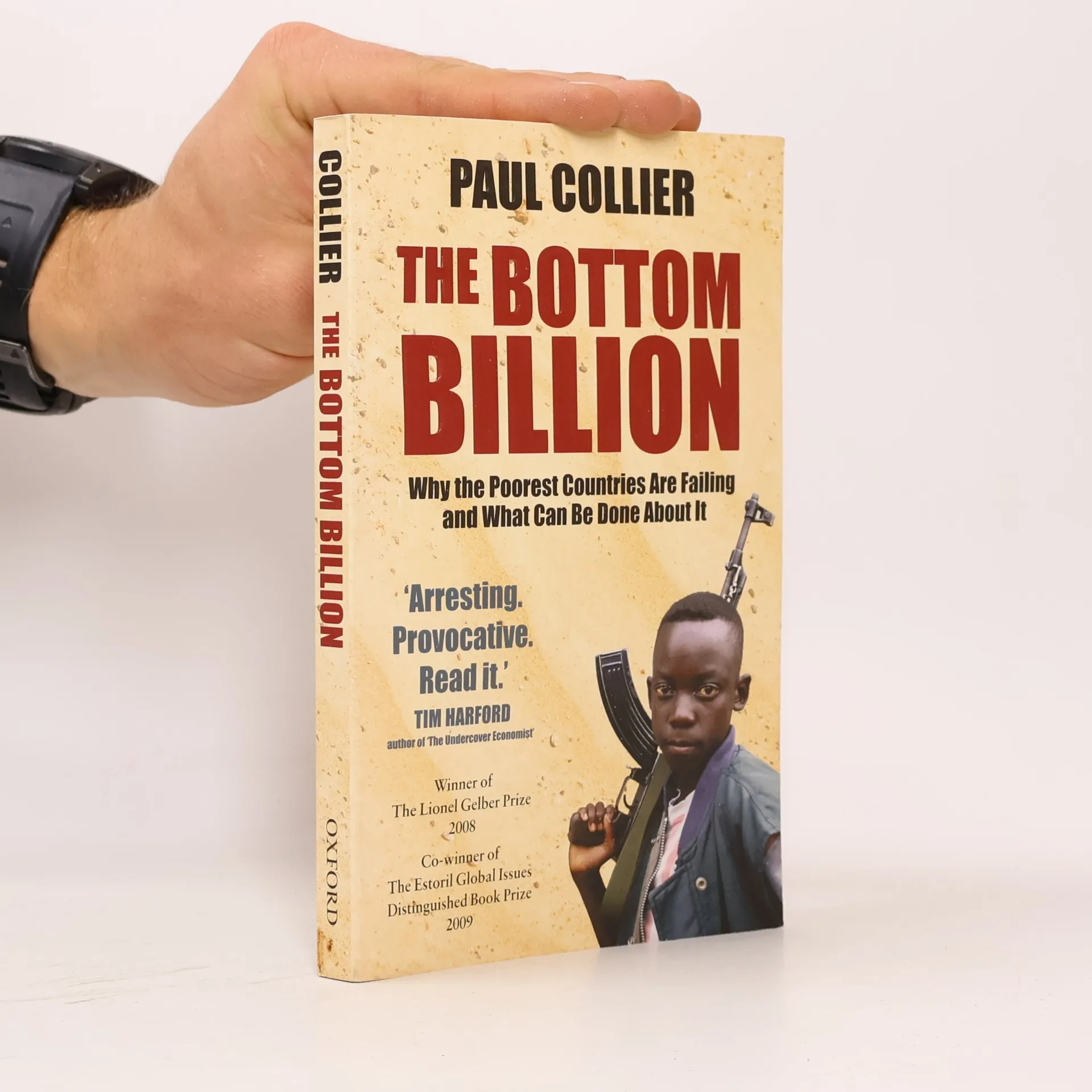
The world is in a mess. For more than a billion people, everyday life is played out against the backdrop of civil wars, military coups and failing economies. For them, the peaceful democracy taken for granted in the West seems an impossible pipe-dream.
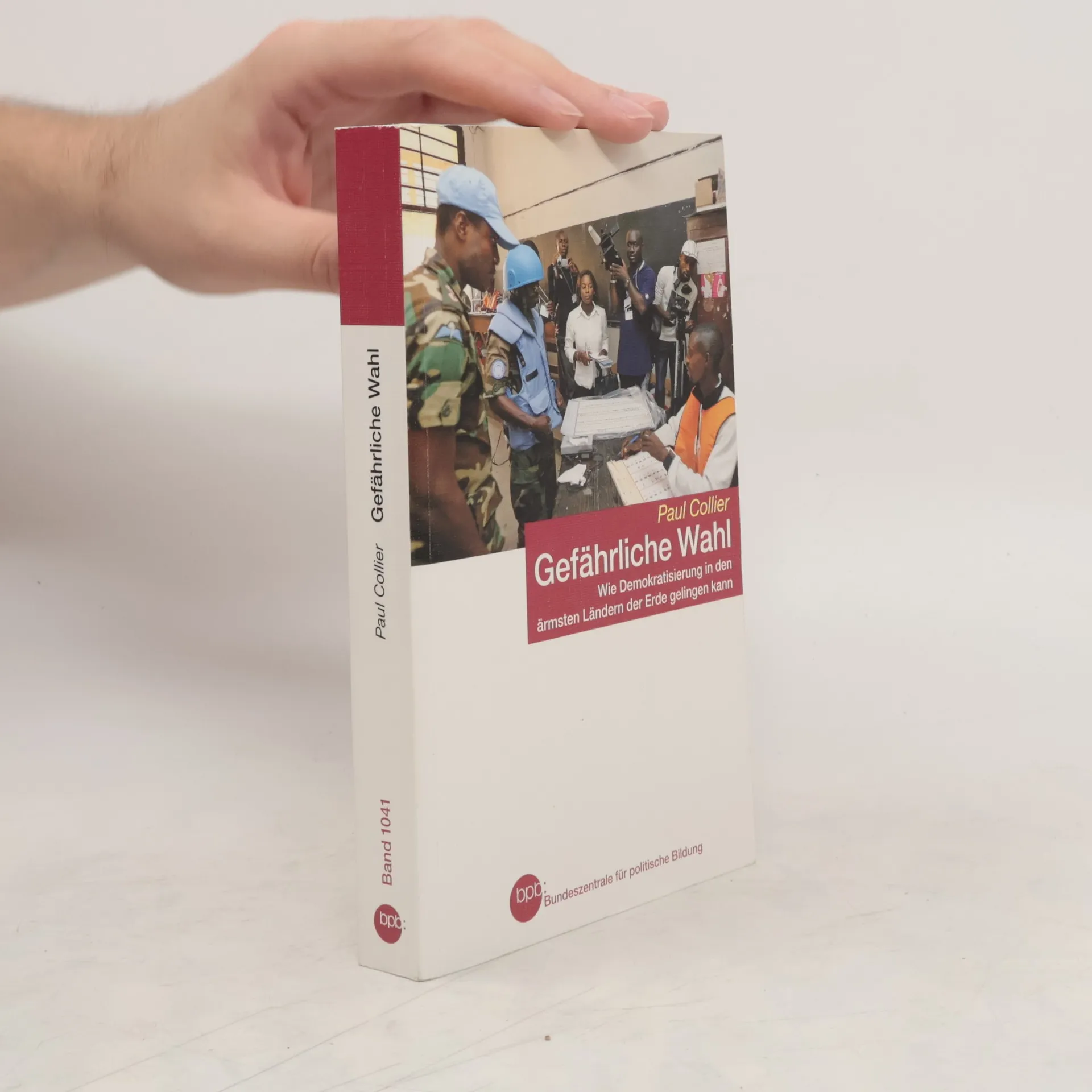
In "Gefährliche Wahl" untersucht Paul Collier die Gewalt und Armut in kleinen, abgelegenen Ländern am unteren Ende der Weltwirtschaft. Als angesehener Ökonom und Experte für Entwicklungsländer argumentiert Collier, dass die Verbreitung von Wahlen und Friedensverträgen in den gefährlichsten Ländern der Welt zu einer neuen demokratischen Welt führen könnte. Aktuell sind jedoch Bürgerkriege, Militärputsche und gescheiterte Volkswirtschaften weit verbreitet.
Durch innovative Forschung und scharfsinnige Analysen bietet Collier eine aufschlussreiche Bewertung der ethnischen Spaltungen und Unsicherheiten in Entwicklungsländern Afrikas, Lateinamerikas und Asiens, wo Korruption oft tief im politischen System verwurzelt ist. Er beleuchtet die politischen Misserfolge der USA und anderer entwickelter Länder seit dem Kalten Krieg, insbesondere die Abhängigkeit von militärischen Interventionen. Collier betont, dass diese Probleme behoben werden können und müssen. Er skizziert überzeugend, was notwendig ist, um Frieden und Stabilität zu erreichen: Die internationale Gemeinschaft muss durch Hilfe, den Aufbau von Demokratie und einen sehr begrenzten Einsatz von Gewalt intervenieren.
Bahnbrechend und provokant ist das Werk ein leidenschaftliches Plädoyer für die friedliche Entwicklung der volatilsten Orte der Erde.
Why The Poorest Countries Are Failing and What Can Be Done about It
209 pages
8 hours of reading
The Bottom Billion is an elegant and impassioned synthesis from one of the world's leading experts on Africa and poverty. It was hailed as "the best non-fiction book so far this year" by Nicholas Kristoff of The New York Times.
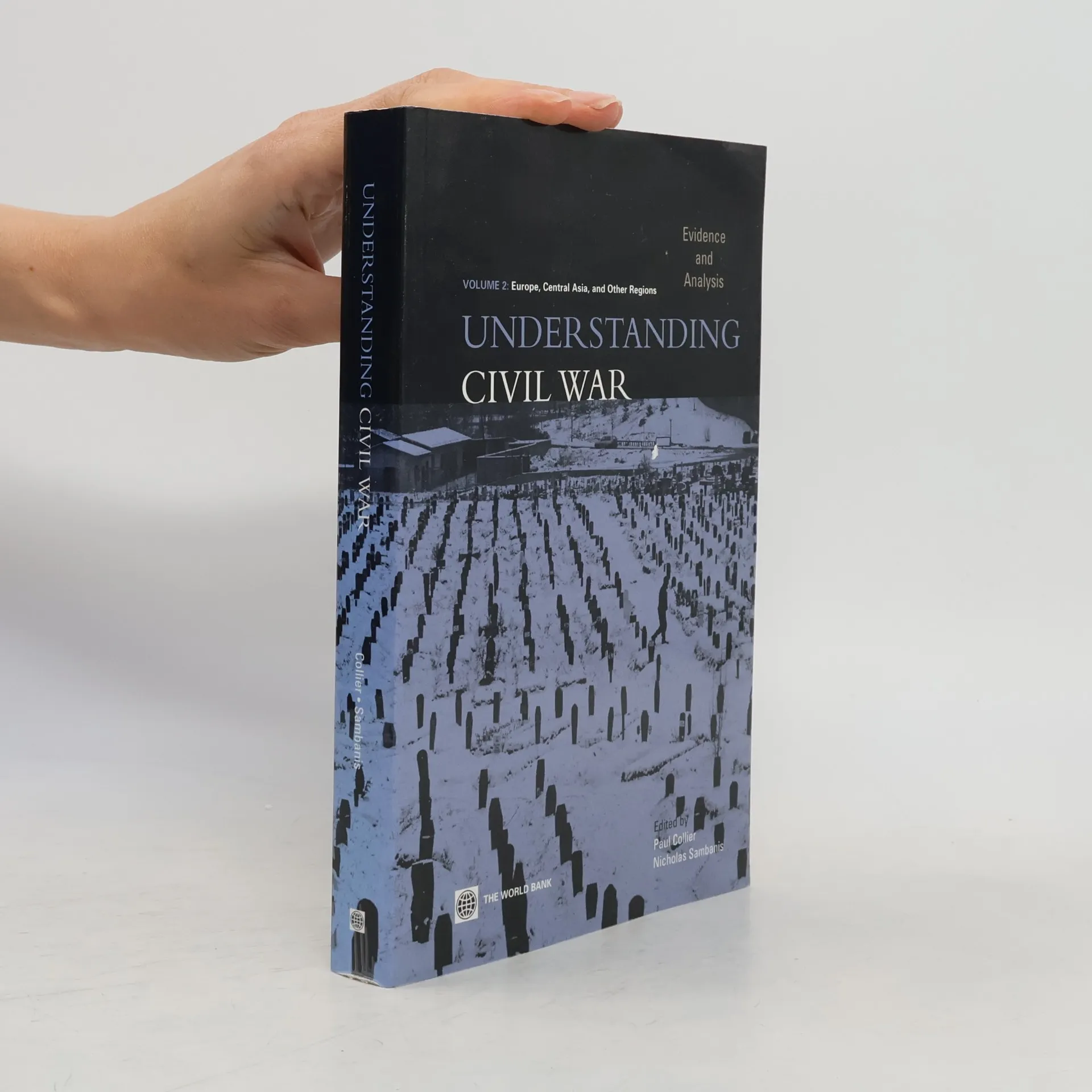
The two volumes of Understanding Civil War build upon the World Bank's prior research on conflict and violence, particularly on the work of Paul Collier and Anke Hoeffler, whose model of civil war onset has sparked much discussion on the relationship between conflict and development in what came to be known as the "greed" versus "grievance" debate. The authors systematically apply the Collier-Hoeffler model to 15 countries in 6 different regions of the world, using a comparative case study methodology to revise and expand upon economic models of civil war. The book concludes that the "greed" versus "grievance" debate should be abandoned for a more complex model that considers greed and grievance as inextricably fused motives for civil war.