

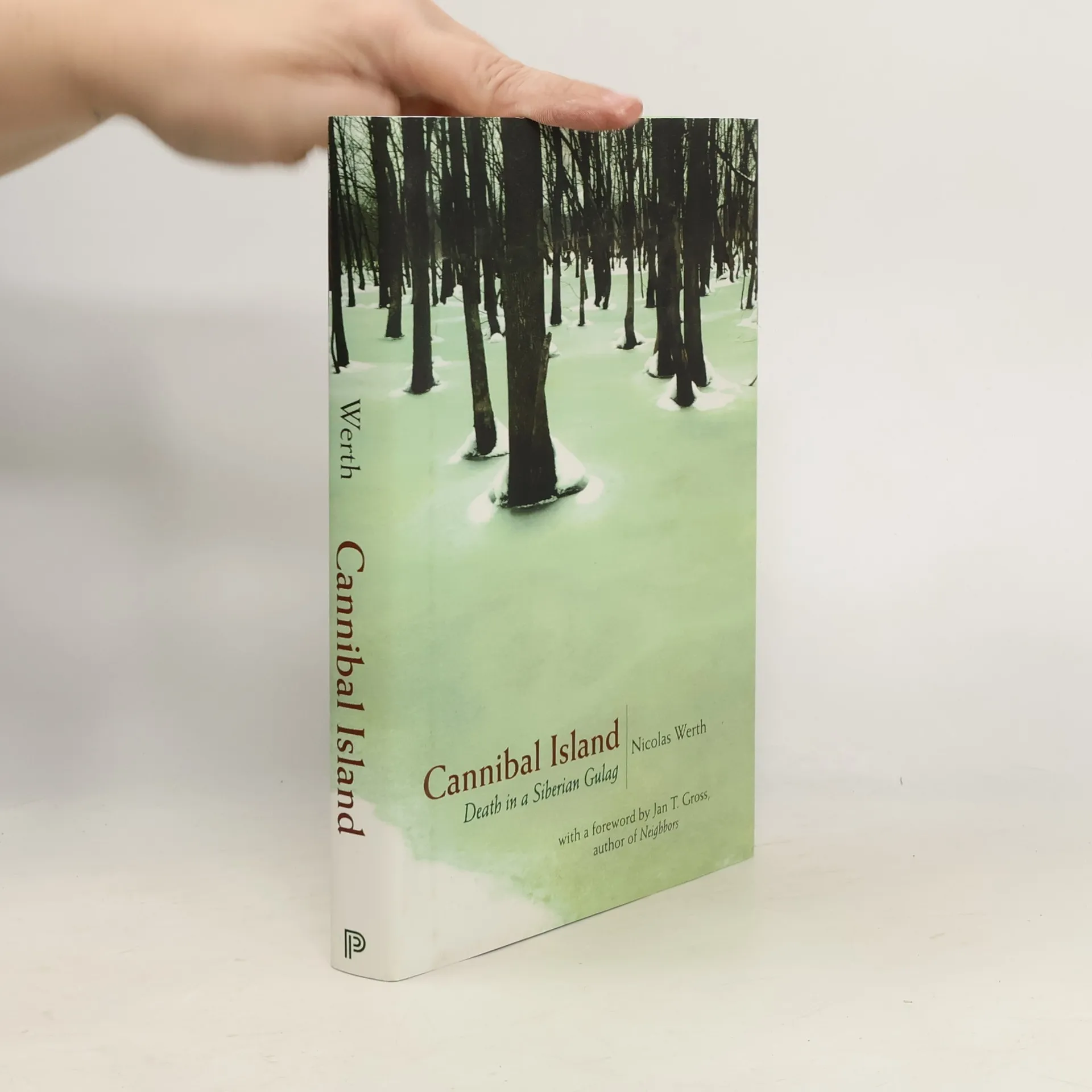
During the spring of 1933, Stalin's police rounded up nearly one hundred thousand people as part of the Soviet regime's cleansing of Moscow and Leningrad and deported them to Siberia. This work weaves this episode into a broader story about the Soviet frenzy in the 1930s to purge society of all those deemed to be unfit.
Nicolas Werth Books
January 1, 1950
Nicolas Werth is a French historian and an internationally renowned expert on communist studies, with a particular focus on the history of the Soviet Union. His work delves deeply into the darker aspects of totalitarian regimes and their impact on human lives. Werth analyzes the mechanisms of power, propaganda, and repression, uncovering the ways in which totalitarian states shaped and destroyed societies. His research contributes to an understanding of historical traumas and serves as a cautionary tale against ideological blindness.


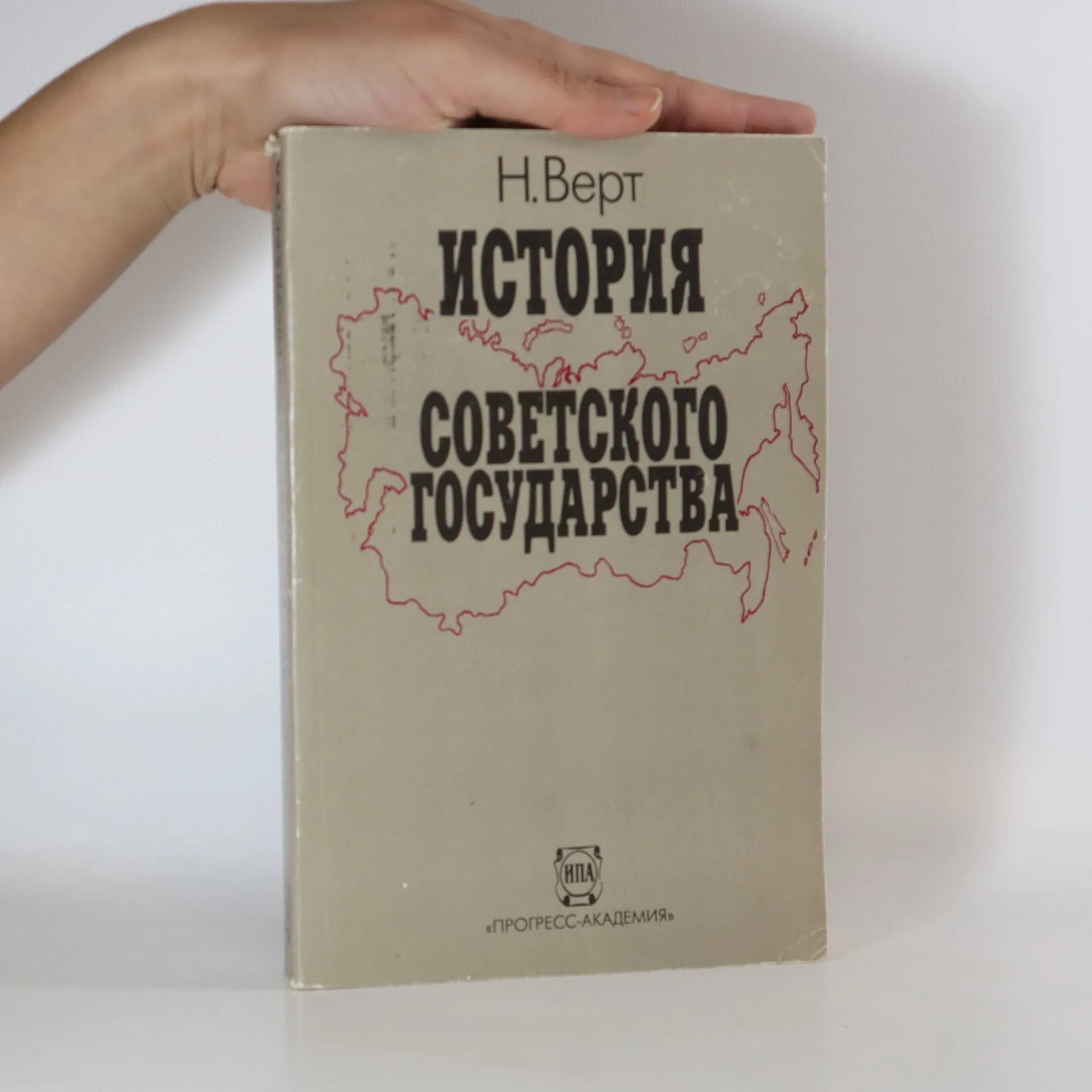
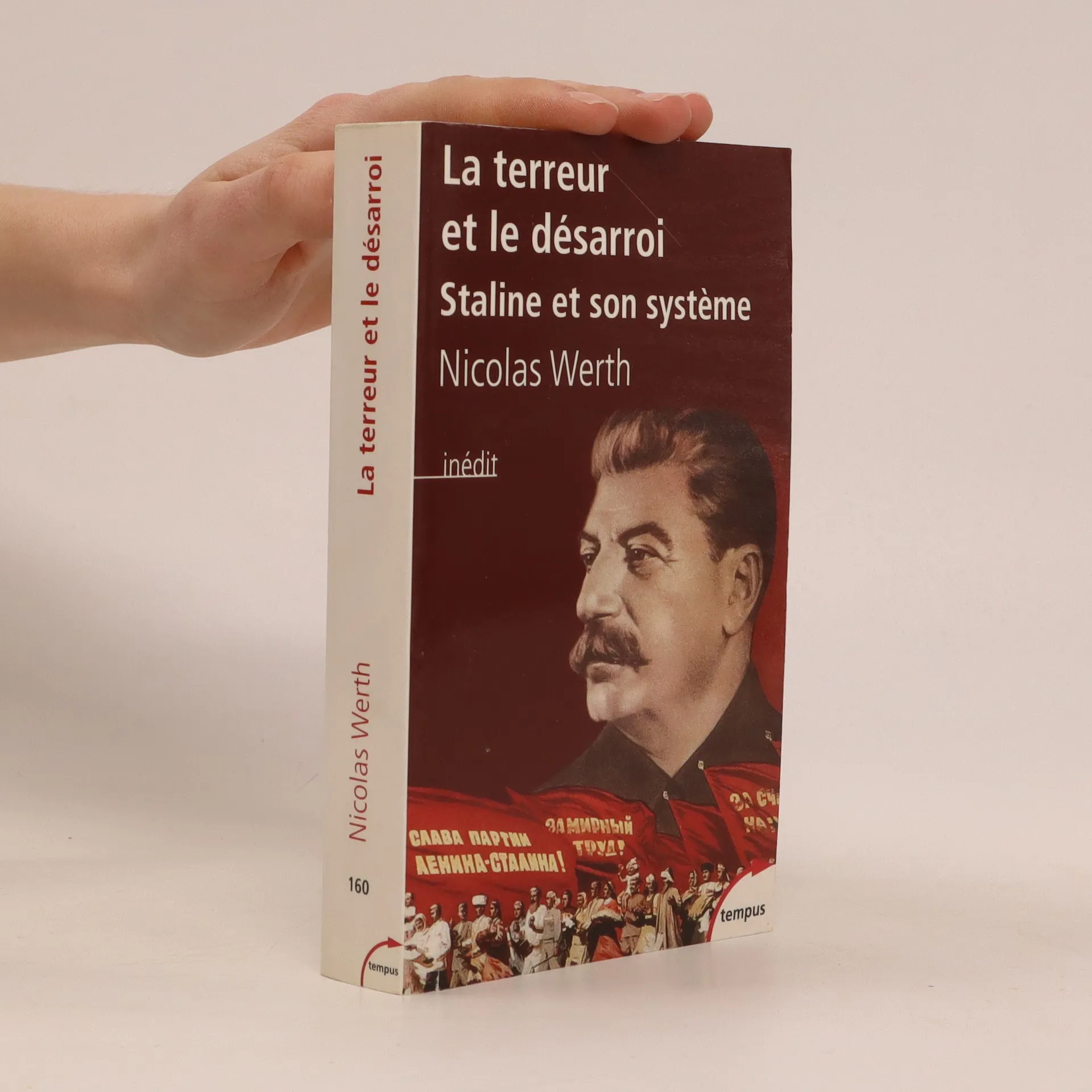
La terreur et le désarroi. Stalin et son systeme
- 614 pages
- 22 hours of reading
Métropole d'une religion de salut temporel, l'URSS de Staline fut un empire, élevé sur les ruines des nations européennes après deux guerres mondiales, et la propagandiste d'un message, apparemment universel, qui fascina des peuples du tiers monde ou des intellectuels, autant qu'il répandit une sorte de terreur partout ailleurs. Nicolas Werth explore les méandres de l'univers soviétique sous Staline. Il montre en quoi le stalinisme, dans la suite logique du léninisme, impose une ligne du parti fixée d'en haut, expérimente une véritable ingénierie sociale et propose aux Soviétiques la vision d'un monde peuplé de forces bonnes - les staliniens - et mauvaises - tous les autres, à noyer dans le sang. Mais cette extraordinaire violence du système ne se nourrit-elle pas d'une frustration permanente à contrôler un corps social éclaté ? Au croisement de l'histoire politique et d'une histoire sociale, cet ouvrage propose une nouvelle manière de penser le stalinisme.
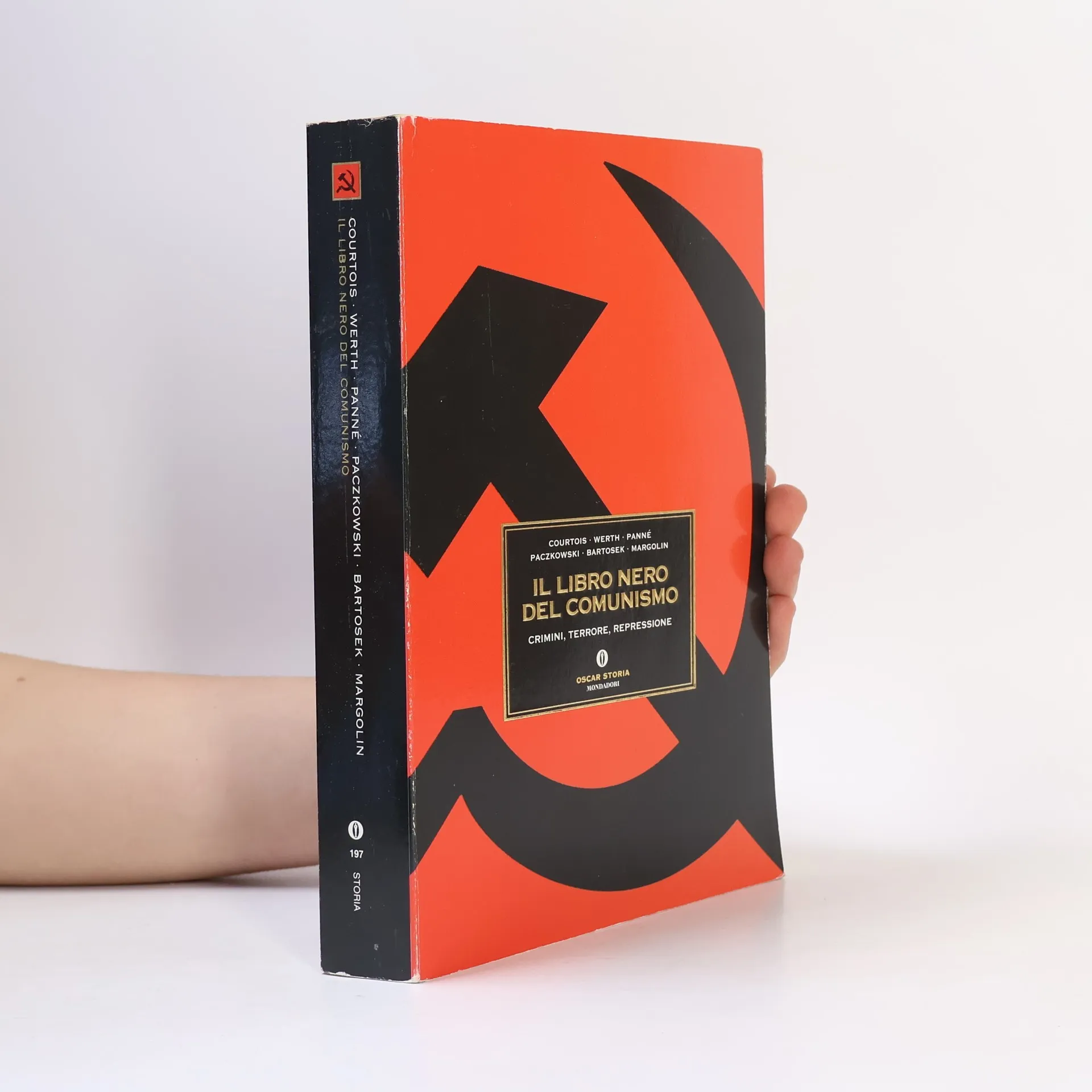
When first published in France in 1997, this work ignited a significant controversy that persists today. Even some contributors hesitated at chief editor Stéphane Courtois's assertion that Communism, in all its forms, was morally equivalent to Nazism; he argued that both totalitarian regimes excelled at killing rather than governing. Courtois and his fellow historians illustrate that Communism was responsible for mass deaths: 25 million in Russia during the Bolshevik and Stalinist periods, possibly 65 million in China under Mao Zedong, 2 million in Cambodia, and millions more across Africa, Eastern Europe, and Latin America—an astonishing toll. This propensity for violence, Courtois argues, is not coincidental but a fundamental aspect of a philosophy aimed at erasing class distinctions by eliminating the classes themselves. The authors meticulously document Communism's atrocities, providing figures that will likely spark debate among scholars and ideologues alike. Courtois also posits that those who view Lenin, Trotsky, and Ho Chi Minh favorably are unwittingly endorsing a brutal ideology. This thought-provoking work of history and social criticism deserves a wide readership and discussion.
Oscar Storia - 197: Il libro nero del comunismo
Crimini, terrore, repressione
- 770 pages
- 27 hours of reading
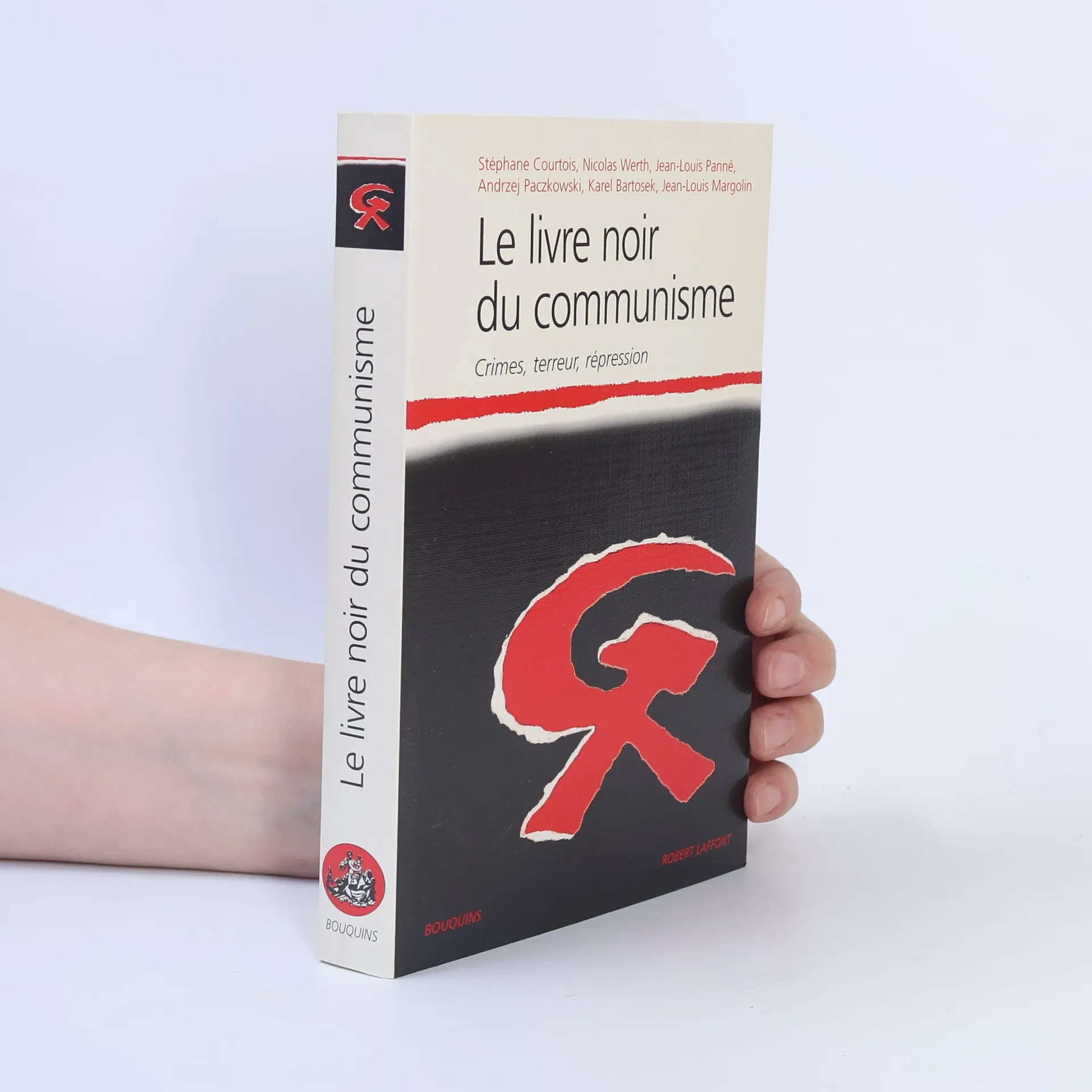
When first published in France in 1997, Le livre noir du Communisme sparked significant controversy that persists today. Even some contributors hesitated at chief editor Stéphane Courtois's assertion that Communism, in all its forms, was morally equivalent to Nazism. Courtois argued that both totalitarian systems excelled at killing rather than governing, a grim reality the world has painfully recognized. The book details the staggering death toll attributed to Communism: 25 million in Russia during the Bolshevik and Stalinist periods, around 65 million in China under Mao Zedong, 2 million in Cambodia, and millions more across Africa, Eastern Europe, and Latin America. Courtois contends that this propensity for violence was not accidental but a fundamental aspect of a philosophy aimed at eliminating class distinctions by eradicating the classes themselves. The contributors meticulously document Communism's crimes, presenting figures that will likely incite debate among historians and ideologues alike. Courtois provocatively suggests that those who admire figures like Lenin, Trotsky, and Ho Chi Minh are unwitting supporters of a violent ideology, which, despite its decline, still retains followers. This thought-provoking work of history and social criticism deserves widespread readership and discussion.
Opilec a květinářka - historie jedné masové vraždy (1937-1938)
- 254 pages
- 9 hours of reading
Historie jedné masové vraždy (1937 - 1938). Nicolas Werth, jeden z nejznámějších odborníků na sovětskou historii, na základě odtajněných dokumentů v archivech sovětského politbyra a NKVD popisuje průběh a mechanismus jednoho z nejstrašnějších státem řízených masakrů obyvatelstva dvacátého století - tzv. Velkého teroru v letech 1937 až 1938. Na základě těchto dokumentů se spoluautor Černé knihy komunismu pouští do zevrubné analýzy masové vraždy, jež zůstávala do značné míry neprobádanou.