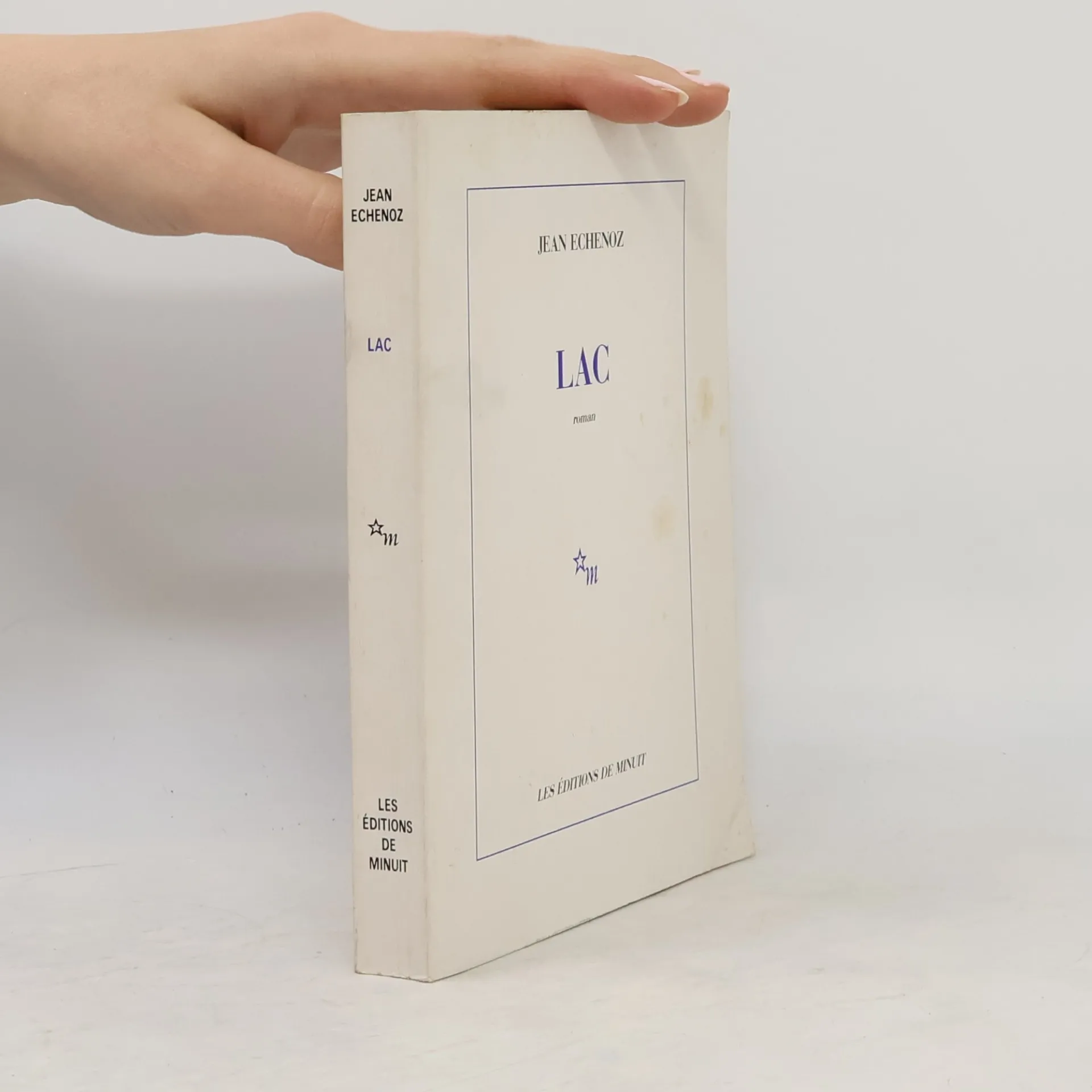
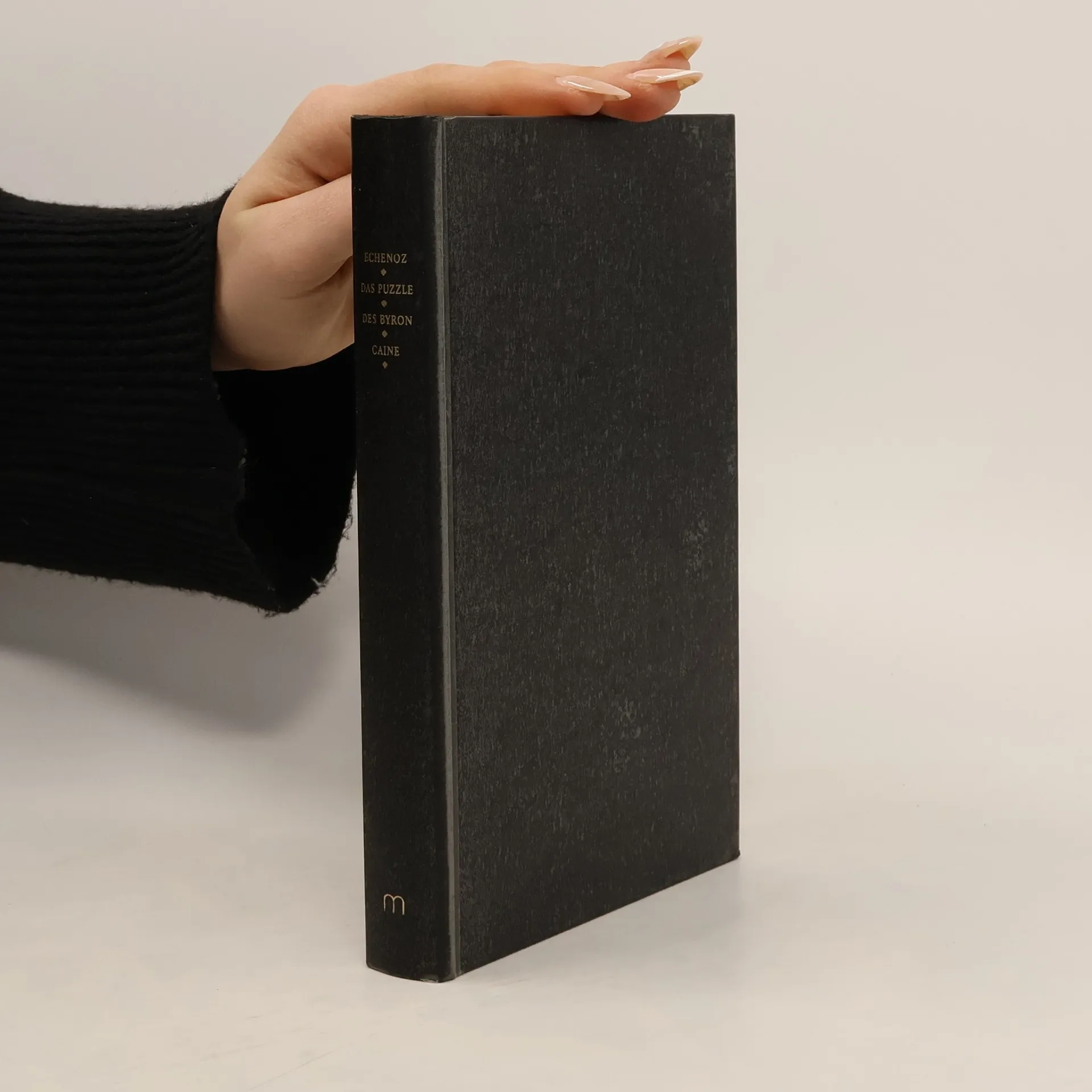
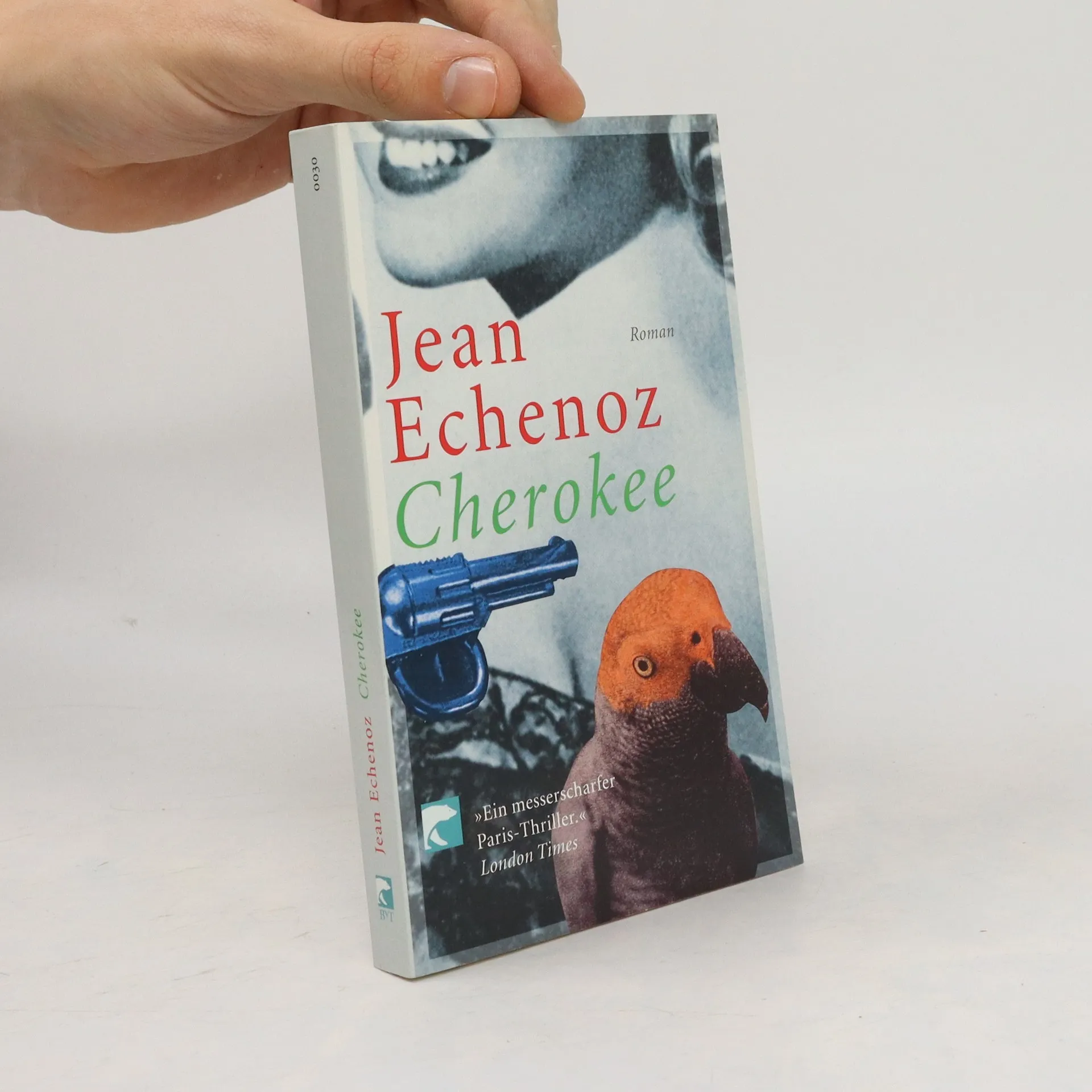
Jean Echenoz is a prominent French novelist whose works, frequently translated into English, are marked by a unique stylistic approach. His writing is characterized by its elegance and keen observation of human nature. Through his narratives, Echenoz explores various facets of existence with a sense of lightness and playfulness. His ability to capture the essence of characters and situations makes him a distinctive voice in contemporary French literature.
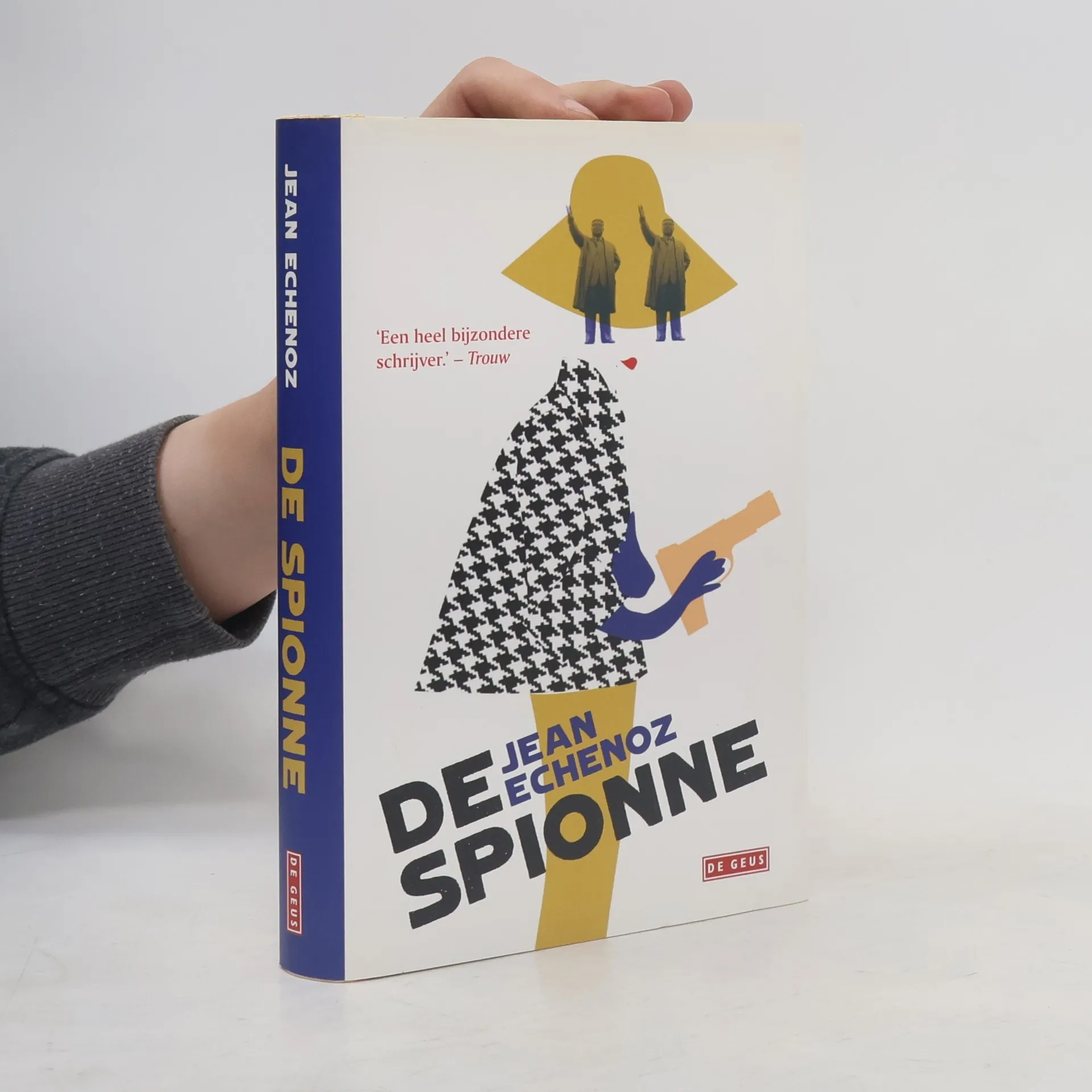
Twee contraspionageagenten zijn op zoek naar een vrouw om op een geheime missie naar Noord-Korea te sturen. Hun keuze valt op Constance. Ze wordt gekatapulteerd naar de hoogste sferen van de Koreaanse macht. Haar missie mag niet mislukken. Maar dankzij het amateurisme en de ouderwetse praktijken van de geheime dienst faalt de operatie jammerlijk. Zal Constance erin slagen het land te ontvluchten?
Nach seinem hochgelobten Roman „14“ legt Jean Echenoz, der eleganteste und subversivste Autor der Gegenwartsliteratur in Frankreich, nun funkelnde, hochkonzentrierte Kurzprosa vor. Der alte Lord Nelson pflanzt eigenhändig Eichen, er, der stets unter Seekrankheit litt, möchte sicherstellen: Seine letzte Ruhestätte soll nicht das Meer sein. In einem Schnapsfass wird dereinst sein Leichnam an Land geschafft werden. Dieses Heldenleben auf sagenhaften sechs Seiten ist der Auftakt der sieben Texte, die an sieben Erzählorten spielen – von Suffolk über das antike Babylon bis zu Le Bourget, einem Vorort von Paris. Sie eint der unverwechselbare Echenoz’sche Ton und die Aura von Nonchalance und Ironie, die alle Texte seine umgibt.
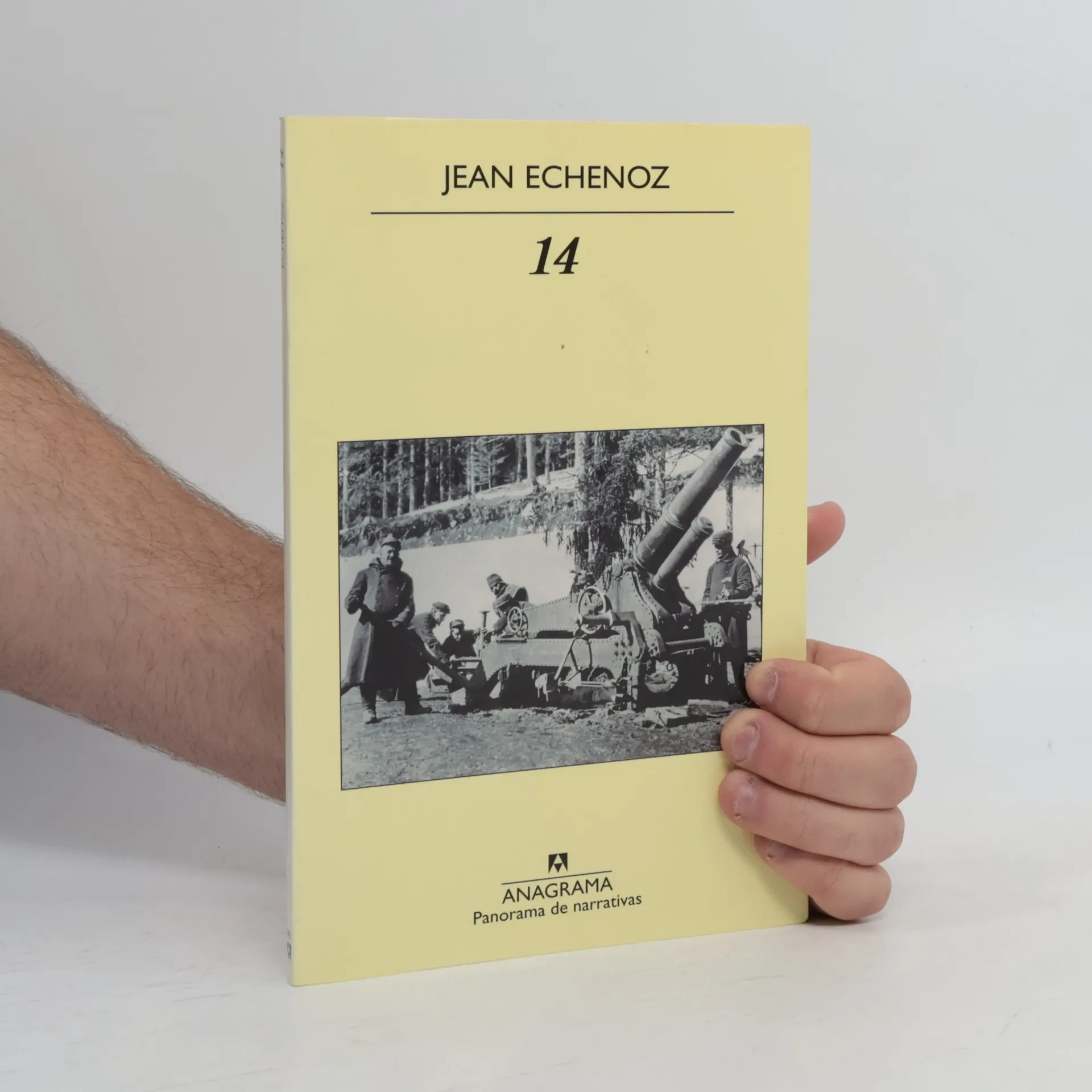
En el año 1914, cuatro jóvenes de un pueblo de la Vandea, en el oeste de Francia, llamados Anthime, Arcenel, Bossis y Padioleau son reclutados para formar parte de las filas francesas que lucharán contra Alemania y sus aliados. Cada uno de ellos tendrá una suerte distinta. El infierno dantesco de las trincheras provocará despertará en uno de ellos la idea de desertar, otro será herido y se librará de tan desproporcionado calvario y así, de diferentes formas, todos verán que esa irrupción truncará para siempre sus existencias en ese gran horror dónde carne y metal se fusionan en una pesadilla horripilante.
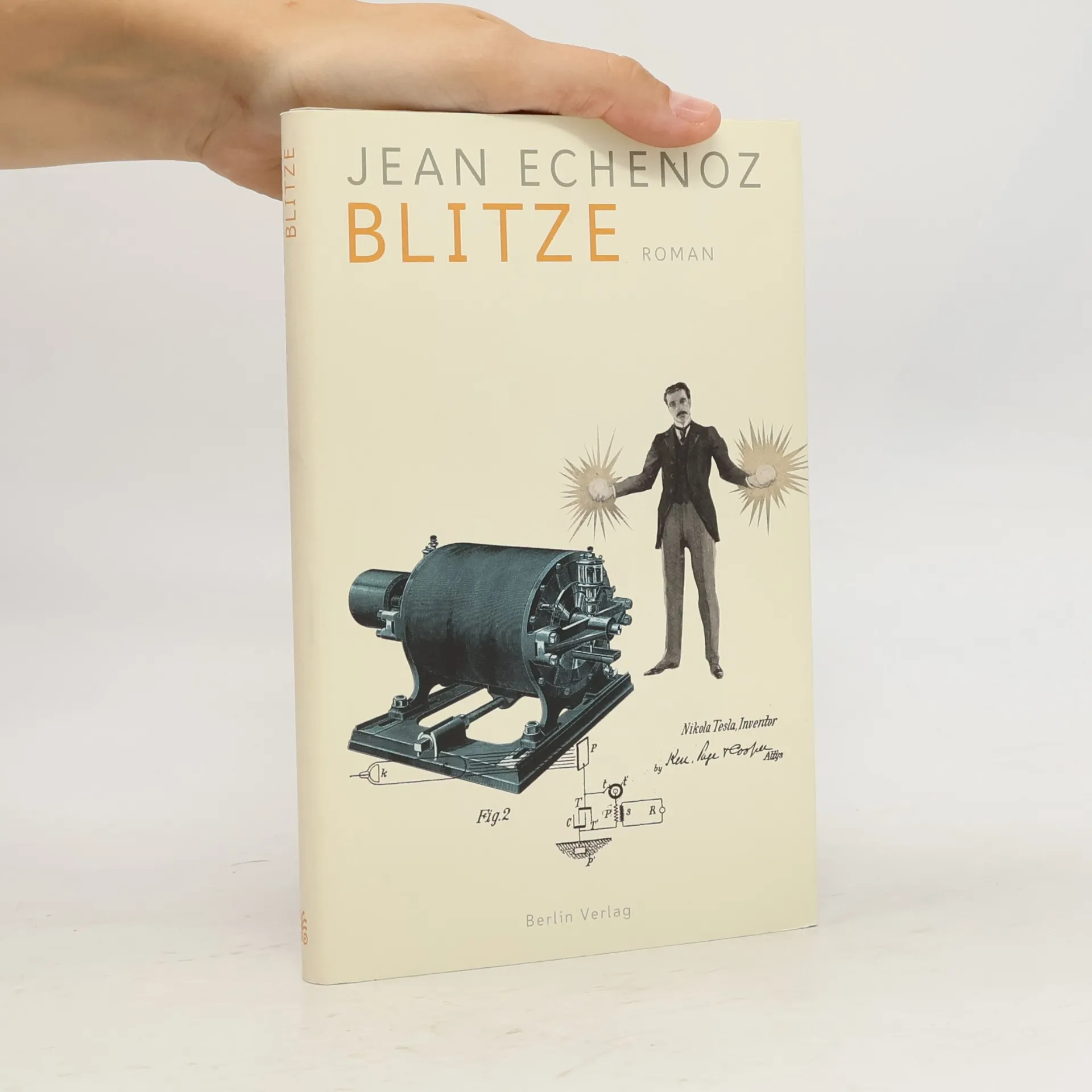
Jean Echenoz' Erzählprojekt beleuchtet das Leben des Wissenschaftlers Nikola Tesla, ein Jahrhundertgenie, dessen Erfindungen das 20. Jahrhundert prägen sollten, oft jedoch zu früh kamen oder nicht rechtzeitig patentiert wurden. Seine illuminierten Röhren wurden erst fünfzig Jahre später als Neonröhren populär. Tesla entwickelte auch einen ferngelenkten Torpedo, den das amerikanische Militär im Ersten Weltkrieg nicht nutzen konnte. Im sogenannten Stromkrieg gegen Edison setzte sich Tesla mit seinem Wechselstrom durch, der über größere Entfernungen transportiert werden konnte. Er wurde zum Star der New Yorker Gesellschaft, wo er mit prominenten Persönlichkeiten wie Kipling und Twain verkehrte und J. P. Morgan als Investor gewann. Mit Morgans Geld baute er einen Tower auf Long Island, um seine Vision der drahtlosen Energieübertragung zu verwirklichen. Diese Idee fand jedoch keinen Anklang in einer profitorientierten Wirtschaft, was zu seinem Verfall führte. Er lebte isoliert im Waldorf Astoria und fand Trost bei den Tauben, die er in seinem Hotelzimmer pflegte. Seine letzte Erfindung, die Strahlenkanone, wurde aus Angst vor Machtmissbrauch geheim gehalten. 1943 starb Tesla, und Echenoz nutzt seine biografischen Daten, um eine melancholische Variation über Einsamkeit und das Zerbröckeln zivilisatorischer Träume zu schaffen.
The narrative explores the life of Emil Zátopek, a remarkable Czech runner whose journey unfolds amid the backdrop of Soviet liberation and post-WWII communist Czechoslovakia. Initially dismissive of athletics, Zátopek's unexpected entry into a footrace ignites a profound passion for long-distance running, showcasing his determination and the physical boundaries he pushes. Jean Echenoz's prose captures both the triumphs and struggles of Zátopek's career, offering a compelling portrait of a sporting icon.
Román U piána vypráví o Maxi Delmarcovi, jenž je celou svou bytostí oddán hudbě, a to dokonce i poté, co se z bytosti stává jen přízrak, k čemuž dojde dvaadvacet dní (a osmdesát šest stran) od chvíle, kdy ho čtenář poznal - je totiž zavražděn. Dále pak postava v románu vystupuje v této záhrobní podobě. Max trpí nezměrnou trémou, již zvládá jedině pomocí alkoholu. Jakmile ale sedí u klavíru a začne hrát, napětí mizí. Na rozdíl od předchozích románů, například Jdu nebo Velké blondýny (Les Grandes blondes, 1995), se vypravěč tentokrát zaměřuje na jedinou postavu, jediný osud, tedy na zmíněného Maxe.
Ravel is a beguiling and original evocation of the last ten years in the life of the musical genius Ravel, written by novelist Jean Echenoz. The book opens in 1928 as Maurice Ravel—dandy, eccentric, curmudgeon—crosses the Atlantic abroad the luxury liner the SS France to begin his triumphant grand tour of the United States. A “master magician of the French novel” (The Washington Post), Echenoz captures the folly of the era as well as its genius, including Ravel’s personal life—sartorially and socially splendid—as well as his most successful compositions from 1927 to 1937. Illuminated by flashes of Echenoz’s characteristically sly humor, Ravel is a delightfully quirky portrait of a famous musician coping with the ups and downs of his illustrious career. It is also a beautifully written novel that’s a deeply touching farewell to a dignified and lonely man going reluctantly into the night.
Max Delmarc, der erfolgreiche 50-jährige Pianist, hat noch 22 Tage zu leben. Aber für jeden großen Künstler gibt es ein Leben nach dem Tod, und war das Leben von Max nicht eher die Hölle? Die tägliche Angst vor dem gefräßigen Rachen des Pianos war ohnehin nur im Alkohol zu ertränken, und auf die Bühne musste er förmlich gestoßen werden, bevor er sein Publikum verzauberte. Ein Leben, ganz der Kunst gewidmet, ist wie eine Schattenexistenz, in der Frauen, beispielsweise, nur als Phantome auftreten ... Nach einem nächtlichen Überfall landet Max im Purgatorium, das einem großstädtischen Krankenhaus zum Verwechseln ähnelt, und das Urteil wird gesprochen: Entlassung in ein neues Leben in einer paradiesischen Parklandschaft oder - wie für Max - in der „städtischen Zone“, die Paris sein könnte und die wir Lebenden auch Hölle nennen ...
Eine junge Frau, namens Victoire, entdeckt eines Morgens ihren Freund Félix tot neben sich in ihrem Bett. Sie erinnert sich nicht an das, was passiert ist, aber sie flieht in den Südwesten und nimmt ihre Ersparnisse mit. Ihre Flucht wird ein Jahr dauern, was den Titel erklärt. Zu Beginn läuft alles gut. Sie mietet eine Villa im Baskenland und findet einen Liebhaber. Doch der Liebhaber stiehlt ihr Geld, und Victoire durchläuft eine Reihe von sozialen Abstiegen: nach der Villa folgen immer heruntergekommener werdende Hotelzimmer, dann das Schlafen unter freiem Himmel; das Fahrrad, dann das Trampen, und als sie zu schmutzig und zerlumpt für das Trampen geworden ist, das ziellose Gehen, die Verbindung zu anderen Obdachlosen, das Stehlen, die Enge, der schrittweise Verlust von sich selbst und der Welt. Die Geschichte einer Wanderschaft in Form eines Abstiegs, ein picaresker Abenteuer, das der Autor am Ausgangspunkt wieder enden lässt. Ein Jahr, in seiner linearen, unmittelbaren Einfachheit, hebt die Poetik von Echenoz hervor. Diese beruht auf dem ständigen Kampf zwischen einer geheimnisvollen Realität, deren Sinn ständig entgleitet – die Welt, die Objekte, die Menschen, die Formen, die Klänge, die Worte, der Raum, die Zeit – und den Worten, um sie so genau wie möglich auszudrücken.
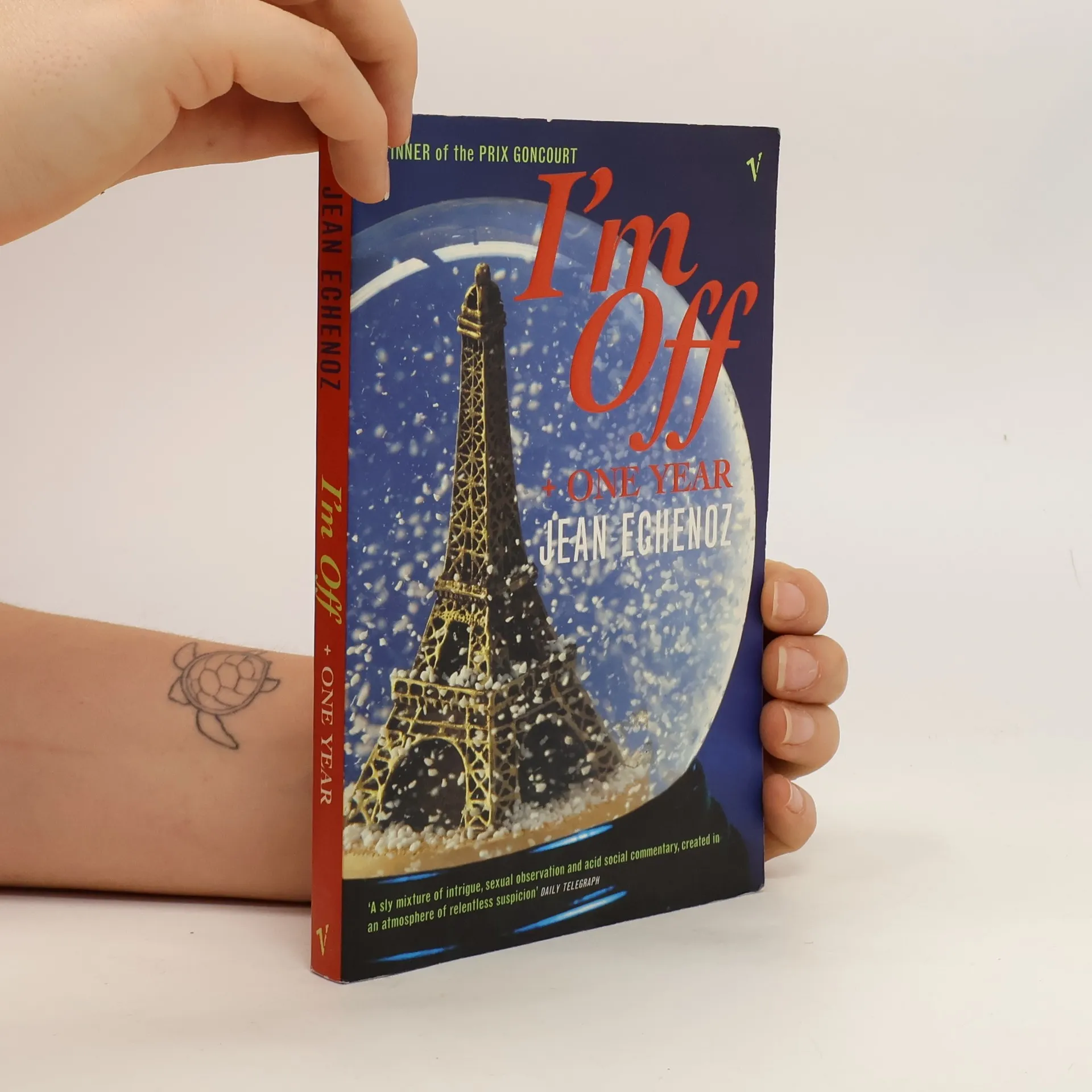
'I'm off', says Félix Ferrer to his wife. 'I'm leaving you'. And closing the door on their suburban home, Ferrer, a creature of appetite, impulse and habit, a man of our times, embarks on a journey to the extremes. A man at Ferrer's time of life should be starting to treat himself - and his heart - carefully, not living the bachelor life in the Paris atelier that doubles as his art gallery. Not weighing up every girl he sees. Not ignoring his doctor's warnings to avoid the very hot and the very cold. And certainly not making for the North Pole in pursuit of a rare cargo of Inuit artefacts.Soon, back from the merciless Arctic, packed with ex-girlfriends, anxious artists and suspicious creditors, Paris in the summer begins to feel very hot indeed for Ferrier...In One Year Victoire wakes up one morning to find her boyfriend lying dead beside her. Not wanting to be caught with a corpse, she packs her bags, raids her bank account and makes off, randomly, for the Southwest. And when she has lost her belongings, her money, her looks and almost herself - one year later - the coast is clear for her to come back to Paris. But nothing prepares her for the shock of what greets her return...
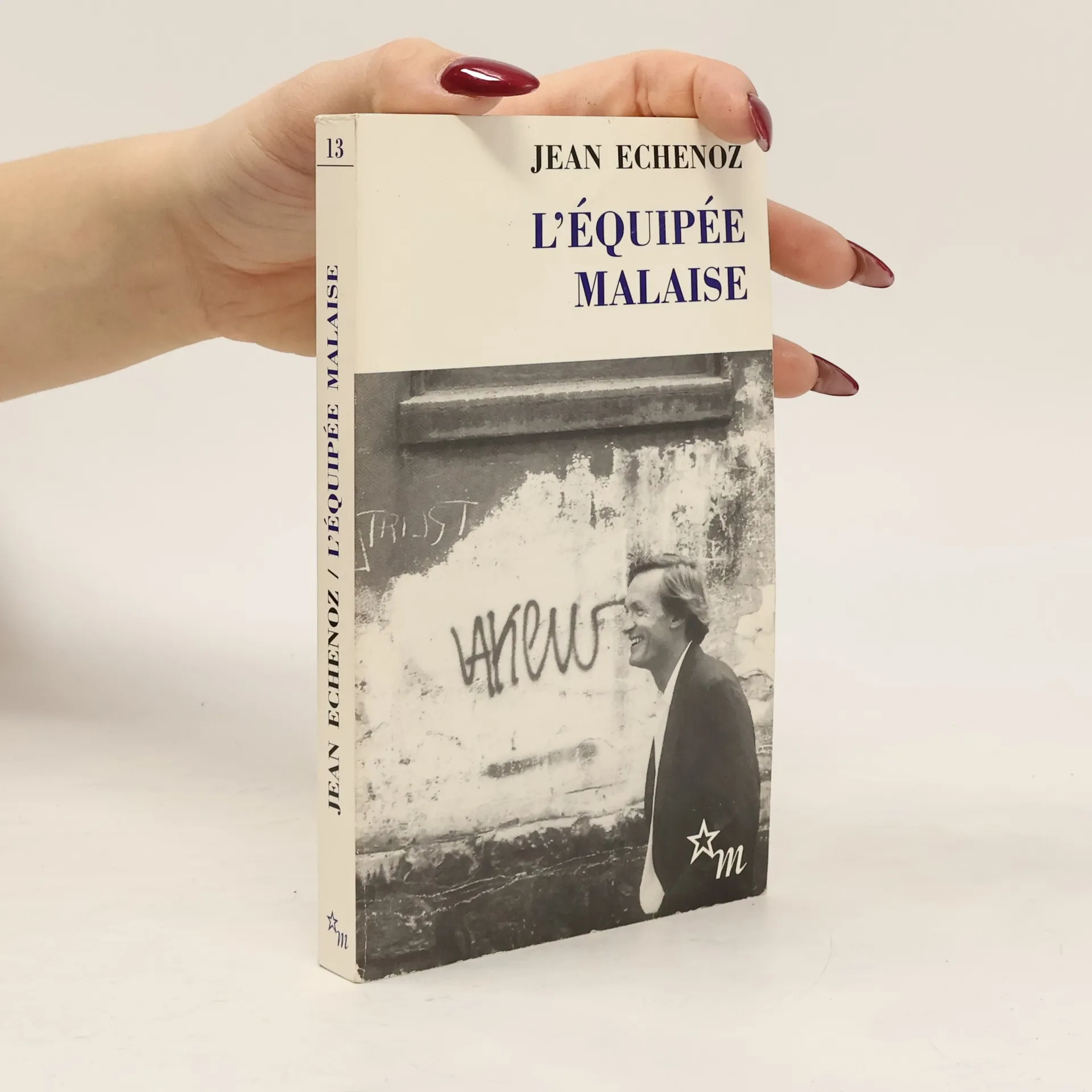
La Malaisie, ce serait la belle vie si le Duc Pons ne risquait de s'en voir chassé. Cette idée n'est pas supportable : plutôt que renoncer au pouvoir, au grand air, à ses projets astronomiques, le duc choisit la résistance. D'Europe il va faire venir des renforts, embarqués à bord d'un cargo cypriote.
"I'm Gone begins simply enough: the hero, an urbane Parisian art dealer, tells his wife he's leaving her, drops his keys on the table, and walks out forever. His new existence is as madcap and unpredictable as his old was staid. French phenomenon Jean Echenoz's newest novel is a bitingly humorous look at the uncertainties of love at midlife, a suspenseful crime caper, and a witty, satirical foray into corruption in the international art market."--BOOK JACKET.
Vous travaillez pour la télévision. Comme vous souhaitez produire une série sur les grandes filles blondes au cinéma, mais aussi dans la vie, vous pensez faire appel à Gloire Abgrall qui est un cas particulier de grande blonde. On l'a vue traverser, dans les journaux, les pages Arts et spectacles puis les pages Faits divers du côté des colonnes Justice, il y a quelques années. Ce serait bien, pensez-vous, de lui consacrer une émission. Certes. Malheureusement, Gloire est un peu difficile à joindre. Le talent d'Echenoz n'a jamais été aussi éclatant maîtrisé et plaisant. C'est un bien grand crime en effet que de séduire ses lecteurs ; de les faire sourire et rire, de les enchanter de phrases légères comme du duvet, de distiller le saugrenu, de jouer avec la langue comme un chat avec une pelote de laine. Echenoz déploie une écriture qui ne pèse pas, qui n'appuie jamais, comme si elle se refusait à exercer le moindre pouvoir de persuasion ou de coercition. Son pouvoir est ailleurs, dans l'ordre poétique. D'où l'étrange impression de se mouvoir dans un espace aérien, libéré des règles de la gravitation. Nabokov et Queneau souvent donnent aussi le sentiment que leur écriture n'adhère pas, qu'elle n'est pas destinée à coller au réel, mais à d'autres usages moins gluants. Pierre Lepape, Le Monde.
Franck Chopin n'est pas de ces hommes qui ont eu très tôt un but dans la vie. Nulle vocation chez cet individu sinon celle de vétérinaire, vers dix ans, lorsqu'il aimait tellement soigner les petits mammifères, puis à vingt ans celle de chef de la révolution mondiale (Marx, Engels, Lénine, Chopin) – ensuite plus rien. Ensuite il va faire des études de sciences, qui le ramèneront à s'occuper des animaux – mais son objet d'étude est devenu l'insecte, la mouche plus précisément, qui est un genre qu'on ne soigne pas. Et quatre ou cinq fois dans sa vie, il a disparu deux mois ; comme il connaît peu de personne, on ne s'est pas trop inquiété.Ces quatre ou cinq fois-là, personne au monde que le colonel Seck n'a su où il était. Le colonel Seck est l'officier traitant de Frank Chopin qui, outre ses travaux scientifiques, est également un fonctionnaire du renseignement à quart de temps, une sorte d'agent dormant qu'on réactive de temps en temps. Autant dire qu'il est un innocent, comme à peu près tous les espions, malgré ses vastes connaissances des théories et des techniques. Il n'est qu'une taupe, puisque c'est le mot, une taupe assez myope enfouie dans le sol natal. Or s'il n'était que myope jusqu'à ce jour d'averse, lorsqu'il rencontre Suzy Clair sur les Champs-Élysées, dès lors c'est absolument aveugle qu'il devint.
Georges Chave, Privatdetektiv, ein Mann, der wie Humphrey Bogart redet, ist hinter einer Frau her, die wie Angie Dickinson aussieht. 'Cherokee' heißt eine seltene Platte von Charlie Parker, die der Held verliehen und nicht zurückbekommen hat. Die Suche nach diesem Fetisch verquickt sich mit Nachforschungen nach dem Erben des Vermögens einer ausgestorbenen Familie und mit der Fahndung nach dem gestohlenen Papagei Morgan, der wiederum Auskunft geben soll über den Verbleib einer schönen Frau. Ein wirbelndes Karussell der Verfolgung durch das nächtliche Paris nimmt seinen Lauf.