Nick Bostrom is a leading thinker whose work deeply engages with humanity's future challenges, particularly in the realm of artificial intelligence and existential risks. His analyses delve into the complex ethical and philosophical questions posed by technological advancement. Bostrom's approach is marked by profound contemplation and a drive to anticipate and prepare for potential future scenarios. His influence on the global conversation regarding the future of machine intelligence is substantial, catalyzing the emergence of a new field of technical research.
An astonishing group of 69 Character Heads by German sculptor Franz Xaver
Messerschmidt (1736-1783) has fascinated viewers, artists, and collectors for
more than two centuries. This title presents works created by and inspired by
Messerschmidt, an artist both of and ahead of his time.
The human brain possesses unique capabilities that set our species apart, granting us a dominant position despite other animals having superior physical traits. If machine intelligence surpasses human intelligence, this superintelligence could wield significant power, making our fate increasingly reliant on its actions. However, we have the opportunity to shape this future. The challenge lies in whether we can create a seed AI or establish conditions for a safe intelligence explosion. Achieving a controlled detonation of intelligence requires navigating a complex array of topics and considerations. This exploration includes concepts such as oracles, genies, singletons, and various strategies for managing AI development. Readers will encounter discussions on humanity's cosmic role, technological disparities, indirect normativity, and the interplay between artificial and biological cognitive enhancements. The book delves into Malthusian economics and the evolution of dystopian futures, all while maintaining clarity in its writing. It presents a profound and ambitious examination of the human condition and the future of intelligent life, ultimately redefining the critical challenges we face in our time.
A greyhound catching the mechanical lure--what would he actually do with it? Has he given this any thought? Bostrom's previous book, Superintelligence: Paths, Dangers, Strategies changed the global conversation on AI and became a New York Times bestseller. It focused on what might happen if AI development goes wrong. But what if things go right? Suppose that we develop superintelligence safely, govern it well, and make good use of the cornucopian wealth and near magical technological powers that this technology can unlock. If this transition to the machine intelligence era goes well, human labor becomes obsolete. We would thus enter a condition of "post-instrumentality", in which our efforts are not needed for any practical purpose. Furthermore, at technological maturity, human nature becomes entirely malleable. Here we confront a challenge that is not technological but philosophical and spiritual. In such a solved world, what is the point of human existence? What gives meaning to life? What do we do all day? Deep Utopia shines new light on these old questions, and gives us glimpses of a different kind of existence, which might be ours in the future.
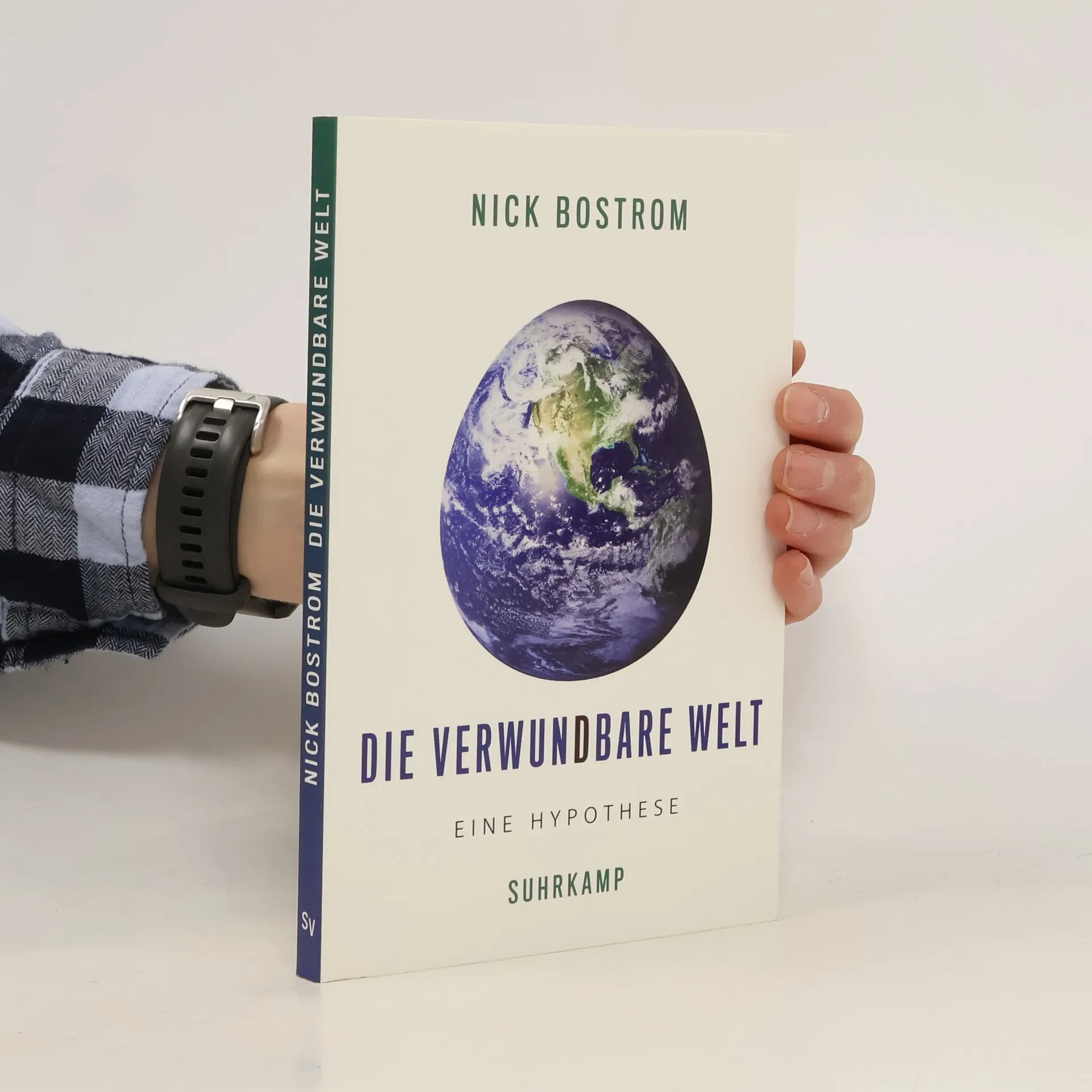
Eine Hypothese | Klimawandel, Pandemien, Atomkrieg: Was tun, wenn die Existenz unserer gesamten Zivilisation auf dem Spiel zu stehen droht?
112 pages
4 hours of reading
Angesichts von Klimawandel und Pandemien wächst global das Bewusstsein, dass die Welt, wie wir sie kennen, womöglich nicht ewig währt - dass die Lebenserwartung der menschlichen Zivilisation als ganzer maßgeblich von unserem Handeln abhängt. Unsere Welt ist verwundbar, ja, es sind sogar Szenarien der vollständigen Selbstzerstörung denkbar, sofern keine geeigneten Maßnahmen zu ihrer Stabilisierung ergriffen werden. Dies ist die Hypothese, die Nick Bostrom in einem vieldiskutierten Text aufstellt, der nun erstmals in deutscher Übersetzung erscheint. Bostrom geht davon aus, dass die technologische Entwicklung unweigerlich auf einen Punkt zusteuert, an dem es kritisch wird. Historisch gesehen, war das schon einmal fast der Fall, wie er mit einem atemberaubenden Gedankenexperiment illustriert, das in der Zeit des Kalten Krieges spielt. Dann entwickelt er einige nur allzu plausible Szenarien, die den Untergang der menschlichen Zivilisation mit großer Wahrscheinlichkeit herbeiführen würden - es sei denn, wir treffen rechtzeitig Gegenmaßnahmen. Welche das sein könnten, diskutiert Bostrom im zweiten Teil dieses wichtigen Buches, das mit Empfehlungen an die Politik schließt. (Quelle: buchhandel.de)