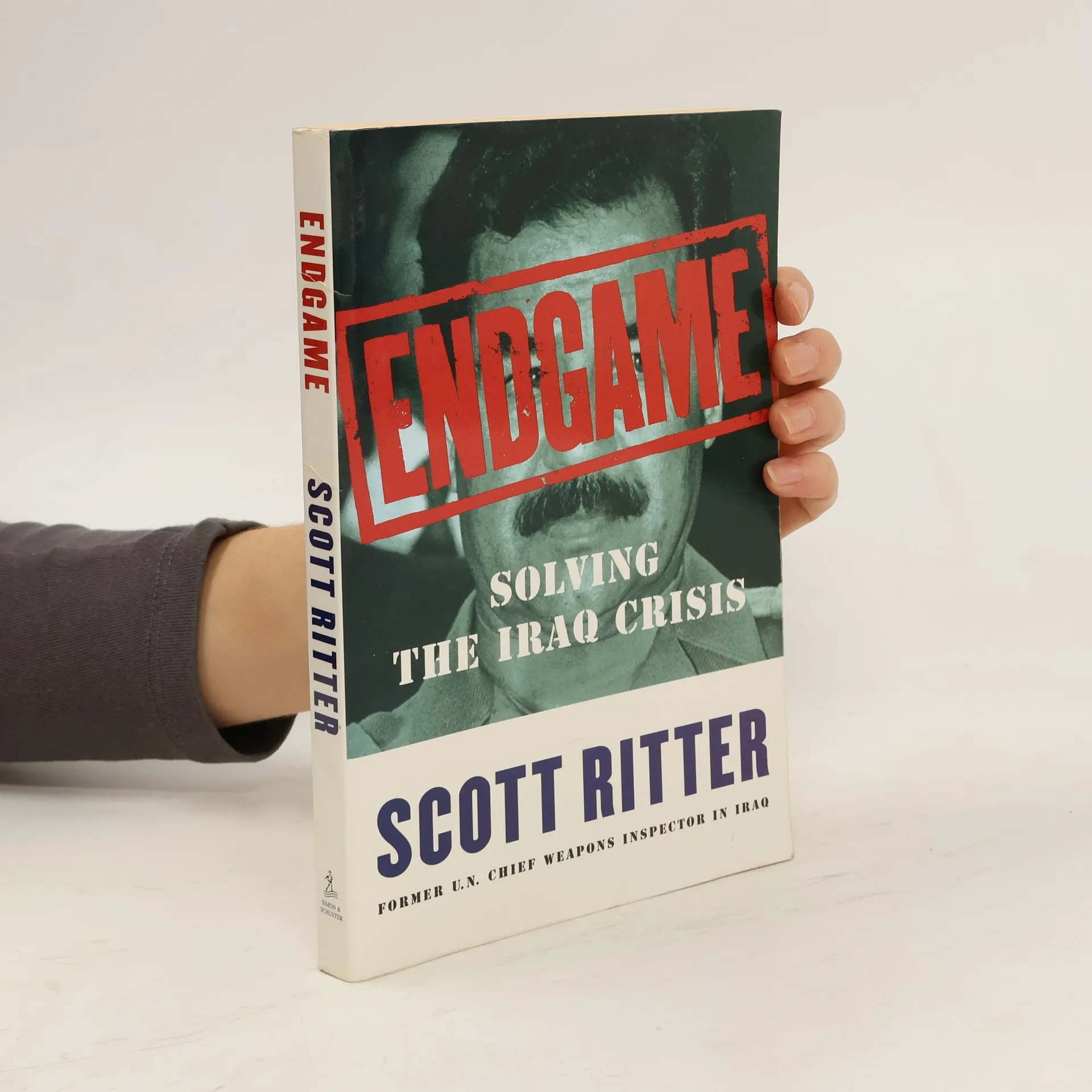
As the United States heads toward confrontation with Iraq, former U.N. Chief Weapons Inspector Scott Ritter updates his book about his experiences in Iraq to explain why he believes Saddam Hussein does not pose a threat to the U.S. and why we should not invade Iraq.
Updated to reflect recent changes in the monetary and financial system, this book begins with an outline of the basics of financial and monetary theory, and goes on to examine particular areas, such as central banking, financial markets and interest rates and international finance.
" Quand j'ai quitté l'Irak en 1998, à l'arrêt du programme d'inspection, l'infrastructure et les équipements avaient été éliminés à 100 %. Cela est indiscutable. (...) Et l'on peut dire sans équivoque que l'infrastructure industrielle nécessaire à l'Irak pour produire des armes nucléaires n'existe plus. " Scott Ritter En 1998, au terme de sept années de mission en Irak, Scott Ritter et les inspecteurs mandatés par les Nations unies ont confirmé la destruction de l'arsenal d'armes biologiques, chimiques et nucléaires de l'Irak. Pourquoi, dès lors, mener une nouvelle guerre à l'Irak ? Scott Ritter et William Rivers Pitt analysent les raisons d'une guerre annoncée contre l'Irak par la Maison blanche et soulignent l'absence totale de liens entre Al Qaida et Saddam Hussein (d'ailleurs cible d'Oussama Ben Laden, comme de George W. Bush). Scott Ritter et William Rivers Pitt démontrent pourquoi un changement de régime, appelé de leurs vœux par MM. Bush et Blair, est absurde et ne conduirait pas nécessairement à la démocratie dans un pays divisé depuis des siècles. Au final, ils mettent en garde contre les conséquences désastreuses d'une telle action conjointe des forces armées américaines et britanniques.
Scott Ritter, Parteifreund von George W. Bush und nun sein schärfster Kritiker, war von 1991 bis 1998 UN-Waffeninspekteur im Irak. Er wäre der erste, ein militärisches Vorgehen gegen Saddam Hussein zu befürworten, wenn dieser über Massenvernichtungswaffen verfügte. Doch in diesem Buch legt Ritter dar: Die Begründungen, die die amerikanische Regierung für ihren Krieg gegen den Irak anführt, sind falsch. Es gibt keinerlei Beweise, dass der Irak über funktionstüchtige Atomwaffen oder biologische oder chemische Massenvernichtungswaffen verfügt, die eine Bedrohung für andere Länder darstellen. Ebenso kann durch nichts belegt werden, dass eine Zusammenarbeit zwischen dem irakischen Präsidenten Saddam Hussein und der von Osama Bin Laden geführten Terrororganisation Al-Kaida besteht - in Wahrheit sind beide Todfeinde. Auch die Annahme, die Welt und der Nahe Osten seien sicherer nach einem "Regimewechsel" im Irak, ist auf Sand gebaut. Vielmehr birgt der US-amerikanische Angriffskrieg, der angeblich der Bekämpfung des Terrorismus dient, unvorhersehbare Risiken für den Weltfrieden: die Destabilisierung des gesamten Nahen Ostens und eine wachsende Bedrohung des Westens durch islamische Terroristen.
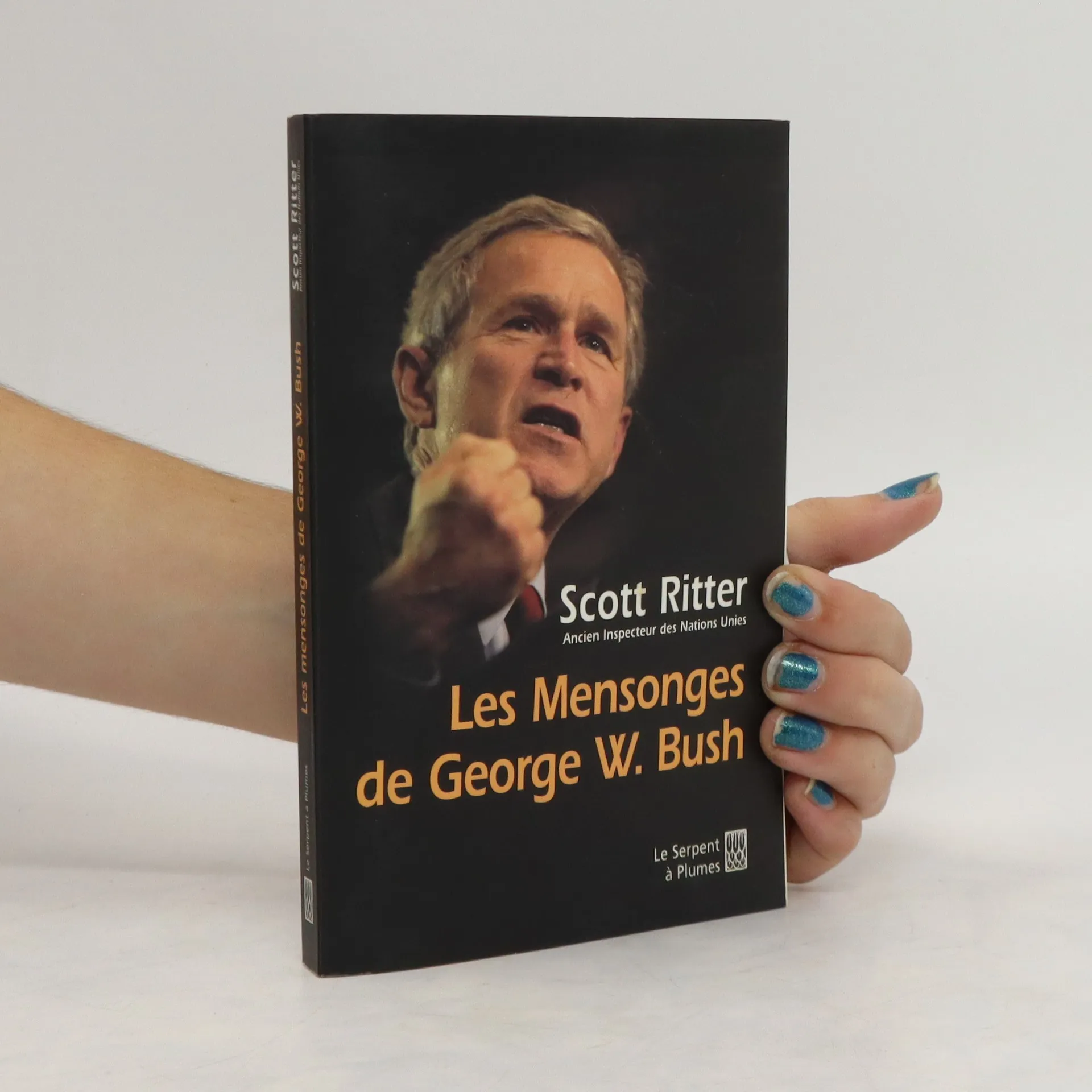
Ancien inspecteur en armements pour l'ONU, l'auteur dénonce l'opération de manipulation du gouvernement Bush afin de mener sa guerre en Irak. Affirmant que les armes de destruction massive et les liens entre Saddam Hussein et Al-Quaida n'existaient pas, il relate les efforts qu'il a déployés pour contrer la guerre. Il livre également un vibrant plaidoyer pour un changement de gouvernement au prochaines élections américaines. [SDM]
72 Minuten. Mehr Zeit ist nicht nötig, um die Welt, so wie wir sie kennen, zu zerstören. Das ist kürzer als die meisten Kinofilme. Die meisten Menschen könnten in der Zeit nicht einmal zum Baumarkt fahren, um die Materialien zu kaufen, die sie am Wochenende für die kleinen Reparaturen im Haus benötigen. Mit den Hunden Gassi gehen? Mit den Kindern spielen? Vergessen Sie es. 72 Minuten. Und alles, wofür Sie Ihr Leben gelebt haben, wäre vorbei. Und wenn Sie überleben würden? Um Nikita Chruschtschow zu zitieren: „Die Überlebenden würden die Toten beneiden.“ — Scott Ritter, Highway to Hell
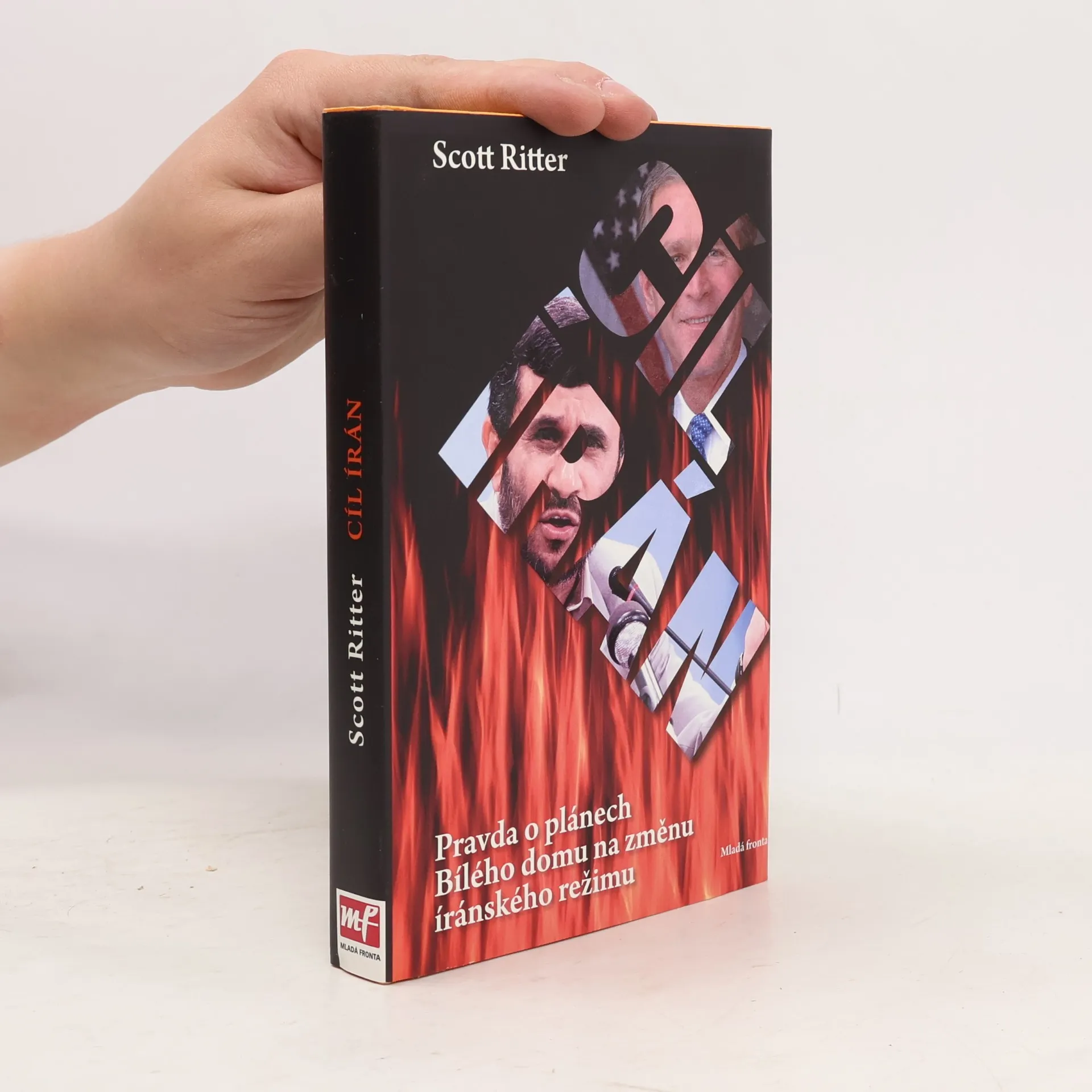
Kniha odhalující skutečnou podstatu americko-íránského konfliktu.
Bývalý příslušník americké námořní pěchoty, raketový poradce generála Schwarzkopfa v první válce v Zálivu a v letech 1991 až 1998 jeden z nejvyšších zbraňových inspektorů v Iráku vyvolal v roce 2005 senzaci svou knihou Iraq Confidential, v níž otevřeně napadl tvrzení Bushovy administrativy o iráckých zbraních. Ritterova nejnovější práce je čtivá, s hlubokou znalostí problematiky podaná analýza podstaty a perspektiv
současných napjatých vztahů mezi USA a Íránem. Nechybí ani posouzení přístupu dalších velmocí a Mezinárodní jaderné agentury.