

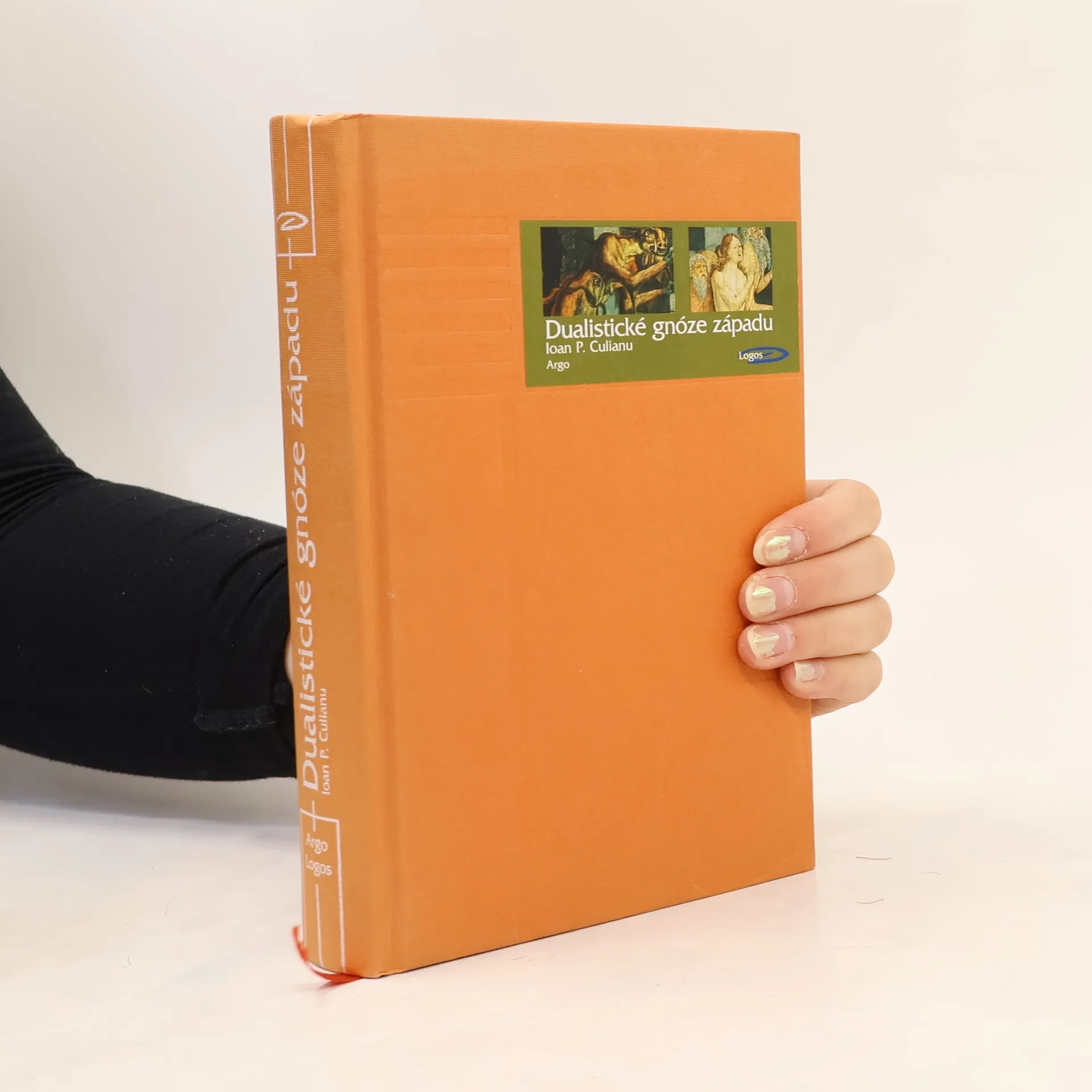
Jedná se o dílo spolupracovníka Mircey Eliada věnované gnosi na Západě a prezentuje veškerá dualistická náboženství, jejichž historie hluboce ovlivnila Západ. Autor ukazuje, že zmíněné dualistické směry v náboženském myšlení tvoří systém, který je třeba zkoumat ze synchronní perspektivy. Nevyvíjejí se ze sebe a vzájemnosti, ale vznikají v důsledku týchž úvah, vycházejících z prvních tří kapitol knihy Genesis. Culianu nepovažuje dualistické náboženské ideje za pouhou historickou kuriozitu, v závěru knihy je hodnotí z perspektivy poplatné Einsteinovu pojetí času.
Ioan Petru Culianu Book order (chronological)
January 5, 1950 – May 21, 1991



The HarperCollins Concise Guide to World Religions
- 320 pages
- 12 hours of reading
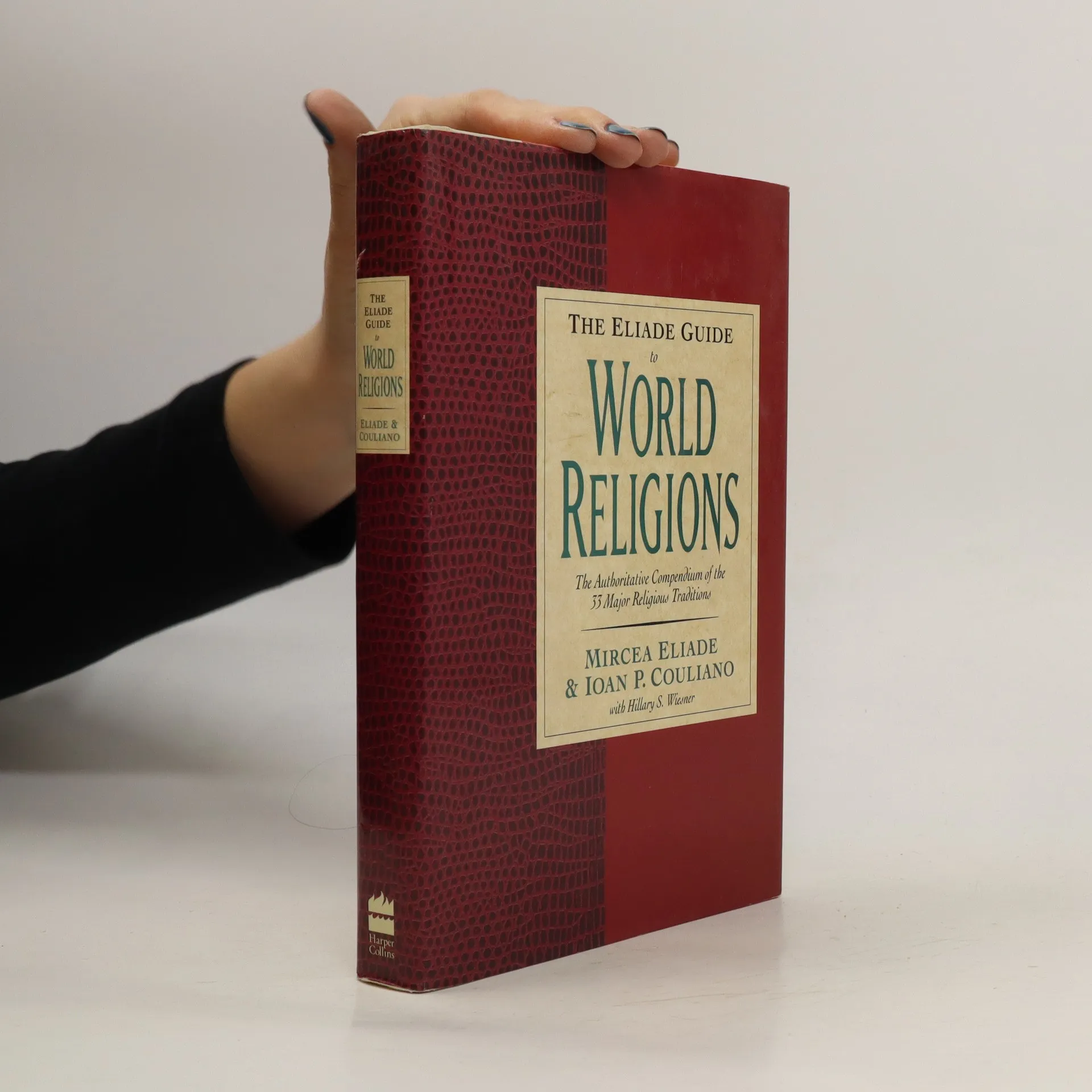
The definitive dictionary of the world's religions, compiled by two of the 20th century's most distinguished religion scholars. This highly accessible resource distils Mircea Eliade's lifework of detailing and comparing humanity's entire religious heritage, providing fascinating insights into the character and worldview of the 33 principal religions. Including Buddhism, Christianity, Jainism, Judaism, Islam, Shinto, Shamanism, Taoism, South American religions, Baltic and Slavic religions, Confucianism, and the religions of Africa and Oceania, The HarperCollins Concise Guide to World Religions covers all kinds of religious figures, histories, sacred texts, mythologies, and mystical techniques.
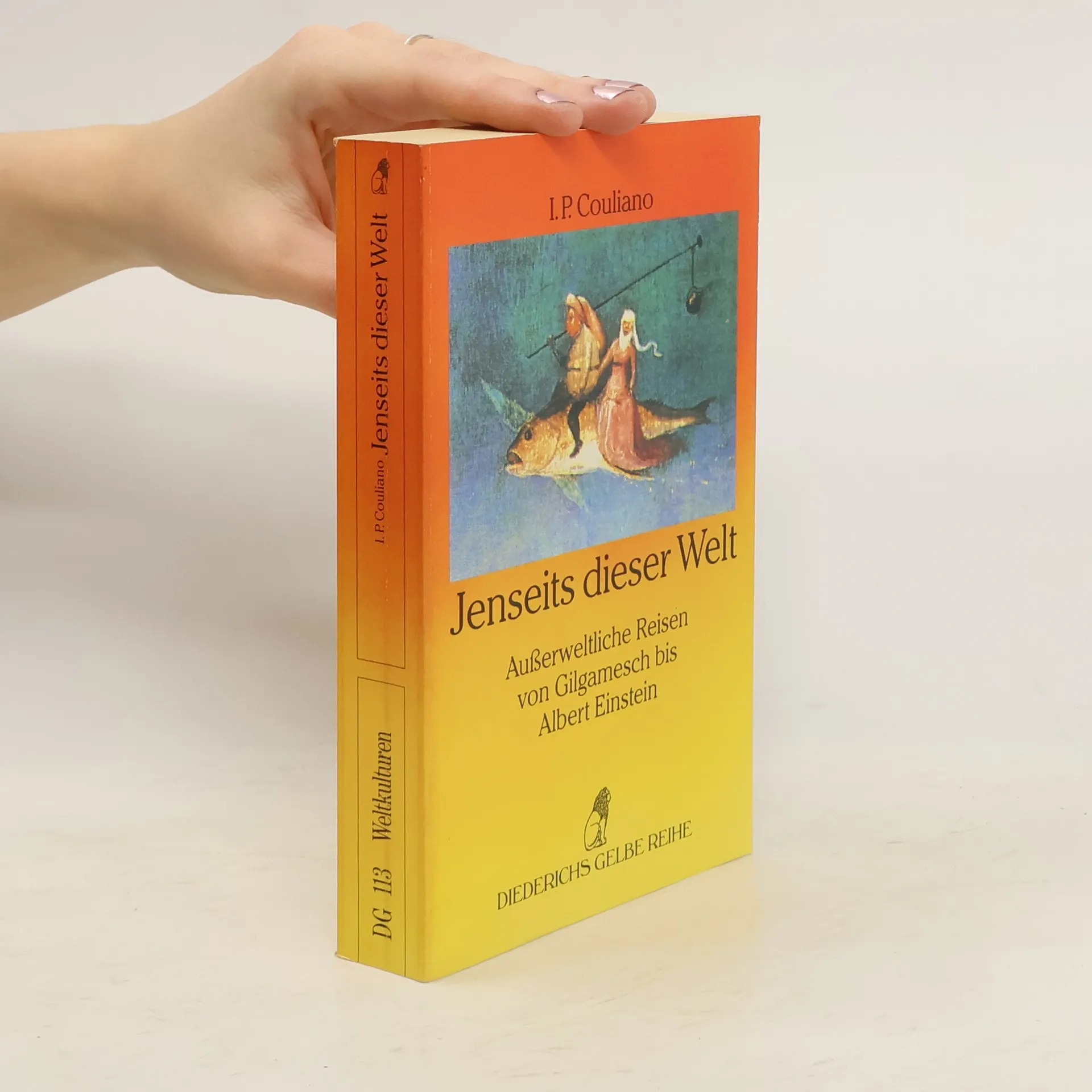
Jenseits dieser Welt
- 331 pages
- 12 hours of reading
Základní příručka světových náboženství z pera dvou předních světových odborníků v oblasti dějin náboženství. Jednotlivá hesla jsou rozdělena podle zeměpisných oblastí a dále pak chronologicky. Četné odkazy na dílčí jevy, božstva, různé náboženské skupiny a hnutí jsou obsaženy v rejstříku. Kniha, vycházející v českém překladu už podruhé, poskytne nejen poučení zájemcům o religionistiku, ale je rovněž užitečnou pomůckou pro všechny, kdo se v rámci svého zaměstnání setkávají s jim neznámými pojmy z různých náboženství světa.
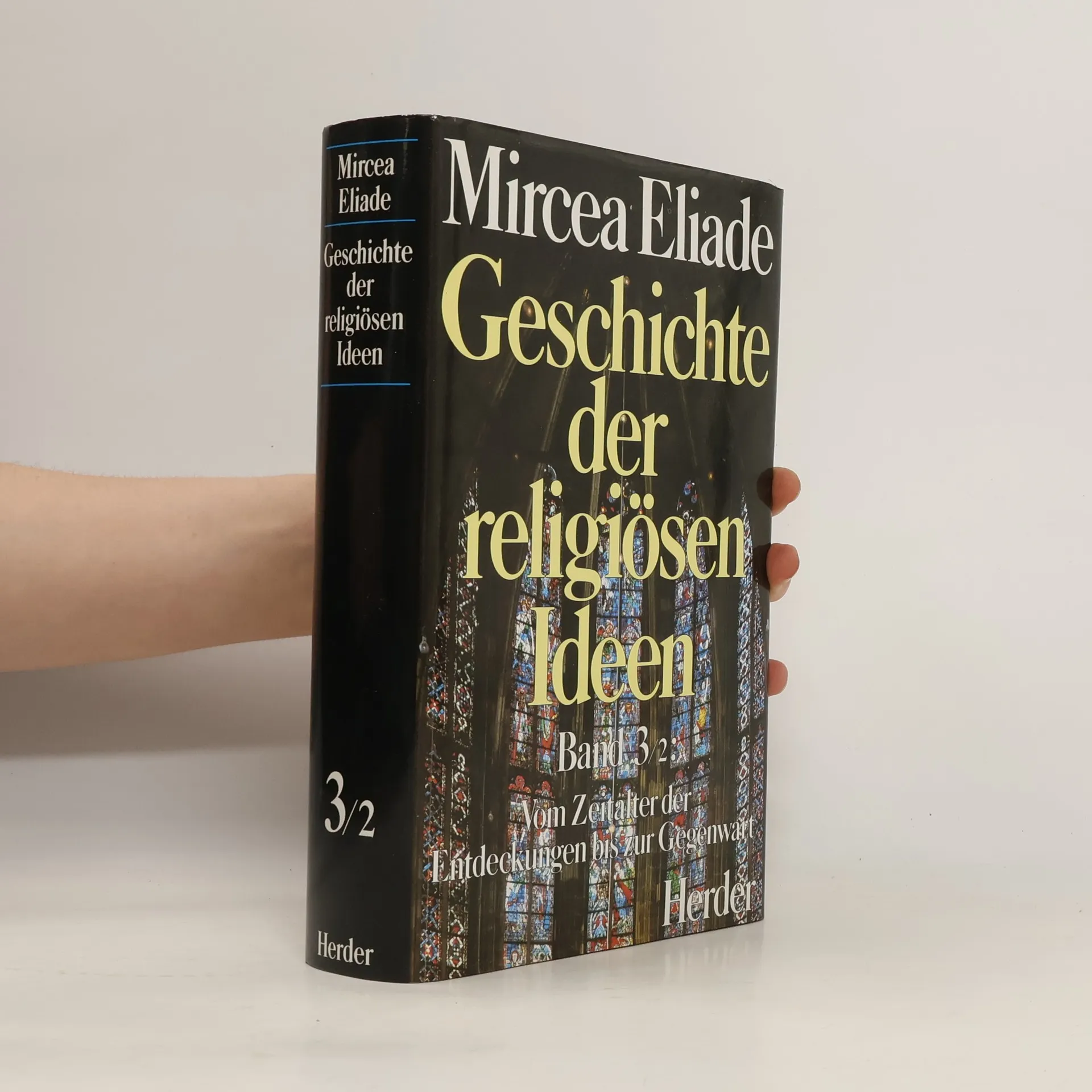
Geschichte der religiösen Ideen
- 496 pages
- 18 hours of reading
Eine gewaltige geistige Unternehmung, fesselnd und allgemeinverständlich aufbereitet" (Süddeutsche Zeitung). "Wer Eliades Werk liest, wird beschenkt und gewinnt nicht nur ein Verständnis der Religionen, sondern auch der Erkenntnis der Welt, in der wir leben" (Die Welt).
A comprehensive guide to the thirty-three major religions, including information about their origins, founders, sacred teachings, and spiritual traditions
Eros and Magic in the Renaissance
- 296 pages
- 11 hours of reading
A common belief in modern scientific society is that "magic" is a mere collection of outdated and nonsensical practices. This work challenges that notion, offering a scholarly exploration of magic's role and its evolution into contemporary forms. According to Ioan Couliano, Renaissance magic was a scientifically grounded attempt to influence individuals through an understanding of motivations, especially erotic ones. The core idea was that sexual desire could sway everyone and everything. Additionally, magicians employed advanced memory techniques to shape the imaginations of their subjects. Couliano posits that magic serves as a precursor to modern psychological and sociological disciplines, positioning the magician as a forerunner to psychoanalysts and marketing professionals. Couliano delves into the works of influential figures like Giordano Bruno, Marsilio Ficino, and Pico della Mirandola, shedding light on various facets of Renaissance culture, including heresy, medicine, astrology, alchemy, courtly love, classical mythology, and even fashion. While science has become the dominant narrative of our age, magic once provided a similar narrative during the Renaissance. The reliance on images in magic faced repression during the Reformation, leading to its decline in favor of precise science and technology. Couliano's insightful scholarship revives the significance of magic, appealing to a diverse audience in the humanities
